




983 North Texas Street, Emory, TX 75440
For more information about senior living options: (866) 208-4318
Overall Review of Senior Suite Care & Rehab
Pros
 The staff at Emory's Senior Suite Care and Rehab love their residents.
- The residents are not just numbers; they are truly cared for.
- Wes goes the extra mile to accommodate residents' preferences.
- The facility offers engaging activities for residents who choose to participate.
- Residents enjoy bingo and monthly birthday parties, as well as arts and crafts.
- The kitchen smells wonderful and meals are well-prepared.
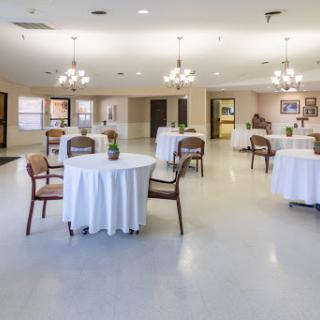
- Every room is clean and the facility maintains a fresh, inviting environment.
- Amanda, the administrator, truly cares about all the residents and resolves concerns promptly.
- Nurses and aides spend time with residents during their adjustment, helping them improve.
- The management team is top notch and demonstrates genuine care for the residents.
- The facility excels and is a valuable addition to the Emory, Texas community.
- The staff are friendly, competent, and compassionate.
Cons
 The place really needs to be investigated.
- Most of the staff are not competent to care for people.
- They spend more time on their phones than actually doing their jobs.
- The nurses never attended nursing school.
- They lack basic knowledge about just about anything.
- There is neglect happening at the facility and the lack of compassion is beyond ridiculous.
- Residents' clothes have gone missing and they are not receiving their medication or baths.
- The facility should be investigated for abuse.
Review
Senior Suite Care & Rehab in Emory, Texas is best suited for families seeking a warm, resident-centered skilled nursing and rehab option in a small-town setting. This community shines for residents who need post-acute rehabilitation or long-term care but still want everyday life to feel personal rather than transactional. Reviewers repeatedly describe caregivers who know residents by name, athletes of compassion who treat patients as people with histories and preferences, not merely as tasks on a shift. The kitchen and dining experiences receive praise, with staff willing to tailor meals and celebrate individual tastes, and the atmosphere tends to feel more home-like than clinical. For families prioritizing a palpable sense of care and community, this facility often delivers a meaningful, approachable environment that can make the transition smoother for elders.
That said, this is not the right fit for every situation. Families should assess whether a resident’s needs demand highly consistent medical oversight or advanced memory-care programming, where larger or more specialized facilities might provide steadier staffing and more specialized resources. Several reviews flag staffing variability, including turnover and concerns about staff competence, with some accounts suggesting neglect or lapses in medication administration. Those with highly complex medical regimens or behaviors requiring specialized memory-care strategies may want to compare options in bigger towns that offer more formalized oversight, clearer accountability structures, and dedicated memory-care environments. In short, the potential upside hinges on reliable, attentive staffing and clear medication and safety protocols.
The strongest positives, personalized attention, genuine caregiver warmth, and proactive leadership, tend to offset the main drawbacks when the match is right. Families report that Amanda, the administrator, actively engages with concerns, investigates missing items, and moves quickly to resolve issues, which creates a sense of accountability that is hard to find in more impersonal settings. The staff’s willingness to accommodate preferences, like a resident’s breakfast choice or a requested “chef salad” option, demonstrates a culture that values resident autonomy. Dining quality and cleanliness are repeatedly highlighted as standout features, with aromas and a well-kept environment contributing to a sense of normalcy and comfort. When care teams are cohesive and responsive, the risk of slip-ups feels manageable and fair, especially for families prioritizing daily quality of life and social engagement.
A practical tour should focus on several observable signals. Note how promptly call buttons are answered, how staff interact with residents during meals and activities, and whether there is a predictable routine rather than a frantic, overextended cadence. Inquire about staffing schedules, especially for nights and weekends, and ask how medication management is tracked and audited. Observe the dining room during peak times to gauge whether residents are supported, engaged, and able to participate in meal choices. Examine rooms and common areas for cleanliness and age-appropriate design, and verify laundry and item-tracking processes. Talk to several residents or family members about problem-resolution experiences to gauge whether concerns are acknowledged and resolved with transparency.
Ultimately, the facility presents as a strong fit for families seeking warmth, social engagement, and a personalized care approach in a small community. The blend of compassionate frontline staff, a hands-on administrator, and an emphasis on meaningful activities, bingo, crafts, birthday celebrations, and accessible fresh offerings, creates a compelling value proposition for many families and residents. However, the cautionary notes cannot be dismissed: staffing instability and instances of neglect or medication concerns have appeared in reviews. Weigh these realities against the demonstrated strengths, and use them to frame conversations with leadership before making a placement decision.
The bottom line is clear: Senior Suite Care & Rehab can be an excellent match for residents who respond well to close-knit care, consistent family involvement, and high-quality dining and activities, provided there is confidence in staffing reliability and medication management. Families should schedule a thorough tour, speak frankly with the administrator, and request transparent answers about staffing patterns, incident resolution, and what backup plans exist for staffing gaps. If those assurances are satisfactory, this community stands out as a practical, compassionate option in Emory. If not, consider nearby alternatives with deeper memory-care programming or more regimented oversight to ensure those essential needs are met consistently.
 68 resident community capacity
 Skilled Nursing Facility
 Air-conditioning
 Beauty salon
 Cable or satellite TV
 Computer center
 Dining room
 Fitness room
 Fully furnished
 Gaming room
 Garden
 Housekeeping services
 Kitchenette
 Move-in coordination
 Outdoor space
 Private bathrooms
 Restaurant-style dining
 Small library
 Telephone
 Wellness center
 Wi-Fi/high-speed internet available
 Community operated transportation
 12-16 hour nursing
 24-hour call system
 Activities of daily living assistance
 Assistance with bathing
 Assistance with dressing
 Assistance with transfers
 Diabetes diet
 Medication management
 Mental wellness program
 Special dietary restrictions
 Concierge services
 Planned day trips







 6 Crucial Ways an Elder Law Attorney Assists Families
 Navigating the Tax Landscape of Caregiving: Credits, Deductions, and Beyond
 Highly Beneficial Low-Impact Exercises for Senior Living Residents