

PO Box 247, Point, TX 75472
To contact a resident: (903) 598-2531
For more information about senior living options: (866) 208-4318
Overall Review of Point Housing Authority
Pros
 It is nice and quiet at night.
- It is a nice, quiet, and safe place to live.
- Residents form a tight-knit community and look out for one another.
- Residents are proud of their little community and take care of their neighbors.
Review
Point Housing Authority in Point, TX is best suited for seniors or adults on a fixed, limited income who want a quiet, safe, small-community living environment where neighbors look out for one another and privacy is balanced by a familiar routine. With 28 units and an income-based model, the setting trades scale and luxury for predictability, control, and low-stress days. This is the kind of place where nights are quiet, routines are stable, and residents form a tight network that can feel like an extended family. It is not aimed at those chasing upscale amenities or high-visibility social calendars; it rewards those who value consistency and a predictable environment over breadth of services or size of residence.
Those evaluating alternatives should note who may want to consider options elsewhere. If independence means frequent access to a wider range of activities, more varied housing styles, or more privacy from neighbors, this community may feel limiting. Prospective residents who want robust programming, hands-off assistance, or a more detached living experience might prefer private senior apartments or larger affordable complexes with more pervasive on-site amenities. Additionally, anyone wary of background checks or eligibility requirements tied to income-based housing should look at other housing avenues, where criteria are less restrictive and turnover is higher.
The strongest pros are tangible and align directly with the reviews: a consistently quiet atmosphere, a sense of safety, and a tightly knit, protective community. Residents live among people who are invested in looking after one another, which reduces the likelihood of disturbances and creates a reliable rhythm to daily life. The income-based structure, paired with screening, contributes to a housing environment where neighbors are accountable and trust can develop quickly. Reviewers describe a place that feels calm at night and that fosters pride among residents, giving families confidence that a loved one will have predictable, low-stress days.
However, the main drawbacks are also clear when considering the overall decision. The 28-unit scale inherently limits privacy, choice, and social variety; opportunities for new friendships are abundant but within a small circle, and the sense of insularity can feel restrictive for those who crave broader social exposure. The boilerplate trade-off for affordability and safety is a more controlled environment with fewer amenities and services than larger, more resource-rich communities. The background-check process, while protective, can also be a hurdle for some families who worry about eligibility windows or shifts in financial circumstances.
These pros and cons do not cancel each other out; they instead clarify the alignment between resident priorities and the living environment. For households prioritizing stability, safety, and a supportive neighbor network, the benefits trump the limitations. The quiet, safe setting reduces daily stress and creates a reliable backdrop for aging in place without external pressures to conform to a busy social calendar. In short, this is a credible, practical choice when the objective is predictable, affordable housing within a small, trustworthy community.
In the end, Point Housing Authority is a compelling option for the right profile: seniors or individuals on fixed incomes who prize quiet, safety, and a close-knit community more than upscale amenities. It’s less suitable for those seeking extensive on-site programming, comprehensive assisted living services, or high privacy. Families evaluating assisted living decisions should view this option as a solid foundation for stability and social safety, provided there is clarity about services needed and expectations for privacy. Before deciding, visit, observe the neighbor network, confirm rent and eligibility specifics, and confirm that the desired level of independence aligns with the small-community reality. The 4.6 rating signals solid performance, but alignment with personal priorities will determine whether this is the optimal foundation for long-term living.
 Assisted Living
 Activities on-site
 Devotional services off-site
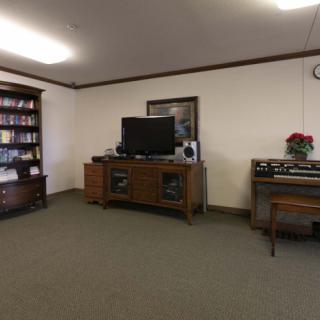
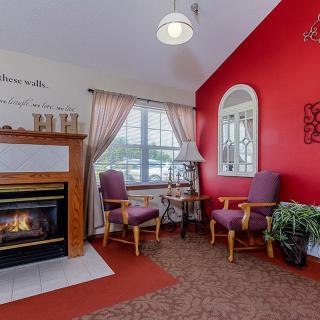
 Indoor common areas
 Ambulatory care
 Diabetic care
 Meals provided




 Beyond the Bingo Hall: 50+ Enriching Activities for Seniors in Assisted Living
 Understanding the Distinctions: Assisted Living and Memory Care Explained
 Guiding Elderly Parents Who Refuse Assisted Living: 6 Practical Steps