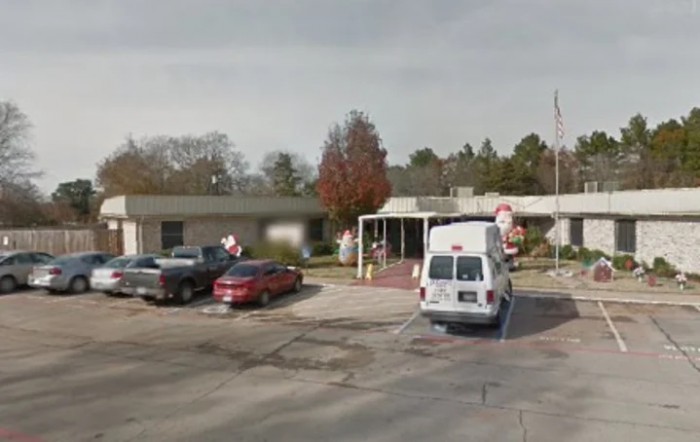



214 Jones Road, Elkhart, TX 75839
For more information about senior living options: (866) 208-4318
Overall Review of Elkhart Oaks Care Center
Pros
 The staff were really good to her, and the nurse care was wonderful.
- She received really good care there.
- It was small and felt like family.
- The staff do a really good job; the kitchen does great; the overall view of the nursing home is great; the employees are very caring and compassionate.
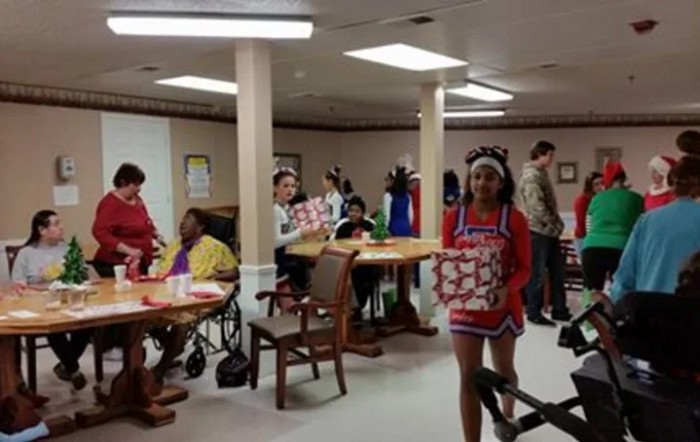
- The residents really enjoy Bingo and are attached to the staff.
- This little facility is a hidden treasure; the staff seem to really care about the people who live there.
- The therapy staff were great; the residents could get stronger in therapy and were encouraged in the rehab department.
- It is truly a family environment.
- The staff is very kind.
- The private room was spacious and comfortable.
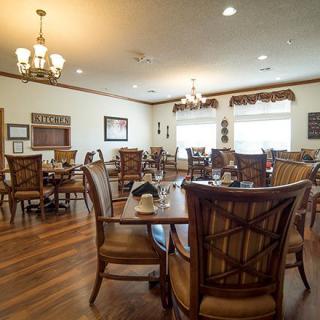
- The facility provides healthier meals.
- Residents seemed content and happy.
- The reviewer would recommend the place to local residents.
Cons
 It was not an adequate facility for Lewy Body Dementia.
- It looked like a place where people were left to die, with residents lying in the hallway.
- The facility was nasty: call lights went off, staff walked by without answering, and questions were met with “I don’t know” and walked off.
- The place smelled strongly of urine.
- Residents were alleged to be abused by staff.
- The reviewer alleges a resident was sexually molested by another patient, and that staff attempted to conceal the incident from the family.
Review
Elkhart Oaks Care Center in Elkhart, TX is best suited for families seeking a small, home-like nursing environment where residents are cared for by a close-knit staff and where rehab services are a clear strength. The facility tends to appeal to families who value personal attention, consistent nursing and therapy support, and a warm, “family” atmosphere in a compact setting. For loved ones who thrive on familiar routines, regular interaction with caregivers, and a facility that feels like a homelike community rather than a large institutional campus, this center offers tangible comfort and steady rehabilitation potential.
That said, noteworthy caveats mean alternatives should be considered for certain residents. The most critical red flags center on safety, specialty dementia needs, and severe behavioral or abuse concerns. Several reviews expressly flag Lewy Body Dementia as a condition poorly supported by this setting, indicating that the care model does not align with the specialized demands of that diagnosis. More troubling are accounts suggesting neglectful responsiveness, call lights ignored, and even incidents of abuse that were not adequately disclosed to families. These reports strongly suggest that families with high safety or specialized memory-care requirements will want to explore other options or demand thorough, verifiable assurances before admission.
The positives carry real weight in day-to-day decision-making. Families consistently praise the staff’s kindness and demeanor, noting a genuine, compassionate approach from nurses and aides. The therapy team stands out as a strength, with residents improving in rehab and continuing to participate in activities that build strength and engagement. The kitchen and dining experiences receive favorable mentions, and several reviews describe a small, cozy environment where residents feel known and valued. A sense of community, often described as “homey” and family-focused, appears to support residents’ emotional well-being and provide meaningful social connections.
In balancing the favorable elements with the drawbacks, the key dynamic is that Elkhart Oaks delivers dependable personal attention and rehab progression within a small, intimate setting, but the lack of consistent safety, activity programming, and dementia-specific resources counterbalances those advantages. On the positive side, residents often enjoy a quieter, more manageable environment, where staff appear approachable and relationships with caregivers can be enduring. On the negative side, reports of hallway neglect, odor issues, and communication gaps about serious incidents create legitimate safety concerns that cannot be overlooked. For families prioritizing a strong, transparent safety culture and robust memory-care programming, these gaps argue for caution or an alternative.
This facility best fits families who can negotiate a path with careful due diligence: tour with several staff members, request recent activity schedules, and seek direct confirmation about staff ratios, response times, and safeguarding policies. Prospective buyers should specifically inquire about memory-care capabilities, especially for Lewy Body dementia, and verify any history of incidents with formal follow-up plans. For those with loved ones who require advanced dementia care, aggressive behavioral management, or highly structured activity programming, Elkhart Oaks should not be the default choice without corroborated assurances of improvement and oversight.
In practical terms, families weighing options should consider alternatives that offer stronger dementia specialization, larger activity calendars, and demonstrably responsive safety protocols. If Elkhart Oaks is pursued, demand transparent staffing data, continuous monitoring of care plans, and a clear, written response process for any incidents. Private room availability, pet-friendly policies, and opportunities to participate in therapy goals should be confirmed as part of a concrete plan. Ultimately, the decision hinges on balancing the undeniable warmth and rehab potential of a small, home-like setting against the equally undeniable importance of reliable safety, dementia-specific care, and consistent, proactive communication.
 102 resident community capacity
 Skilled Nursing Facility
 Air-conditioning
 Beauty salon
 Cable or satellite TV
 Computer center
 Dining room
 Fitness room
 Fully furnished
 Gaming room
 Garden
 Housekeeping services
 Kitchenette
 Move-in coordination
 Outdoor space
 Private bathrooms
 Restaurant-style dining
 Small library
 Telephone
 Wellness center
 Wi-Fi/high-speed internet available
 Community operated transportation
 12-16 hour nursing
 24-hour call system
 Activities of daily living assistance
 Assistance with bathing
 Assistance with dressing
 Assistance with transfers
 Diabetes diet
 Medication management
 Mental wellness program
 Special dietary restrictions
 Concierge services
 Planned day trips


 California's Form 602A: An In-Depth Examination of Senior Care Assessment
 Comprehensive Look at Senior Blood Pressure Charts: Normal and Elevated Levels by Age
 Top Canine Companions for Older Adults