
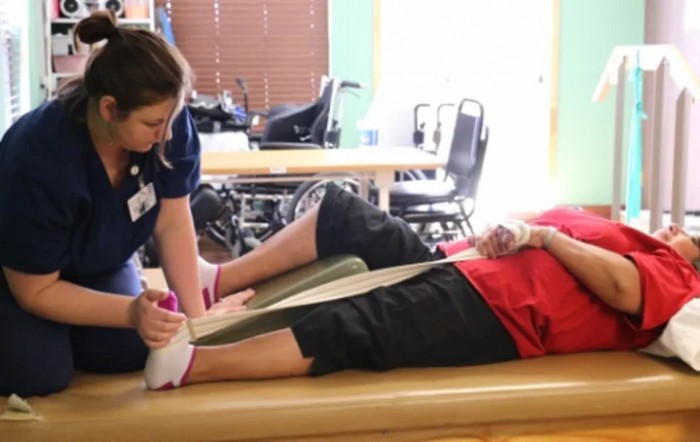

Southbrooke Manor Nursing And Rehabilitation Cente

Save

Southbrooke Manor Nursing And Rehabilitation Cente

1401 West Main Street, Edna, TX 77957

For more information about senior living options: (844) 490-3973

4.3 from 28 reviews
5 stars
20
4 stars
3
3 stars
1
2 stars
0
1 stars
4

Skilled Nursing Facility

What level of care are you interested in?

Assisted Living

Memory Care

Independent Living

Skilled Nursing Facility

Continuing Care Retirement Community (CCRC)CCRC

Other


Request a tour at Southbrooke Manor Nursing And Rehabilitation Cente

    Overall Review of Southbrooke Manor Nursing And Rehabilitation Cente

    Pros

    • pro Two family members who lived at Southbrooke received very good care; the staff, nurses, and doctors were caring, supportive, and informative, and the facility was always clean.
    • pro The facility is described as welcoming, with staff members such as Shay, Auji, and Marlena who are awesome, welcoming, and make each experience great.
    • pro The Southbrooke team is amazing and works together daily to provide the very best for each resident, who are treated like family.
    • pro Becca in care management is nurturing and compassionate and takes time to listen to residents.
    • pro Stephanie, the med aid, is top notch and consistently on top of medications.
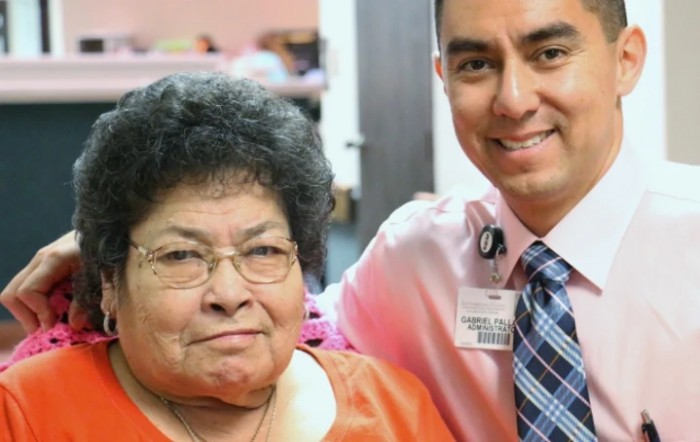
    • pro The administrator and staff are dedicated and well-regarded by residents.
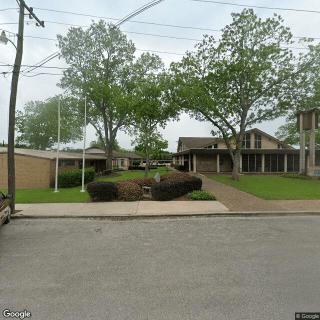
    • pro The facility is a beautiful and caring home for residents that is clean and well maintained.
    • pro The overall atmosphere is warm, family-like, and supportive.

    Cons

    • pro The facility does not live up to its claimed five-star status and full staffing.
    • pro A male resident's head injury occurred on the first night due to inadequate supervision.
    • pro Call bells were not answered promptly, leaving residents in wet or soiled Depends.
    • pro The dietary needs and preferences of residents were ignored (e.g., a soft-diet resident received blended pizza).
    • pro A staff member was rude and pushed non-finger foods, claiming a special spoon would help, which never appeared.
    • pro Insurance questions remained unanswered.
    • pro The male resident was made to wear other men's clothes, causing anger.
    • pro Administrators and some staff were rude to advocates and refused to acknowledge concerns.
    • pro Night staffing was insufficient; help calls sometimes went unanswered.
    • pro The reviewer was banned from the facility for voicing concerns, indicating a lack of transparency.

    Review

    What begins as a search for a trusted, five-star facility quickly reveals a stark mismatch between promises and the daily reality reported by residents, families, and advocates. A number of voices describe a place that markets itself as fully staffed and exceptionally attentive, yet repeatedly falls short in ways that affect safety, nourishment, and basic dignity. The most persistent threads are a mismatch between expectation and experience, with claims of excellent care tangled up with alarming anecdotes of neglect, miscommunication, and resistance to feedback.

    One family recounts the first night as the moment the trust began to fray. They allege that a male resident (referred to as "the Mr.") suffered a head injury that apparently went inadequately addressed, while bells meant to summon assistance were said to be ignored for long stretches. The result, in their account, was that the Mr. spent long periods exposed to wet and soiled incontinence products, undignified and unsafe. The same reviewer notes that staff seemed indifferent to the preferences of both the Mr. and the Mrs. when it came to meals, despite repeated reminders about specific dietary needs. The Mrs. is described as on a soft diet, yet there are concrete instances where food did not align with her restrictions - culminating in a day when a pizza was served blended to a mushy state and deemed inedible. The Mr. can manage finger foods, but portions were not aligned with his capacity, and a complaint about his meals elicited a response from a staff person who appeared rude and dismissive. The dining experience grew more contentious when a staff member insisted on presenting a large plate of non-finger food and then attempted to force it into the Mr.'s mouth, prompting a confrontation about age-appropriate eating. The notion of a "special spoon" that could facilitate better feeding was mentioned, but never seen, leaving the resident stuck with unsuitable meals and the advocate left to battle for basic dignity.

    The nutrition and dietary concerns do not exist in a vacuum; they are part of a broader pattern of care gaps described by multiple reviewers. The Mrs.'s soft-diet needs are routinely neglected, and attempts to correct this with staff guidance or family input are portrayed as met with resistance rather than collaboration. In one instance, the family had to advocate for a change in how meals were provided, but encountered a firm, personal, and sometimes rude reaction, casting doubt on the facility's willingness to honor individualized care plans. The couple's advocate notes that in addition to questions about insurance and coverage, there were issues with clothing: the Mr. was reportedly made to wear others' clothes when his own wardrobe was available, an experience that compounded frustration and a sense of disrespect. The overall tone is one of a system that is difficult to navigate for those trying to address concerns, where even the administrator and some staff were described as rude and unresponsive to concerns about basic care, nourishment, or appropriate accommodations.

    There is also a recurring alarm about safety and staffing, particularly at night. The Mrs.'s bell ringing for assistance is described as going unanswered for extended periods, leaving both residents and their advocates anxious about delays in care. The Mr.'s wandering in search of a bathroom - rather than remaining safely in bed - highlights a potential risk to safety and well-being that one would expect to be mitigated in a well-staffed, well-supervised environment. This theme of insufficient nighttime staffing overlaps with concerns about the handling of general medical needs and everyday tasks, underscoring an impression that the facility struggles to provide consistent around-the-clock attention.

    Amid the negative experiences, there is also a clear current of disappointment and frustration that culminates in a formal, personal boundary: the reviewer says they were banned from the facility for voicing concerns, a claim that underscores a fear of retaliation and a sense that transparency is not welcomed. The sense of being shut out when trying to advocate for loved ones is described as an outcome that contradicts the stated mission of patient-centered care. This update, presented as part of a longer narrative, adds a layer of caution about engaging with the facility's leadership and staff when problems arise.

    In contrast, some voices from within or connected to the facility offer a notably different perspective. A substantial amount of praise centers on individual staff members who are depicted as compassionate and competent. Several reviewers share warm appreciations for people like Mary Gandy, Miss Audrey, Stephanie Garcia, Samantha, and others who are described as attentive, supportive, and invested in their residents' well-being. The care management team is celebrated for taking time to know residents and families, with Becca in care management, for example, highlighted for listening and offering nurturing guidance. The dining team, medication aides, and various administrators are recalled as delivering positive interactions that make residents feel valued and treated like family. Phrases such as "Ready to get started," "Excited," and "It's a beautiful and caring home" signal the presence of a genuine, if inconsistent, culture of care that can stand up to the harsher reviews when the right staff are involved.

    Several reviews emphasize a clean, well-maintained environment, along with a sense of community among residents and staff who work closely together. A number of statements describe a team-oriented atmosphere where staff members coordinate closely to deliver the best possible experience for each resident. In these accounts, the administration's leadership is mentioned appreciatively, with references to leadership figures who embody core values such as wellness and patient-centered care. The positive notes also stress the importance of a cohesive team dynamic - cleanliness, thoughtful caregiving, and a supportive environment that makes families feel their loved ones are safe and respected.

    Taken together, the collection of reviews presents a facility with a paradox: on one hand, there are many stories of dedicated, caring staff, individualized attention, clean surroundings, and a sense of family among residents and teams. On the other hand, there are persistent allegations of neglect, miscommunication, unsafe conditions, and an environment that can feel punitive to families who speak up. The breadth of experiences - from praise of specific staff members and departments to grievances about meal quality, responsiveness to bells, and respect for residents' autonomy - paints a complex picture. It suggests an institution where positive relationships and good practices exist in pockets, but systemic challenges in staffing, responsiveness, and adherence to individualized care plans remain a daily concern for residents, families, and advocates alike.

    In the end, the stories speak to a real and pressing need for transparency, consistent staffing, and a robust culture of listening to residents' needs and families' concerns. The conflicting testimonials create a call for the facility to align its stated commitments with every resident's daily experience - ensuring that call bells are answered promptly, dietary plans are honored, residents' clothing and personal preferences are respected, and concerns - from specifics about insurance to the clarity of consent and discharge processes - are addressed openly and constructively. The overall impression is not simply one of good or bad care, but of a facility grappling with how to translate ideals of warmth, safety, and thorough caregiving into steady, reliable practice across all shifts and all residents.

    Features

    Housing

    • 120 resident community capacity 120 resident community capacity

    Types of Care

    • Skilled Nursing Facility Skilled Nursing FacilitySkilled Nursing Facilities are crucial for seniors as they provide round-the-clock medical care, rehabilitation services, and assistance with daily activities. These facilities ensure that seniors receive the specialized care they need to maintain their health and well-being as they age.

    Amenities

    • Air-conditioning Air-conditioningAir conditioning is important for seniors as they are more vulnerable to heat-related illnesses and may have underlying health conditions that make it difficult for them to regulate their body temperature. It helps to keep them comfortable, safe, and healthy in hot weather.
    • Beauty salon Beauty salonBeauty salons are important for seniors because they provide a space for them to feel pampered, socialize, and maintain their personal grooming and hygiene. Regular visits to a beauty salon can help boost seniors' self-esteem and overall well-being.
    • Cable or satellite TV Cable or satellite TVCable or satellite TV is important for seniors because it provides entertainment, news, and companionship, helping to combat loneliness and boredom. It also offers a wide range of programming options tailored to different interests and preferences.
    • Computer center Computer centerA computer center is essential for seniors as it provides access to technology, communication tools, and resources that can enhance their daily lives. It allows them to stay connected with loved ones, engage in online activities, and learn new skills, ultimately promoting socialization and mental stimulation.
    • Dining room Dining roomDining rooms are important for seniors as they provide a space for socialization, connection, and nutritious meals. They offer opportunities for residents to bond over shared meals, foster a sense of community, and promote healthy eating habits. Dining rooms also ensure that seniors have access to well-balanced meals tailored to their dietary needs and preferences.
    • Fitness room Fitness roomHaving a fitness room in a senior living community is essential for seniors to stay active, maintain their physical health, and improve their overall well-being. Regular exercise can help prevent falls, reduce the risk of chronic diseases, and promote mental sharpness. It also provides social opportunities for residents to connect with others and enjoy a sense of community.
    • Fully furnished Fully furnishedFully furnished senior living communities are important for seniors because they provide convenience, comfort, and a hassle-free moving experience. Seniors can easily settle into their new living space without the stress of having to buy and move furniture. This allows them to focus on enjoying their new home and community.
    • Gaming room Gaming roomGaming rooms are important for seniors as they provide a fun and engaging environment for socializing, cognitive stimulation, and physical activity. Games can improve memory, problem-solving skills, and overall mental well-being while fostering friendships and reducing feelings of isolation.
    • Garden GardenGardens are important for seniors as they provide a peaceful and therapeutic environment for relaxation, physical activity, and socialization. Being in nature has been shown to reduce stress, improve mood, and promote overall well-being. Gardens also offer opportunities for seniors to engage in gardening activities, which can improve mobility, flexibility, and cognitive function. Additionally, gardens create a sense of community and connection with others who share a passion for plants and outdoor spaces.
    • Housekeeping services Housekeeping servicesHousekeeping services are important for seniors because they help maintain a clean and safe living environment, promote independence, and reduce the risk of accidents or illnesses. Additionally, having assistance with household chores can alleviate physical strain and allow seniors to focus on other aspects of their well-being.
    • Kitchenette KitchenetteKitchenettes are important for seniors living in senior living communities because they provide the convenience and independence of being able to prepare simple meals and snacks in the comfort of their own living space. This can help promote a sense of autonomy and well-being for seniors, allowing them to maintain some level of control over their dietary choices and daily routines.
    • Move-in coordination Move-in coordinationMove-in coordination is important for seniors because it helps ease the transition into their new living environment. It ensures that all logistics, such as packing, organizing movers, and setting up utilities are taken care of, allowing seniors to focus on settling in and adjusting to their new home. Having a smooth move-in process can alleviate stress and anxiety, making the transition smoother and more enjoyable for seniors.
    • Outdoor space Outdoor spaceOutdoor spaces are important for seniors as they provide opportunities for physical activity, social interaction, exposure to natural light and fresh air, and a sense of connection to nature. Having access to outdoor spaces can improve overall well-being and quality of life for older adults living in senior communities.
    • Private bathrooms Private bathroomsPrivate bathrooms are important for seniors in senior living communities because they provide independence, dignity, and comfort. Having a private bathroom allows seniors to maintain their personal hygiene routines without the need for assistance, promoting a sense of autonomy and privacy. Additionally, private bathrooms help prevent the spread of infections and provide a safe and clean environment for seniors to navigate safely.
    • Restaurant-style dining Restaurant-style diningRestaurant-style dining is important for seniors because it allows them to enjoy delicious, nutritious meals in a social and upscale setting. This enhances their dining experience, promotes healthy eating habits, and fosters socialization with fellow residents, ultimately contributing to their overall well-being and quality of life.
    • Small library Small librarySmall libraries are important for seniors as they provide access to a variety of reading materials, including books, newspapers, and magazines. This can help stimulate their minds, keep them engaged, and provide a sense of community through book clubs and other social activities. Additionally, reading has been shown to improve cognitive function and overall mental well-being in older adults.
    • Telephone TelephoneTelephones are important for seniors as they provide a lifeline for communication with loved ones, emergency services, and healthcare providers. They offer a sense of security and independence, enabling seniors to stay connected and access assistance when needed.
    • Wellness center Wellness centerWellness centers are important for seniors because they offer a variety of programs and services that promote physical, mental, and emotional well-being. These centers provide opportunities for exercise, socialization, education, and relaxation, helping seniors maintain their overall health and quality of life.
    • Wi-Fi/high-speed internet available Wi-Fi/high-speed internet availableWi-Fi/high-speed internet is important for seniors to stay connected with loved ones, access online resources, and participate in virtual activities to combat feelings of loneliness and isolation. It also allows them to easily manage healthcare needs, access entertainment, and engage in lifelong learning opportunities.

    Transportation

    • Community operated transportation Community operated transportationCommunity operated transportation is crucial for seniors as it provides them with the means to access essential services, social activities, and medical appointments. It allows seniors to maintain their independence and quality of life by ensuring they can participate in activities outside of their homes. Additionally, community-operated transportation services offer a safe and reliable way for seniors to travel without having to rely on family or friends for assistance.
    • Transportation arrangement Transportation arrangementTransportation arrangements are crucial for seniors as they may face challenges with driving, mobility, or access to public transportation. Having reliable transportation services ensures that seniors can easily attend appointments, social activities, and maintain their independence and quality of life.
    • Transportation arrangement (non-medical) Transportation arrangement (non-medical)Transportation arrangements are essential for seniors as they provide access to essential services, activities, and social interactions outside the home. This service helps maintain independence, mobility, and overall well-being for seniors who may have limited transportation options.
    • Transportation to doctors appointments Transportation to doctors appointmentsTransportation to doctors appointments is crucial for seniors as it ensures they have access to necessary medical care and support, promoting their health and well-being. It allows them to receive timely treatment, monitor existing conditions, and address any new health concerns efficiently. Additionally, transportation services can help seniors maintain their independence and quality of life by enabling them to stay connected with their healthcare providers.

    Care Services

    • 12-16 hour nursing 12-16 hour nursing12-16 hour nursing care is crucial for seniors in order to ensure around-the-clock monitoring, timely medication administration, and prompt response to any health concerns or emergencies. This level of care helps to promote the overall well-being and safety of seniors living in senior living communities.
    • 24-hour call system 24-hour call system24-hour call systems are important for seniors because they provide peace of mind and immediate assistance in case of emergencies. This technology ensures that help is always available, promoting safety and security for elderly individuals living alone or in assisted living facilities.
    • 24-hour supervision 24-hour supervision24-hour supervision is important for seniors to ensure their safety, well-being, and access to immediate assistance in case of emergencies or health issues. This constant support provides peace of mind for both seniors and their loved ones, allowing them to age in place with dignity and security.
    • Activities of daily living assistance Activities of daily living assistanceActivities of daily living assistance are important for seniors because they provide essential support with tasks such as eating, bathing, dressing, and mobility. This assistance helps seniors maintain their independence, dignity, and overall quality of life as they age.
    • Assistance with bathing Assistance with bathingAssistance with bathing is crucial for seniors as it helps maintain personal hygiene, prevents infections, and ensures their overall well-being and comfort. It also provides a sense of dignity and independence for seniors who may struggle with this task on their own.
    • Assistance with dressing Assistance with dressingAssistance with dressing is important for seniors because it helps maintain their independence, promotes personal hygiene, prevents accidents and injuries, and improves overall quality of life. This service ensures that seniors can continue to dress comfortably and confidently, despite any physical limitations they may have.
    • Assistance with transfers Assistance with transfersAssistance with transfers is crucial for seniors as it helps prevent falls and injuries, maintains their independence, and ensures they can safely navigate their living environment. It also provides peace of mind for both seniors and their loved ones.
    • Diabetes diet Diabetes dietA diabetes diet is crucial for seniors as it helps manage blood sugar levels, reduce risks of complications, and improve overall health and well-being. By following a balanced and nutritious diet tailored to their specific needs, seniors can better control their diabetes and enhance their quality of life.
    • Meal preparation and service Meal preparation and serviceMeal preparation and service are crucial for seniors as they may have limited mobility or energy to cook nutritious meals. Having access to healthy and convenient food options can ensure they are getting the proper nutrition needed to maintain their overall health and well-being.
    • Medication management Medication managementMedication management is crucial for seniors to ensure they are taking the right medications at the correct dosages and times. This helps prevent adverse drug interactions, reduces the risk of medication errors, and promotes overall health and well-being. Proactive management also allows for adjustments as needed based on changing health conditions or new prescriptions.
    • Mental wellness program Mental wellness programMental wellness programs are essential for seniors as they promote cognitive stimulation, emotional support, and social engagement. These programs help prevent isolation, depression, and cognitive decline, ultimately enhancing the overall quality of life for older adults.
    • Special dietary restrictions Special dietary restrictionsSpecial dietary restrictions are important for seniors because age-related changes in metabolism and health conditions can make it difficult for their bodies to process certain foods. By following a diet tailored to their specific needs, seniors can maintain their overall health and well-being, manage chronic conditions, and reduce the risk of complications such as malnutrition or food interactions with medications.

    Dining

    • Diabetes diet Diabetes dietA diabetes diet is crucial for seniors as it helps manage blood sugar levels, reduce risks of complications, and improve overall health and well-being. By following a balanced and nutritious diet tailored to their specific needs, seniors can better control their diabetes and enhance their quality of life.
    • Special dietary restrictions Special dietary restrictionsSpecial dietary restrictions are important for seniors because age-related changes in metabolism and health conditions can make it difficult for their bodies to process certain foods. By following a diet tailored to their specific needs, seniors can maintain their overall health and well-being, manage chronic conditions, and reduce the risk of complications such as malnutrition or food interactions with medications.

    Activities

    • Community-sponsored activities Community-sponsored activitiesCommunity-sponsored activities are important for seniors as they provide opportunities for social interaction, mental stimulation, and physical activity. These activities can help improve overall well-being, combat loneliness and isolation, and promote a sense of belonging and purpose among older adults.
    • Concierge services Concierge servicesConcierge services are essential for seniors as they provide assistance with daily tasks and errands, enhance their quality of life by offering convenience and personalized care, and promote a sense of safety and security.
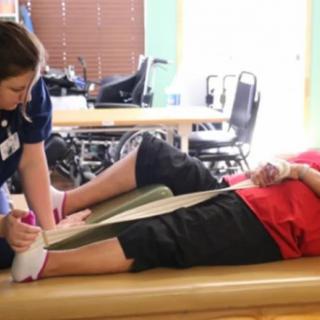
    • Fitness programs Fitness programsFitness programs are crucial for seniors as they help improve strength, flexibility, balance, and overall well-being. Staying active can reduce the risk of chronic diseases, improve mental health, and enhance quality of life in older adults.
    • Planned day trips Planned day tripsPlanned day trips are important for seniors because they offer opportunities for socialization, mental stimulation, and physical activity. They provide a change of scenery and help seniors stay engaged and connected to their community, promoting overall well-being and quality of life.
    • Resident-run activities Resident-run activitiesResident-run activities are important for seniors as they encourage social interaction, creativity, and a sense of autonomy. These activities empower seniors to stay engaged and active in their community while fostering meaningful connections with their peers.
    • Scheduled daily activities Scheduled daily activitiesScheduled daily activities are important for seniors because they provide structure, socialization, mental stimulation, and physical activity. Engaging in regular activities can improve overall well-being and quality of life for seniors living in a community setting.

    Description

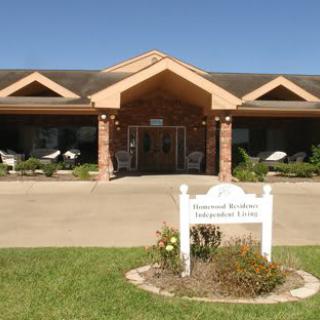
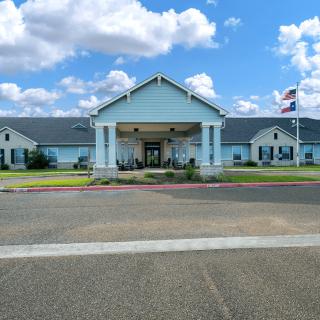
    Southbrooke Manor Nursing and Rehabilitation Center is a premier assisted living community located in Edna, TX. Our facility offers a wide range of amenities and care services to enhance the comfort and well-being of our residents.

    For our residents' convenience and relaxation, we provide a beauty salon where they can pamper themselves and maintain their personal style. They can also enjoy their favorite shows with access to cable or satellite TV in their own private rooms. Our community operated transportation ensures that residents can easily go shopping or engage in various activities outside the facility.

    We understand the importance of staying connected in today's digital age, so we offer a computer center equipped with Wi-Fi/high-speed internet for residents to browse the web or communicate with loved ones.

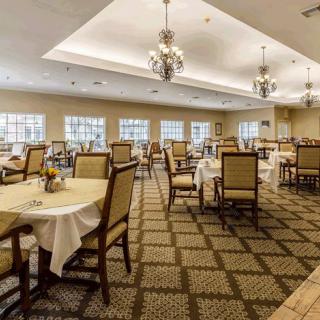
    Meals are an important part of daily life, which is why we have a spacious dining room where residents can enjoy delicious meals prepared by our experienced culinary team. Our restaurant-style dining provides an elegant atmosphere for shared meals, fostering social interaction among residents.

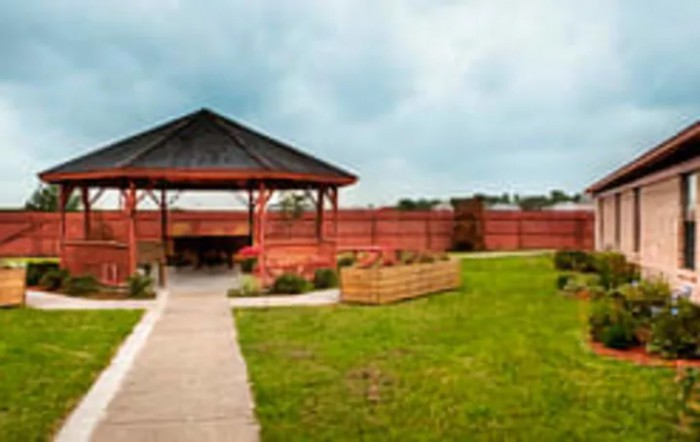
    To encourage an active lifestyle, we offer a fitness room filled with state-of-the-art equipment for exercise enthusiasts. For those who prefer more leisurely activities, we have a gaming room where they can play games and unwind. Our beautiful outdoor space allows residents to relax among lush gardens and soak up some fresh air.

    Keeping our residents' living spaces clean and comfortable is essential to us; therefore, our dedicated housekeeping staff ensures that every corner is taken care of. Each resident enjoys fully furnished accommodations complete with private bathrooms for added privacy.

    We prioritize the overall well-being of our residents by offering various care services such as assistance with activities of daily living, including bathing, dressing, and transfers. Our highly trained staff is available 24/7 through our call system to provide any assistance required. Medication management is also provided to ensure proper administration of medications.

    At Southbrooke Manor Nursing and Rehabilitation Center, we recognize the importance of mental wellness. We have a mental wellness program that focuses on fostering a positive and engaging environment for our residents.

    We understand that individuals may have specific dietary needs, so we accommodate special dietary restrictions with our specially tailored meal plans. Our culinary team prepares nutritious meals while taking into consideration any diabetes diets or other dietary requirements.

    Residents can enjoy a variety of activities and events organized by our dedicated staff. From fitness programs to planned day trips, there is something for everyone's interests. Residents also have the opportunity to take charge and organize resident-run activities. Our concierge services ensure residents have access to support and assistance throughout their stay.

    At Southbrooke Manor Nursing and Rehabilitation Center, we are committed to providing exceptional care in a warm and welcoming environment. With parks, pharmacies, restaurants, places of worship, and hospitals all conveniently located nearby, our residents have easy access to everything they need.

    Nearby Places of Interest

    Restaurants

    • Sonic Drive-In (0.6 miles)
    • Daniel's Tacos (0.8 miles)
    • Old Fashioned Donuts (0.8 miles)
    • Wing Street Edna (0.8 miles)
    • Pizza Hut (0.8 miles)
    • Dj's Night Club (0.9 miles)
    • Pinto Bean (0.9 miles)

    Places of Worship

    • Edna Presbyterian Church (0.7 miles)
    • Redeemer Lutheran Church (0.7 miles)
    • First Baptist Church, Mission Housing (0.8 miles)
    • Southern Baptist Convention (1 miles)
    • Mexican Baptist Mission (1 miles)
    • Lakeway Fellowship (1 miles)
    • Robinson Saint Church of Christ (1.1 miles)

    Pharmacies

    • H-E-B Pharmacy (1.5 miles)
    • Ancient Remedies (20.7 miles)
    • Walgreens (20.9 miles)
    • Rogers Pharmacy (21 miles)
    • H-E-B Pharmacy (21.4 miles)
    • Walgreens (21.4 miles)

    Parks

    • Lake Texana State Park (1.5 miles)
    • Shelby Park (2.4 miles)
    • Lake Texana State Park (7.8 miles)

    Transportation

    • U-Haul Neighborhood Dealer (1.7 miles)
    • Rickim Aviation (5.5 miles)
    • U-Haul Neighborhood Dealer (6.7 miles)
    • U-Haul Neighborhood Dealer (20.7 miles)

    Hospitals

    • Jackson County Hospital (1.9 miles)

    Theaters

    • Cinemark (20.8 miles)

    Physicians

    • James N. Tisdale O.D. (21.2 miles)

    Cafes

    • Peet's Coffee and Tea (21.3 miles)
    • Starbucks (21.3 miles)

    Frequently Asked Questions

    Where is Southbrooke Manor Nursing And Rehabilitation Cente?
    What photos are available for Southbrooke Manor Nursing And Rehabilitation Cente in Edna, Texas?

    Nearby Communities

    Related Resources

    • uber for seniorsSeniors and Modern Transportation: Exploring Uber, Lyft, and Other Ride-Hailing Options

      Seniors benefit from ride-hailing services like Uber and Lyft, which provide convenient and accessible transportation options that promote independence and social engagement, while addressing mobility challenges. These platforms have adapted to meet senior needs with user-friendly features and safety measures, although costs can be a concern; community programs may help subsidize rides for older adults.

    • who qualifies for home health care servicesComprehensive Guide to Qualifying for Home Health Care Services

      The guide outlines the eligibility criteria for home health care services, emphasizing clinical requirements, insurance options, and application processes. It distinguishes between Medicare's strict and Medicaid's flexible qualifications while addressing challenges families may face in securing necessary care at home.

    • what is elder abusePowerful Realities of Elder Abuse and the Most Effective Ways to Report It


      Elder abuse affects many older adults worldwide and includes physical, emotional, neglectful, and financial harm, with about one in six individuals over 60 experiencing abuse annually. Prevention and intervention strategies focus on awareness, support for caregivers, and mandatory reporting, while recovery necessitates comprehensive support for both physical and emotional needs.


    Get Pricing Ask A Question Schedule A Tour Contact Senior Advisor