At Brown-Karhan Healthcare, the cost of a private room is set at $3,000 per month. This figure is notably lower than both the average rates in Travis County and the broader Texas state average, which stand at approximately $4,194 and $4,096 respectively. This competitive pricing not only reflects Brown-Karhan's commitment to providing quality care while remaining accessible, but also positions it as a more economical option for individuals seeking private healthcare accommodations within the region. Overall, this offers potential clients significant savings compared to other local and state options without compromising on care standards.
Floor plans
Brown-Karhan Healthcare
Travis County
Texas
Private
$3,000
$4,194
$4,096
Skilled Nursing Facilities with a similar price nearby
About the same
The Crossing at Oak Hill Assisted Living and Memory Care
Residents describe care teams that explain options and keep patients informed throughout care.
Many reviewers say clinicians take time to explain what they’re doing and how options affect day-to-day vision. Several also mention smooth coordination from first evaluation through pre- and post-op follow-ups, including referrals when additional evaluation was needed. A common thread is that patients felt questions were answered without judgment and with clear instructions.
common14 reviews mention this
Thorough exams build confidence
Residents frequently mention very thorough examinations and testing before procedures.
Reviewers repeatedly describe in-depth exams, extensive diagnostic testing, and clinicians who were patient during evaluations. Some say the thoroughness helped them feel confident about procedure suitability and expected outcomes. Even when experiences differed, multiple comments still point to careful assessment and attention to detail during visits.
differentiator16 reviews mention this
Surgery outcomes are often described as excellent
Many residents report strong vision results after cataract and laser procedures.
A large set of reviews connect the care process to improved vision after cataract surgery or laser procedures like SMILE. Several reviewers describe quick, comfortable procedures and strong clarity afterward, including being less dependent on glasses or contacts. Across these accounts, patients attribute their satisfaction to both the clinical team and the way the process was handled before and after surgery.
caveat6 reviews mention this
Waits and scheduling can disappoint
Some residents report long waits, delays, or scheduling gaps.
Several reviewers mention long waits in the office, including cases where they left before being seen or experienced appointment interruptions. Others describe communication or tracking problems around follow-up scheduling, including being told they weren’t in the system or that expectations weren’t met on arrival. A smaller number of accounts connect delays to added stress during time-sensitive visits.
caveat4 reviews mention this
A few reviews describe serious issues
A minority of reviews describe complications or care that fell short of expectations.
While most reviews are positive, a few critical accounts describe problems such as complications after surgery, equipment or process mishaps, or dissatisfaction with how follow-up needs were handled. Some reviewers also report frustration with billing disputes or the way communications were handled when they raised concerns. These comments stand out because they describe outcomes that were worse than expected or did not match what was discussed before procedures.
common24 reviews mention this
Staff friendliness shows up repeatedly
Residents consistently describe staff as kind, cordial, and helpful.
Across many reviews, patients highlight the friendliness of front-desk staff, technicians, and clinicians. Multiple reviewers say the staff made visits feel comfortable and supported, with help that went beyond the appointment itself. Even in reviews that were otherwise negative, some comments still acknowledge parts of the experience as pleasant or professional.
How we summarize
Counts show how many written reviews mention each theme; a review can touch several themes, and only frequently mentioned themes are displayed.
Features
Types of Care
Skilled Nursing Facility
Transportation
Austin-Bergstrom International (25 miles away)
Nearby Places of Interest
Located in the heart of Dripping Springs, this area offers a variety of amenities within close proximity. With several cafes, pharmacies, restaurants, physicians' offices, places of worship, parks, and even theaters nearby, residents have easy access to everything they may need. The presence of reputable healthcare providers and places of worship adds to the convenience and comfort of living in this area. Additionally, the abundance of parks and recreational facilities such as Charro Ranch Park and Pedernales Falls State Park provides opportunities for outdoor activities and relaxation. Overall, this part of Dripping Springs offers a well-rounded community with convenient access to essential services and leisure options for seniors looking to settle down in a vibrant neighborhood.
At Brown-Karhan Healthcare, the cost of a private room is set at $3,000 per month. This figure is notably lower than both the average rates in Travis County and the broader Texas state average, which stand at approximately $4,194 and $4,096 respectively. This competitive pricing not only reflects Brown-Karhan's commitment to providing quality care while remaining accessible, but also positions it as a more economical option for individuals seeking private healthcare accommodations within the region. Overall, this offers potential clients significant savings compared to other local and state options without compromising on care standards.
Skilled nursing facilities (SNFs) provide high-level medical care and rehabilitation for short-term recovery, typically covered by Medicare after hospitalization, while nursing homes focus on ongoing custodial care for chronic conditions, mainly funded by Medicaid or private payments. The staffing and regulatory structures differ significantly between the two, necessitating clarity for families in choosing appropriate long-term care options.
Nursing home care costs in the U.S. vary significantly based on location, level of care, and amenities, with private room prices ranging from approximately $6,700 to over $30,000 monthly. Families need to explore various payment options and conduct thorough research to manage these expenses effectively.
Nonmedical home care provides assistance with daily activities and companionship for individuals wishing to maintain independence and quality of life at home, without medical intervention. Its growing popularity is driven by an aging population, the need for supportive environments for recovery, and the emotional benefits of caregiver companionship, while costs vary based on service frequency and location.
Get PricingAsk A QuestionSchedule A TourContact Senior Advisor
By clicking submit, you agree to our Partner's Terms of Use. You
also consent to receive calls and texts, which may be autodialed, from our Partner. Your consent is not a condition to
using our Partner's service. Please visit our Partner's Privacy Policy for information about their privacy practices.

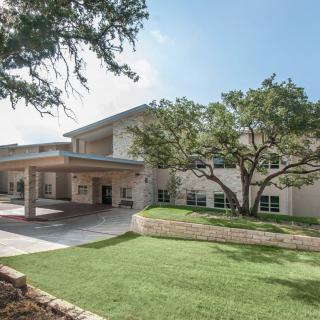

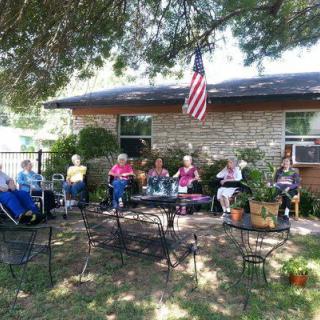
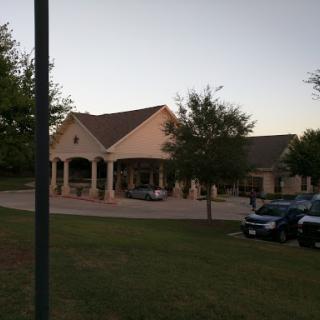
 Skilled Nursing Facility
 Austin-Bergstrom International (25 miles away)
 Comprehensive care with 24/7 supervision and ample amenities (dining, fitness, salon, library, transportation, activities).



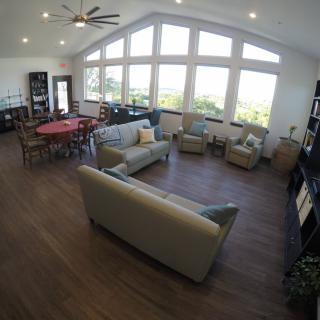

 Skilled Nursing Facilities vs. Nursing Homes: Making Sense of the Differences
 A Detailed Examination of Nursing Home Costs Across the U.S.
 Exploring Nonmedical Home Care: Understanding Services, Costs, and Financial Approaches