Mentis Neuro Health

3035 Highway 290 W, Dripping Springs, TX 78620

For more information about senior living options: (844) 490-3973

3.4 from 5 reviews
5 stars
3
4 stars
0
3 stars
0
2 stars
0
1 stars
2

Assisted Living Board and Care Home Respite Care

What level of care are you interested in?

Assisted Living

Memory Care

Independent Living

Skilled Nursing Facility

Continuing Care Retirement Community (CCRC)CCRC

Other


Request a tour at Mentis Neuro Health

    Overall Review of Mentis Neuro Health

    Pros

    • pro The daughter made significant progress at NeuroRestorative.
    • pro The team's efforts helped her achieve substantial progress.
    • pro Case manager Sarah Olfers is wonderful, answers questions promptly, and helps solve issues, with excellent communication that eases caregivers' worries.
    • pro The staff treated the patient well during the bike accident.
    • pro The company is fortunate to have her on the NeuroRestorative team.

    Cons

    • pro The facility is awful.
    • pro There were several cases of patients being dumped in the hospital once funding ran out.
    • pro There is no plan in place for patients to continue their care.
    • pro The DON and administrator do not take any responsibility.
    • pro The reviewer would not recommend the facility.

    Review

    A family navigating the aftermath of a serious car accident found a path to meaningful progress through NeuroRestorative, following a stay at St. David's inpatient rehab. The daughter's journey over nearly two months at NeuroRestorative brought visible improvements and a sense of relief to her family. After the initial turmoil of the accident, the program proved to be a source of tangible gains, and the gratitude from the family was clear: the care team's efforts helped her regain function, confidence, and momentum at a pivotal time in her recovery. The overall tone of the experience was one of appreciation for progress and a genuine thank you to the staff who guided her through a challenging rehabilitation phase.

    Among the members of the team, one individual stood out for the family: the case manager, Sarah Olfers. She was described as wonderful, consistently available, and remarkably prompt in answering questions. The family emphasized that she not only provided information but also facilitated solutions to problems as they arose. Her communication was highlighted as a decisive factor in easing the family's worries during the course of her daughter's care. The sentiment was that NeuroRestorative is fortunate to have someone like her on staff, someone who combined attentiveness with clear, effective communication to support families in navigating complex care needs.

    Yet, alongside the praise for the direct care and the specific staff member who made a difference, the reviews also revealed significant concerns about the facility's practices and long-term planning. One reviewer labeled the facility as awful, with specific accusations of patients being dumped in the hospital once funding ran out. The critique asserted that there was no plan in place to ensure ongoing care after funding issues, suggesting systemic gaps in continuity of care. The reviewer also claimed that the director of nursing (DON) and the administrator failed to assume responsibility for these situations, painting a picture of leadership that did not address critical accountability concerns. These passages convey a deep frustration with what was perceived as a lack of foresight and responsibility in handling the transition from funded care to the next steps.

    In contrast to the harsh critique, another voice among the reviews reflected a more positive personal experience within the same setting. The reviewer who wrote, "I was there when I was in bike accident they were good to me," indicated that the facility provided solid, commendable care in another context. This brief but positive note suggests that experiences can vary depending on the situation, the staff involved, and perhaps the specific needs of the patient or visitor. It underscores the complexity of evaluating a care facility, where strong, compassionate care can coexist with operational or systemic concerns that merit attention and improvement.

    Taken together, the reviews present a nuanced portrait of NeuroRestorative. On one hand, there is clear appreciation for progress made during the daughter's rehabilitation and for the personal qualities and responsiveness of exemplary staff, especially Sarah Olfers. The family's gratitude reflects the meaningful impact that dedicated case management and direct care can have on recovery trajectories, emotional well-being, and the practical navigation of complex care systems. On the other hand, there are serious criticisms about how the facility handles discharge planning and ongoing care when funding ends, including perceived gaps in responsibility at the leadership level. These concerns point to potential systemic issues that could affect the long-term well-being of patients who rely on such programs for sustained support.

    The juxtaposition of these perspectives highlights an important takeaway about rehabilitation services. The human element - caring, responsive staff who communicate well and advocate on behalf of patients - can make a profound difference in recovery, even in the face of other organizational challenges. Individuals like Sarah Olfers seem to embody the proactive, compassionate approach that families hope for and remember fondly. Yet, credible concerns about discharge processes and continuity of care remind readers that effective rehabilitation depends not only on individual caregivers but also on robust program planning, accountability, and sustainable strategies for post-funding care.

    In sharing these reflections, the message that emerges is one of gratitude tempered by caution. The daughter's progress and the supportive presence of a standout case manager provide a hopeful narrative about what well-structured rehabilitation can achieve. At the same time, the criticisms about how funding transitions are managed and how ongoing care is planned signal a need for ongoing improvement at the organizational level. For families considering NeuroRestorative, this mixed picture suggests the importance of asking explicit questions about discharge planning, funding contingencies, and the availability of follow-up supports, while also recognizing and valuing the dedicated professionals who can make a real difference in a patient's recovery journey.

    Features

    Housing

    • 16 resident community capacity 16 resident community capacity

    Types of Care

    • Assisted Living Assisted LivingAssisted living facilities provide crucial support and care for seniors who may need help with daily tasks such as medication management, bathing, and meal preparation. These communities offer a safe and comfortable environment where seniors can maintain their independence while receiving the assistance they need to thrive in their golden years.
    • Board and Care Home Board and Care HomeBoard and care homes provide a smaller, more intimate setting for seniors who require assistance with daily tasks but do not need the level of care offered by a nursing home. They offer personalized care, meals, and social activities in a homelike environment, ensuring that seniors receive individualized attention and support in their golden years.
    • Respite Care Respite CareRespite care provides temporary relief for caregivers, allowing them to recharge and attend to their own needs. It also gives seniors the opportunity to socialize, receive professional care, and experience a change of scenery, promoting overall well-being and reducing feelings of isolation.

    Amenities

    • Cable or satellite TV Cable or satellite TVCable or satellite TV is important for seniors because it provides entertainment, news, and companionship, helping to combat loneliness and boredom. It also offers a wide range of programming options tailored to different interests and preferences.
    • Dining room Dining roomDining rooms are important for seniors as they provide a space for socialization, connection, and nutritious meals. They offer opportunities for residents to bond over shared meals, foster a sense of community, and promote healthy eating habits. Dining rooms also ensure that seniors have access to well-balanced meals tailored to their dietary needs and preferences.
    • Fully furnished Fully furnishedFully furnished senior living communities are important for seniors because they provide convenience, comfort, and a hassle-free moving experience. Seniors can easily settle into their new living space without the stress of having to buy and move furniture. This allows them to focus on enjoying their new home and community.
    • Garden GardenGardens are important for seniors as they provide a peaceful and therapeutic environment for relaxation, physical activity, and socialization. Being in nature has been shown to reduce stress, improve mood, and promote overall well-being. Gardens also offer opportunities for seniors to engage in gardening activities, which can improve mobility, flexibility, and cognitive function. Additionally, gardens create a sense of community and connection with others who share a passion for plants and outdoor spaces.
    • Housekeeping services Housekeeping servicesHousekeeping services are important for seniors because they help maintain a clean and safe living environment, promote independence, and reduce the risk of accidents or illnesses. Additionally, having assistance with household chores can alleviate physical strain and allow seniors to focus on other aspects of their well-being.
    • Move-in coordination Move-in coordinationMove-in coordination is important for seniors because it helps ease the transition into their new living environment. It ensures that all logistics, such as packing, organizing movers, and setting up utilities are taken care of, allowing seniors to focus on settling in and adjusting to their new home. Having a smooth move-in process can alleviate stress and anxiety, making the transition smoother and more enjoyable for seniors.
    • Outdoor space Outdoor spaceOutdoor spaces are important for seniors as they provide opportunities for physical activity, social interaction, exposure to natural light and fresh air, and a sense of connection to nature. Having access to outdoor spaces can improve overall well-being and quality of life for older adults living in senior communities.
    • Telephone TelephoneTelephones are important for seniors as they provide a lifeline for communication with loved ones, emergency services, and healthcare providers. They offer a sense of security and independence, enabling seniors to stay connected and access assistance when needed.
    • Wi-Fi/high-speed internet available Wi-Fi/high-speed internet availableWi-Fi/high-speed internet is important for seniors to stay connected with loved ones, access online resources, and participate in virtual activities to combat feelings of loneliness and isolation. It also allows them to easily manage healthcare needs, access entertainment, and engage in lifelong learning opportunities.

    Transportation

    • Austin-Bergstrom International (25 miles away) Austin-Bergstrom International (25 miles away)

    Care Services

    • 24-hour supervision 24-hour supervision24-hour supervision is important for seniors to ensure their safety, well-being, and access to immediate assistance in case of emergencies or health issues. This constant support provides peace of mind for both seniors and their loved ones, allowing them to age in place with dignity and security.
    • Activities of daily living assistance Activities of daily living assistanceActivities of daily living assistance are important for seniors because they provide essential support with tasks such as eating, bathing, dressing, and mobility. This assistance helps seniors maintain their independence, dignity, and overall quality of life as they age.
    • Assistance with bathing Assistance with bathingAssistance with bathing is crucial for seniors as it helps maintain personal hygiene, prevents infections, and ensures their overall well-being and comfort. It also provides a sense of dignity and independence for seniors who may struggle with this task on their own.
    • Assistance with dressing Assistance with dressingAssistance with dressing is important for seniors because it helps maintain their independence, promotes personal hygiene, prevents accidents and injuries, and improves overall quality of life. This service ensures that seniors can continue to dress comfortably and confidently, despite any physical limitations they may have.
    • Assistance with transfers Assistance with transfersAssistance with transfers is crucial for seniors as it helps prevent falls and injuries, maintains their independence, and ensures they can safely navigate their living environment. It also provides peace of mind for both seniors and their loved ones.
    • Coordination with health care providers Coordination with health care providersCoordination with health care providers is crucial for seniors to ensure proper medical care, medication management, and overall well-being. This collaboration helps prevent overlapping treatments, track progress more effectively, and provide comprehensive support tailored to individual needs.
    • Diabetes diet Diabetes dietA diabetes diet is crucial for seniors as it helps manage blood sugar levels, reduce risks of complications, and improve overall health and well-being. By following a balanced and nutritious diet tailored to their specific needs, seniors can better control their diabetes and enhance their quality of life.
    • Meal preparation and service Meal preparation and serviceMeal preparation and service are crucial for seniors as they may have limited mobility or energy to cook nutritious meals. Having access to healthy and convenient food options can ensure they are getting the proper nutrition needed to maintain their overall health and well-being.
    • Medication management Medication managementMedication management is crucial for seniors to ensure they are taking the right medications at the correct dosages and times. This helps prevent adverse drug interactions, reduces the risk of medication errors, and promotes overall health and well-being. Proactive management also allows for adjustments as needed based on changing health conditions or new prescriptions.
    • Special dietary restrictions Special dietary restrictionsSpecial dietary restrictions are important for seniors because age-related changes in metabolism and health conditions can make it difficult for their bodies to process certain foods. By following a diet tailored to their specific needs, seniors can maintain their overall health and well-being, manage chronic conditions, and reduce the risk of complications such as malnutrition or food interactions with medications.
    • Transportation arrangement (medical) Transportation arrangement (medical)Transportation arrangements for medical purposes are essential for seniors as they may have difficulty driving themselves to appointments or accessing public transportation. Having reliable and safe transportation options ensures that seniors can receive timely medical care and maintain their health and well-being.
    • Transportation to doctors appointments Transportation to doctors appointmentsTransportation to doctors' appointments is crucial for seniors as it ensures they have access to necessary medical care and support for their health needs. Without reliable transportation, seniors may struggle to attend important appointments, leading to potential delays in treatment and health complications. Providing transportation services helps seniors maintain their overall well-being and quality of life.

    Dining

    • Diabetes diet Diabetes dietA diabetes diet is crucial for seniors as it helps manage blood sugar levels, reduce risks of complications, and improve overall health and well-being. By following a balanced and nutritious diet tailored to their specific needs, seniors can better control their diabetes and enhance their quality of life.
    • Special dietary restrictions Special dietary restrictionsSpecial dietary restrictions are important for seniors because age-related changes in metabolism and health conditions can make it difficult for their bodies to process certain foods. By following a diet tailored to their specific needs, seniors can maintain their overall health and well-being, manage chronic conditions, and reduce the risk of complications such as malnutrition or food interactions with medications.

    Activities

    • Community-sponsored activities Community-sponsored activitiesCommunity-sponsored activities are important for seniors as they provide opportunities for social interaction, mental stimulation, and physical activity. These activities can help improve overall well-being, combat loneliness and isolation, and promote a sense of belonging and purpose among older adults.
    • Scheduled daily activities Scheduled daily activitiesScheduled daily activities are important for seniors because they provide structure, socialization, mental stimulation, and physical activity. Engaging in regular activities can improve overall well-being and quality of life for seniors living in a community setting.

    Description

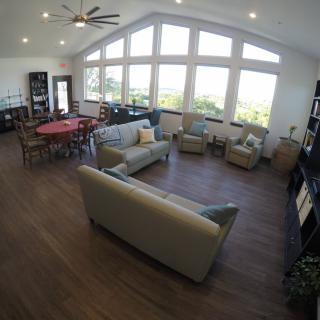
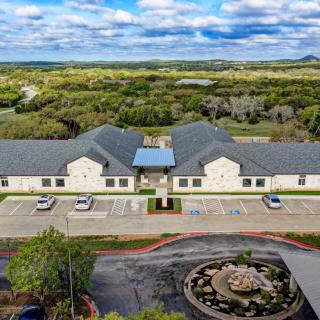
    Mentis Neuro Health in Dripping Springs, TX is an assisted living community that offers a range of care services for individuals in need of board and care home or respite care. The community provides a comfortable and homelike environment, with fully furnished accommodations and housekeeping services to ensure a hassle-free living experience.

    Residents can enjoy the beautiful outdoor spaces and garden, providing a serene and peaceful atmosphere. The community also offers amenities such as dining room facilities, telephone services, and Wi-Fi/high-speed internet access to cater to residents' needs.

    The dedicated staff at Mentis Neuro Health is trained to provide assistance with activities of daily living, including bathing, dressing, and transfers. They also coordinate with health care providers to ensure residents receive the necessary medical attention. The community accommodates special dietary restrictions such as diabetes diets and prepares meals accordingly. Medication management is also provided to ensure residents' health and well-being.

    Transportation arrangements for medical purposes as well as doctor's appointments are available for convenience. Additionally, Mentis Neuro Health is conveniently located near cafes, parks, pharmacies, physicians' offices, restaurants, and places of worship.

    Residents can participate in scheduled daily activities to stay engaged and socially connected within the community. Whether individuals require long-term care or temporary respite care, Mentis Neuro Health strives to provide exceptional support and a comfortable living environment for its residents.

    Nearby Places of Interest

    Cafes

    • Starbucks (0.1 miles)
    • Mazama Coffee (0.3 miles)
    • Hays City Store (11.4 miles)
    • Summer Moon Coffee (13 miles)
    • Starbucks (13 miles)
    • Black Rock Coffee Bar (13.7 miles)

    Pharmacies

    • Walgreens (0.1 miles)
    • Martin's Wellness Dripping Springs Pharmacy (0.2 miles)
    • CVS Pharmacy (5.3 miles)
    • CVS Pharmacy (9.8 miles)
    • CVS Pharmacy (11.1 miles)
    • Walgreens (12.3 miles)
    • Walgreens (12.5 miles)

    Restaurants

    • Sonic Drive-In (0.2 miles)
    • Homespun Kitchen and Bar (0.2 miles)
    • McDonald's (0.2 miles)
    • Acopon Brewing Company (0.2 miles)
    • Thundercloud Sub (0.3 miles)
    • Whataburger (0.4 miles)
    • Sidecar Tasting Room (0.5 miles)

    Physicians

    • Premier Family Physicians (0.2 miles)
    • Sharman Family Clinic (0.2 miles)
    • Dripping Springs Family Clinic (0.2 miles)
    • The Tiger Clinic (0.6 miles)
    • Texas Heart & Vascular- Dripping Springs (0.7 miles)
    • Wellspring Family Medicine (0.8 miles)
    • Hill Country Allergy and Asthma (0.8 miles)

    Places of Worship

    • St Martin De Porres Church (1.2 miles)
    • General Conference Of Seventh-Day Adventists (3.1 miles)
    • Bannockburn Baptist Church (3.3 miles)
    • Emmaus Catholic Church (12.9 miles)

    Parks

    • Charro Ranch Park (2.2 miles)
    • Hamilton Pool Preserve (10.8 miles)
    • Windmill Run Park (12.1 miles)
    • Pedernales Falls State Park (13.1 miles)
    • Blue Hole Regional Park (13.1 miles)

    Theaters

    • Sky Cinemas (6.7 miles)
    • Alamo Drafthouse Cinema (13 miles)

    Frequently Asked Questions

    Where is Mentis Neuro Health?

    Nearby Communities

    Related Resources

    • independent living vs assisted livingExploring the Path to Senior Living: A Comprehensive Look at Independent Living and Assisted Living

      The article examines senior housing options, detailing the distinctions between independent living and assisted living, along with the emerging "independent assisted living" model that blends both approaches. It highlights the importance of assessing individual needs, preferences, and financial factors in making informed decisions about suitable living arrangements for seniors.

    • is assisted living tax deductibleIs Assisted Living Deductible on Your Taxes? Understanding the Complexities of Assisted Living Expenses and Deductions

      The deductibility of assisted living expenses on taxes hinges on factors like the individual's medical condition and service nature, typically requiring the resident to be "chronically ill" per IRS definitions. Taxpayers may deduct eligible medical expenses related to personal care services but generally not rent unless primarily for medical care, and they should maintain thorough documentation to support claims while considering itemizing versus standard deductions.

    • va benefits for assisted livingAssisted Living Support for Veterans: A Complete and Detailed Overview

      The guide highlights the importance of assisted living facilities for aging veterans needing daily support, discusses unique challenges they face, and outlines available financial assistance from the VA, including the Aid and Attendance program. It emphasizes understanding eligibility criteria and navigating the VA system to access necessary benefits effectively.


    Get Pricing Ask A Question Schedule A Tour Contact Senior Advisor