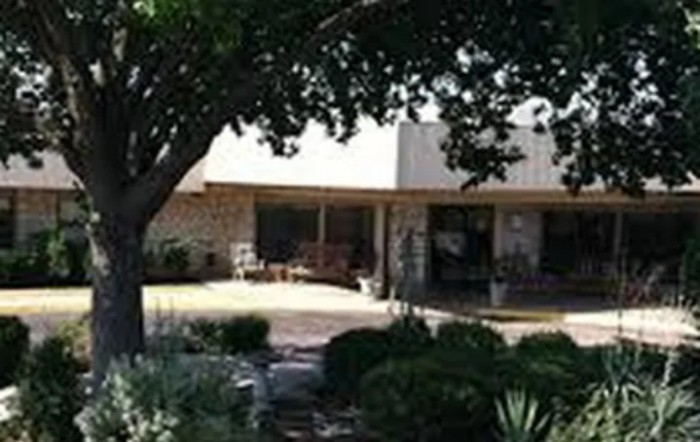


1505 West Highway 290, Dripping Springs, TX 78620
For more information about senior living options: (866) 208-4318
Overall Review of Hill Country Nursing And Rehab
Pros
 The staff are caring, attentive, and professional.
 - The facility provides top-notch care and a supportive, comforting environment.
- The team is excellent to work with and highly recommended.
- The staff are patient, kind, and genuinely caring toward residents.
- The care is wonderful, with engaging activities and low turnover among the team.
- Meals are delicious and generous, and dining experiences are enjoyable.
- The facility encourages family involvement and shows compassion in its operations.
- Residents are well cared for and treated with respect, patience, and dignity.
- The caregivers are compassionate and professional, even in challenging times.
Cons
 The staff were good but needed training when dealing with family members.
- The facility wouldn’t refund the remainder of the month after a family member died mid-month, and the refunds were not issued quickly, taking almost two months.
- There is a shortage of staff everywhere.
- The reviewer described Seton Hospital as providing a very bad experience.
Review
Hill Country Nursing and Rehab in Dripping Springs is best suited for families seeking a warm, resident-centered environment where professional care is paired with tangible daily life engagement. The community earns its high marks from a track record of caring, skilled staff and remarkably low turnover, which translates into real relationships and consistent attention for every resident. It is especially strong for long-term care and post-acute rehab, where therapy disciplines, physical, speech, and occupational, are integrated into a practical daily routine. Families will find a home-like culture that emphasizes activities, meaningful interaction, and involvement from loved ones, creating a sense of community rather than a clinical stopover.
That said, alternatives are worth considering for certain priorities. Those who need highly specialized memory-care programming in a more modernized setting may prefer other options with a sharper focus on dementia-specific protocols and newer facilities. Additionally, there is at least one note about delays in handling billing changes, such as mid-month death-related refunds, which suggests that administrative processes can lag under the corporate umbrella. For families where airtight financial transparency and prompt refunds are nonnegotiable, it’s prudent to verify exact timelines and escalation steps before committing.
The strongest financials of Hill Country lie in the people who staff and run the place. Reviewers repeatedly point to staff who are attentive, patient, and capable, with multiple accounts of caregivers and therapy teams delivering above-average care. The rehab program earns particular praise for producing tangible gains in a relatively short period, with residents returning home sooner than expected and families feeling relief at the pace and quality of progress. This is not a facility that merely checks boxes; it is a place where therapy is actively valued and residents’ function is visibly improved through coordinated disciplines.
Care goes beyond clinical metrics. Families consistently highlight the atmosphere as welcoming and uplifting, with engaging activities that exhaust even the most energetic residents in a healthy way. Social events, community meals, and even special touches, such as Thanksgiving dinners that involve residents and family members, underscore a culture that treats residents as full participants in daily life. The environment supports mobility and independence, with accessible common spaces, thoughtfully maintained facilities, and the flexibility to accommodate pets in a way that respects both resident needs and staff workload. The result is not only care, but a sense of belonging.
For decision-makers, several practical steps translate these strengths into a confident choice. First, request a long-range view of staffing ratios, the cadence of therapy sessions, and a week-by-week schedule for rehab if planning post-acute care. Second, probe the billing process: obtain a written policy on mid-stay changes, refunds, and how disputes are escalated. Third, visit at different times to observe interactions across shifts, noting how staff communicate with families and how residents respond to routine and activities. Fourth, ask to speak with the administrator or program director about any anticipated renovations, menu updates, or changes to donor-supported programs that could affect daily life. Finally, if a pet-friendly environment or strong family engagement is a priority, confirm the specifics of pet policies and resident-family activities to align expectations with reality.
Overall, Hill Country Nursing and Rehab stands out as a practical, compassionate choice for families prioritizing consistency, robust rehab, and a convivial, resident-focused culture. Its strongest appeal lies in the people, the skilled, caring staff and the steady rhythm of daily life that keeps residents engaged and families reassured. While administrative hiccups in refund timing and the realities of an older building warrant careful scrutiny, the overwhelmingly positive care experience, delightful meals, and meaningful activities make this community a compelling option for most seniors seeking long-term residence or post-acute recovery. For those who prize warmth, continuity, and a genuinely caring team, Hill Country remains a top-tier consideration.
 60 resident community capacity
 Skilled Nursing Facility
 Air-conditioning
 Beauty salon
 Cable or satellite TV
 Computer center
 Dining room
 Fitness room
 Fully furnished
 Gaming room
 Garden
 Housekeeping services
 Kitchenette
 Move-in coordination
 Outdoor space
 Private bathrooms
 Restaurant-style dining
 Small library
 Telephone
 Wellness center
 Wi-Fi/high-speed internet available
 Austin-Bergstrom International (25 miles away)
 Community operated transportation
 12-16 hour nursing
 24-hour call system
 Activities of daily living assistance
 Assistance with bathing
 Assistance with dressing
 Assistance with transfers
 Diabetes diet
 Medication management
 Mental wellness program
 Special dietary restrictions
 Concierge services
 Planned day trips






 Understanding the Nuances of Palliative Care and Hospice: A Comprehensive Exploration
 Fecal Incontinence in Older Adults: A Comprehensive Guide
 Nurturing Well-Being Through Gardening: A Detailed Guide for Senior Enthusiasts