For more information about senior living options: (866) 208-4318
3.9 from 87 reviews
5 stars
56
4 stars
7
3 stars
1
2 stars
6
1 stars
17
Overall Review of Sagebrook Health Center
caveat2 reviews mention this
Activities may be hit or miss
Some residents report limited activities and engagement, especially on weekends.
At least a couple of reviews describe a lack of meaningful programming, with residents appearing isolated and with little to do. One reviewer specifically points to weekends as quiet, saying there are no activities on weekends. At the same time, other reviews mention an activities director and engaging activities, so experiences vary by stay.
caveat2 reviews mention this
Cleanliness concerns show up in reviews
Multiple reviews raise serious cleanliness and hygiene concerns.
Some reviewers describe the facility as dirty, including accounts of insects and unclean rooms or bed areas. In those reviews, families also describe foul living conditions that made the visit distressing. Other reviewers report the facility was clean, but the negative accounts are strong enough to be a recurring worry.
common12 reviews mention this
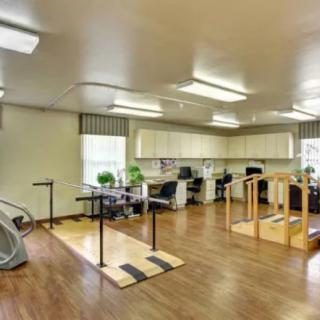
Therapy and rehab get strong support
Residents and families often praise therapy for helping with recovery.
A large share of reviews highlight physical therapy progress and call out specific therapy staff by name. Families describe improvements in mobility and recovery after injuries or surgery, and several mention rehabilitation going well. Even among mixed reviews, therapy teams are frequently singled out as better than other parts of the experience.
caveat6 reviews mention this
Nursing communication feels inconsistent
Communication and responsiveness around care details can be inconsistent.
Some reviews describe delays or breakdowns in follow-through, including concerns about medications, doctor coordination, and whether special care needs are handled properly. A few reviews also mention long waits or being ignored when questions were raised. Other reviews counter this by describing quick response times, regular updates, and staff keeping families informed, but the negative experiences show up often enough to matter.
How we summarize
Counts show how many written reviews mention each theme; a review can touch several themes, and only frequently mentioned themes are displayed.
Features
Types of Care
Skilled Nursing Facility
Amenities
Activities on-site
Devotional services off-site
Indoor common areas
Respite or short term stays offered
Wheelchair accessible showers
Transportation
Austin-Bergstrom International (24 miles away)
Care Services
Ambulatory care
Diabetic care
High acuity care
Dining
Meals provided
Activities
Activities on-site
Devotional activities offsite
Videos
Nearby Places of Interest
This part of Cedar Park, Texas offers a convenient and vibrant community for senior living. With several medical facilities nearby including Longhorn Imaging, Whitestone Pediatrics, and Cedar Park Regional Medical Center, residents have easy access to quality healthcare services. In addition, there are plenty of dining options such as BJ's Restaurant & Brewhouse and Jack Allen's Kitchen, as well as cafes like Starbucks and Red Horn Coffee House for socializing and enjoying meals. The area also has parks like Lakewood Park and Champion Park for outdoor recreation and relaxation. Public transportation is easily accessible with MetroRail stations nearby, providing convenience for seniors who may not drive. Places of worship such as St Vincent De Paul Catholic Church and Jehovah's Witnesses offer spiritual support and community engagement opportunities. Overall, this part of Cedar Park provides a well-rounded environment for seniors looking to enjoy their later years in a welcoming community.
Physicians
Longhorn Imaging (0.2 miles)
Aspire Allergy & Sinus (0.8 miles)
Whitestone Pediatrics (0.8 miles)
Oncology Group (1.9 miles)
Westlake Dermatology & Cosmetic Surgery - Cedar Park (2 miles)
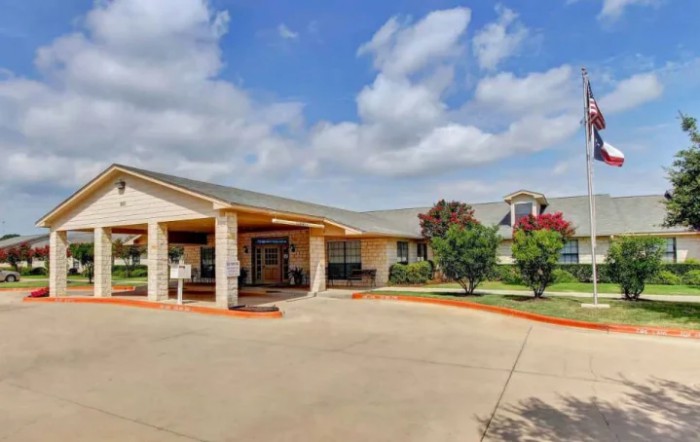
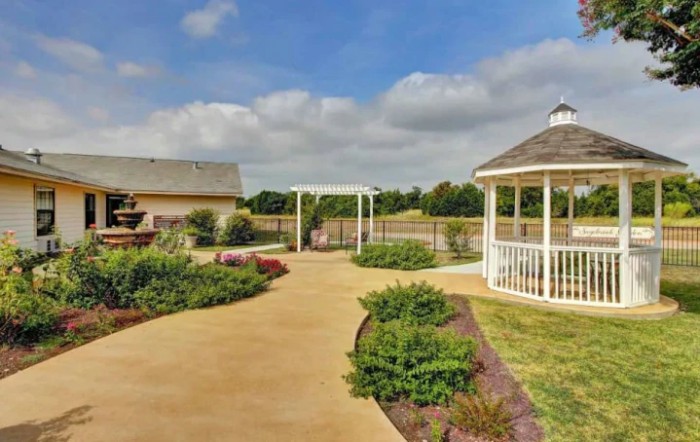
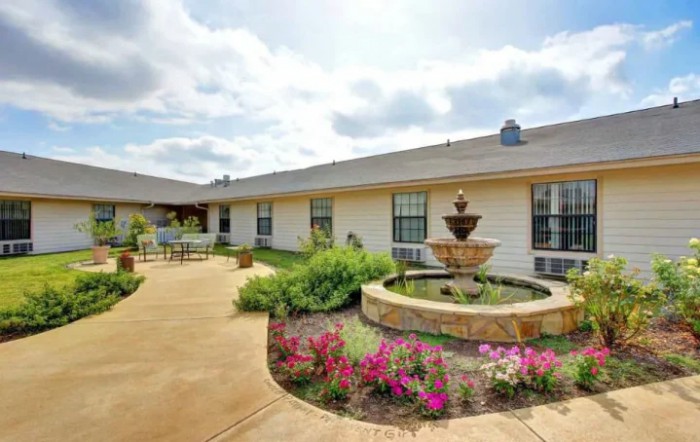
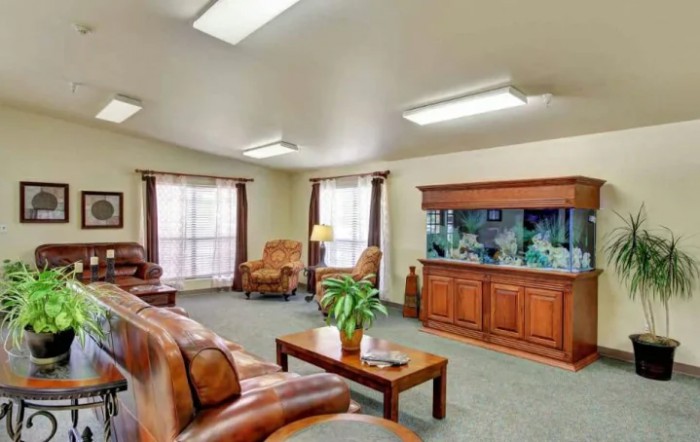
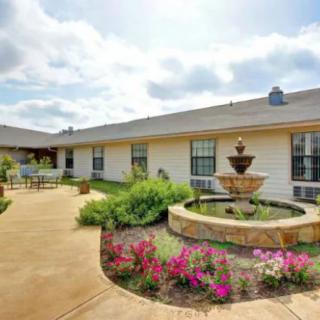
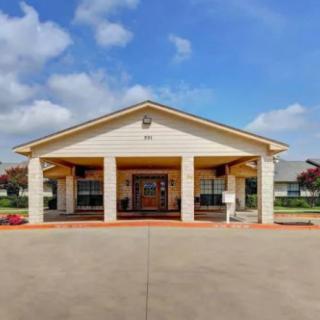
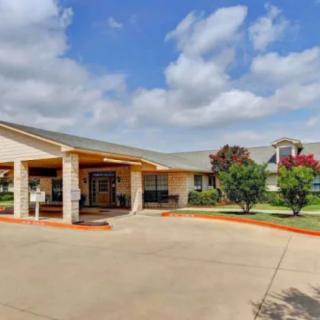
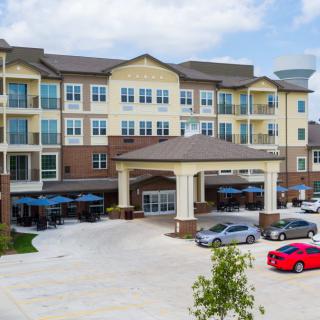
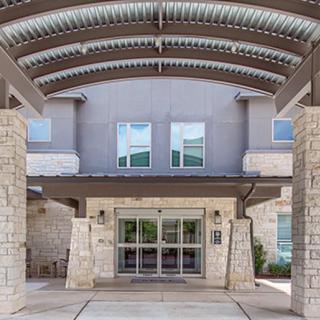
Sagebrook Health Center on seniors.fyi includes 7 photos including images showing building, landscaping, interior, entrance, garden, pathway, outdoor, fence, and more.
Nearby Communities
Sagebrook Sn Health Center
Cedar Park, TX
3.8 from 68 reviews
Fully furnished private apartments with private bathrooms, restaurant-style dining with dietary options, and 24/7 care.
Preferred Care at Home of Austin and Williamson County
Cedar Park, TX
4.3 from 29 reviews
Friendly, caring staff with flexible scheduling.
The Pointe At Cedar Park
Cedar Park, TX
4.4 from 83 reviews
$3,750 to $4,050 / month
Caring staff in a warm, close-knit community.
The Auberge at Cedar Park
Cedar Park, TX
4.4 from 136 reviews
$3,759 to $5,291 / month
Friendly staff, clean facilities, and a strong memory-care community.
Poet's Walk Cedar Park
Cedar Park, TX
4 from 66 reviews
$5,000 to $5,600 / month
Engaging activities and compassionate staff in a garden-like, inviting environment.
Cedar Pointe Wellness And Health Center
Cedar Park, TX
4.4 from 60 reviews
Compassionate nursing staff in a clean, well-maintained facility.
Avalon Memory Care - Cedar Park
Cedar Park, TX
4.5 from 56 reviews
$4,875 to $6,475 / month
Personalized memory-care with compassionate staff in a home-like, engaging environment.
The Enclave at Cedar Park Senior Living
Cedar Park, TX
4.2 from 76 reviews
$2,155 to $3,960 / month
Friendly staff and residents; engaging activities; clean, inviting spaces.
Verena at Leander
Leander, TX
4.5 from 127 reviews
$3,100 to $4,020 / month
Caring staff with engaging activities and clean, well-maintained amenities.
Older adults with urinary tract infections (UTIs) often present atypical symptoms, complicating diagnosis due to factors like incomplete bladder emptying and chronic health conditions that increase their susceptibility. Effective management involves prompt treatment with antibiotics, hydration, and preventive strategies while minimizing antibiotic resistance and focusing on holistic care approaches.
California's Form 602A is a vital tool for evaluating the health needs of seniors seeking residential care, detailing their medical conditions and daily living requirements to ensure proper service alignment. This standardized form enhances communication among physicians, families, and facilities, serving as a regulatory measure for admissions and ongoing care while adapting to changing healthcare practices.
The overview of blood pressure management for seniors emphasizes the importance of monitoring and interpreting blood pressure readings, noting that normal ranges can vary due to age-related factors and individual health conditions. It highlights tailored guidelines for systolic and diastolic levels, the necessity of early detection and consistent management to prevent serious health complications, and advocates for personalized care strategies that incorporate lifestyle changes and medication adherence.
Exercise Equipment, Rehabilitation, Physical Therapy, and Therapy Room
Get PricingAsk A QuestionSchedule A TourContact Senior Advisor
By clicking submit, you agree to our Partner's Terms of Use. You
also consent to receive calls and texts, which may be autodialed, from our Partner. Your consent is not a condition to
using our Partner's service. Please visit our Partner's Privacy Policy for information about their privacy practices.





 Skilled Nursing Facility
 Activities on-site
 Devotional services off-site
 Indoor common areas
 Respite or short term stays offered
 Wheelchair accessible showers
 Austin-Bergstrom International (24 miles away)
 Ambulatory care
 Diabetic care
 High acuity care
 Meals provided
 Fully furnished private apartments with private bathrooms, restaurant-style dining with dietary options, and 24/7 care.





 Urinary Tract Infections in Older Adults: Comprehensive Insights on Symptoms, Treatment, and Prevention
 California's Form 602A: An In-Depth Examination of Senior Care Assessment
 Comprehensive Look at Senior Blood Pressure Charts: Normal and Elevated Levels by Age