The Auberge at Cedar Park offers competitive pricing for its residents, with monthly costs that reflect both the quality of care and the amenities provided. For a semi-private room, residents can expect to pay $3,759, which is notably lower than the average in Williamson County at $4,006, yet slightly above the state average of $3,680. For those seeking more privacy in a studio setting, The Auberge's rate of $5,291 stands out against local and state averages; it is higher than Williamson County's $3,979 and Texas's statewide average of $3,758. This pricing structure indicates a focus on quality service and environment while positioning itself strategically within the regional market.
Floor plans
The Auberge at Cedar Park
Williamson County
Texas
Semi-Private
$3,759
$4,006
$3,680
Studio
$5,291
$3,979
$3,758
Memory care communities with a similar price nearby
Residents and families consistently describe caregivers as patient, kind, and supportive.
Across many reviews, families say staff treat residents with patience and respect, and they show up in the details of day-to-day care. Multiple reviewers also mention prompt help, professional communication, and staff members going out of their way to support both residents and families. Even in more critical reviews, concerns are often framed around leadership and staffing levels rather than a lack of effort from every individual.
caveat6 reviews mention this
Memory care staffing gets questioned
Several residents and families raise concerns about staffing consistency, especially overnight or during weekends.
Some reviews describe inconsistent staffing and communication problems that affected resident care, including missed or delayed attention and challenges getting help at times. A few reviewers specifically call out overnight coverage and weekend staffing as areas that need improvement. Other reviews report improvements after leadership changes, but the staffing concerns still come up often enough to be a recurring theme.
common7 reviews mention this
Food quality is a mixed bag
Food draws both compliments and complaints from different families.
Several reviewers say meals improved over time and that they noticed better food quality, while others say the food was not particularly impressive or declined. A few families mention food as a comfort factor for residents who seem to enjoy meals, while another review says meals felt worse and less consistent than expected. Overall, dining seems important to families, but experiences vary by time period and household.
caveat5 reviews mention this
Communication changes with leadership
Families describe leadership communication as uneven across different time periods.
Some reviews praise the executive director’s responsiveness and say issues were addressed promptly. Others describe long stretches of not getting responses from leadership, with frustrations tied to management changes. Several reviewers also connect leadership turnover and administrative shifts to changes in care experience, including documentation and overall coordination.
differentiator2 reviews mention this
Camera access for peace of mind
Residents’ families mention using room cameras to check on their loved ones.
Two reviewers specifically mention being allowed to use a camera in the resident’s room as part of how they monitor care. One family credits the camera option with making the transition smoother, while another notes the ability to check timing of routine care at night. This theme stands out because it’s not presented as a general “feel” but as a concrete tool families relied on.
caveat3 reviews mention this
Prices trend above local benchmarks
Reviews and pricing expectations point to costs that feel high for many families.
Some families raise concerns about affordability and mention recurring price increases over time. A separate review also describes dissatisfaction with pricing expectations and difficulty getting clear charging details. At the same time, multiple reviewers still frame their experience as comparable to nearby options, but cost remains a clear caution in the feedback.
How we summarize
Counts show how many written reviews mention each theme; a review can touch several themes, and only frequently mentioned themes are displayed.
Features
Housing
90 resident community capacity
2-bedroom apartments
Studio apartments
Types of Care
Assisted Living
Memory Care
Amenities
Activities off-site
Activities on-site
Air-conditioning
Beautician on-site
Beauty salon
Cable or satellite TV
Cafe
Computer center
Devotional services off-site
Devotional services on-site
Dining room
Financing advice
Fitness room
Fully furnished
Gaming room
Garden
Garden view
Ground floor units
Guasts at mealtime
Guest parking
Handicap accessible
Home sale assistance
Housekeeping services
Indoor common areas
Kitchenette
Laundry
Move-in coordination
Outdoor common areas
Outdoor space
Party space
Private bathrooms
Respite or short term stays offered
Restaurant-style dining
Security gate
Small library
Spa
Telephone
VA Benefits Consultation
Wellness center
Wheelchair accessible showers
Wi-Fi/high-speed internet available
Transportation
Austin-Bergstrom International (24 miles away)
Community operated transportation
Transportation & parking
Transportation arrangement
Transportation arrangement (non-medical)
Care Services
12-16 hour nursing
24-hour call system
24-hour supervision
Activities of daily living assistance
Ambulatory care
Assistance with bathing
Assistance with dressing
Assistance with transfers
Coordination with health care providers
Dementia waiver
Diabetes diet
Diabetic care
Hospice care
Hospice waiver
Incontinence care
Meal preparation and service
Medication management
Mental wellness program
Mild cognitive impairment
Physical therapy
Special dietary restrictions
Specialized memory care programming
Transportation arrangement (medical)
Transportation to doctors appointments
Dining
Anytime dining
Diabetes diet
Gluten-free
Guest meals
Low / no sodium
Meals provided
No Sugar
Professional chef
Room service
Special dietary restrictions
Special dining programs
Vegan
Vegetarian
Activities
Activities off-site
Art classes
Arts and crafts
Book club
Catholic services
Community-sponsored activities
Concierge services
Cooking classes
Cooking club
Day trips and outings
Devotional activities on-site
Educational speakers / life long learning
Fitness programs
Games
Gardening club
Happy hour
Karaoke
Live musical performances
Live well programs
Other religious services
Planned day trips
Protestant services
Religious services
Resident-run activities
Scheduled daily activities
Stories
Tai Chi
Visiting chaplain or priest
Nearby Places of Interest
This part of Cedar Park, Texas, offers a convenient and diverse range of amenities for seniors looking to settle in the area. With various physicians' offices nearby, including allergy specialists, pediatricians, and oncologists, residents can easily access quality healthcare services. There are also plenty of dining options such as The Grove Wine Bar & Kitchen and Jack Allen's Kitchen, as well as cafes like Starbucks and Red Horn Coffee House for socializing or grabbing a quick bite. Nearby theaters like Cinemark Cedar Park provide entertainment options, while pharmacies like CVS and Walgreens ensure easy access to medications. Additionally, the proximity to parks like Lakewood Park and Champion Park offers opportunities to enjoy the outdoors and stay active. Overall, this area provides a well-rounded environment with essential services and recreational facilities for seniors looking to make Cedar Park their home.
Physicians
Aspire Allergy & Sinus (0.1 miles)
Whitestone Pediatrics (0.1 miles)
Longhorn Imaging (0.7 miles)
Retina Group of Texas (1.7 miles)
Oncology Group (1.7 miles)
Westlake Dermatology & Cosmetic Surgery - Cedar Park (2.6 miles)
The Auberge at Cedar Park offers competitive pricing for its residents, with monthly costs that reflect both the quality of care and the amenities provided. For a semi-private room, residents can expect to pay $3,759, which is notably lower than the average in Williamson County at $4,006, yet slightly above the state average of $3,680. For those seeking more privacy in a studio setting, The Auberge's rate of $5,291 stands out against local and state averages; it is higher than Williamson County's $3,979 and Texas's statewide average of $3,758. This pricing structure indicates a focus on quality service and environment while positioning itself strategically within the regional market.
The features offered at The Auberge at Cedar Park are specifically designed to cater to the unique needs of residents with dementia or Alzheimer's disease, enhancing their quality of life and fostering a sense of security. With 24-hour supervision, residents receive constant oversight, ensuring their safety and well-being while minimizing anxiety often associated with memory loss. Assistance with activities of daily living, including bathing and dressing, promotes dignity and comfort by allowing residents to maintain their independence as much as possible. Coordination with healthcare providers ensures that medical needs are met comprehensively, while medication management offers peace of mind regarding adherence to prescribed treatments. The specialized memory care programming is tailored to engage cognitive functions through meaningful activities, complemented by a mental wellness program that addresses emotional health. Additionally, transportation arrangements for medical appointments facilitate continuity of care, supporting both physical therapy and overall health maintenance. Incontinence care provides essential support for dignity in personal hygiene matters, while meal preparation and service ensure nutrition is managed thoughtfully, fostering both physical health and social interaction during shared dining experiences. These combined features create an environment that not only prioritizes the physical needs of residents but also nurtures their emotional well-being amidst the challenges posed by dementia-related conditions.
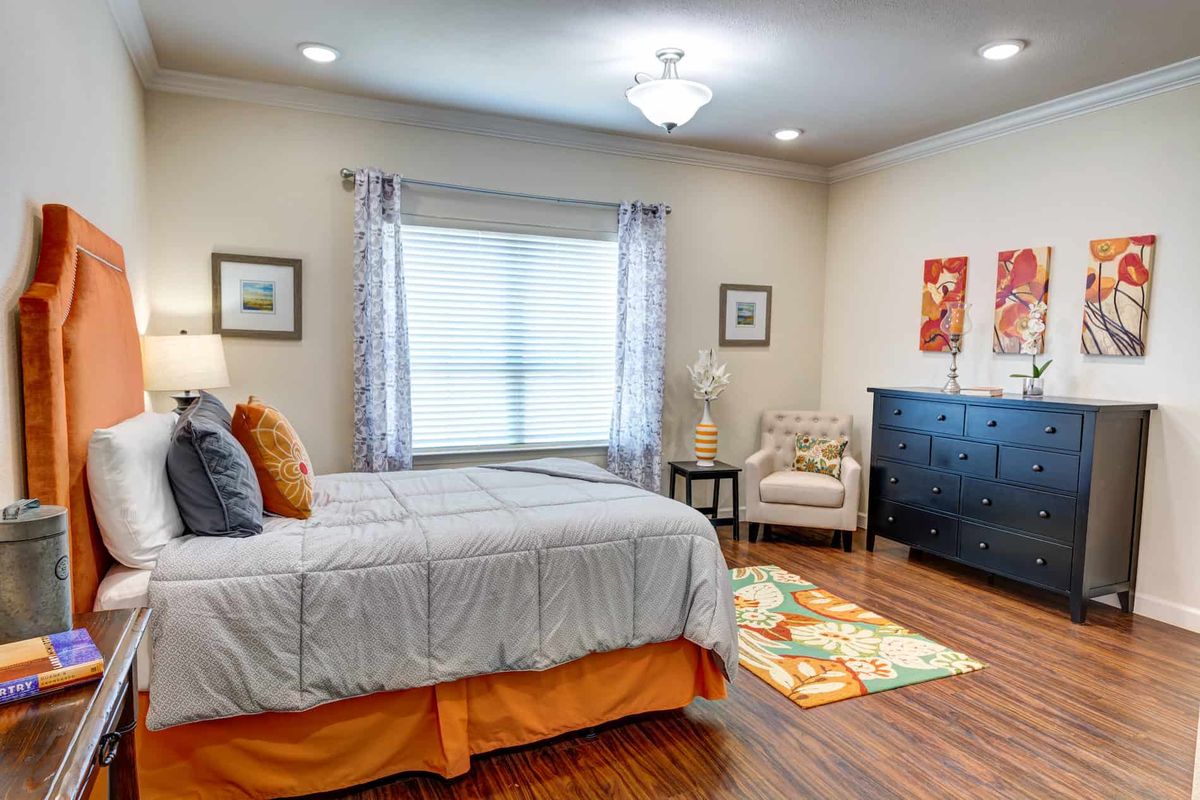
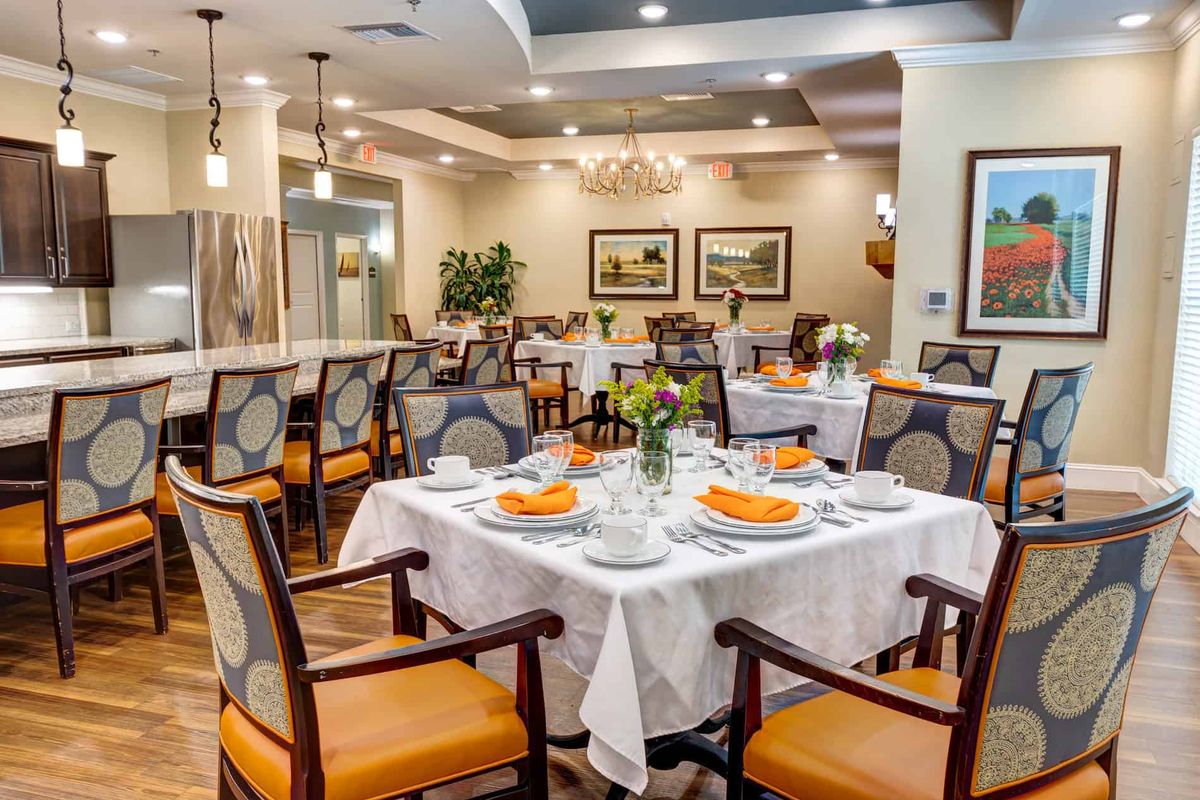
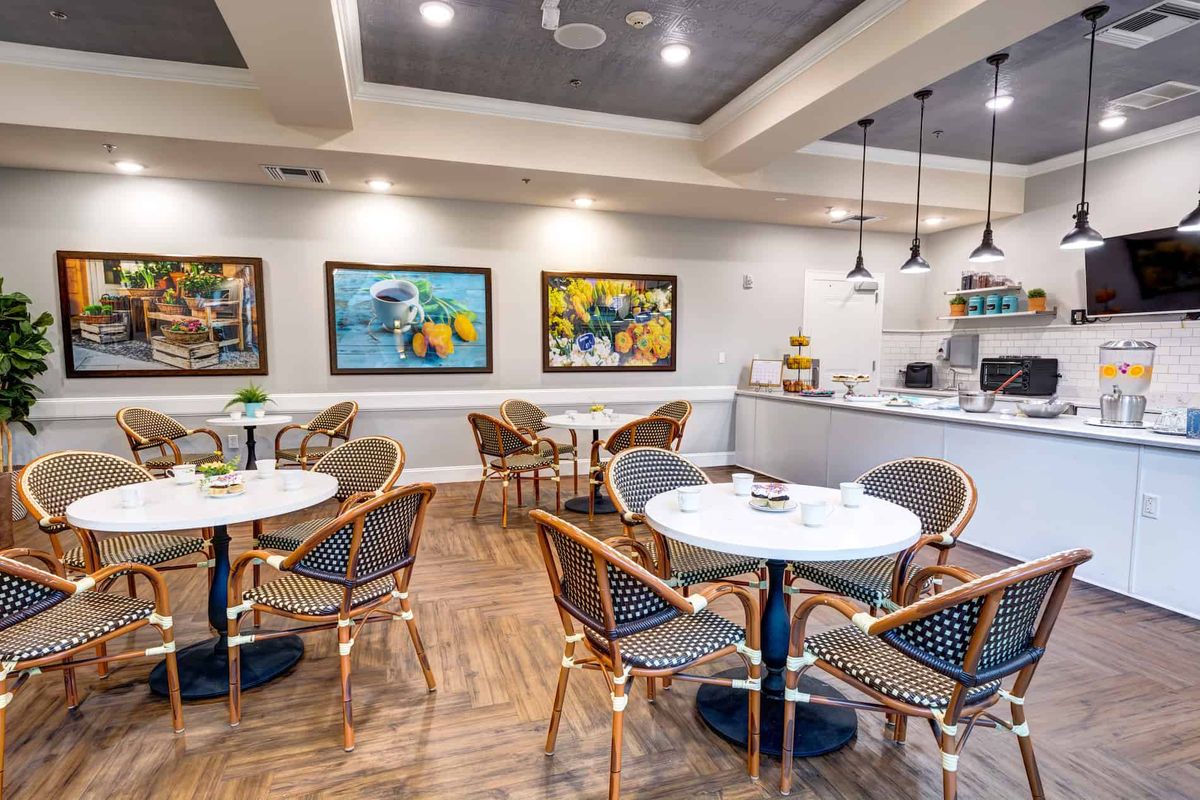
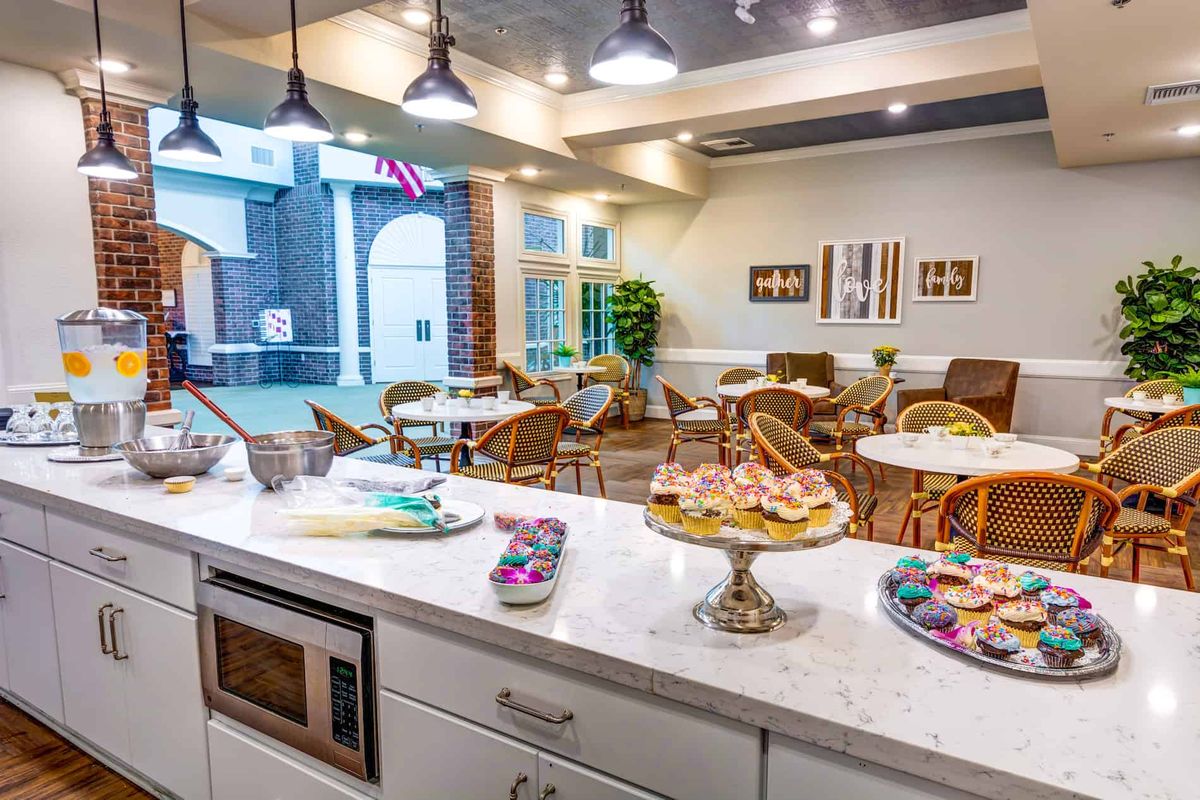
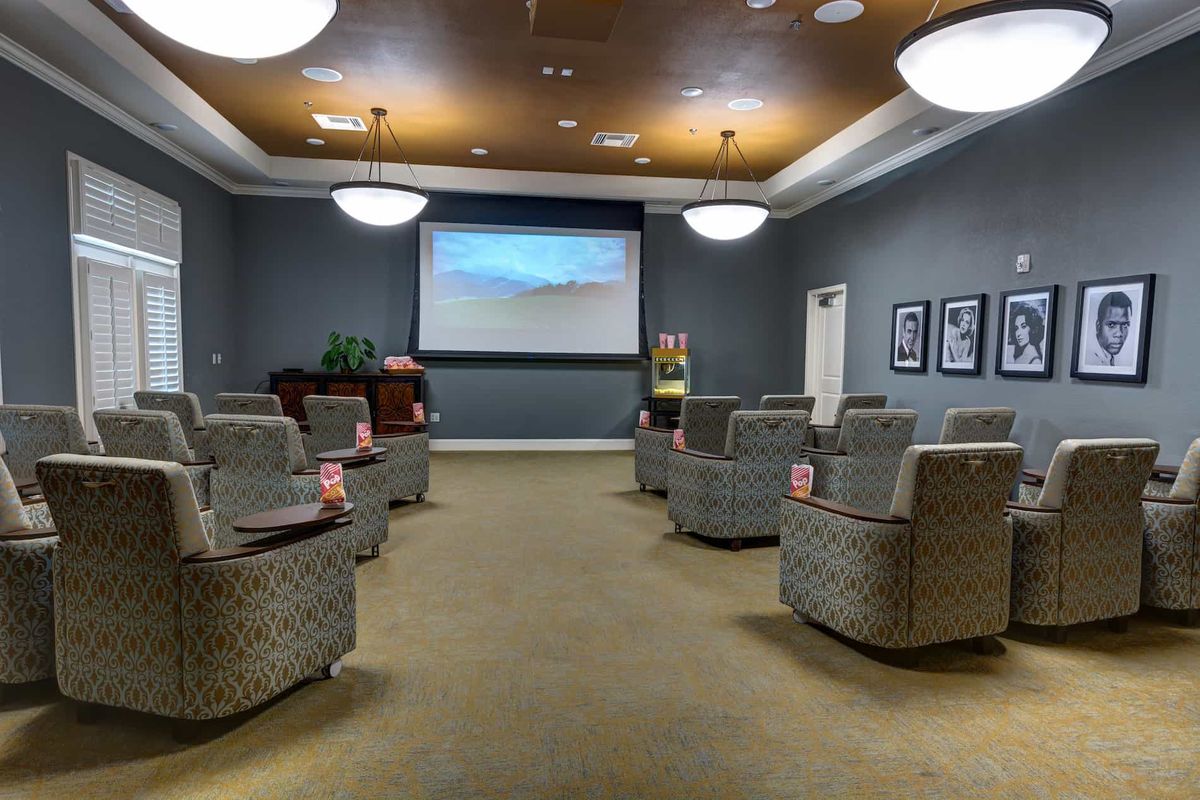
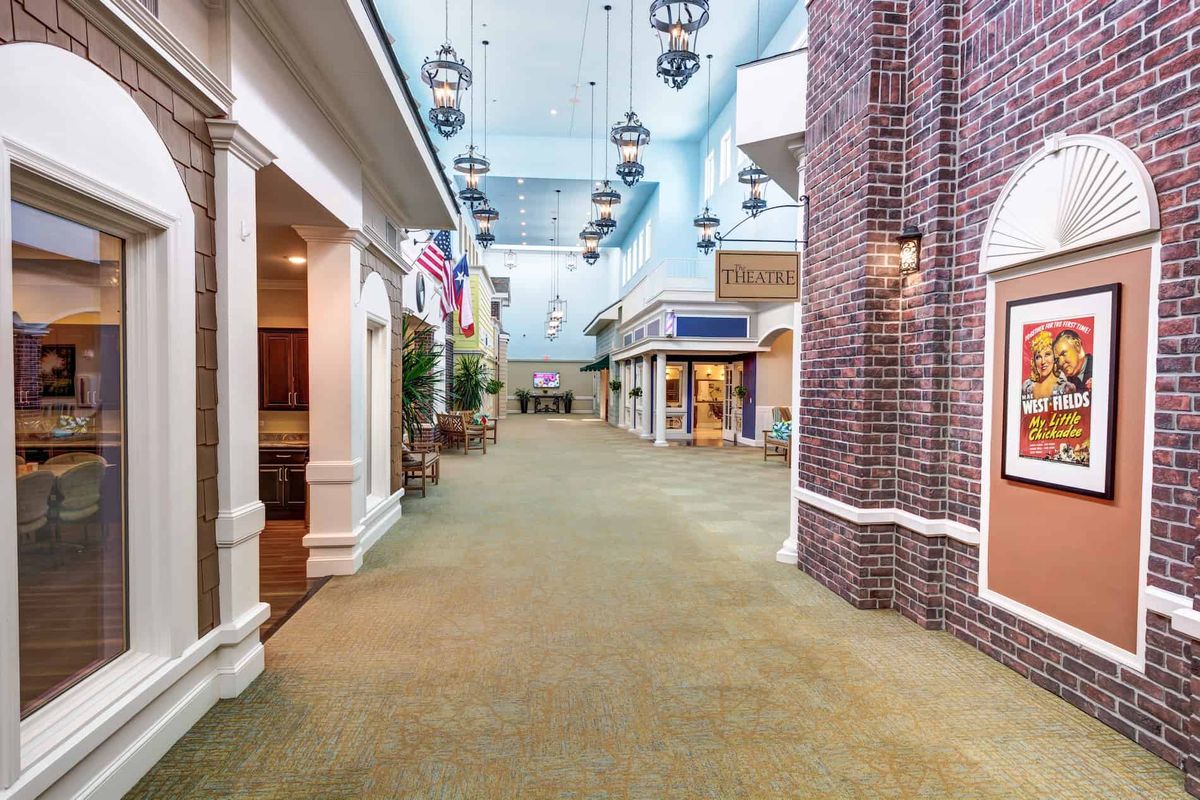
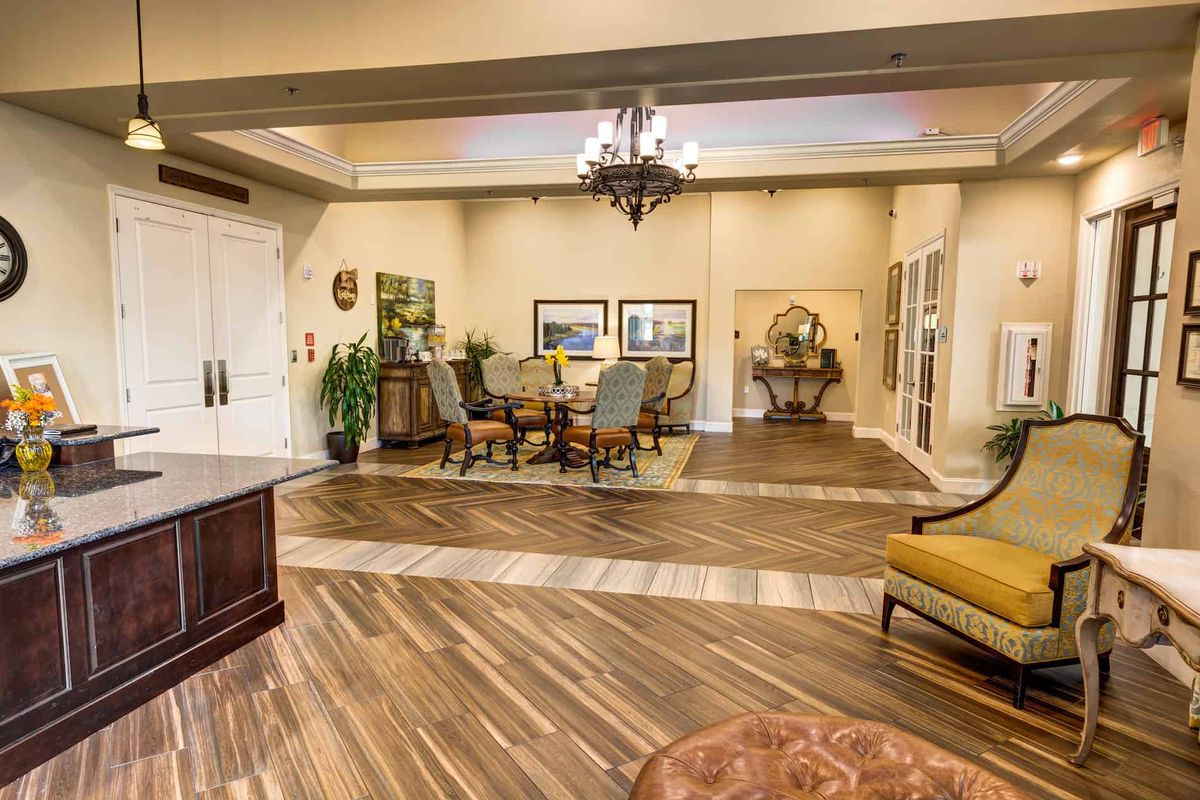
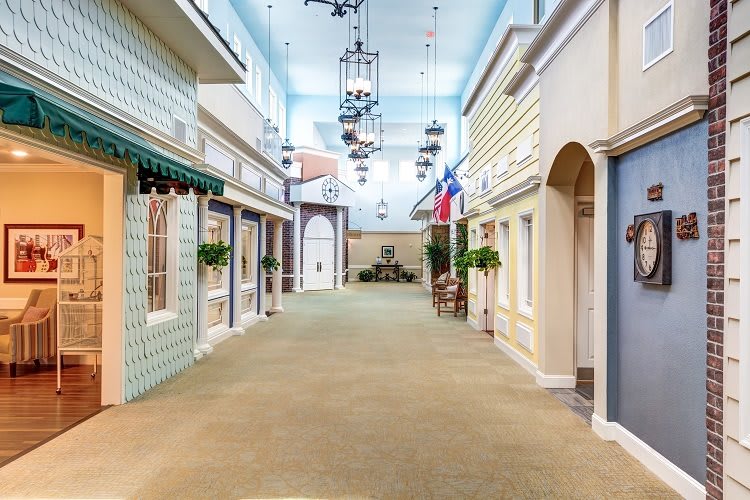
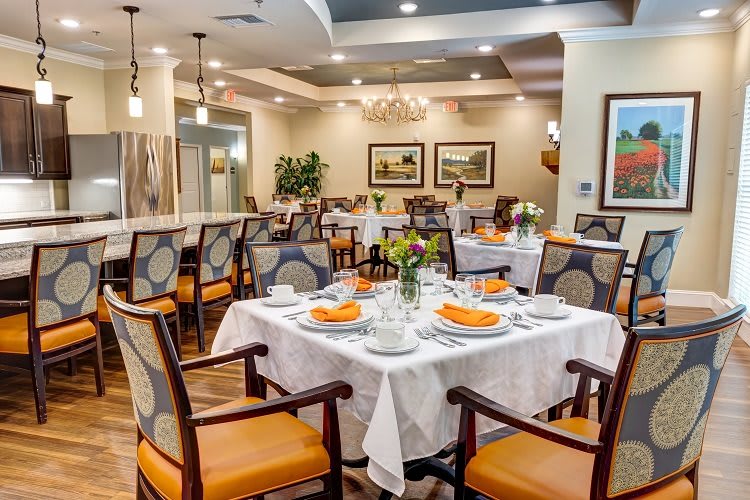
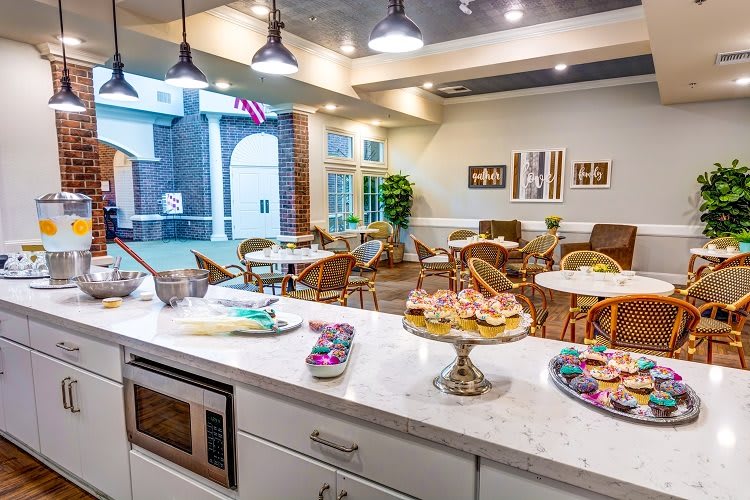
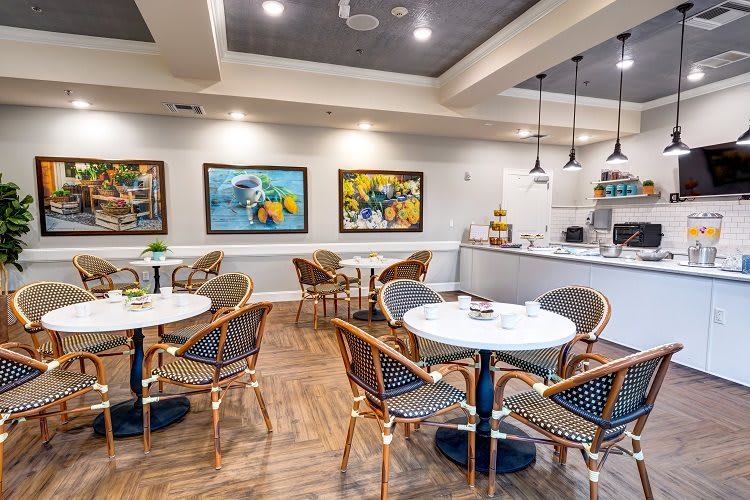
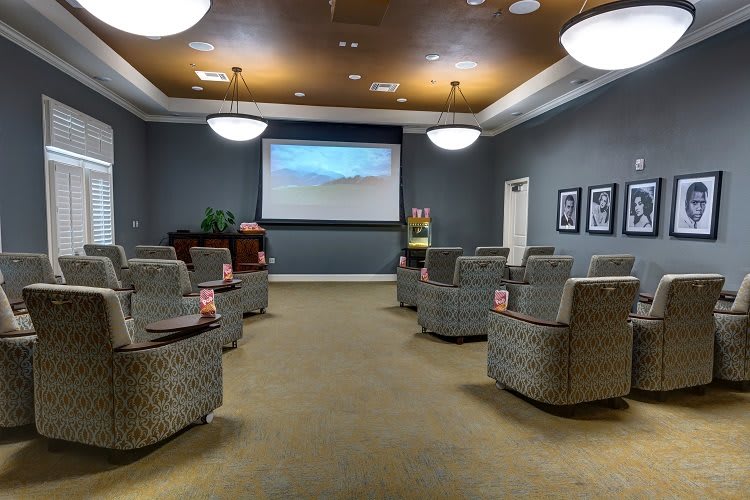
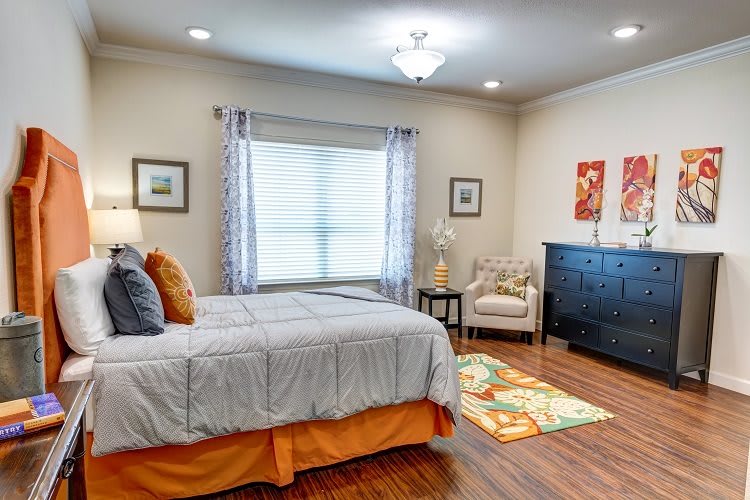
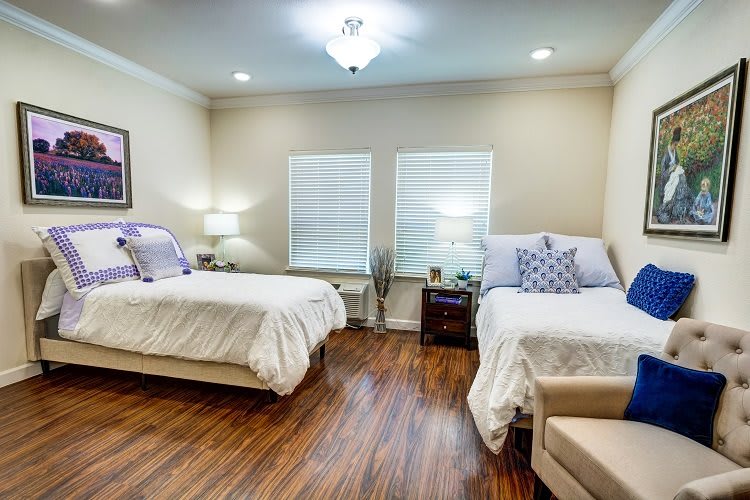
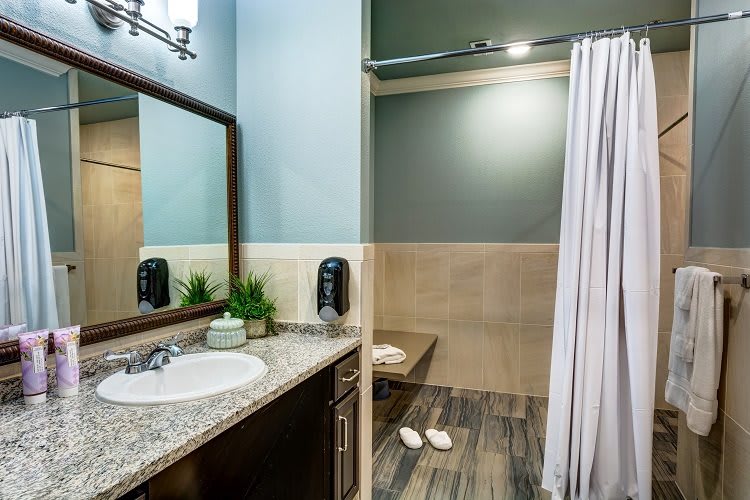
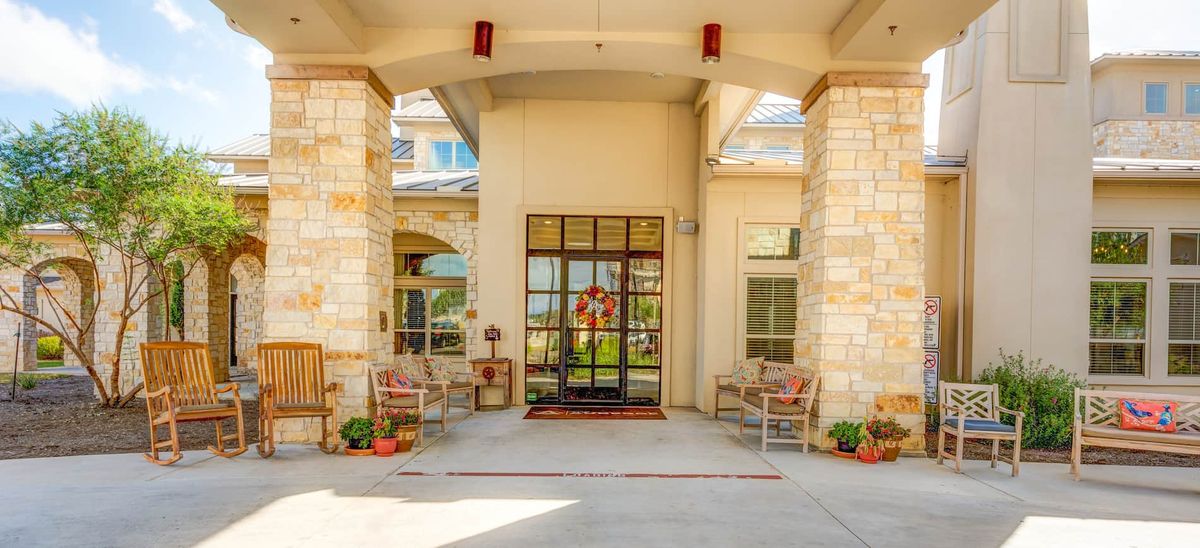
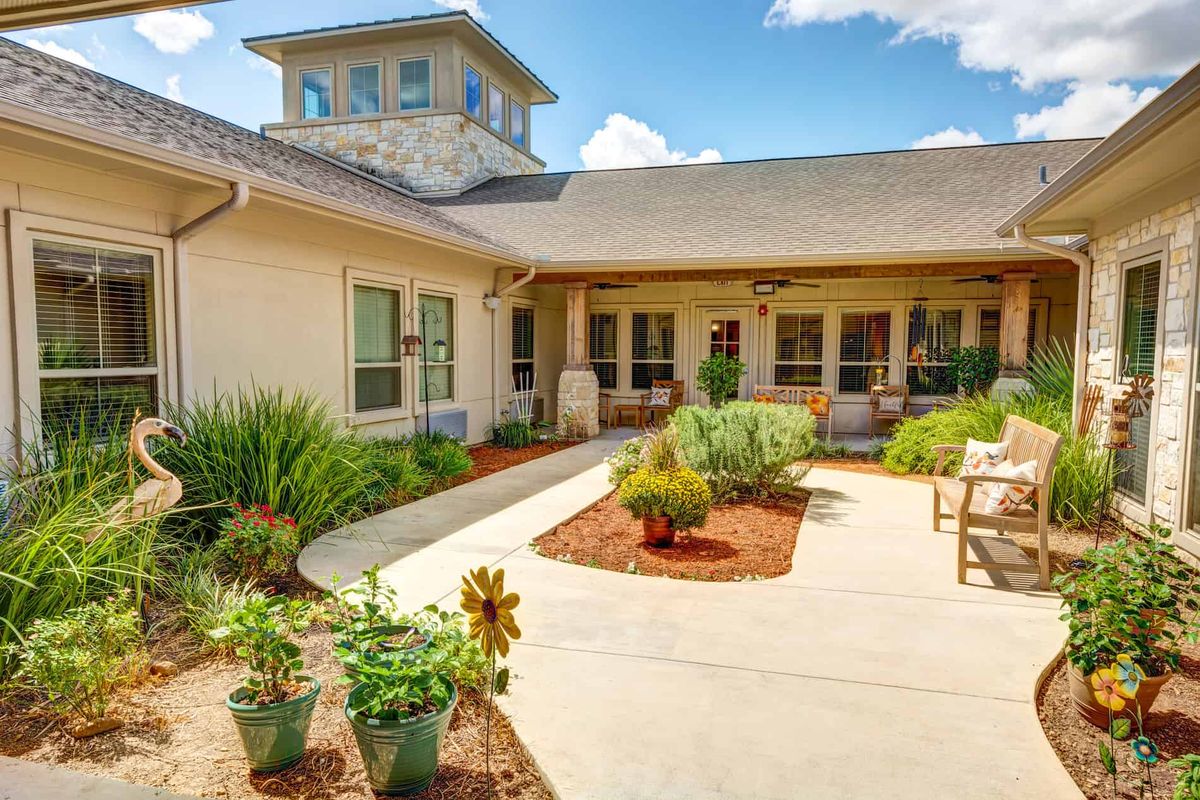
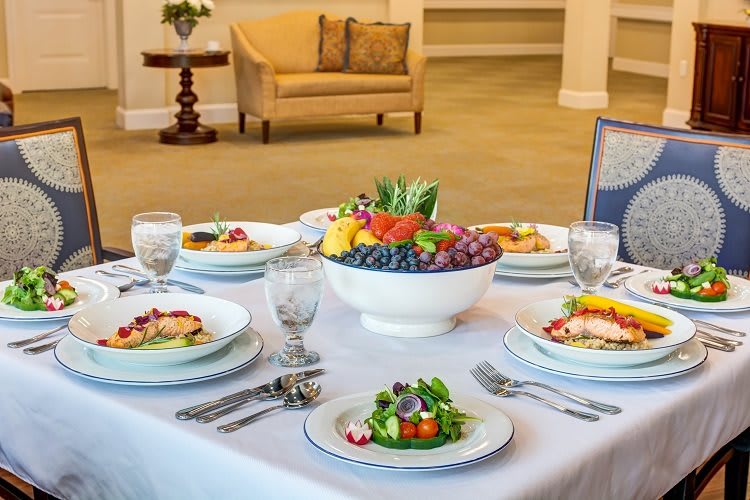
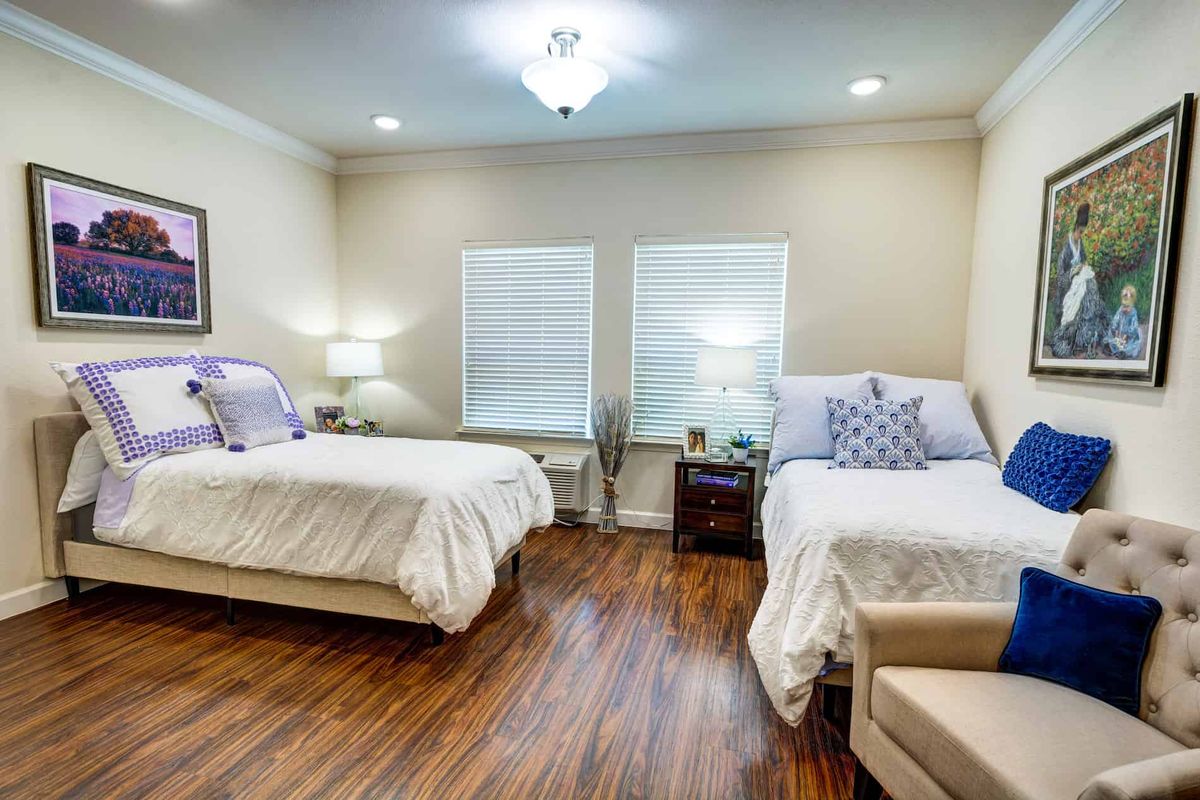
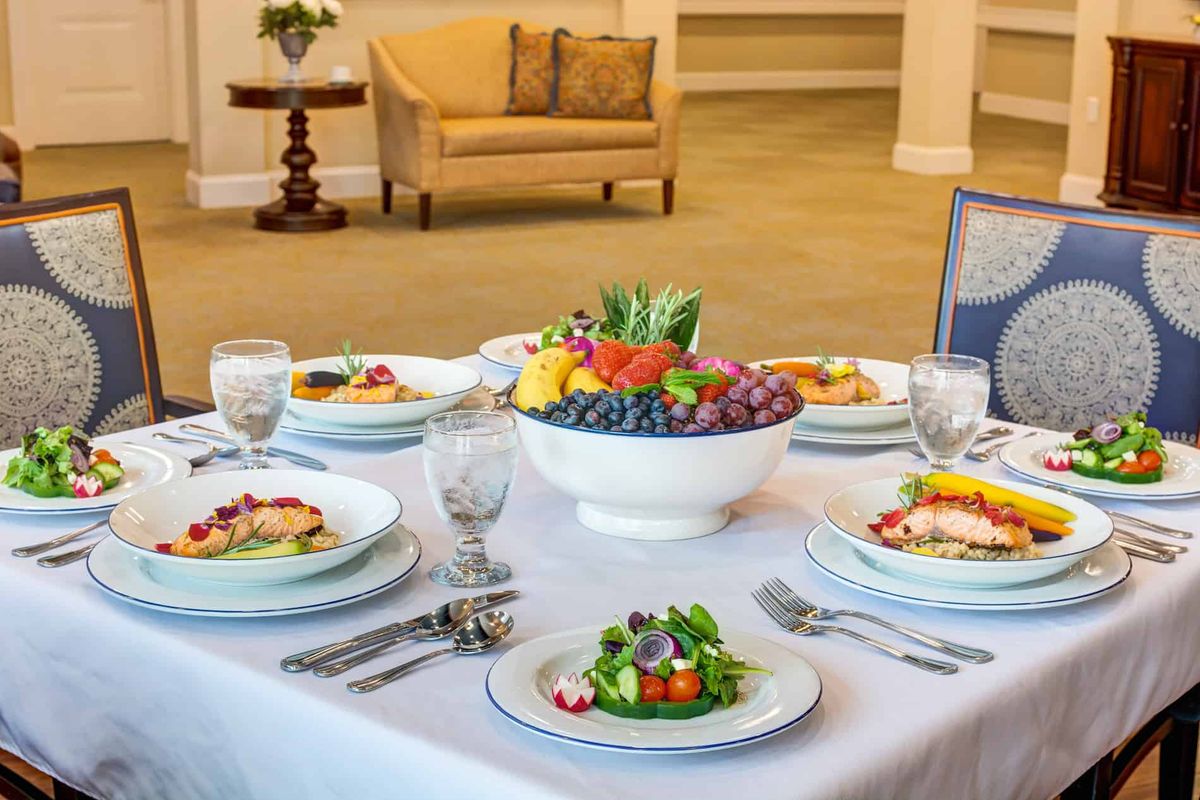
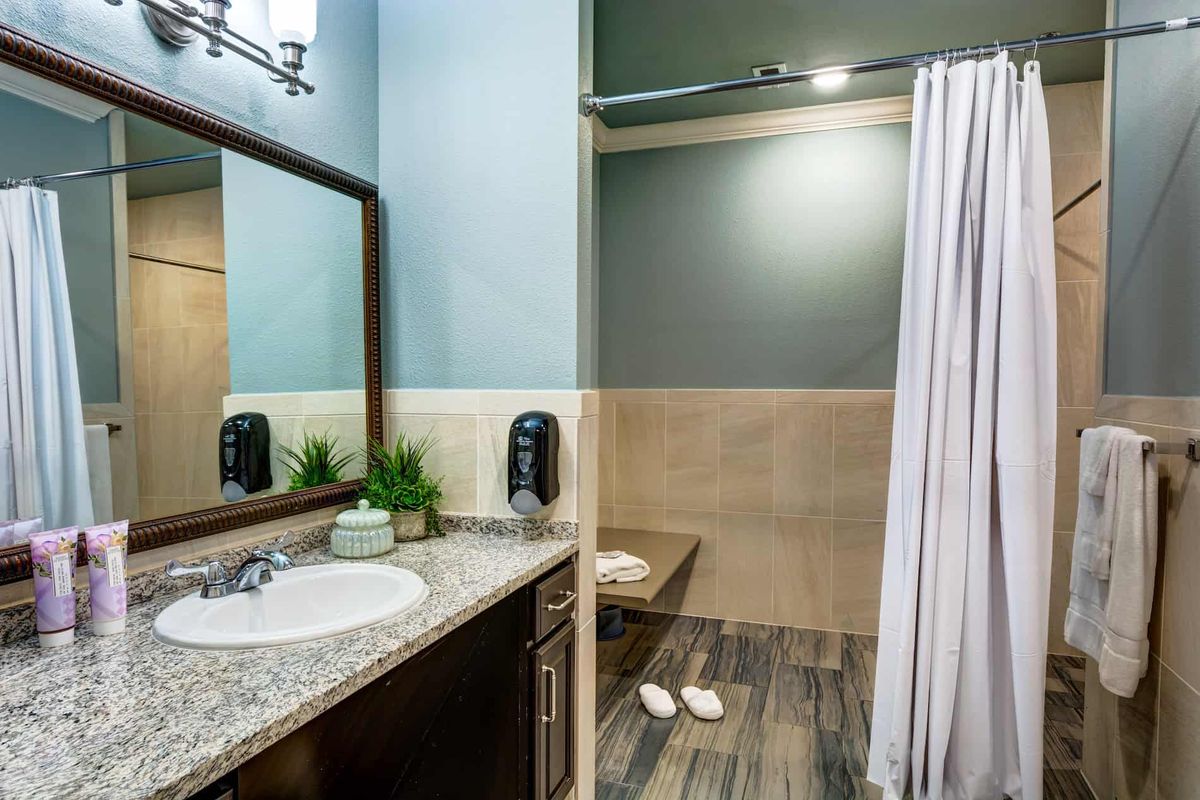
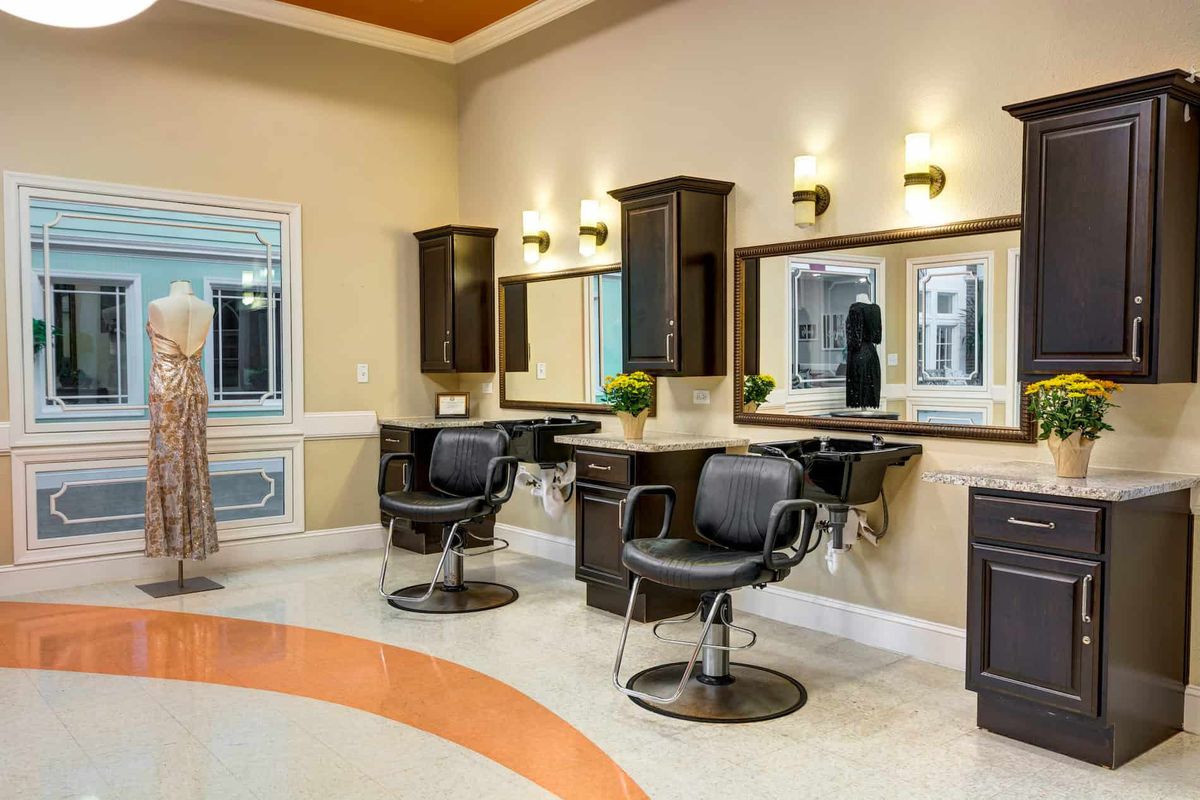
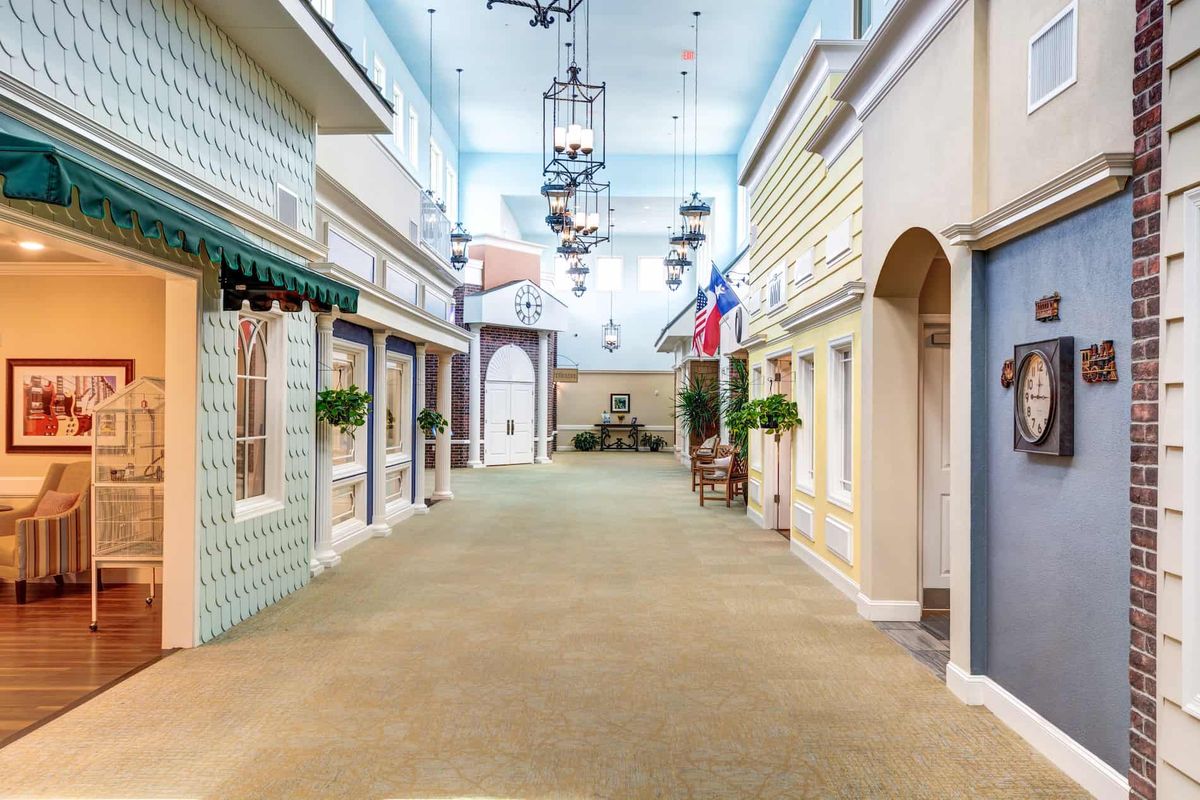
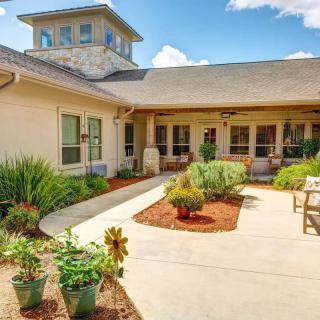
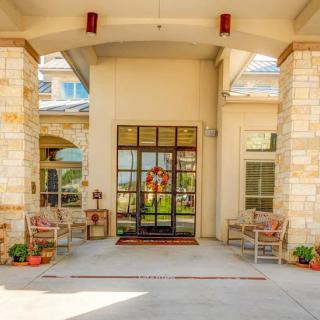
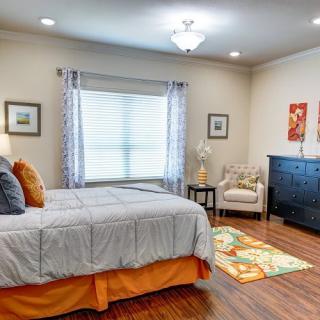
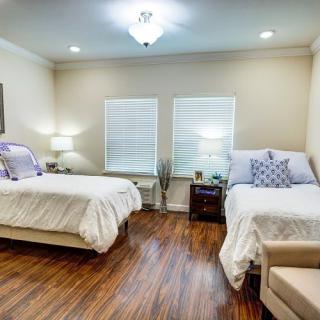
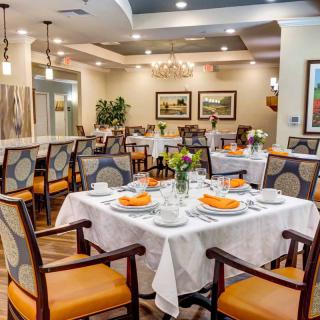
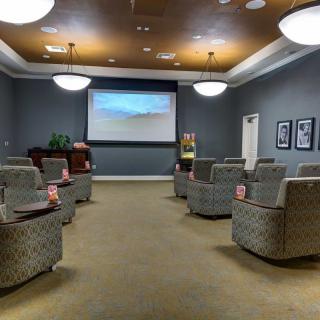
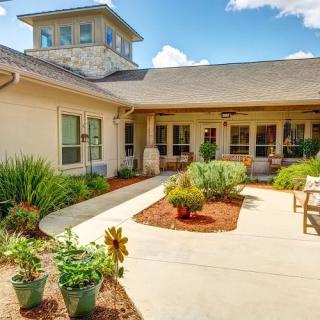
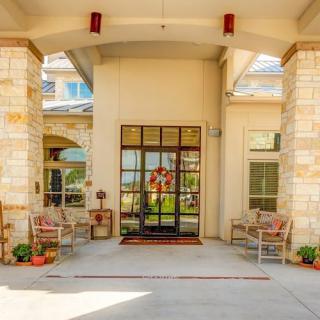
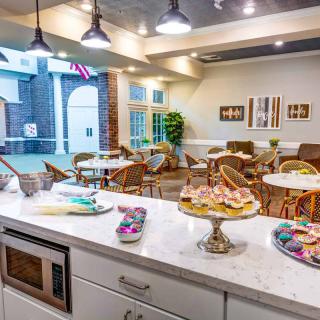
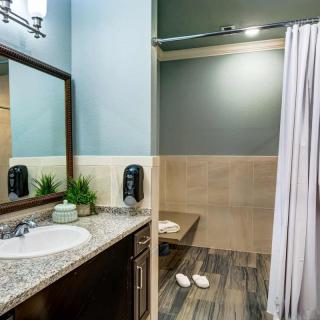
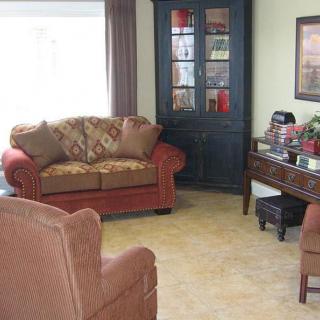
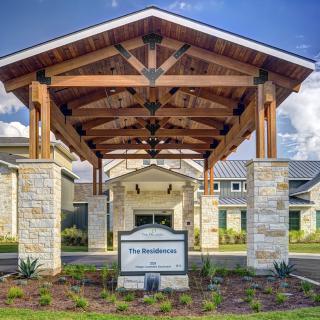
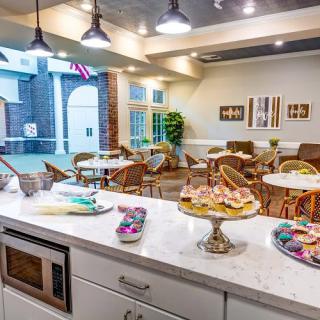
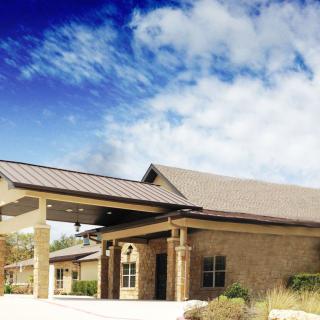
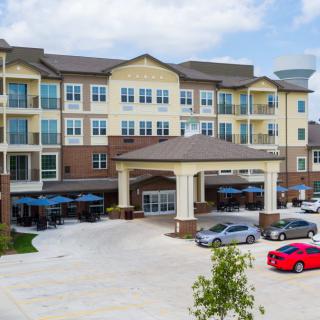
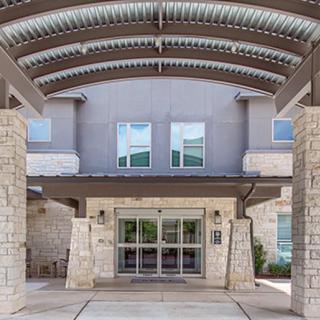
The Auberge at Cedar Park on seniors.fyi includes 30 photos including images showing interior, decor, bedroom, dining, architecture, building, artwork, lighting, and more.
Nearby Communities
Poet's Walk Cedar Park
Cedar Park, TX
4 from 66 reviews
$5,000 to $5,600 / month
Engaging activities and compassionate staff in a garden-like, inviting environment.
Cedar Pointe Wellness And Health Center
Cedar Park, TX
4.4 from 60 reviews
Compassionate nursing staff in a clean, well-maintained facility.
Sagebrook Health Center
Cedar Park, TX
3.9 from 87 reviews
Exceptional short-term rehab and Huntington's care with a clean, friendly staff and engaging activities.
Sagebrook Sn Health Center
Cedar Park, TX
3.8 from 68 reviews
Fully furnished private apartments with private bathrooms, restaurant-style dining with dietary options, and 24/7 care.
Preferred Care at Home of Austin and Williamson County
Cedar Park, TX
4.3 from 29 reviews
Friendly, caring staff with flexible scheduling.
Harmony Point Memory Care
Cedar Park, TX
4.4 from 78 reviews
$3,925 to $5,835 / month
Compassionate staff and engaging activities in a clean, well-maintained setting.
Avalon Memory Care - Cedar Park
Cedar Park, TX
4.5 from 56 reviews
$4,875 to $6,475 / month
Personalized memory-care with compassionate staff in a home-like, engaging environment.
The Enclave at Cedar Park Senior Living
Cedar Park, TX
4.2 from 76 reviews
$2,155 to $3,960 / month
Friendly staff and residents; engaging activities; clean, inviting spaces.
Verena at Leander
Leander, TX
4.5 from 127 reviews
$3,100 to $4,020 / month
Caring staff with engaging activities and clean, well-maintained amenities.
The article highlights eight indicators that a loved one with dementia may require specialized memory care, emphasizing the emotional and logistical challenges families encounter in this decision. It discusses signs such as difficulties with daily tasks, safety concerns, and caregiver burnout, suggesting that memory care facilities can provide the necessary support and structured environments for those experiencing cognitive decline.
Dementia, primarily caused by Alzheimer's disease but also linked to other conditions, leads to cognitive decline impacting memory and daily functioning, with individuals experiencing varied awareness of their impairments. Despite memory loss, emotional connections persist, enabling responses to familiar stimuli, highlighting the need for caregivers to provide compassionate support that recognizes both limitations and retained emotional depth.
The article presents five subtle indicators of dementia, such as memory lapses and mood swings, to help families assess cognitive decline in loved ones. It emphasizes early detection, open communication, and seeking professional help while providing practical support steps.
Get PricingAsk A QuestionSchedule A TourContact Senior Advisor
By clicking submit, you agree to our Partner's Terms of Use. You
also consent to receive calls and texts, which may be autodialed, from our Partner. Your consent is not a condition to
using our Partner's service. Please visit our Partner's Privacy Policy for information about their privacy practices.






 90 resident community capacity
 2-bedroom apartments
 Assisted Living
 Memory Care
 Activities off-site
 Air-conditioning
 Beautician on-site
 Cable or satellite TV
 Cafe
Cafe Computer center
 Devotional services off-site
 Dining room
 Financing advice
 Fitness room
 Fully furnished
 Gaming room
 Garden
 Ground floor units
 Guest parking
 Handicap accessible
 Housekeeping services
 Indoor common areas
 Kitchenette
 Laundry
 Move-in coordination
 Outdoor common areas
 Party space
 Private bathrooms
 Respite or short term stays offered
 Restaurant-style dining
 Security gate
 Small library
 Spa
Spa Telephone
 Wheelchair accessible showers
 Wi-Fi/high-speed internet available
 Austin-Bergstrom International (24 miles away)
 Community operated transportation
 12-16 hour nursing
 24-hour call system
 Ambulatory care
 Assistance with bathing
 Assistance with dressing
 Assistance with transfers
 Diabetes diet
 Diabetic care
 Hospice care
 Incontinence care
 Medication management
 Mental wellness program
 Physical therapy
 Special dietary restrictions
 Transportation arrangement (medical)
 Art classes
 Book club
 Catholic services
 Concierge services
 Cooking classes
 Day trips and outings
 Educational speakers / life long learning
 Games
Games Happy hour
 Karaoke
 Live musical performances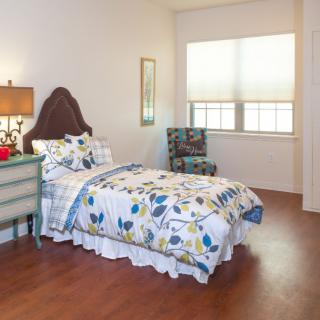
 Engaging activities and compassionate staff in a garden-like, inviting environment.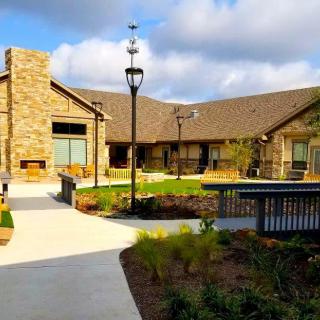



 8 Important Indicators That Memory Care May Be Necessary
 Delving into the Inner World of Dementia: Insights into Thoughts and Awareness
 Five Subtle Dementia Indicators to Observe: An In-Depth Guide to Understanding “Does My Mom Have Dementia?”