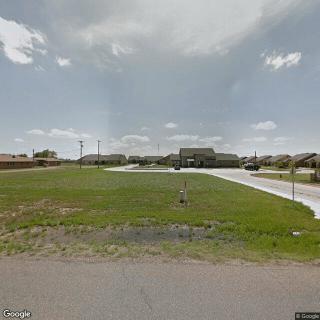
1316 South Florida, Borger, TX 79007
For more information about senior living options: (866) 208-4318
Overall Review of Borger Healthcare Center
Pros
 The facility has a welcoming environment and is well maintained.
- The staff are hardworking and residents feel like family.
- The building is clean and the residents look happy.
- The staff are friendly, caring, and go above and beyond to ensure residents are cared for.
- The facility feels like home with a warm, family-like atmosphere.
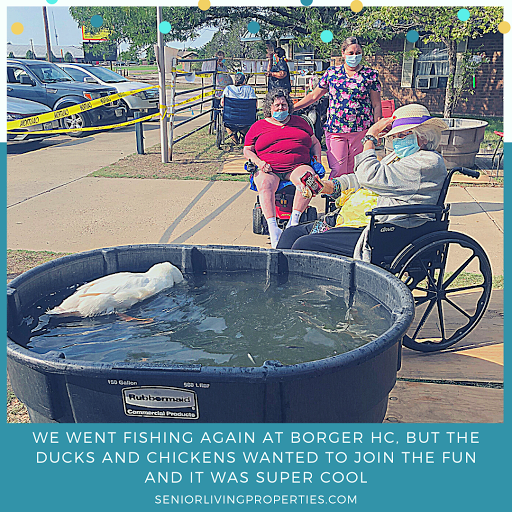
- The center offers meaningful activities and transportation support that residents enjoy.
- Families feel confident in the care their loved ones receive.
Cons
 The facility is very dirty and very old.
- In the husband’s room, the vent in the bathroom leaks water when it rains, and there is a strong mildew smell.
- The father was there only a few weeks and developed MRSA and other infections, which the reviewer attributes to poor care and an understaffed facility.
- The reviewer urged others to take their loved ones somewhere else.
Review
Borger Healthcare Center is best suited for families seeking a warm, home-like atmosphere where staff are consistently described as hardworking and residents are treated as part of a built-in family. It fits seniors who value a lively, engaging daily rhythm, regular activities, and convenient, attentive care sourced from a team that residents and visiting family members repeatedly praise. For those who want to feel personally known, see frequent smiles, and experience reliable transportation to appointments, this community often delivers a sense of belonging that can make even a difficult transition easier. In short, it is a solid match for residents who prioritize companionship, staff accessibility, and a welcoming, family-forward culture.
That said, there are clear reasons to consider alternatives. Several voices raise concerns about the physical plant and cleanliness in areas that matter to safety and long-term comfort. Some reviewers describe the building as very old, with maintenance issues such as leaks and odors that suggest ventilation and moisture control problems. More troublingly, one account links negative outcomes to understaffing and infections, implying a risk profile that may give pause to families prioritizing a pristine environment and rigorous infection prevention. These voices should not be dismissed, and they warrant firsthand verification during tours and conversations with current residents and staff.
The strongest positives here lie in the human side of care. The staff are repeatedly praised as welcoming, caring, and genuinely invested in residents’ well-being. The sense that residents are treated like family translates into daily interactions that feel personal and thoughtful, visits feel frequent, activities feel persistent, and transportation to medical appointments is reliably available. This level of attentiveness can significantly offset worries about hospitalization or isolation, particularly for residents who respond well to social stimulation and consistent, visible care. When a family member needs reassurance that their loved one is happy and engaged, these aspects often carry substantial weight.
Conversely, the main drawbacks call for careful evaluation before committing. The most pointed concerns center on the condition of the facility itself and the possibility of understaffing affecting infection control and routine care. A dirty or old building, leaks, and a mildew-like odor are not trivial red flags, especially for residents with chronic health issues or mobility limitations. The infection-related account, while not universally echoed, highlights the importance of verifying current staffing ratios, cleanliness standards, and ongoing maintenance. These factors can influence daily comfort, safety, and continuity of care, even in a setting with otherwise high staff morale.
How the pros stack up against the cons hinges on what families value most. For many, the emotional climate, the “home away from home” feel, the visible affection between residents and staff, and the robust activity calendar, can compensate for an older interior and occasional maintenance hiccups. The dependable transportation program and the consistent demonstration of care by CNAs and aides provide practical anchors that keep daily life stable and enjoyable. Yet the weight of cleanliness and infection-control concerns cannot be ignored; they can undermine quality of life if not actively managed. The balance will tilt toward a positive outcome when ongoing maintenance, transparent housekeeping practices, and a clearly communicated staffing plan reassure families.
The practical path forward is concrete. Families should schedule a comprehensive on-site tour, meeting multiple staff members and asking to speak with current residents and family members about day-to-day routines, cleanliness, and any recent maintenance upgrades. Request the latest inspection or quality control documentation, and inquire about nurse aide-to-resident ratios during peak hours. If possible, observe the environment at different times of day to gauge odor, cleanliness, and noise levels, and ask about responsiveness to repairs and how transportation to appointments is coordinated in practice. A candid discussion about the facility’s plan to address the older infrastructure will prove decisive.
Bottom line: Borger Healthcare Center can be a compelling choice for families who prize a richly relational, activity-filled environment and who value hands-on staff involvement. For those who require a newer building, ultrahigh cleanliness standards, or rock-solid infection-control assurances, it merits comparison with alternatives and a thorough due diligence pass. A well-timed visit, paired with direct conversations about staffing stability and maintenance commitments, will reveal whether the pros truly outweigh the cons for a given resident’s needs.
 110 resident community capacity
 Skilled Nursing Facility
 Air-conditioning
 Beauty salon
 Cable or satellite TV
 Computer center
 Dining room
 Fitness room
 Fully furnished
 Gaming room
 Garden
 Housekeeping services
 Kitchenette
 Move-in coordination
 Outdoor space
 Private bathrooms
 Restaurant-style dining
 Small library
 Telephone
 Wellness center
 Wi-Fi/high-speed internet available
 Community operated transportation
 12-16 hour nursing
 24-hour call system
 Activities of daily living assistance
 Assistance with bathing
 Assistance with dressing
 Assistance with transfers
 Diabetes diet
 Medication management
 Mental wellness program
 Special dietary restrictions
 Concierge services
 Planned day trips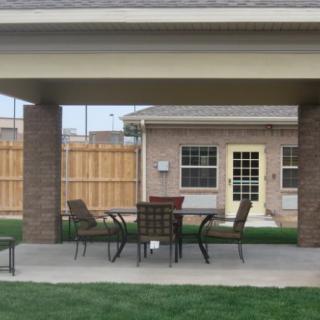




 Comprehensive Look at Senior Blood Pressure Charts: Normal and Elevated Levels by Age
 Top Canine Companions for Older Adults
 Comprehensive Guide to Blood Pressure Charts for Older Adults: Understanding Normal and High Readings by Age