
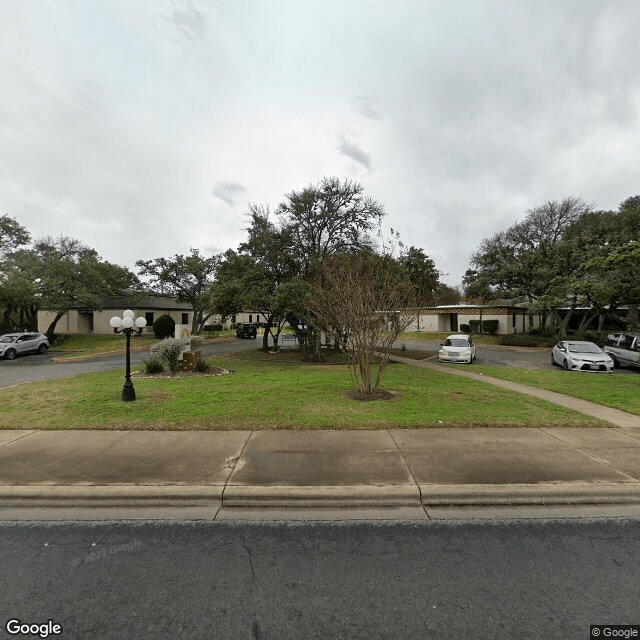
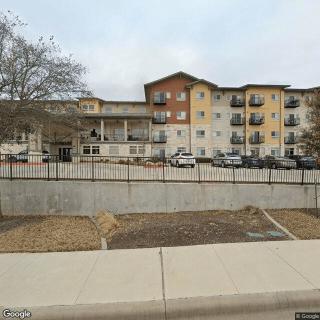
1015 W William Cannon Dr, Austin, TX 78745
To contact a resident: (512) 416-8300
For more information about senior living options: (866) 208-4318
Overall Review of Garden Terrace Health & Rehab
Pros
 They are grateful to Garden Terrace for the support they’ve received.
- They thank the team for everything.
- They love the staff and find the office team very nice.
- They consider the place decent and reasonably priced for older people.
Cons
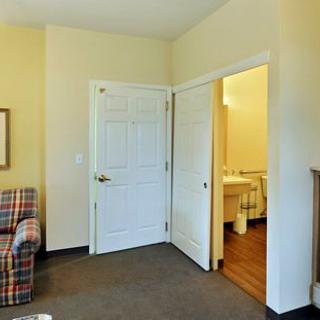
 The place has an institutional feel and is very bleak.
- It is described as the worst hospital, with everything about the place being bad, including therapy and the food.
- It gets worse for the children.
- People are allowed to enter patients’ rooms and nothing is done about it.
Review
Garden Terrace Health & Rehab in Austin is best suited for seniors who need affordable rehabilitation and daily living support and who can tolerate a more institutional, no-frills setting. The community shows value when families prioritize practical staffing and predictable costs over upscale amenities. For residents facing a hospital-to-home transition, this facility can feel like a dependable anchor, especially when the office team is approachable and responsive to questions. In short, it serves older adults who want a budget-minded option with accessible staff rather than a polished, resort-like environment.
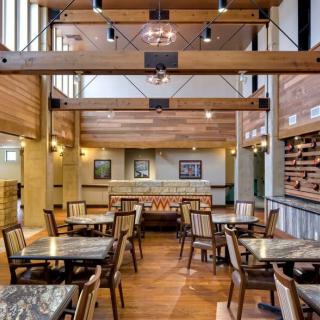
Those weighing alternatives should consider what matters most: a warmer, homier atmosphere, consistently strong therapy, and strict privacy safeguards. If a vibrant dining experience and high-caliber rehab programs are non-negotiable, Garden Terrace may fall short. The prevailing feedback reflects a bleak, institutional vibe and uneven service, which can undermine comfort and motivation for ongoing care. For families who crave continuous privacy protections and a setting that feels more like home than a hospital wing, other communities will likely be a better fit.
On the upside, several reviews spotlight tangible positives: staff accessibility and a price point that aligns with many family budgets. One testimonial highlights personal warmth from the office staff, suggesting that when frontline personnel are engaged and available, residents feel supported and oriented during a difficult transition. That consistent human touch can reduce stress, encourage cooperation with care plans, and provide essential reassurance to loved ones who cannot be constantly present.
Yet the cons are persistent and substantive. The environment is described as bleak and institutional rather than welcoming, a factor that can dampen morale and impede rehabilitation momentum. Critical elements such as therapy quality and meal satisfaction receive negative notes, which directly affect daily life and progress. Privacy concerns are a recurring theme, visitors or other residents entering rooms without clear boundaries, and frustration over inaction when room intrusion occurs. The remark about it getting worse for the children underscores family anxiety about oversight and the overall care climate.
How the pros offset the cons depends on what families prioritize. If affordability and steady staff contact are paramount, Garden Terrace offers a workable framework with dependable personnel behind the scenes. Those strengths can provide stability during a vulnerable period after hospitalization, reducing the abruptness of a transition and delivering practical support when options are scarce. However, for residents who demand consistently high-quality therapy, appealing meals, and rigorous privacy protections, the negatives tend to overwhelm the positives. The decision hinges on tolerance for a less homelike atmosphere in exchange for cost savings and a steady, if imperfect, care team.
Practical next steps should guide the decision-making process. Schedule a tour with a focus on therapy schedules and progress-tracking capabilities, and request a meal-demonstration or sample menu to gauge real-world dining quality. Ask about visitor policies and explicit room-privacy safeguards, including how room entries are managed and how concerns are documented and resolved. Inquire about staffing levels during peak hours and how care plans are adjusted in response to resident needs. Compare Garden Terrace to other Austin options that emphasize a more homey environment or stronger rehab outcomes, and weigh the trade-offs carefully. This community represents a defensible choice for budget-conscious families who prize personal staff connections, but it is not a one-size-fits-all solution for every senior’s care priorities.
 Skilled Nursing Facility
 Austin-Bergstrom International (7 miles away)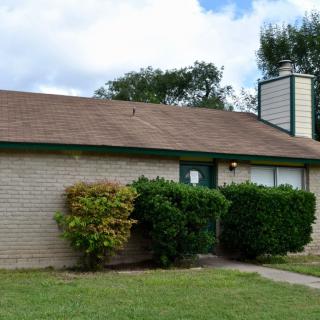




 Comprehensive Look at Senior Blood Pressure Charts: Normal and Elevated Levels by Age
 Top Canine Companions for Older Adults
 Comprehensive Guide to Blood Pressure Charts for Older Adults: Understanding Normal and High Readings by Age