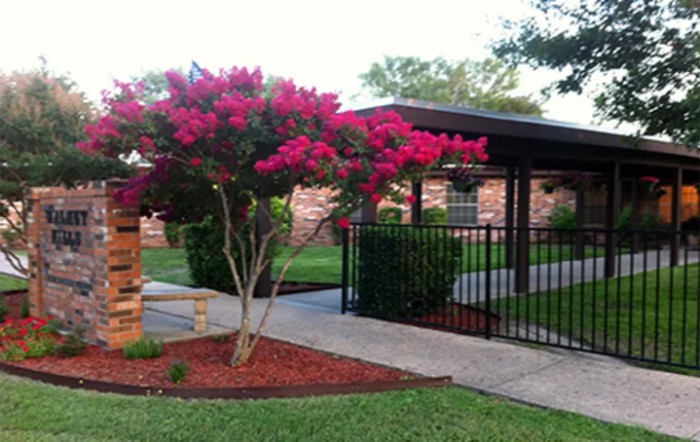



3509 Rogge Lane, Austin, TX 78723
For more information about senior living options: (866) 208-4318
Overall Review of Austin Healthcare And Rehabilitation Center
Pros
 Caring environment with excellent attention to detail.
- There are some very caring nurses and therapists at this facility.
- The staff here were compassionate and accommodating.
- The residents seem so happy, and the staff treat them like family.
- The whole facility, in fact, is like one big family.
- The facility is clean and has a welcoming, homey atmosphere.
Cons
 They describe the facility as a horrible place that seems to exist mainly to collect residents' insurance.
- They say staff cannot get a patient seen promptly, indicating poor coordination and service.
- They claim management is the worst they’ve encountered and that the place fails annual inspections.
- They allege the owner is a con, with lawsuits and high staff turnover, and that the staff are lazy and unfit.
- They describe the building as old, dirty, and rundown, and accuse the staff of lying.
- They warn that residents die under mysterious circumstances and that cameras are always in residents’ rooms.
- They report neglect due to agency nurses who lack information about patients, poor accountability, dirty conditions, and a scam to bill insurance.
- They recount safety and care failures, including missed medications, dehydration, and overall poor care, and would not recommend the place.
Review
Austin Healthcare And Rehabilitation Center is best suited for families prioritizing affordability and hands-on, day-to-day care in a setting that can feel like a tight-knit community, especially for short-term rehabilitation or hospice-oriented stays where a vigilant advocate can supervise care. The caregiver stories emphasize a bedside approach from some staff members, with residents appearing clean, engaged, and surrounded by a familial atmosphere during visits. For families who can commit to consistent oversight, ask the right questions, and intervene quickly if problems surface, this center can deliver genuine warmth and practical support that keeps a resident comfortable in the near term. It is not, however, pitched as a flawless long-term custodial option given the broader concerns voiced in multiple reviews.
Conversely, those weighing alternatives should proceed with caution if reliability, safety, and predictable governance are essential. Several reviews raise red flags about management priorities, staff turnover, and the consistency of care. Allegations include a governance culture focused on revenue over resident welfare, frequent staff changes, and a reliance on agency nurses who lack familiarity with individual patients. For anyone seeking a facility with a proven track record of stable leadership, minimal litigation exposure, and transparent accountability, this would be a place to compare against other options before committing.
The strongest positives cited point to genuinely compassionate care in moments that matter. A number of reviewers credit certain nurses and therapists with kindness, personal attention, and a sense of community that makes residents feel cared for. The facility is described as clean and recently painted in some areas, with staff who help residents start their day, dress them, and foster social connections. When the environment aligns with a family-like culture, these elements can translate into meaningful daily quality of life for residents who are able to participate in activities and routine care without major medical complications.
Yet the major cons temper those positives. Multiple reviews describe an old, rundown building and periodic maintenance issues, including flooding and other infrastructure concerns. More troubling are frequent reports of missed medications, dehydration, and delays in advancing care to hospitals when needed. Several accounts allege disorganization in staff communication and insufficient information about patients among agency staff, which can undermine safety and care continuity. The impression of a facility where accountability is inconsistent and where some families feel the administrative leadership does not actively support front-line caregivers is hard to overlook.
In weighing the pros against the cons, the care that shines, compassionate, attentive bedside support and a welcoming, home-like atmosphere, finds its greatest leverage when paired with rigorous family advocacy and structured oversight. For families who can monitor medication administration, ensure timely hospital transfers, and press for prompt responses to concerns, the positives can translate into a livable, respectful experience. However, the same dynamic may not hold if staffing is thin, documentation is incomplete, or management fails to address recurring issues. The offset is real but fragile, and relies on active involvement from family members or responsible guardians.
The practical path forward involves diligence before choosing. Request a recent, detailed tour focused on staffing patterns, turnover rates, and the names of current supervisors or the director. Ask for a clear plan addressing medication management, hydration monitoring, and escalation protocols when clinical needs arise. Review the most recent state survey results and any corrective action plans, and speak with current residents or families about their day-to-day experiences. If long-term stability, predictable staffing, and uncompromised safety protocols are non-negotiable, this facility should be weighed against higher-rated alternatives with stronger governance and sustained positive feedback. In the end, Austin Healthcare And Rehabilitation Center can be a reasonable fit for a short-term, supervised stay for a budget-conscious family, but only when there is concerted, continuous oversight to counterbalance the governance and consistency risks that reviews repeatedly surface.
 120 resident community capacity
 Skilled Nursing Facility
 Air-conditioning
 Beauty salon
 Cable or satellite TV
 Computer center
 Dining room
 Fitness room
 Fully furnished
 Gaming room
 Garden
 Housekeeping services
 Kitchenette
 Move-in coordination
 Outdoor space
 Private bathrooms
 Restaurant-style dining
 Small library
 Telephone
 Wellness center
 Wi-Fi/high-speed internet available
 Austin-Bergstrom International (7 miles away)
 Community operated transportation
 12-16 hour nursing
 24-hour call system
 Activities of daily living assistance
 Assistance with bathing
 Assistance with dressing
 Assistance with transfers
 Diabetes diet
 Medication management
 Mental wellness program
 Special dietary restrictions
 Concierge services
 Planned day trips







 Caring for Those Who Care: Recognizing, Understanding, and Overcoming Caregiver Burnout
 Caregiver Exhaustion: Recognizing the Signs and Restoring Your Well-Being
 Understanding Hospice Care at Home: Comprehensive Services, Key Benefits, and Eligibility