
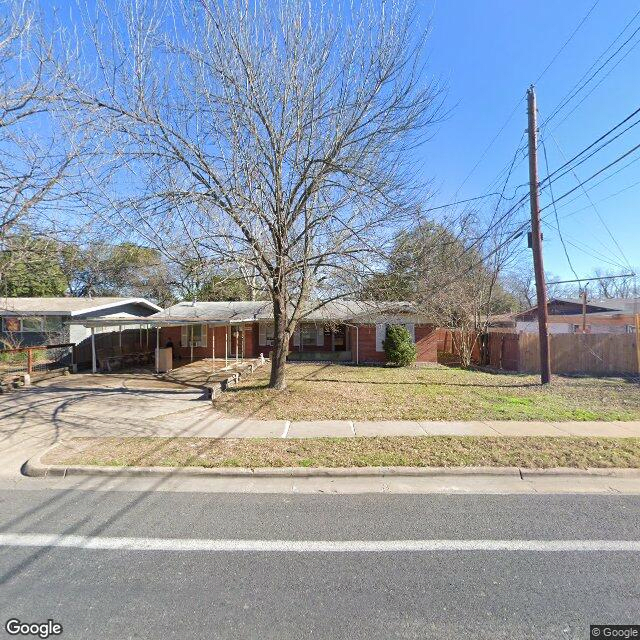
5605 Berkman Dr., Austin, TX 78723
To contact a resident: (512) 926-6813
For more information about senior living options: (866) 208-4318
Generations Group Home Costs & Pricing
Generations Group Home offers a competitive monthly rate for its private room accommodation, priced at $1,000. This significantly undercuts the average costs in Travis County and the broader Texas area, where similar private rooms average around $4,194 and $4,096 respectively. By providing such an affordable option, Generations Group Home demonstrates its commitment to accessible care while maintaining a high standard of living for residents. This pricing strategy not only supports families seeking financial relief but also positions Generations as a viable alternative in the landscape of group home services in both the county and state.
| Floor plans | Generations Group Home | Travis County | Texas |
|---|---|---|---|
| Private | $1,000 | $4,194 | $4,096 |
Senior living communities with a similar price nearby
-
from +$150 / mo

Commons at Manor
$1,150 to $1,173 / month9.4 miles away -
from +$195 / mo
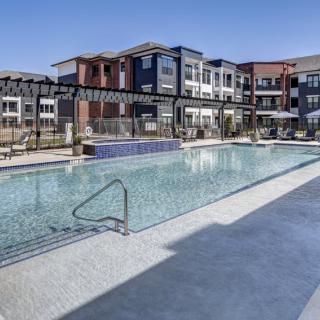
Northstar Active Adult 55 Plus
$1,195 to $1,995 / month22.7 miles away -
from +$150 / mo

Merritt Hill Country
$1,150 to $1,475 / month24.6 miles away -
from -$105 / mo
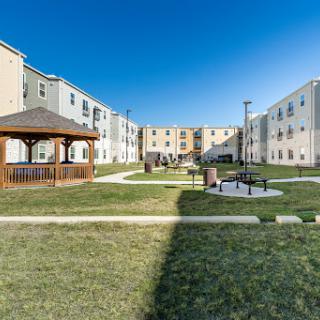
The Villages at Fiskville
$895 to $1,074 / month3.8 miles away -
from +$98 / mo

Overture Mueller 55+ Apartment Homes
$1,098 to $1,700 / month0.7 miles away
Overall Review of Generations Group Home
Pros
 The owner is always helpful, explaining things and providing good service.
- Covid-19 helped guests take safety more seriously.
- This place is amazing, offering great food, great assistance, a beautiful room, friendly people, and in-room refrigerators and microwaves for everyone.
- This place feels like home.
Cons
 Bed bug problem is out of control.
- Ventilation system is not up to code.
- Rooms not even properly or structurally separated.
- Basically maintenance man sits down and watches t.v. for four hours rather than fix things that need attention and mops or washes dishes all day.
- Treats residence very rudely and talks down to them and calls them slurs or other obscenities.
Review
Generations Group Home in Austin, TX is best suited for seniors who want a distinctly home-like living arrangement, where private rooms come equipped with a personal refrigerator and microwave, and where meals and daily assistance feel approachable and friendly. This community appeals to families and residents who value an owner-driven, responsive demeanor and a straightforward, middle-ground price point. It’s not the right fit for those requiring high-level clinical oversight, aggressive infection-control expectations, or a facility with a proven, pest-free and meticulously maintained environment; those needs point to alternatives with stronger governance and tighter operational systems.
On the upside, the strongest draws are tangible: quality food, genuine assistance from a front-line staff that residents can rely on, and attractive private rooms that feel less institutional. An owner who is consistently accessible and willing to explain policies becomes a meaningful source of reassurance for families navigating care decisions. The in-room refrigerator and microwave, plus the perception of a friendly, sociable atmosphere, contribute to a sense of home that can significantly improve daily life for residents who prize autonomy and personal space. Pricing sits in the middle of the market, described as average, which makes the facility competitive for households balancing cost with comfort and companionship.
Yet the upside does not erase the serious red flags raised by troubling maintenance and safety concerns. One of the most damaging issues cited is a bed bug problem described as out of control, paired with ventilation and HVAC questions that are allegedly not up to code. Structural privacy matters are noted too, with reports that rooms are not properly or structurally separated. These factors directly affect resident comfort, health, and dignity, and they place a heavy emphasis on ongoing pest management and facility upkeep as non-negotiables. Maintenance performance appears inconsistent, with accounts of staff spending long periods not addressing repairs, and basic chores like cleaning or repairs taking a back seat when attention is needed. Coupled with reports of residents being treated rudely or spoken to with disrespect, these problems shape a reality that cannot be ignored.
The key pros can offset, but not fully neutralize, the main cons. A responsive owner and dependable dining and room quality provide daily structure, companionship, and a living environment that feels more like a home than a sterile institution. When staff are consistently helpful and accessible, they can mitigate anxiety about needs and help residents feel seen. In-room appliances and comfortable rooms support independence and reduce friction in daily routines, which is a meaningful plus for many families. However, the strength of these positives hinges on fundamental safety and respect: if pest control failures persist, if ventilation is substandard, and if basic dignity is compromised by staff behavior, the apparent advantages quickly lose their ballast. In other words, the quality of life gains depend on immediate, credible improvements in maintenance, privacy, and caregiver conduct.
For families evaluating this option, a disciplined on-site assessment is essential. Request current pest-management plans, proof of upgraded ventilation or HVAC maintenance, and a candid discussion about room privacy and staff training. Speak with residents and family councils about response times for repairs and the culture of respect on days-to-day interactions. If the facility demonstrates concrete, verifiable progress toward pest control, airflow improvements, and a professional, courteous care ethos, Generations Group Home can become a strong match for those who prize a homelike setting with accessible leadership. If not, it is prudent to look at facilities with documented, ongoing commitments to pest control, modernized infrastructure, and a consistently respectful care environment.
In the end, Generations Group Home is a viable choice for seniors who place high value on a home-like atmosphere, personal privacy in a private room, and a hands-on owner who explains policies clearly. It is not the right fit when pest control, room privacy integrity, reliable maintenance, or respectful daily interactions are non-negotiable essentials. Families should proceed with a thorough, measured site visit, verify current improvements, and compare with alternatives that promise stronger guarantees in the areas where this community has shown vulnerability. The decision should balance the comfort and social warmth of the living environment against the measurable, safety-critical concerns that could shape long-term well-being.
 Board and Care Home
 Private
 Austin-Bergstrom International (8 miles away)
 Diabetic care
 High acuity care



 Nurturing Our Loved Ones: A Daughter's Journey in Caring for Her Mother
 Nurturing Our Elders: Linda's Journey of Supporting Her Mother
 A Comprehensive Exploration of Common Misunderstandings about Powers of Attorney