

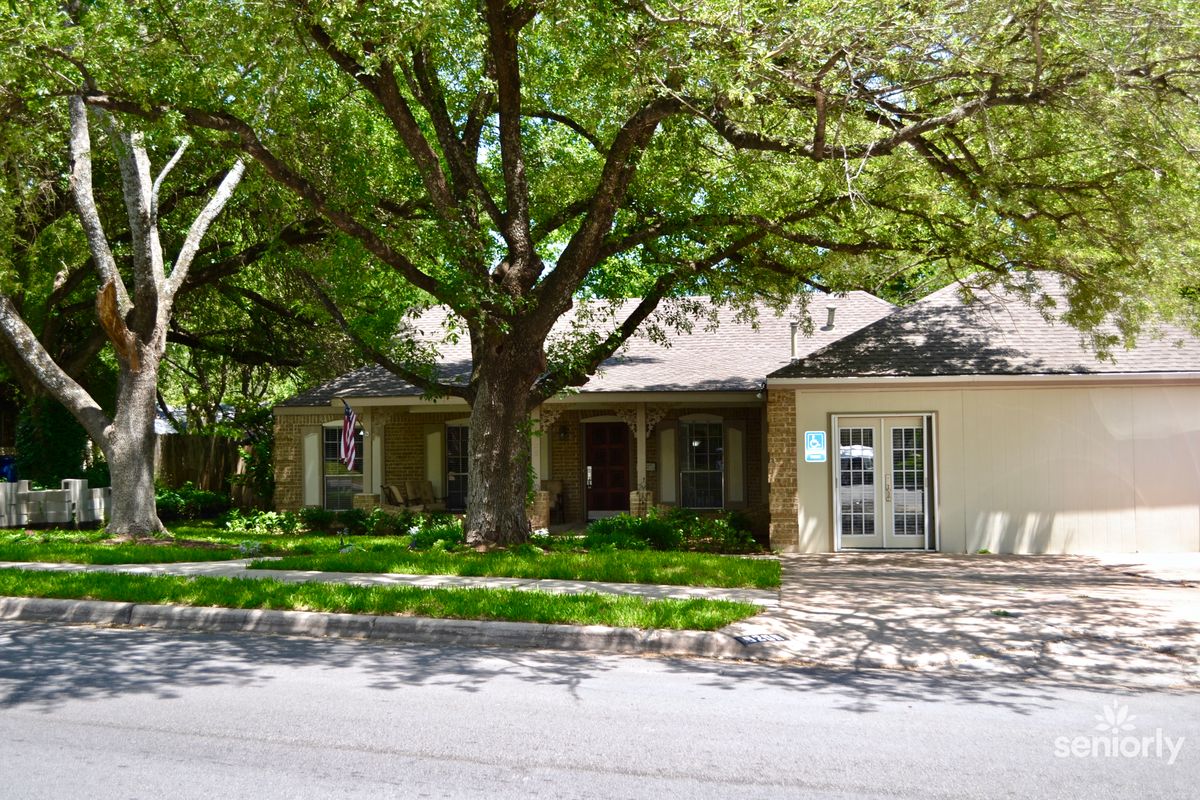
9205 Collinfield Drive, Austin, TX 78758
For more information about senior living options: (866) 208-4318
Overall Review of The Collinfield House
Pros
 The staff are compassionate, patient, and attentive.
 - Residents are in good hands at Collinfield House.
- Collinfield House is a cozy, welcoming home that cares for residents well.
- The staff provide excellent care and consistently good food service.
- Caregivers engage residents with crafts, seated exercise, and games.
- There is open and responsive communication with the owners.
- The facility is small, home-like, and supported by long-tenured caregivers.
- The grounds are well-kept and peaceful, with private rooms and comfortable living spaces.
Cons
 The experience for the mom and her family with Collinfield was not great due to numerous communication issues with the owner and manager, some of which led to medically precarious situations.
- The caretakers seemed overwhelmed and understaffed.
- The turnover was crazy.
- The staff were never trained appropriately.
- Desserts had to be requested and meals were often limited to sugar wafers or ice cream.
- There were ongoing communication issues with the owner and manager.
- The care received by the father appeared subpar and his health declined.
- The reviewer stated that they would not recommend Collinfield.
Review
The Collinfield House is best suited for families seeking a small, home-like assisted living where residents receive extraordinarily individualized attention and family involvement is integral. This community shines for seniors who benefit from a calm, intimate setting, especially those dealing with Parkinson’s, Alzheimer’s, or frailty, where staff know quirks, routines, and medical nuances. The mid-size, residential feel, private rooms for many residents, and a staff that is consistently described as compassionate and skilled make it clear this is a place where care is not rushed or generic. For families who want a transparent, hands-on relationship with caregivers and ongoing engagement in daily schedules, Collinfield becomes a trusted extension of the home.
Those who may want to consider alternatives are the ones needing more clinical heft or a more formal care infrastructure. If a facility’s stability hinges on a large staff, multi-floor operations, or a robust in-house medical program, Collinfield’s small-house model may feel undersized. Several reviews flag that the owner/manager can be slow to respond or that communication can stumble at times, which matters when medical questions or dietary concerns arise. For families prioritizing consistently outstanding dining experiences, a broader menu, or constant administrative polish, other options with bigger kitchens or corporate oversight could prove more reliable. Individuals seeking a highly structured activity calendar with a broad array of on-site amenities may also find the atmosphere at Collinfield too quiet or tightly focused.
The core strengths here, exceptional caregiver dedication, attentive medication management, and a true house-style environment, often offset the drawbacks. Families repeatedly note on-the-ground competence: caregivers who know residents’ needs, deliver 24/7 attention, and coordinate smoothly with Hospice when appropriate. The small size fosters one-on-one connections; staff turnover appears relatively low, and the care team develops deep familiarity with each resident’s routines and preferences. Nutritious meals and the sense of community during group meals or outdoor patio time matter to families who value social engagement without sacrificing individualized support. The leadership’s responsiveness, when functioning well, helps families feel heard and involved, which can be a decisive factor in a positive long-term placement.
Yet the reality is not uniformly perfect. A subset of reviews highlight management communication gaps and periods where information did not flow promptly to families, occasionally leading to medically precarious situations in the eyes of concerned relatives. Food quality is another point of inconsistency in perception, mixed experiences range from consistently good to a notable dissatisfaction in at least one account. These tensions underscore a critical reality: the quality of daily life at Collinfield hinges as much on the ongoing relationship with the owner and the cadence of communication as it does on the caregiving itself. Prospective families should weigh the intimate care model against the potential for administrative friction, especially during transitions or health downturns.
Practical next steps for families evaluating Collinfield include arranging a thorough tour with time spent in the living areas, dining room, and outdoor spaces, and meeting several frontline caregivers to observe interactions. Ask for specific data: staff-to-resident ratios by shift, who leads the care plans, how medications are administered and audited, and how often family updates occur. Inquire about dietary customization, menu examples, and how the kitchen handles special diets. Request to meet the owner or administrator to gauge accessibility and responsiveness, and seek candid feedback from current residents or their families about daily life, activities, and the consistency of staffing. A close look at the private rooms, bathrooms, and safety features, plus the neighborhood context near Lamar and Rundberg, will also illuminate how well the setting suits a loved one’s preferences.
In the end, Collinfield House stands out as a compelling choice for families who prize a smaller, neighborly atmosphere where caregivers know residents by name, care plans feel personalized, and the home is designed for easy, intimate living. It is especially strong for seniors who value routine, private spaces, and meaningful social engagement organized by a devoted staff. However, for families whose expectations include flawless administrative flow, top-tier dining consistency, and expansive on-site services, a broader option may be prudent. The decisive move comes down to a live impression: a tour, a conversation with caregivers and, crucially, a direct read on how well ownership responds to concerns when they arise.
 7 resident community capacity
 Assisted Living
 Board and Care Home
 Memory Care
 Cable or satellite TV
 Dining room
 Fully furnished
 Garden
 Housekeeping services
 Move-in coordination
 Outdoor space
 Telephone
 Wi-Fi/high-speed internet available
 Austin-Bergstrom International (12 miles away)
 24-hour supervision
 Activities of daily living assistance
 Assistance with bathing
 Assistance with dressing
 Assistance with transfers
 Diabetes diet
 Hospice waiver
 Meal preparation and service
 Medication management
 Mental wellness program
 Special dietary restrictions
 Transportation arrangement (medical)
 Transportation to doctors appointments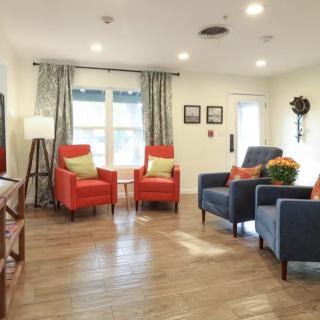







 Are Dementia and Alzheimer's Disease Lethal? A Comprehensive Exploration
 Exploring the Power of Reminiscence Therapy for Individuals With Dementia
 An In-Depth Look at Reminiscence Therapy in Dementia Care