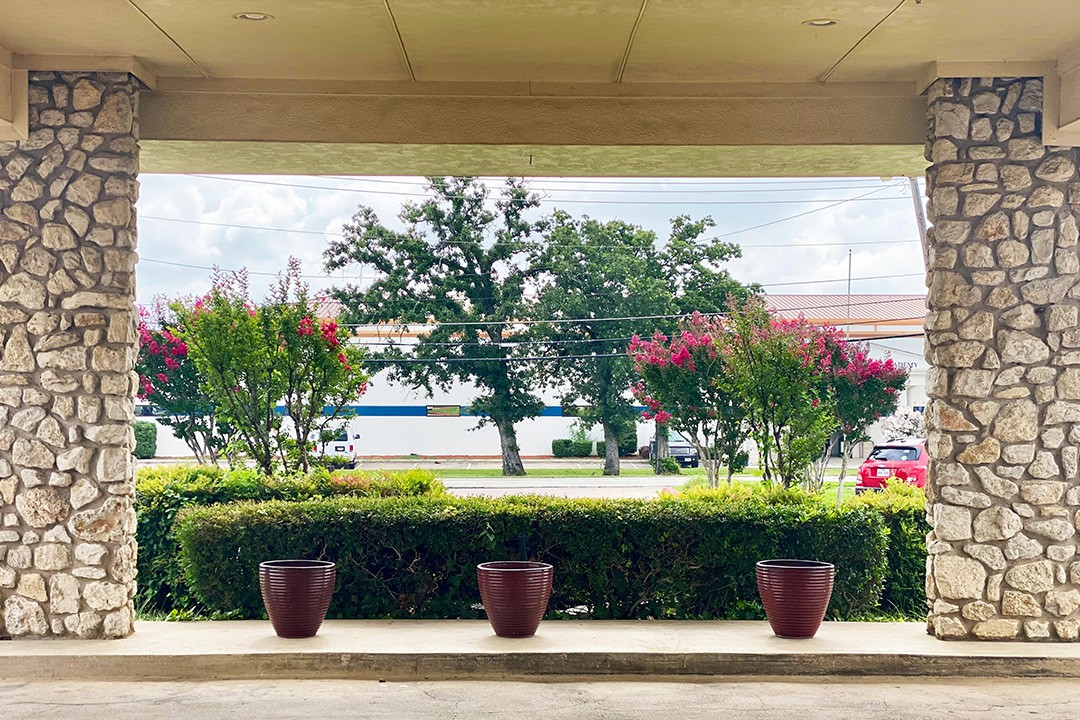

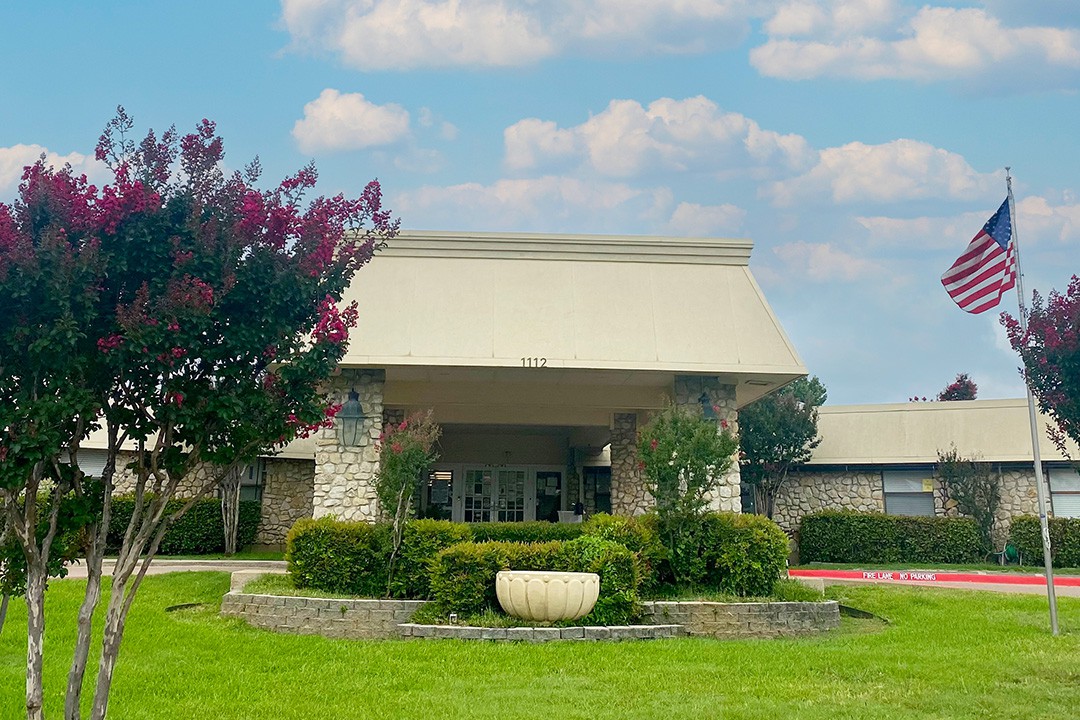
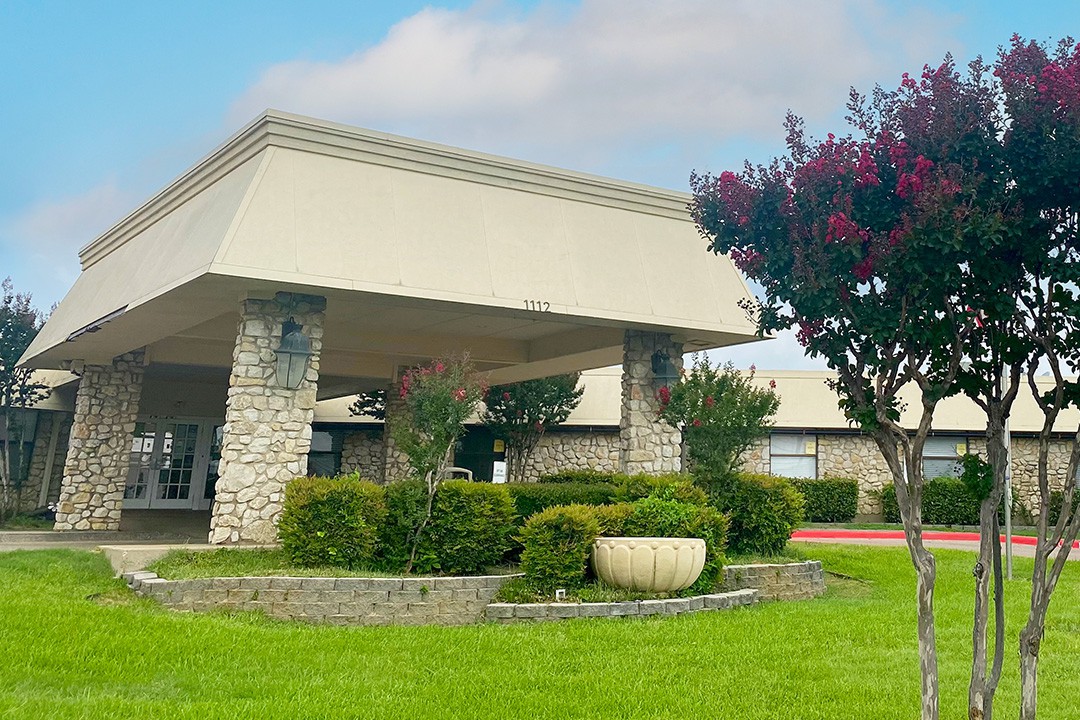
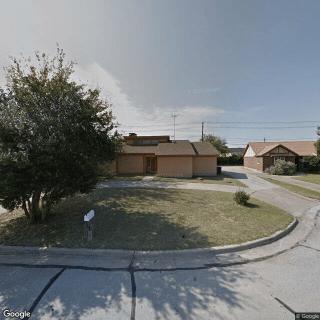
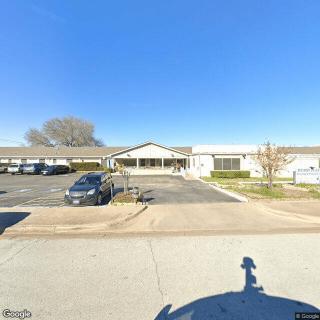
1112 Gibbins Road, Arlington, TX 76011
For more information about senior living options: (866) 208-4318
Overall Review of Heritage Oaks
Pros
 The staff are professional, caring, friendly, and open to questions from the family.
- The rooms are spacious and clean, equipped with all the medical equipment needed.
- The nurses, OT, PT, Speech Therapists, and administration provide excellent care.
- The facility has improved and now treats residents like family.
- The rehab program offers good meals and engaging activities that residents enjoy.
- The staff make an effort to greet residents and offer activities to do.
- Leslie is highly praised for being attentive and getting things done as requested.
Cons
 The facility smelled terrible.
- The staff did not care about the residents.
- Some residents were left for hours with no one checking in.
- The stepdad waited for help for over an hour after calling for assistance.
- His roommate smelled like urine and was not checked on.
- He was supposed to start physical therapy but had not started.
- They were only interested in taking money from the insurance company, not the patients.
- The room had an unpleasant smell despite being fairly clean.
- The staff did not check on him regularly.
- Meals were delivered while he slept and he was not woken to eat.
- They took his tray while he was still sleeping.
- He lost a lot of weight during his short stay.
- The bipap machine did not work for three days.
- The patient had to beg for pain meds and for a muscle relaxer for hours.
- The food looked like piles of dog food.
Review
Heritage Oaks in Arlington, TX is best suited for families seeking a value-conscious skilled nursing and rehab option where dedicated staff can shine when engaged and where an active activity slate helps keep residents mentally and socially engaged. The community appears to work best for those who can tolerate an older building and occasional odors, and for families willing to be highly involved to ensure care is consistent. It can also be a fit for residents whose finances require Medicaid-coverage considerations, since some reviewers noted willingness to work with Medicaid pending cases. This is not the pick for anyone who demands flawless daily operations, pristine environments, and uninterrupted, proactive attention every hour of every day.
Alternatives should be considered by families prioritizing flawless safety culture, predictable responsiveness, and modern facilities. If the emphasis is on meticulous, round-the-clock supervision, zero-tolerance for delays, or highly specialized dementia or wound-care programs, another community is a wiser match. Prospective residents who require consistently top-tier cleanliness, odor control, and immediate escalation of problems may find Heritage Oaks lacking. Those who expect a modern, brand-new campus with the latest amenities should look elsewhere in the Arlington corridor, where newer facilities may better align with expectations for comfort and uninterrupted care.
The strongest and most durable positives of Heritage Oaks center on care staff engagement when it happens and on the rehabilitation and social offerings that can accompany a stay. Several reviews highlight professional, caring, and approachable nurses, with staff willing to answer questions and coordinate with families. The rehab team, occupational, physical, and speech therapists, receives praise for delivering meaningful therapy, and the dining and activity programs provide variety: bingo, board games, crafts, and occasional outings. Rooms are described as spacious and well-equipped for medical needs, and some families point to responsive administration and a willingness to address concerns quickly. When care teams align with families, the experiences can be markedly better, and that alignment often translates into tangible improvements during rehab or post-acute stays.
Yet the landscape at Heritage Oaks is scarred by deeply troubling reports of neglect and inconsistent responsiveness. The most troubling accounts describe residents left unattended for hours, missed or delayed treatments, and failed communications when emergencies or routine needs arose. Instances include meals left uneaten while a resident slept, long gaps before assistance arrived to relieve pain or address distress, and alarms or call-buttons that sometimes go unanswered. Some reviews recount severe consequences, including weight loss, deteriorating conditions, and even a resident passing away after extended waits for care. Odors and a perceived drift toward “care by insurance,” rather than patient-centered caregiving, color the darker memories, underscoring the risk that lax oversight can undermine even decent clinical care.
The dissonance between strong rehabilitative potential and troubling neglect reports creates a clear decision framework. If the patient’s plan hinges on robust physical therapy, daily nursing attention when staff are present, and an active social calendar that can prevent isolation, Heritage Oaks can deliver meaningful value, provided the family or guardian remains vigilant and engaged. The road to success rests on solid, proactive communication with a dedicated care team, strict monitoring of vitals and medications, and immediate escalation when any lapse is observed. Without that level of family involvement, the risk of drift toward neglect or delayed responses rises significantly.
For families actively investigating Heritage Oaks, a disciplined due-diligence approach is essential. Arrange multiple visits at different times, including unannounced walkthroughs, to observe how staff interact with residents and how quickly calls are answered. Request a clear, written care plan tied to specific goals for rehab, nutrition, and mobility, and insist on updated daily progress notes. Speak with the administrator about staffing levels on relevant shifts, and probe recent improvements or renovations to delta between older infrastructure and current operations. In sum, Heritage Oaks can be a rational choice for cost-conscious families who are prepared to supervise care closely and advocate fiercely, but for those who cannot tolerate significant risk of neglect or inconsistent care, safer alternatives deserve serious consideration.
 204 resident community capacity
 Skilled Nursing Facility
 Air-conditioning
 Beauty salon
 Cable or satellite TV
 Computer center
 Dining room
 Fitness room
 Fully furnished
 Gaming room
 Garden
 Housekeeping services
 Kitchenette
 Move-in coordination
 Outdoor space
 Private bathrooms
 Restaurant-style dining
 Small library
 Telephone
 Wellness center
 Wi-Fi/high-speed internet available
 Dallas-Fort Worth International (11 miles away)
 Community operated transportation
 12-16 hour nursing
 24-hour call system
 Activities of daily living assistance
 Assistance with bathing
 Assistance with dressing
 Assistance with transfers
 Diabetes diet
 Medication management
 Mental wellness program
 Special dietary restrictions
 Concierge services
 Planned day trips



 Top Canine Companions for Older Adults
 Comprehensive Guide to Blood Pressure Charts for Older Adults: Understanding Normal and High Readings by Age
 Financing Long-Term Nursing Home Care Through Social Security: A Thorough Exploration