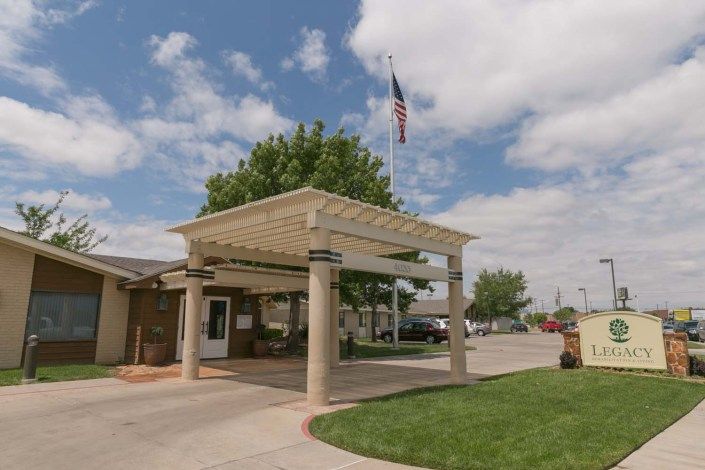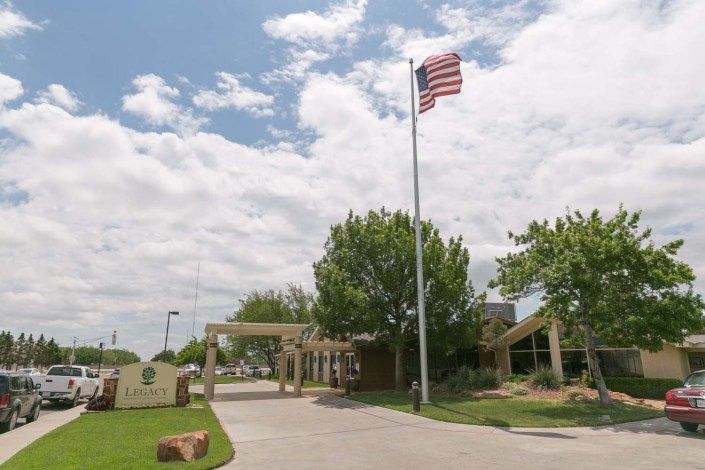







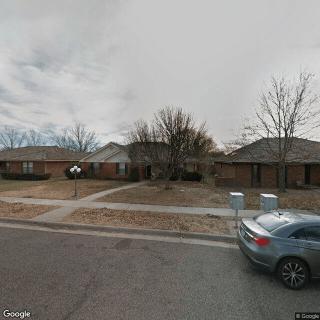
4033 West 51st Avenue, Amarillo, TX 79109
For more information about senior living options: (866) 208-4318
Overall Review of Legacy Rehabilitation And Living
Pros
 The facility is described as a super nice place with lovely people.
- The nurses were wonderful.
- Upkeep and cleanliness were very good.
- The meals were wonderful.
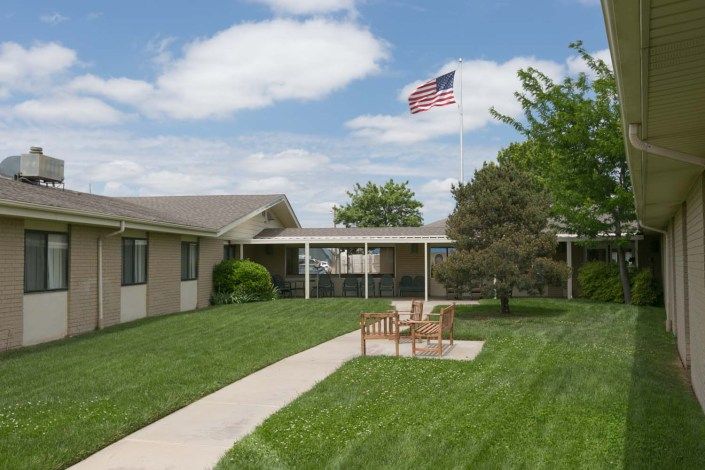
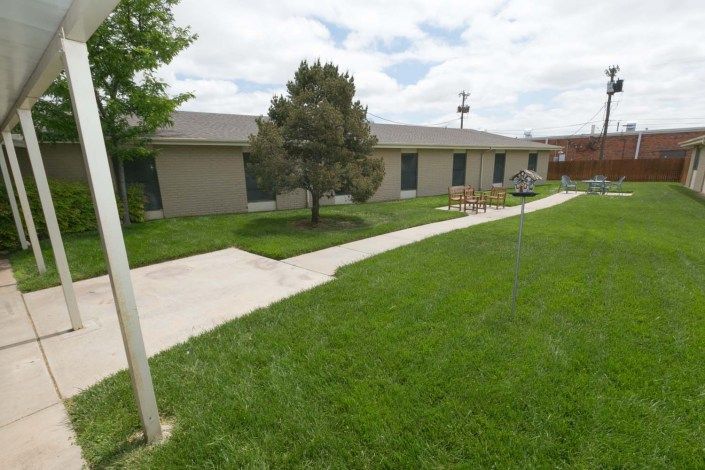
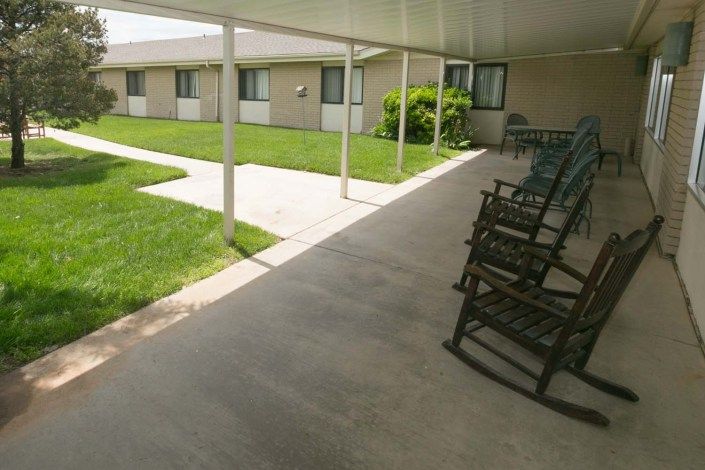
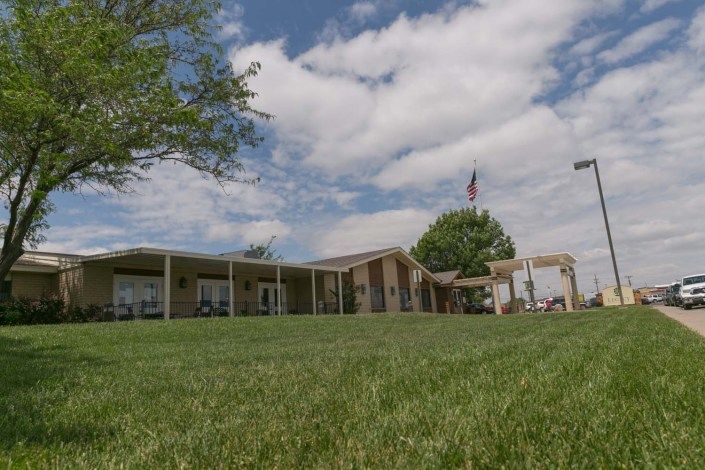
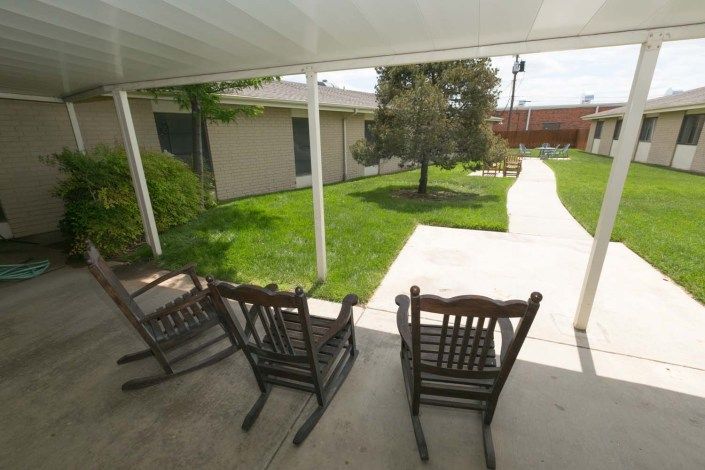
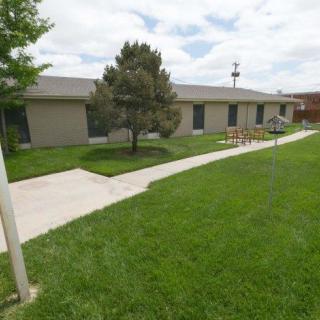
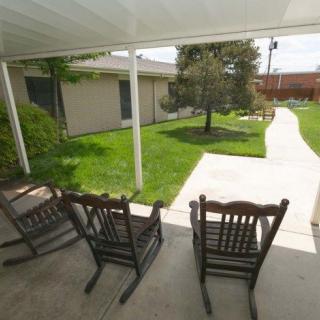
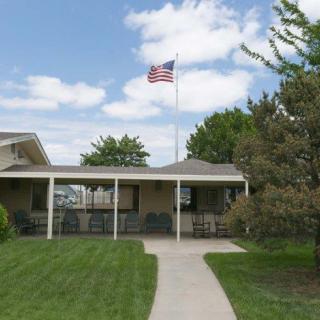
- The grounds were very good.
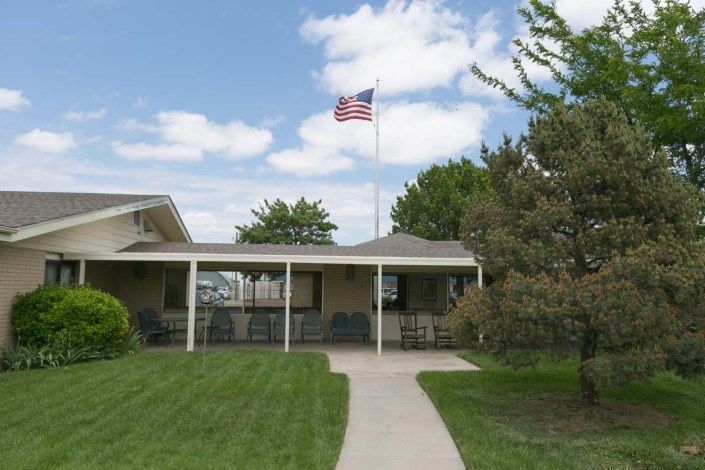
- The facility offered a raised garden area with vegetables and flowers, and staff brought residents coloring books and word search books.
Cons
 They are accused of patient dumping and evicting elderly residents without notice.
- The facility is described as awful for kicking out a resident who needed help.
- The Alzheimer’s unit was poorly managed, with wandering residents intruding into others’ rooms and taking belongings.
- Staff turnover is extremely high, with administration and social workers rotating frequently.
- There is little social engagement beyond weekly bingo, offering nothing to stimulate residents’ minds.
- They should not place Alzheimer’s patients with non-affected residents; it doesn’t work and strains staff and others.
- The home manipulates residents mentally and acts inappropriately in their lives, not adhering to diagnoses.
- There are safety concerns due to mismanagement, including incidents when residents wandered or routines were disrupted.
- They fail to address lost belongings and provide promised therapies after self-pay, leaving residents underserved.
Review
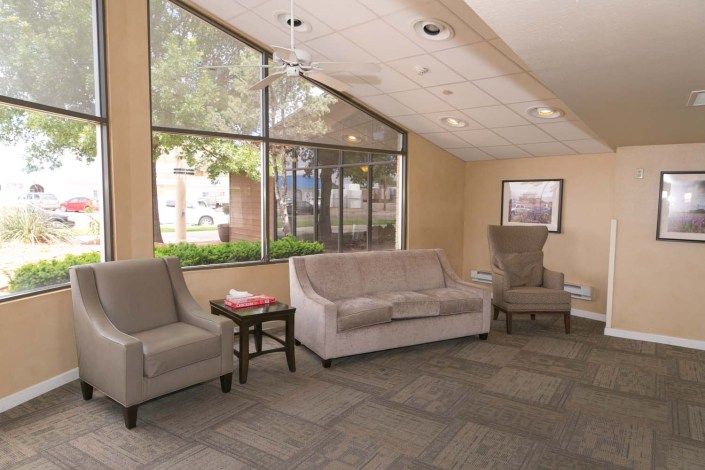
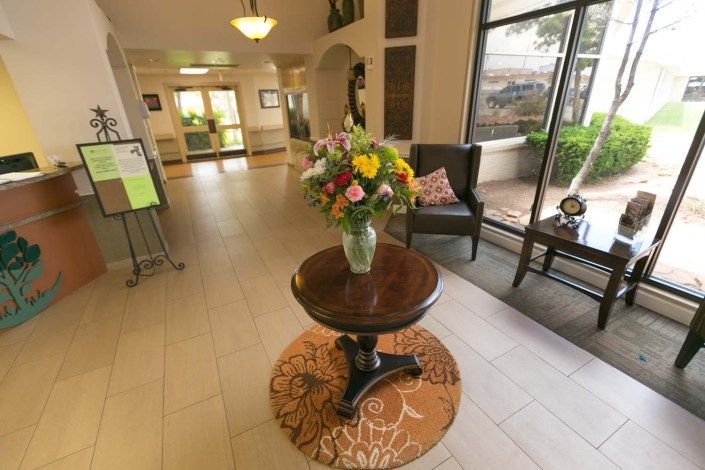
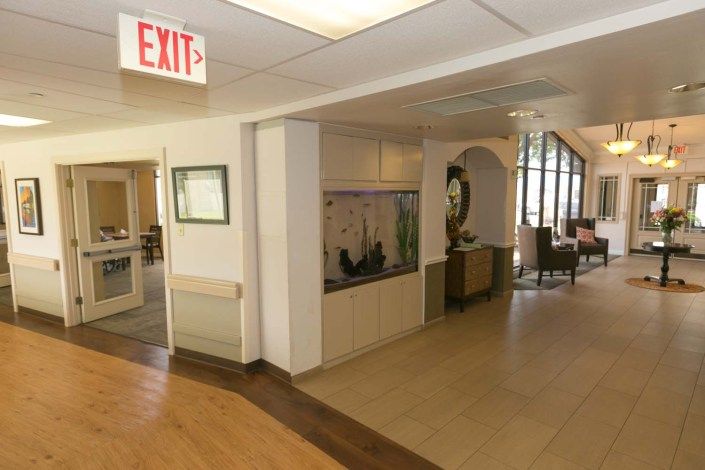
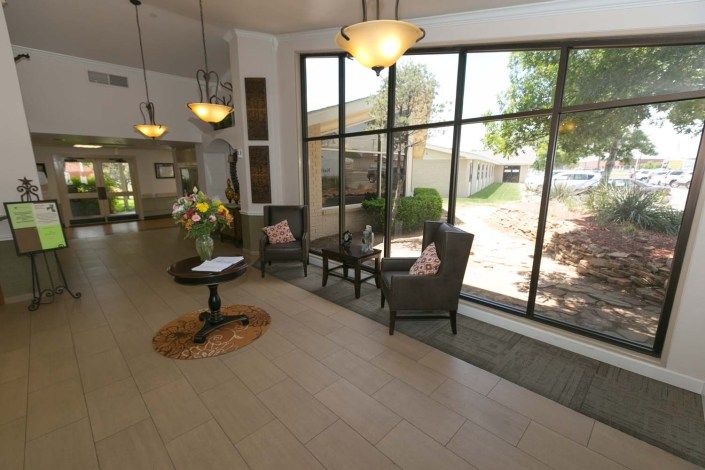
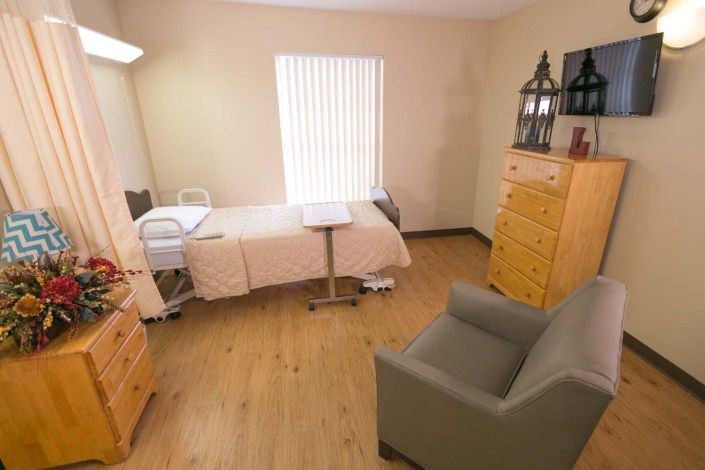
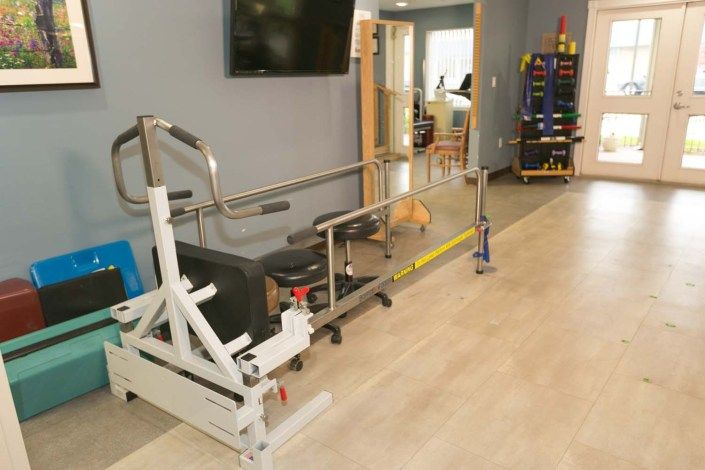
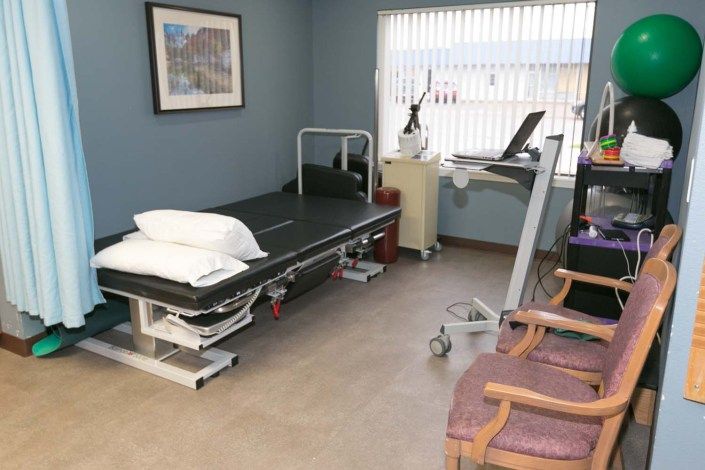
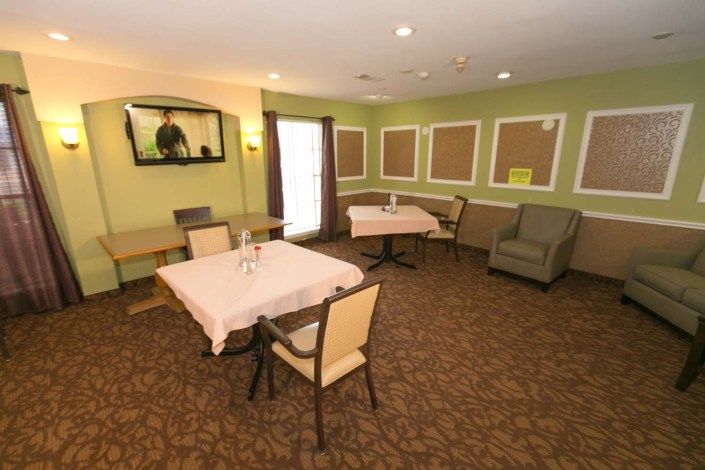
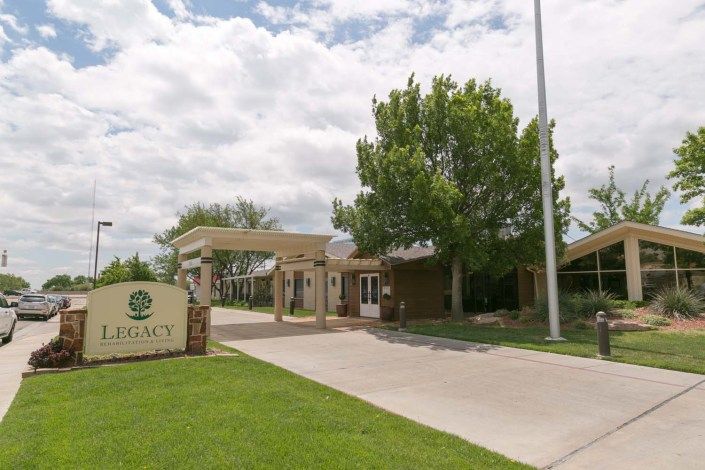
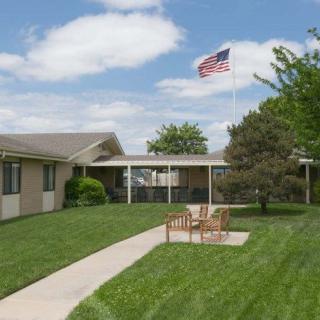
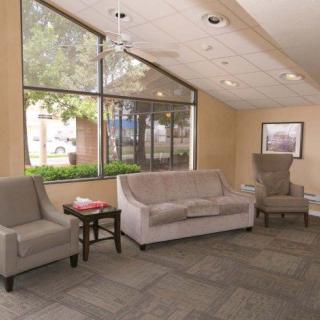
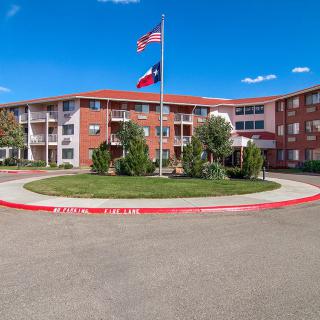
Legacy Rehabilitation And Living in Amarillo, Texas, is best suited for families seeking a warm, comfortably kept environment with attentive direct care and solid food service for a loved one who requires skilled nursing support. The campus presents well: clean, well-maintained grounds, a bright dining room, and a menu that residents praise as hearty and well prepared. For rehabilitation stays following surgery or illness, the staff in the nursing units can deliver reliable essential care and basic rehab services. The atmosphere is friendly, and reviewers repeatedly note that staff, particularly aides and front-line caregivers, are caring and pleasant. This combination of a welcoming environment and dependable day-to-day care can make a tangible difference for someone who values personal warmth and predictable routines. The caveat is that stability at the top and in memory-care management is uneven, which colors the overall experience over time.
Families should consider alternatives if a resident requires highly structured memory-care protocols, consistently stable leadership, and a robust social program that goes beyond occasional activities. The most serious red flags revolve around abrupt discharges and inconsistent administrative oversight. Reports of evictions without notice, especially for residents with Alzheimer’s, signal a policy gap that can upend care plans abruptly. Frequent turnover among administrators and social workers further undermines continuity, making it hard to trust that evolving care needs will be met. Those seeking a lively, cognitively engaging community with ongoing programming, lectures, group outings, meaningful hobbies, may be disappointed. For memory-care needs, placement decisions should be closely scrutinized, as the current culture appears to tolerate risky risk-management compromises that families cannot accept for long.
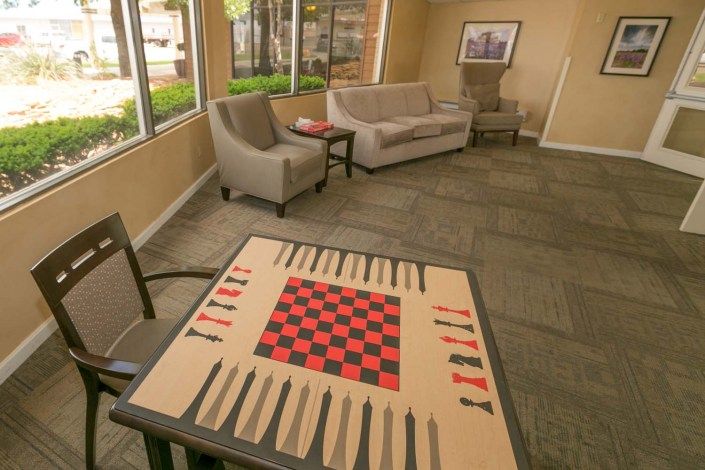
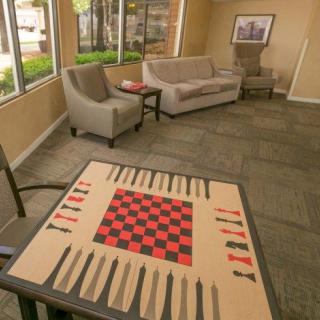
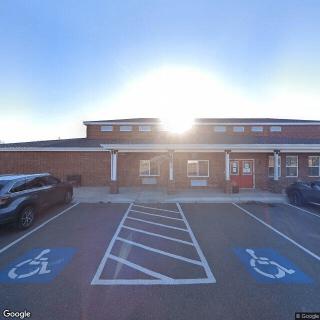
Visible strengths include the nursing staff’s quality in practice and the quality of meals and housekeeping. One reviewer singled out the nurses as wonderful, which matters greatly for daily comfort and timely medication administration. The upkeep and cleanliness were consistently praised, and the grounds provide a pleasant setting that supports a sense of normalcy. Mealtime experiences appear to be a bright spot, contributing to overall well-being during rehab. The facility also offers engaging, if modest, activities such as Easter egg hunts, garden spaces, and light cognitive activities like coloring books and word searches. These elements can help residents feel part of a community and sustain mood and appetite during a stay. Taken together, the basic day-to-day care and environment can be a meaningful buffer against decline for some residents.
Yet the downside is substantial and pervasive in multiple reviews. The most damaging allegation is patient manipulation and inappropriate involvement in residents’ lives, paired with misalignment between a resident’s diagnosis and placement. The claim that Alzheimer’s patients were relocated into another unit raises safety and behavioral management concerns for both residents and staff. There is a recurring theme of poor continuity: high staff turnover, including at the administrative and social-work levels, erodes relationships and trust. Social programming is described as thin, limited to weekly bingo and similar activities, with little effort to stimulate residents’ minds beyond that. In some cases, personal items, such as clothing, were not returned after stays, and therapy services were inconsistent, particularly when families pay out of pocket. The combination of safety worries and a narrow program lineup overshadows the positives.
How the positives stack up against the negatives matters greatly for decision-making. The facility’s strengths, compassionate front-line care, solid meals, cleanliness, and a pleasant environment, are valuable, especially for short rehab stays or for residents who want a humane, low-stress setting. However, the recurring concerns about discharge practices, memory-care management, and leadership stability significantly erode confidence about long-term residency. For families weighing a move for a loved one with Alzheimer’s or advanced memory challenges, these issues can translate into unpredictable transitions, risk of inappropriate placements, and limited cognitive engagement. In other words, the wins in warmth and basic care do not fully offset the systemic gaps that affect safety, continuity, and meaningful mental stimulation over time.
Prospective residents and their families should go in with a clear checklist and ask hard questions before committing. Confirm the facility’s policy on discharging residents, especially those with Alzheimer’s, and how the memory-care needs are allocated within the campus. Request a tour of the current memory-care area and speak with the director and the nurse manager about turnover rates and staffing ratios on each shift. Inquire about the breadth of social programming, therapy services, and how personal belongings are tracked and returned. Review the most recent state inspections and request contact with a current family member to hear what daily life is actually like. If stability, predictable memory-care governance, and robust engagement are non-negotiables, consider alternatives that prioritize continuity and a proven track record in long-term memory care. Legacy can work for the right person, but careful vetting is essential.
 147 resident community capacity
 Skilled Nursing Facility
 Air-conditioning
 Beauty salon
 Cable or satellite TV
 Computer center
 Dining room
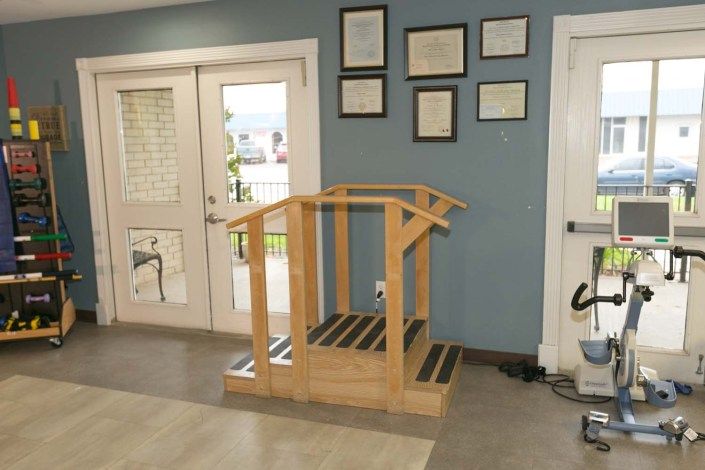
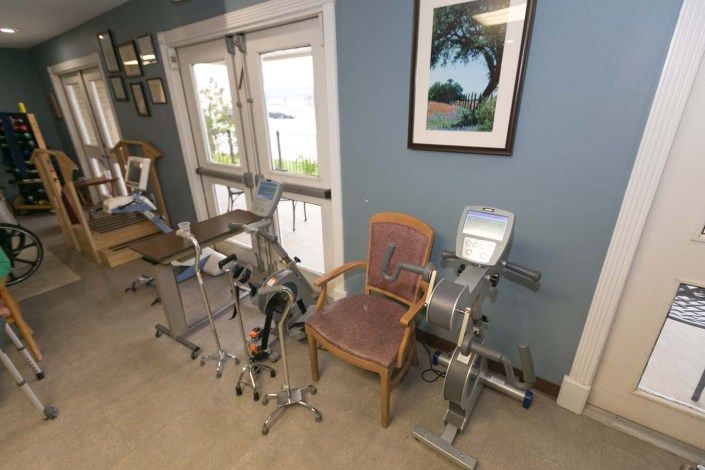
 Fitness room
 Fully furnished
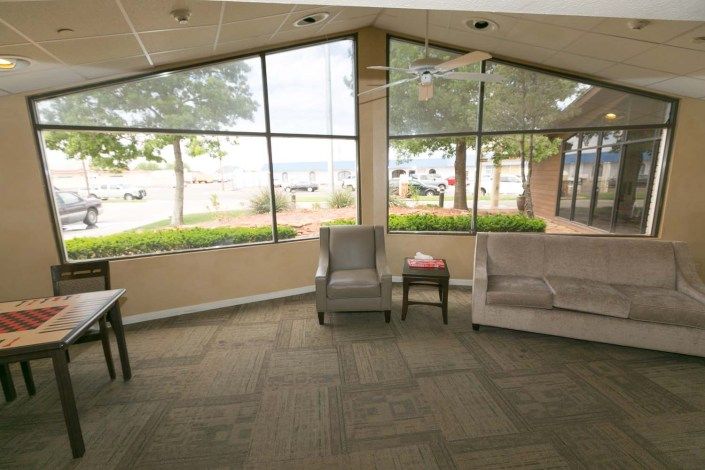
 Gaming room
 Garden
 Housekeeping services
 Kitchenette
 Move-in coordination
 Outdoor space
 Private bathrooms
 Restaurant-style dining
 Small library
 Telephone
 Wellness center
 Wi-Fi/high-speed internet available
 Amarillo International (11 miles away)
 Community operated transportation
 12-16 hour nursing
 24-hour call system
 Activities of daily living assistance
 Assistance with bathing
 Assistance with dressing
 Assistance with transfers
 Diabetes diet
 Medication management
 Mental wellness program
 Special dietary restrictions
 Concierge services
 Planned day trips



 Recognizing the Journey: Understanding and Navigating Anticipatory Grief
 Encouraging Participation in Adult Day Care: A Guide to Supporting a Hesitant Parent
 Comprehensive Exploration of Living Wills and Other Advance Directives