For more information about senior living options: (866) 208-4318
4.6 from 42 reviews
5 stars
35
4 stars
3
3 stars
1
2 stars
0
1 stars
3
Overall Review of Life Care Center Of Morgan County
common25 reviews mention this
Staff kindness and cleanliness stand out
Residents and families consistently describe caring, helpful staff in a clean facility.
Across many reviews, people describe friendly, kind staff who respond to needs and make residents feel cared for. Several also mention cleanliness—bright rooms, a clean building, and good-smelling environments. A few other reviews are more critical, describing strong or lingering odors and issues with room cleanliness, which is the main downside that comes up alongside the generally positive impressions.
differentiator9 reviews mention this
Therapy and rehab progress
Physical therapy and rehab experiences are described as individualized and outcome-focused.
Many reviewers talk about therapy and rehab as a core reason they were impressed, including physical therapy that helped with mobility and recovery. Several describe staff tailoring care to their needs, with attention to specific conditions and progress over time. A resident also reports regaining the ability to walk after arriving, reinforcing that day-to-day therapy is a major part of the experience.
common2 reviews mention this
Community activities show up often
Residents and visitors mention social and group activities that make time feel fuller.
Some reviews include examples of shared time, like eating outside in the gazebo with family. Others describe a schedule of community gatherings and events, including music and game-style activities, that residents can participate in. Together, these comments suggest activity participation is a visible part of daily life for some residents and families.
How we summarize
Counts show how many written reviews mention each theme; a review can touch several themes, and only frequently mentioned themes are displayed.
Features
Housing
124 resident community capacity
Types of Care
Skilled Nursing Facility
Amenities
Air-conditioning
Beauty salon
Cable or satellite TV
Computer center
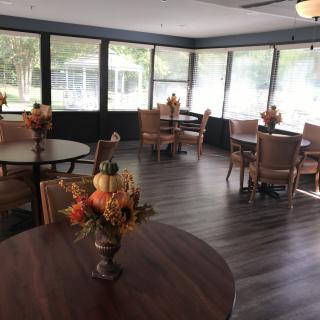
Dining room
Fitness room
Fully furnished
Gaming room
Garden
Housekeeping services
Kitchenette
Move-in coordination
Outdoor space
Private bathrooms
Restaurant-style dining
Small library
Telephone
Wellness center
Wi-Fi/high-speed internet available
Transportation
Community operated transportation
Transportation arrangement
Transportation arrangement (non-medical)
Transportation to doctors appointments
Care Services
12-16 hour nursing
24-hour call system
24-hour supervision
Activities of daily living assistance
Assistance with bathing
Assistance with dressing
Assistance with transfers
Diabetes diet
Meal preparation and service
Medication management
Mental wellness program
Special dietary restrictions
Dining
Diabetes diet
Special dietary restrictions
Activities
Community-sponsored activities
Concierge services
Fitness programs
Planned day trips
Resident-run activities
Scheduled daily activities
Nearby Places of Interest
The area of Wartburg, Tennessee, offers convenient access to medical care with several physicians, pharmacies, and hospitals located within a short distance. There are also various dining options ranging from pizzerias to cafes, providing a variety of choices for meals. For recreational activities, there are parks nearby like Lone Mountain State Forest and Coalfield Park for outdoor enjoyment. Additionally, places of worship are easily accessible for spiritual needs. Overall, this part of Wartburg provides essential amenities and services that may be beneficial for seniors looking to live in a well-equipped community.
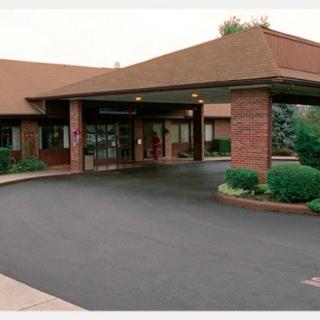
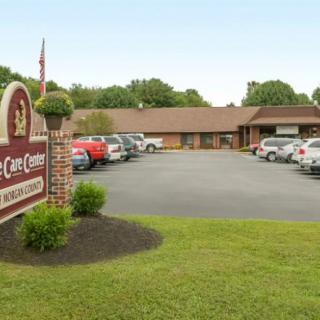
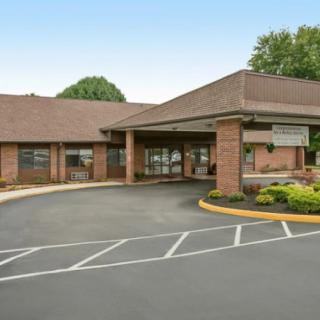
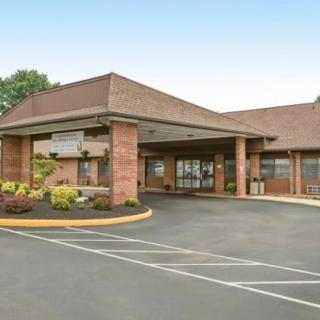
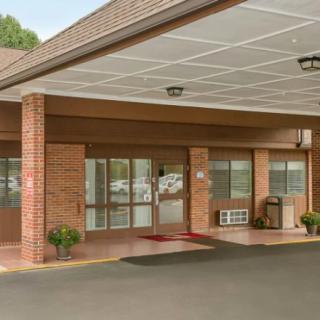
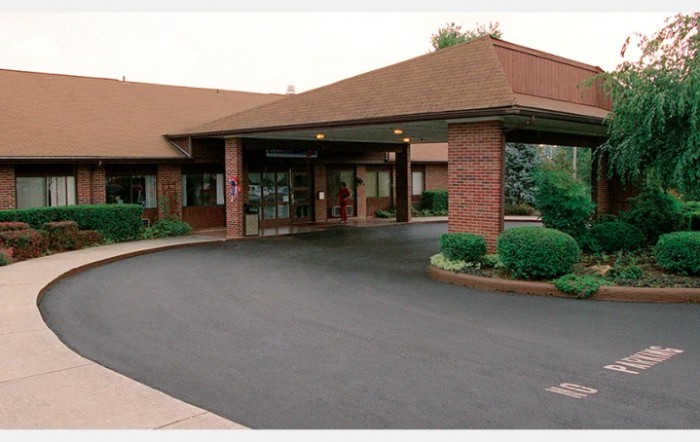
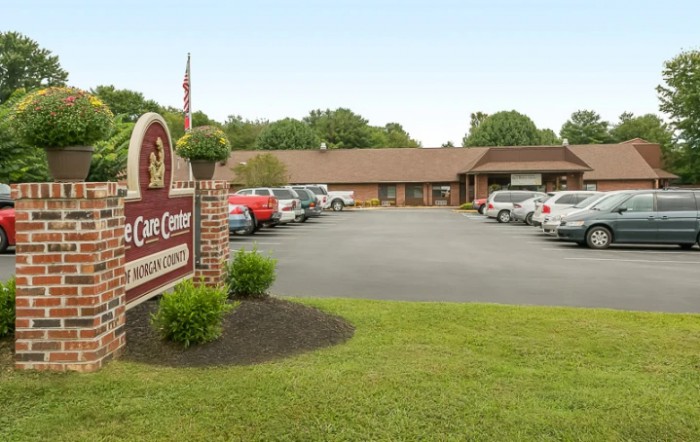
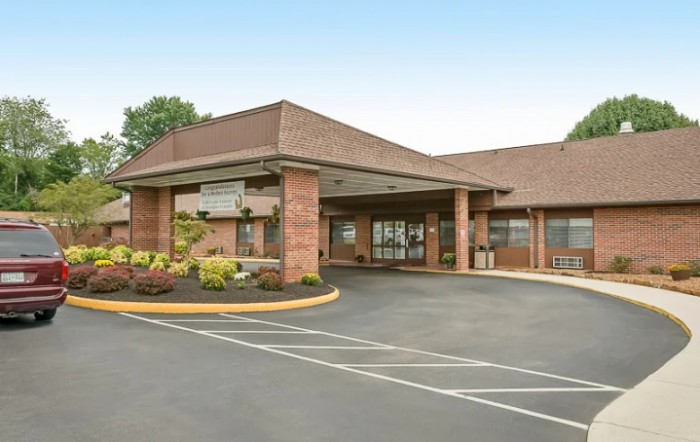
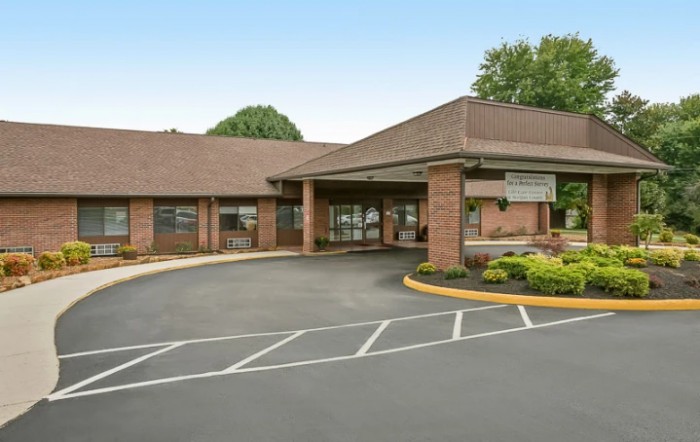
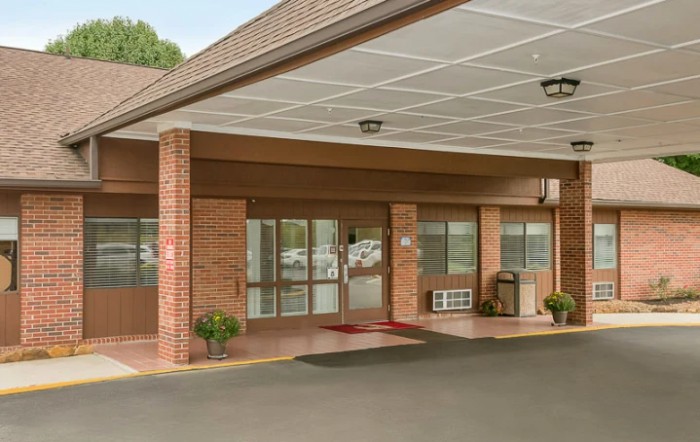
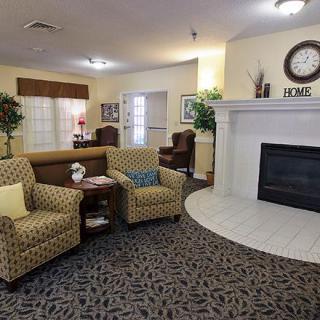
Life Care Center Of Morgan County on seniors.fyi includes 5 photos including images showing building, entrance, parking, landscaping, awning, brick, exterior, architecture, and more.
Nearby Communities
Harriman Care & Rehab Center
Harriman, TN
3.4 from 5 reviews
Extensive on-site amenities and care services (24-hour supervision, diabetes diet, transportation to appointments, wellness programs, beauty salon, dining room, fitness and recreation).
Harriman Gardens
Harriman, TN
3.7 from 26 reviews
$848 to $2,500 / month
Affordable pricing across unit types relative to local county and state averages.
Renaissance Terrace
Harriman, TN
3.8 from 20 reviews
Dedicated, conscientious staff with clear communication and an on-site rehab gym.
Dorothy's Village
Oliver Springs, TN
Strong healthcare proximity and abundant nearby amenities.
Good Samaritan Society-Fairfield Glade
Fairfield Glade, TN
4.7 from 24 reviews
$4,265 / month
Extensive on-site amenities and personalized assisted living services.
Senior Citizen Home Assistance Service, Inc.
Rockwood, TN
4.2 from 17 reviews
Access to nearby healthcare, pharmacies, dining options, transportation, and places of worship.
Patriot Hills Assisted Living Facility
Oak Ridge, TN
4.8 from 21 reviews
$2,450 to $3,450 / month
Staff treat residents like family; clean facilities with nutritious meals.
Commonwealth Senior Living at Oak Ridge
Oak Ridge, TN
4.6 from 202 reviews
$2,475 to $3,967 / month
Friendly, attentive staff in a clean facility with engaging activities.
The Groves at Oak Ridge
Oak Ridge, TN
4.8 from 178 reviews
Caring, friendly staff in a clean, welcoming environment with engaging activities.
Medicare provides limited coverage for skilled nursing home care, covering full benefits for the first 20 days and partial benefits up to 100 days under certain conditions, after which families must explore alternative funding options like Medicaid or long-term care insurance to manage potentially high costs. Proactive planning is essential to navigate the complexities of financing ongoing care once Medicare coverage ends.
Geriatric care managers create personalized care plans for older adults, addressing their medical, social, financial, and psychological needs while coordinating services and advocating for their well-being. They help families navigate caregiving challenges but may be hindered by high costs and a shortage of qualified professionals.
The article highlights the importance of empathy and open communication when comforting someone who is grieving, noting that grief is unique to each individual and emphasizing the need for sincere expressions of condolence, active listening, and ongoing support. It also addresses cultural differences in mourning practices and encourages tailored approaches to provide effective comfort.
Get PricingAsk A QuestionSchedule A TourContact Senior Advisor
By clicking submit, you agree to our Partner's Terms of Use. You
also consent to receive calls and texts, which may be autodialed, from our Partner. Your consent is not a condition to
using our Partner's service. Please visit our Partner's Privacy Policy for information about their privacy practices.

 124 resident community capacity
 Skilled Nursing Facility
 Air-conditioning
 Beauty salon
 Cable or satellite TV
 Computer center
 Dining room
 Fitness room
 Fully furnished
 Gaming room
 Garden
 Housekeeping services
 Kitchenette
 Move-in coordination
 Outdoor space
 Private bathrooms
 Restaurant-style dining
 Small library
 Telephone
 Wellness center
 Wi-Fi/high-speed internet available
 Community operated transportation
 12-16 hour nursing
 24-hour call system
 Activities of daily living assistance
 Assistance with bathing
 Assistance with dressing
 Assistance with transfers
 Diabetes diet
 Medication management
 Mental wellness program
 Special dietary restrictions
 Concierge services
 Planned day trips
 Extensive on-site amenities and care services (24-hour supervision, diabetes diet, transportation to appointments, wellness programs, beauty salon, dining room, fitness and recreation).



 Managing Nursing Home Expenses After Medicare Coverage Ends
 Is a Geriatric Care Manager the Right Choice for Your Family?
 Compassionate Conversations: How to Comfort Someone Who Is Grieving