
100 Samaritan Way, Fairfield Glade, TN 38555
For more information about senior living options: (866) 208-4318
Good Samaritan Society-Fairfield Glade Costs & Pricing
Good Samaritan Society-Fairfield Glade offers private room accommodations at a monthly cost of $4,265, which aligns with the average expenses in Cumberland County. This pricing is consistent with the local market rate but exceeds the overall state average in Tennessee, where similar private room facilities typically charge around $3,696 per month. As such, while residents at Good Samaritan Society-Fairfield Glade can expect quality care and amenities reflective of their investment, it is essential to consider this pricing within the broader context of regional and state costs for senior living options.
| Floor plans | Good Samaritan Society-Fairfield Glade | Cumberland County | Tennessee |
|---|---|---|---|
| Private | $4,265 | $4,265 | $3,696 |
Overall Review of Good Samaritan Society-Fairfield Glade
Pros
 The front desk worker is very attentive.
- The staff treats residents with dignity, respect, and care.
- The establishment is highly recommended.
- It is the nicest full-service long-term care facility in the Upper Cumberland.
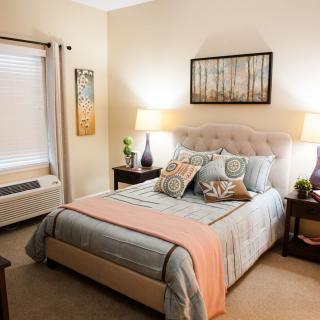
- The rooms are fabulous, with private bathrooms and tiled showers, plus natural light and included phones and TVs.
- The place is incredible and takes excellent care of families; it is well worth it.
Cons
 The staff wasn’t really very helpful.
- It seemed the staff hoped the mom would be moved out sooner.
- Management was too hands-off when it came to residents’ well-being.
- Management did not inform the family about dining-room issues and failed to call them.
- There was a staff member who bullied the mom.
- Some of the staff could use some help.
- The facility may not be a good fit for someone who is borderline independent due to lack of on-demand services.
Review
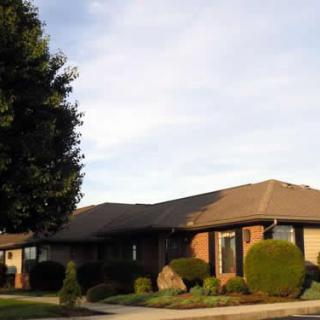
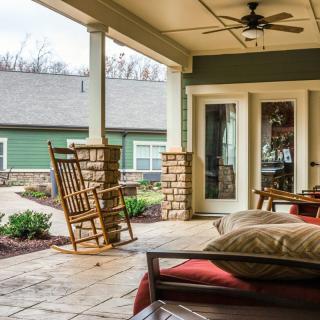
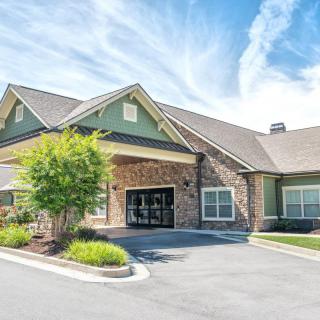
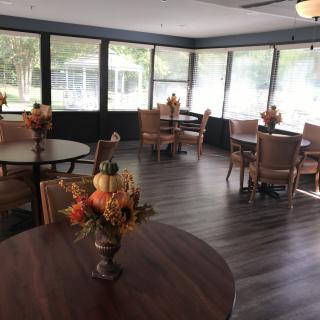
This community is best suited for seniors who want a dignified, well-maintained environment where staff treat residents with real respect and where families feel welcome and supported. It works particularly well for individuals who are largely independent but may benefit from rehab services or transitional care as part of a long-term plan. The Fairfield Glade campus presents a polished, home-like setting with bright rooms that include private baths, good natural light, and thoughtfully designed common areas. For families seeking a facility that balances comfort with a serious commitment to resident dignity, this is a compelling option.
On the strength side, the everyday experience reads as reassuringly solid. Front-desk and front-line staff are consistently described as attentive, friendly, and helpful, with several accounts of staff going above the minimum to assist families and their loved ones in difficult transitions. The environment itself earns praise: cleanliness is evident, rooms are well-appointed, and amenities such as private bathrooms, tiled showers, and included phone and TV contribute to a sense of value and comfort. The facility’s emphasis on smells, orderly dining spaces, and even small touches like adult bibs contributes to a perception of ongoing care rather than a transactional stay. These elements collectively translate into a caregiving atmosphere that feels thoughtful and people-centered.
Yet, no facility is without caveats, and Good Samaritan Society-Fairfield Glade is no exception. A recurring concern centers on independence plus the availability of services on an as-needed basis. One reviewer highlighted that the community does not function as a menu-driven service provider, which can leave families scrambling when a resident’s needs climb from independent living to requiring more support. Relatedly, there are impressions of management adopting a hands-off posture in certain scenarios, with specific anecdotes about delayed communication when a resident’s dining routine shifted or additional support became necessary. Taken together, these themes point to a right-sized caution: this is not a place that readily supplies flexible, on-demand care augments beyond what is included in the base offering.
The way the positives interact with these limitations matters for decision-making. The strong, respectful culture and the attractive physical environment can offset some of the drawbacks for residents who remain largely independent or who require only episodic rehab and transitional support. Families praised the facility for treating loved ones with dignity and for delivering a level of attention that makes a scary transition feel more manageable. In practical terms, this means that for a resident who does not yet require a broad menu of services or aggressive case management, the positives will likely outweigh the limitations. For these residents and their families, the overall experience can feel like a stable, comforting home base during a potentially destabilizing chapter.
Still, certain realities warrant careful comparison against alternatives. Any family facing the likelihood of sustained, higher-acuity needs should consider how a lack of proactive, ongoing care planning and a formal service expansion path might affect long-term satisfaction. If a loved one will soon require more consistent on-site assistance, memory care components, or a robust, clearly defined escalation process, other communities with structured care tiers and more aggressive management engagement may provide greater reassurance. Those who prize meticulous communication about daily routines, dining engagement, and timely updates should verify those processes in advance and seek explicit assurances about how changes in care level are identified and communicated.
In sum, Good Samaritan Society-Fairfield Glade delivers a confident, high-quality living experience that excels in atmosphere, respect, and family inclusion. It stands out for residents who are moving from independence into assisted living and who value a polished, compassionate backdrop for that transition. The strongest appeal lies in the human touch, the staff’s willingness to support families and affix meaning to every interaction, paired with clean, comfortable surroundings. The primary red flag is the facility’s limited flexibility around service customization and proactive management; for some, that trade-off is acceptable and even preferable, but for others it will be decisive. The prudent path is to align expectations with the care model: if independence is stable and the need for additional services remains modest, this community is an excellent match; if ongoing, scalable care is anticipated, explore options that offer a built-in continuum and more proactive care coordination.
 99 resident community capacity
 Assisted Living
 Skilled Nursing Facility
 Activities on-site
 Air-conditioning
 Beauty salon
 Cable or satellite TV
 Computer center
 Devotional services off-site
 Dining room
 Fitness room
 Fully furnished
 Gaming room
 Garden
 Housekeeping services
 Indoor common areas
 Kitchenette
 Move-in coordination
 Outdoor space
 Private bathrooms
 Restaurant-style dining
 Small library
 Telephone
 Wellness center
 Wi-Fi/high-speed internet available
 Community operated transportation
 24-hour call system
 Ambulatory care
 Assistance with bathing
 Assistance with dressing
 Assistance with transfers
 Diabetes diet
 Diabetic care
 Medication management
 Special dietary restrictions
 Concierge services
 Planned day trips

 A Detailed Exploration of Assisted Living Medicaid Waivers Across the United States
 Comprehensive Residential Support and Assisted Living Solutions for Individuals with Disabilities
 Comprehensive Supportive Living Arrangements for Adults with Disabilities