
2727 Palmyra Road, Palmyra, TN 37142
For more information about senior living options: (866) 208-4318
Overall Review of Palmyra Health And Rehabilitation
Pros
 The staff usually make a good effort.
Cons
 The place is dangerous.
- The place is horrible and has reportedly mistreated a visitor’s family, throwing a mom out like a dog.
- It is an inhumane place where nobody should stay.
- The facility is under-resourced and rundown.
- Despite some staff making an effort, the overall conditions are poor.
Review
Palmyra Health and Rehabilitation in Palmyra, Tennessee is best suited for families seeking a budget-minded skilled-nursing option who are prepared to supervise care closely. The facility appears to attract residents needing routine daily support and post-acute rehabilitation where frontline staff can make a meaningful difference, even when resources are tight. It is not positioned as a high-end care environment, and families should expect limited amenities and a campus that can feel worn. In short, it serves as a pragmatic choice for those willing to trade polish for cost savings and active advocacy, with oversight deemed essential to quality.
Those who may want to consider alternatives are families seeking consistently high safety standards, dependable humane treatment, and robust staffing ratios. For residents with significant medical complexity, cognitive challenges, or elevated fall risk, this facility may fall short of what is required. Families who cannot visit regularly should not assume care will be reliably steady; the most troubling feedback centers on abrupt discharges and perceived inhumane handling. In such cases, expanding the search to facilities with stronger staffing, more resources, and proven safety records is a prudent move.
On the upside, reviewers note that staff usually make a good effort day to day. This attentiveness matters in a setting where recovery and daily routine hinge on responsiveness and personal interaction. A frontline commitment to residents’ comfort and basic care can improve mood and quality of life in the moment. Yet these positives are consistently undercut by the facility’s under-resourcing and rundown condition: dated spaces and equipment, limited staff availability, and the constraints that come with a lean budget. The care level is genuine, but the systemic gaps prevent reliable, consistent outcomes across the resident population.
The most alarming signals from the reviews are safety and treatment concerns. Descriptions range from hazardous conditions to accounts of abrupt, harsh discharge that leaves loved ones in worse shape and families furious. These stories are not mere opinions; they highlight real risks that the setting may fail to guarantee humane handling or orderly transitions. Even where staff show goodwill, the facility’s structural weaknesses, shortages of equipment, insufficient monitoring, and limited administrative bandwidth, can erode trust and jeopardize recovery trajectories. For families prioritizing stability and respectful care, these patterns demand serious caution.
For any decision to move forward here, practical due diligence is essential. Request current staffing rosters and nurse-to-patient ratios, and observe how quickly staff respond during a tour. Inspect resident areas for cleanliness, safety features, and the condition of equipment. Talk with multiple residents and family members about discharge planning, transitions to home or another facility, and access to rehabilitation services. Review state inspection records, complaint logs, and any adverse findings. Clarify emergency protocols, medication oversight, and whether a robust family advocacy plan exists to monitor daily care and ensure accountability.
In sum, Palmyra Health and Rehabilitation should be viewed as a budget-conscious option that requires aggressive oversight and ongoing advocacy. It is not suitable for families seeking consistently high safety standards or a reliably humane experience; alternatives with stronger staffing, richer resources, and proven track records deserve serious consideration. If exploration continues, approach with a plan: visit unannounced, verify staffing and safety practices, insist on clear discharge criteria, and secure a solid fallback option. The objective is to secure care that delivers respectful treatment and dependable rehab outcomes without exposing a loved one to avoidable risk.
 75 resident community capacity
 Skilled Nursing Facility
 Air-conditioning
 Beauty salon
 Cable or satellite TV
 Computer center
 Dining room
 Fitness room
 Fully furnished
 Gaming room
 Garden
 Housekeeping services
 Kitchenette
 Move-in coordination
 Outdoor space
 Private bathrooms
 Restaurant-style dining
 Small library
 Telephone
 Wellness center
 Wi-Fi/high-speed internet available
 Community operated transportation
 12-16 hour nursing
 24-hour call system
 Activities of daily living assistance
 Assistance with bathing
 Assistance with dressing
 Assistance with transfers
 Diabetes diet
 Medication management
 Mental wellness program
 Special dietary restrictions
 Concierge services
 Planned day trips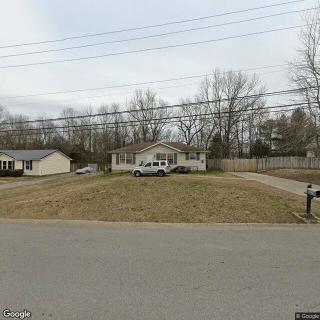







 Understanding the Nuances of Palliative Care and Hospice: A Comprehensive Exploration
 Fecal Incontinence in Older Adults: A Comprehensive Guide
 Nurturing Well-Being Through Gardening: A Detailed Guide for Senior Enthusiasts