
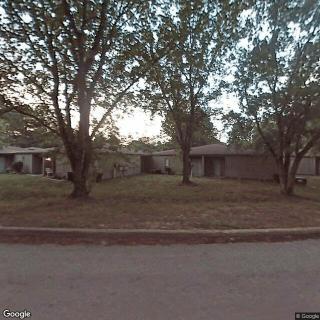
5081 Easley Avenue, Millington, TN 38053
To contact a resident: (901) 873-3290
For more information about senior living options: (866) 208-4318
Overall Review of Millington Healthcare Center
Pros
 They feel it's good to be in a place where everyone pulls together.
- They were good to her during her stay.
- The facility was clean, had enough staff, and the food was good.
- He was well taken care of and progressed to walking again.
- The physical therapy was very professional and caring.
- They took really good care of her and she enjoyed the activities.
- The nurses and aides were attentive to residents' needs.
Cons
 The staff does not care about the people.
- She has been in extreme pain, and they have done nothing to help.
- The staff left food in the loved one's room instead of bringing it to her, making her feel like she didn’t matter.
- There were reports of abuse and theft, with unexplained bruises and starvation.
- She was beaten in the face, developed sepsis, and weeks later died.
- The staff were overworked and understaffed, and the majority didn’t care.
- The food served is terrible.
- This place is a joke.
Review
Millington Healthcare Center in Millington, TN is best suited for seniors who need rehabilitation and steady nursing support and who prize tangible progress and a team-oriented care culture. The facility earns praise where rehab is the centerpiece: residents recover sufficient function to return home after strokes or hospital stays, and families repeatedly note the effectiveness of the physical therapy program. Cleanliness and regular communication with families stand out, with therapists and aides described as collaborative and goal-focused for each resident. The environment can feel home-like, and there are accounts of compassionate care for residents with Alzheimer’s. Taken together, these strengths align well for planning a discharge-focused trajectory, provided rehab momentum remains the priority and staffing holds steady on the floor.
Those considering alternatives should weigh a different daily rhythm. For families seeking near-constant bedside attentiveness, universal timely pain control, and consistently high dining satisfaction, Millington may not be the best fit. Several reviews raise concerns about rude or inattentive nursing staff, delayed medications, and, on rare but serious occasions, neglect and unsafe conditions. These reports suggest that staffing consistency and supervisory oversight vary by shift, which can be risky for residents who require thorough monitoring around the clock. For memory care-heavy needs or residents with complex behavioral issues, it’s prudent to compare facilities with stronger, more uniform staffing and clearer escalation procedures.
On the upside, the rehab-focused strengths are tangible. The center’s physical therapy program earns strong endorsements, with therapists who are professional and effective at moving residents toward discharge goals. Clean facilities and steady maintenance support a positive daily experience, and family members frequently credit dietary staff and cooks who are willing to tailor meals when possible. The presence of a well-equipped rehab suite and a capable team creates a credible pathway for residents to regain independence. For families prioritizing rehab momentum and accessible progress updates, these elements can be decisive factors when choosing between crowded options in the area.
Yet the cons cannot be ignored. Pervasive concerns about staffing gaps and inconsistent responsiveness appear in multiple accounts, including disputes over pain management and basic comfort. The most troubling reports describe harm, neglect, or deterioration when care lapses occur, ranging from untreated pain to cases described as abusive. Food quality emerges as a recurring grievance, diminishing daily life for residents who rely on meals provided at the facility. These safety and service gaps underscore the risk for residents with higher or more complex needs, reminding families that even a rehab-heavy program depends on reliable day-to-day care across all shifts.
Despite these flaws, the strong rehab track record and clean, professional environment often offset the concerns for families who stay engaged and hold leadership accountable. The key is proactive involvement: demand a detailed care plan, request regular progress notes from therapists, and verify pain management protocols. Tour the facility during peak hours to gauge staff availability and responsiveness firsthand. Financial questions also deserve scrutiny, as one account hints at residents’ full income being managed by the facility, highlighting the need to understand billing and how funds are applied to care. Where guardrails are clear and staffing is stable, Millington can deliver meaningful functional gains without drifting into neglect.
Bottom line: Millington Healthcare Center can be a solid fit for rehab-focused families who want demonstrable progress in a clean, engaged environment, provided there is vigilant oversight and a plan for staffing consistency. It is not the default choice for every senior, particularly those needing unwavering, 24/7 attentiveness or a dining program that consistently satisfies. Prospective families should schedule a thorough visit, speak with the rehab director and a nurse manager, and request recent incident summaries. If the facility shows steady staffing, transparent care plans, and a proven rehab track record, Millington deserves careful consideration; if not, alternatives with steadier daily routines deserve priority.
 85 resident community capacity
 Skilled Nursing Facility
 Activities on-site
 Air-conditioning
 Beauty salon
 Cable or satellite TV
 Computer center
 Devotional services off-site
 Dining room
 Fitness room
 Fully furnished
 Gaming room
 Garden
 Housekeeping services
 Indoor common areas
 Kitchenette
 Move-in coordination
 Outdoor space
 Private bathrooms
 Restaurant-style dining
 Small library
 Telephone
 Wellness center
 Wi-Fi/high-speed internet available
 Memphis International (21 miles away)
 Community operated transportation
 12-16 hour nursing
 24-hour call system
 Ambulatory care
 Assistance with bathing
 Assistance with dressing
 Assistance with transfers
 Diabetes diet
 Diabetic care
 High acuity care
 Medication management
 Mental wellness program
 Special dietary restrictions
 Concierge services
 Planned day trips


 Comprehensive Guide to Blood Pressure Charts for Older Adults: Understanding Normal and High Readings by Age
 Financing Long-Term Nursing Home Care Through Social Security: A Thorough Exploration
 Essential Knowledge on Pneumonia in Older Adults