
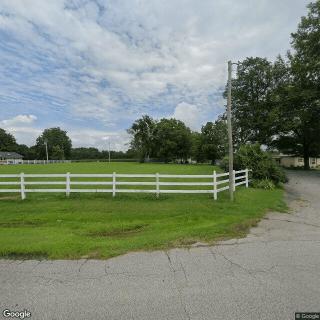
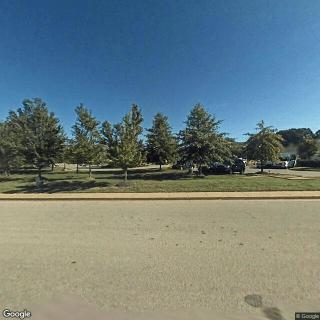
2084 West Main Street, Milan, TN 38358
For more information about senior living options: (866) 208-4318
Overall Review of Douglas Health And Rehabilitation
Pros
 Douglas Health and Rehab has devoted and caring staff.
 - Everyday good deeds support residents’ well-being and lend a helping hand to co-workers.
- The facility is a great place to live and work.
- The staff are dedicated and dependable.
- They look forward to coming to work to see their work family and residents.
- They provide the best care possible.
- The building is full of lovely residents and staff who make the place great.
- Caregivers demonstrate compassion every day.
- Residents and staff share inspirational Bible studies and support each other through challenges.
Cons
 The niece was bullied by staff, forced to walk out on her job, and cried.
- A staff member suggested to a seventeen-year-old employee that she take prescription medication.
- Staff laughed at her, made jokes, and caused her to cry while on the clock.
- Family members were hung up on when trying to speak to a supervisor.
- The staff were rude, insensitive, and unprofessional toward vulnerable family members.
- The reviewer would not send an elderly family member there because of the staff.
Review
Douglas Health And Rehabilitation in Milan, TN is best suited for seniors who want a home-like, faith-informed community where care is delivered with evident warmth and daily fidelity. The facility clearly appeals to residents who value a stable, long-tenured caregiving team, a collaborative atmosphere among staff, and a sense of belonging that comes from routine, predictable care. Families that prioritize steady, compassionate attention over high-intensity rehab programming will find the core strengths here compelling. Those who seek highly clinical, specialty-focused care or a brisk, businesslike approach to operations may want to look elsewhere.
The strongest positives center on the people delivering care. Reviews repeatedly highlight devoted, caring staff and a work culture that translates into dependable support for residents. Long-tenured employees contribute to consistency, which reduces confusion for those navigating daily routines and treatment plans. A genuine teamwork ethos is evident in how caregivers, residents, and even family members interact, creating moments of connection that feel authentic and supportive. For many, that translates into a tangible sense that the place is a “home away from home,” where daily kindness and reliability form the backbone of living there. Spiritual life is another meaningful thread, with Bible studies and shared faith-based moments that help residents and families forge a sense of community, particularly during challenging times.
However, the reviews do carry a noticeable caveat about staff dynamics that cannot be ignored. One account describes a serious breach of professionalism, where a young staff member faced bullying by others, accompanied by troubling behavior toward a coworker and a dismissive supervisory response. The tone and specifics suggest gaps in staff supervision, HR oversight, and a culture that may tolerate inappropriate conduct. That kind of incident, if representative beyond a single episode, raises legitimate concerns for families about safety, staff accountability, and how quickly concerns are addressed. Even with otherwise positive voices, the sting of potential mistreatment, whether toward staff or residents, cannot be dismissed, and it challenges the notion that compassion alone suffices without strong governance.
These pros and cons interact in a way that shapes decision-making. The remarkable devotion of caregivers and the community-oriented vibe offer real-life benefits: residents receive steady help with activities of daily living, consistent staffing, and a welcoming, supportive environment. That care strength can offset many daily inconveniences and create a stable habitat for meaningful social and spiritual engagement. Yet the notable incident casts a shadow that can undermine trust and safety unless the administration demonstrates clear, effective remedies, strong HR processes, transparent reporting, protected whistleblower pathways, and visible accountability for staff behavior. In other words, the positives matter deeply, but only if governance keeps pace to prevent or quickly remediate problematic conduct.
Who should consider alternatives? Families that are risk-averse to any hint of staff mistreatment or inconsistent supervision will want to examine other options with stronger, demonstrable policies and faster response mechanisms. This is especially true for those who require more intensive clinical oversight or specialized therapies, where staffing stability and professional conduct are non-negotiable. Those who prize a consistently professional environment and a clear, communicated plan for addressing grievances should demand concrete assurances, visit during peak hours, and speak candidly with current residents and staff about accountability and training.
Practical steps for families evaluating Douglas Health And Rehabilitation are straightforward and essential. Schedule multiple tours at different times to observe how staff interact with residents and with each other; request direct conversations with front-line caregivers and a supervisor to gauge responsiveness and morale. Ask for current staffing ratios, recent staff turnover data, and descriptions of ongoing training. Inquire about incident reporting, investigation timelines, and how concerns are escalated and resolved. Speak with residents and family members about the quality of daily care, the availability of meaningful activities, and the presence of any lingering anxiety around staff behavior. If the leadership can provide transparent answers and a robust plan to strengthen oversight, the community can offer a compelling, well-rounded option for families seeking warmth, continuity, and spiritual community. If not, there are likely stronger choices nearby that deliver equal warmth with firmer governance.
 72 resident community capacity
 Skilled Nursing Facility
 Air-conditioning
 Beauty salon
 Cable or satellite TV
 Computer center
 Dining room
 Fitness room
 Fully furnished
 Gaming room
 Garden
 Housekeeping services
 Kitchenette
 Move-in coordination
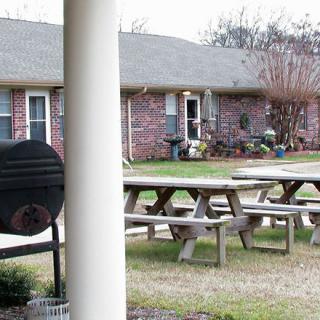
 Outdoor space
 Private bathrooms
 Restaurant-style dining
 Small library
 Telephone
 Wellness center
 Wi-Fi/high-speed internet available
 Community operated transportation
 12-16 hour nursing
 24-hour call system
 Activities of daily living assistance
 Assistance with bathing
 Assistance with dressing
 Assistance with transfers
 Diabetes diet
 Medication management
 Mental wellness program
 Special dietary restrictions
 Concierge services
 Planned day trips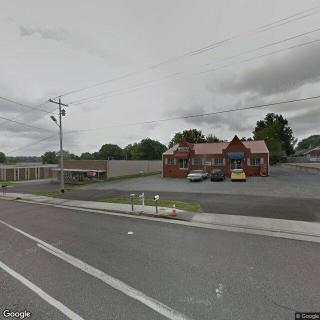


 Understanding the Nuances of Palliative Care and Hospice: A Comprehensive Exploration
 Fecal Incontinence in Older Adults: A Comprehensive Guide
 Recognizing the Journey: Understanding and Navigating Anticipatory Grief