
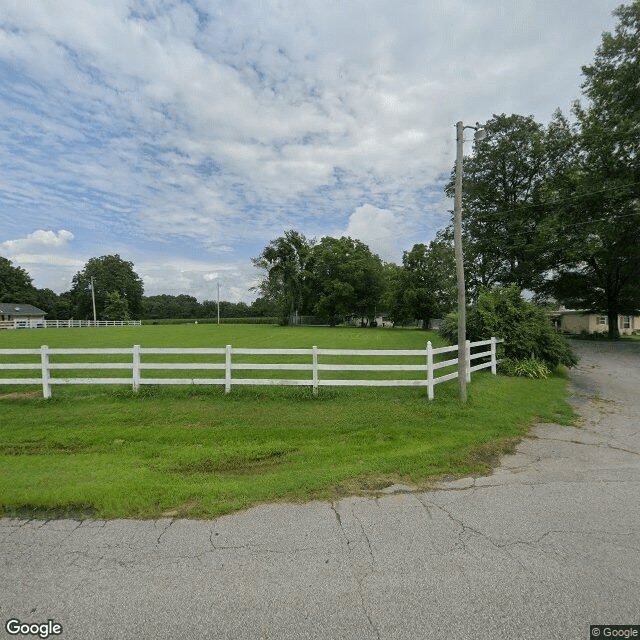
8060 Stinson St, Milan, TN 38358
To contact a resident: (731) 686-8364
For more information about senior living options: (866) 208-4318
Overall Review of Milan Health Care
Pros
 They have potential to improve their phone answering.
- They are open to learning how to answer calls more reliably.
- They are focused on improving customer communication.
- They aim to provide better service by enhancing phone responsiveness.
Cons
 They never answered the phone after six attempts over an hour.
- They failed to pick up the phone despite multiple calls.
- They need to improve their ability to answer the phone.
Review
Milan Health Care in Milan, TN appears best suited for seniors who are largely independent and do not rely on staff for routine tasks or quick access to information. The available signal suggests a setting where daily operations and care coordination cannot be counted on to be responsive, which means only residents who can function with minimal staff interaction and who have strong external support should consider this option. Families should approach this community with the expectation that inquiries and arrangements may require persistent follow‑up rather than smooth, hands‑on assistance from the start.
Those evaluating care options should seriously consider alternatives if timely communication is a priority. The most salient warning from the current feedback is the persistent failure to answer the phone, six attempts over an hour yielded no contact. That kind of responsiveness is foundational for admissions, ongoing care planning, and crisis management. Any family needing reliable front‑desk assistance, straightforward escalation paths, or a readily accessible point of contact will likely find Milan Health Care wanting. In short, this facility should not be the first stop for families seeking clear, proactive engagement during the transition to care.
In terms of strengths, the absence of clearly documented benefits in the available information makes the communication flaw all the more consequential. Without visible evidence of robust staffing, transparent pricing, reliable tours, or a proven track record of coordinated care, the main drawback cannot be offset by other positives. When the admission process hinges on timely information and consistent follow‑through, a facility that struggles to answer phones risks leaving families in limbo and residents without the planned supports they were promised. The balance, given the data, skews decisively toward caution.
Prospective residents and their families should verify several critical factors before proceeding. First, test the answering process yourself at different times and days to gauge consistency, then demand a guaranteed point of contact for admissions and ongoing needs. Second, arrange an on‑site tour and observe how staff respond to questions, how organized the front desk is, and whether management appears engaged and accessible. Third, inquire about staffing ratios, shift coverage, and how care needs are documented and communicated to families. Finally, demand a written outline of services, not just promises, and request direct references from current residents or families who have recent experience.
From a decision‑making perspective, the relative importance of reliable communication cannot be overstated. If the primary goal is stability and confidence in the initial intake and ongoing coordination of care, Milan Health Care represents a significant risk. Families with flexible timelines or those who can devote extra effort to securing reciprocal communication may tolerate or work around the current shortcomings, but the margin for error remains uncomfortably wide. The prudent path is to constrain expectations, actively compare with better‑reviewed options, and only move forward if and when the facility demonstrates consistent responsiveness and a transparent, resident‑centered operating approach.
Bottom line: the credibility of Milan Health Care hinges on one unequivocal weakness, unreliable access to staff. For families prioritizing dependable communication, this community should be a clear alternative to be crossed off the shortlist in favor of facilities with proven responsiveness and clearer admissions processes. If circumstances change and the provider can demonstrate steady, proactive engagement across inquiries, tours, and ongoing care coordination, reconsideration would be warranted. Until then, rigorous due diligence and a bias toward options with verifiable, consistent contact should guide the decision.
 Skilled Nursing Facility
 Activities on-site
 Devotional services off-site
 Indoor common areas
 Ambulatory care
 Diabetic care
 Meals provided







 A Detailed Exploration of Living Wills and Advance Directives
 Comprehensive Guide to Medicare Coverage for Hospice Care
 Caring for Those Who Care: Recognizing, Understanding, and Overcoming Caregiver Burnout