
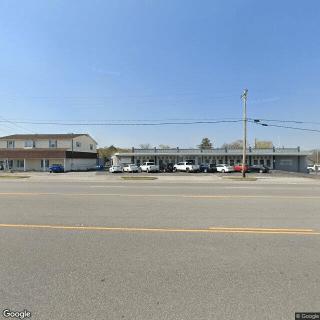
1001 McArthur St, Manchester, TN 37355
To contact a resident: (931) 728-3586
For more information about senior living options: (866) 208-4318
Overall Review of United Regional Med Ctr Home
Pros
 The employees here are so helpful.
- It is an awesome place for drug screening.
Cons
 The facility is old and the staff is mediocre at best.
- The facility could be double-dipping, charging both the insurance company and the patient the same amount.
- The hospital does not pay its bills and expects others to cover them.
- The hospital would send patients to collections if they were more than 30 days past due.
- The ER was terrible.
- Elderly patients reportedly developed bed sores during their stay.
Review
This community is best suited for families that need a very specific, narrow set of services tied to hospital-adjacent care rather than a reliable, all-day senior living environment. It can function for short, focused encounters, such as basic screening needs or very limited acute-care touchpoints, but it is not a solid option for elders who require consistent daily living support, wound care, or long-term supervision. Those seeking a stable, home-like setting with predictable daily routines should look elsewhere.
The reviews point to a pattern of serious risk factors that overwhelm any minor positives. On the bright side, some staff members are described as courteous and helpful in particular contexts, and the site may handle drug-screening tasks efficiently. Yet these isolated positives hardly compensate for pervasive concerns: visible bed sores on elderly residents, a facility that feels outdated, and a workforce that many families characterize as mediocre at best. The contrast between brief moments of responsiveness and a broader impression of neglect creates a chasm between what is promised and what is delivered over time.
Financial operations emerge as a dominant and alarming theme. Billing confusion, incorrect balances, and aggressive collection activity threaten families’ financial stability and credit. Instances of misdirected invoices, supposed insurance coordination failures, and the implication of double-dipping or inappropriate charges point to systemic oversight problems. When billing becomes the primary stressor, it undermines trust in the facility’s ability to manage essential care, because the financial relationship is inseparable from ongoing, in-room care and scheduling.
Given the combined weight of care quality concerns and billing instability, the pros are not enough to offset the cons for the typical family weighing long-term placement here. The presence of a few courteous staff members or a service line that runs smoothly in one area does not counterbalance reports of neglect, poor wound care, and inconsistent medical oversight. An elderly resident’s safety, comfort, and consistent monitoring are non-negotiable expectations in any senior setting; here they are described as uneven at best and hazardous at worst, which makes sustained trust untenable for most households.
For families navigating options, a clear due-diligence path is essential. Ask for a transparent, written escalation plan that covers wound care protocols, daily nurse-to-resident ratios, and what constitutes an acceptable response time for concerns. Request recent copies of all billing records, insurance communications, and any outstanding balances, and insist on a single point of contact for financial questions to avoid fragmented correspondence. Tour the facility with a specific checklist: ongoing skin integrity programs, appropriate pressure-relief equipment, access to a physician or nurse visit schedule, and the cleanliness and maintenance of patient rooms and common areas. Probe the ER and acute-care experiences as well, focusing on what happened, how issues were resolved, and what follow-up was promised.
If a choice must be made between this community and alternatives, lean toward facilities with proven wound-care outcomes, transparent billing practices, and consistently positive resident-family feedback. The best-fit option is a hospital-affiliated or professionally staffed senior community that demonstrates strong wound-management protocols, adequate staffing levels, and a track record of timely, accurate billing with straightforward communication. In the current landscape, this Manchester facility presents too many red flags for families seeking reassurance, continuity, and dignity for an elder’s daily life.
 Skilled Nursing Facility


 Understanding the Sandwich Generation: Stress and Responsibilities for Multigenerational Caregivers
 8 Essential Assistive Devices for Older Adults
 Navigating the Financial Road to Nursing Home Care: In-Depth Guidance and Resources