
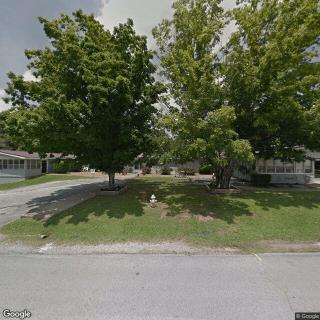
1707 Mcminnville Highway, Manchester, TN 37355
For more information about senior living options: (866) 208-4318
27 Bailey Manor Costs & Pricing
At 27 Bailey Manor, residents can benefit from competitive pricing on their living arrangements compared to both Coffee County and the broader state of Tennessee. The monthly cost for a semi-private room is set at $1,850, significantly lower than the county's average of $2,383 and the state average of $3,162. For those seeking more privacy, a one-bedroom unit is available for $2,000, which again offers substantial savings compared to Coffee County's rate of $3,400 and Tennessee's average of $3,592. These pricing advantages not only make 27 Bailey Manor an attractive option for potential residents but also underscore its commitment to providing quality care at accessible rates.
| Floor plans | 27 Bailey Manor | Coffee County | Tennessee |
|---|---|---|---|
| Semi-Private | $1,850 | $2,383 | $3,162 |
| 1 Bedroom | $2,000 | $3,400 | $3,592 |
Assisted Living communities with a similar price nearby
-
from +$150 / mo

McMinnville Boarding Home for the Elderly
$2,000 to $2,500 / month20.7 miles away
Overall Review of 27 Bailey Manor
Pros
 The place has improved, thanks be to God.
- There is hope that elder financial exploitation will no longer be a common crime endorsed by state courts against elders in Tennessee.
Cons
 The reviewer describes the facility as a hell hole where APS allegedly put their parents to break them.
- They say the rooms were 13 by 13 with only a curtain over the bathroom.
- They report an alarm system going off every time someone entered or exited.
- They claim residents were fed only pasta and that cleaning staff stole personal items.
- They state that, if one wished to torture someone to death, this would be the place.
- They describe it as one of the worst places the State of TN could place wards of a guardian.
- They accuse elder financial exploitation as a common crime endorsed by state courts against elders in TNofukU.
Review
27 Bailey Manor in Manchester is not a fit for someone seeking safe, respectful, quality assisted living. If a decision-maker must name a best-use scenario, the honest answer is that there is none that makes this community appealing. The evidence in the available account points to a facility whose environment and operations fail to meet basic standards of dignity, safety, and reliable care. In practical terms, the only conceivable “fit” would be a resident with extremely minimal needs who has a trusted advocate outside the building and is prepared to accept significant risk; otherwise this is not a viable option for a senior who requires predictable oversight and humane treatment.
Families should consider alternatives for virtually every situation that involves a loved one with guardianship, vulnerability, or caregiving needs. Those who require consistent, nutritious meals, respectful daily routines, or proactive protection from exploitation should look elsewhere. Anyone evaluating options in or around Manchester, TN who prioritizes privacy, transparent staffing, and accountable care should rule this site out. The situation described, small room size, lack of privacy, intrusive alarms, and serious allegations of theft and exploitation, constitutes a compelling case to seek a markedly safer, more reputable setting.
One potential, albeit limited, pro is the facility’s compact footprint, which theoretically could support easier supervision and quicker responses for staff if properly managed. The alarm system described might be seen as a rudimentary safety feature, signaling that access is monitored. Beyond that, there is little that can be counted as a genuine positive in this particular profile. The combination of a cramped 13-by-13 room with a curtain rather than a real door or privacy, and the absence of any meaningful evidence of consistent, respectful care, undermines any marginal benefit these features could offer.
The cons are overwhelmingly more consequential. Residents reportedly endure rooms without real privacy, with bathrooms separated only by a curtain, and with an alarm that sounds whenever someone enters or exits the space. The meal pattern described, limited to pasta, points to inadequate nutrition and lack of attention to dietary needs, which is unacceptable for sustained health. Even more alarming are repeated allegations of financial exploitation and theft by cleaning staff, paired with references to guardianship arrangements that place vulnerable elders under a state-level oversight framework. Such claims, if accurate, indicate a fundamental risk to safety, autonomy, and financial security that no cost savings or proximity advantage can justify.
From a decision-making perspective, the key question becomes whether any pros truly offset these major risks. In this case, they do not. A monitored access alert and a small facility footprint cannot compensate for chronic privacy violations, the potential for abuse, substandard meals, and a leadership culture that appears to tolerate or overlook exploitation. In practical terms, the positives are so outweighed by the structural and behavioral hazards that the option should be eliminated from consideration for any resident who values dignity, safety, and enforceable rights.
The prudent path is to pursue solid, well-regarded alternatives that demonstrate transparent operations, adequate staffing, and a track record of safeguarding residents. Families should visit competing communities, request current incident reports, and verify licensing and complaint histories with the state. Ask about meal plans, room sizes, privacy safeguards, and how guardianship cases are managed, demand clear, written policies and evidence of consistent enforcement. Seek firsthand impressions from current residents and their families, and require references that can speak to long-term care quality. In short, 27 Bailey Manor should be approached with extreme caution, and only as a last resort if every other option has been exhausted and oversight mechanisms are uncompromisingly strong.
 24 resident community capacity
 Assisted Living
 Beauty salon
 Cable or satellite TV
 Dining room
 Fully furnished
 Garden
 Housekeeping services
 Kitchenette
 Move-in coordination
 Outdoor space
 Telephone
 Wi-Fi/high-speed internet available
 24-hour call system
 Activities of daily living assistance
 Assistance with bathing
 Assistance with dressing
 Assistance with transfers
 Diabetes diet
 Meal preparation and service
 Medication management
 Mental wellness program
 Special dietary restrictions
 Transportation arrangement (medical)
 Transportation to doctors appointments






 8 Key Indicators That Suggest It May Be Time to Transition from Assisted Living to Skilled Nursing Care
 Vibrant Senior Living: A Comprehensive Guide for Active Older Adults
 When to Transition from Assisted Living to Memory Care: Key Indicators, Steps, and Finding the Right Community