
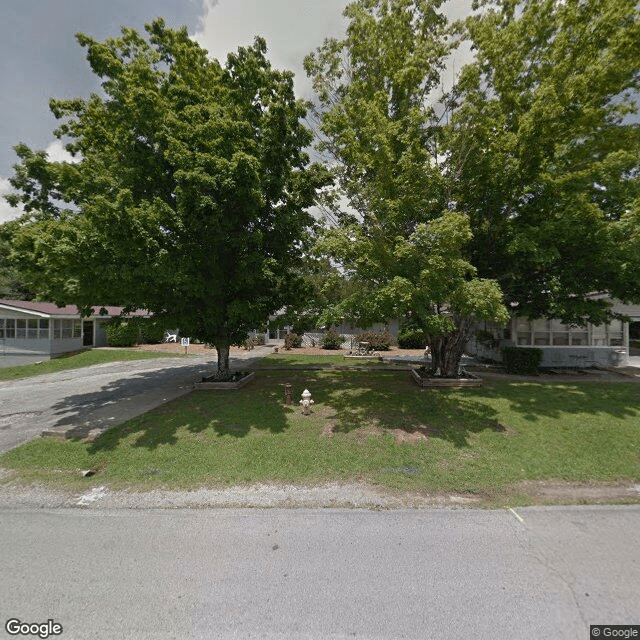
30 Powers Bridge Rd, Manchester, TN 37355
To contact a resident: (931) 728-7549
For more information about senior living options: (866) 208-4318
Overall Review of Manchester Community Liv Ctr
Pros
 The brother loves it there and feels they are his family.
- He is well groomed and looks amazing.
- The staff make every resident feel loved and special.
- The facility is a very good place to live.
- The staff are beyond awesome and the facility is clean and well-maintained.
- The staff take great care of residents with multiple needs.
- The bed sheets are changed daily and cleanliness is evident.
- The facility and its staff have a heart for their patients, creating a big family.
- The facility provides great care, support, and love.
Cons
 The facility is HORRIBLE.
- Recent staff changes have made the facility HORRIBLE.
- The facility is severely understaffed.
- Janitors are performing duties that CNAs should handle.
- There is no dietitian, and meals are served in very small portions with Kool-Aid instead of juice.
- A new nurse almost gave the grandmother someone else’s medicine.
- The facility encourages residents to smoke and charges them for it.
Review
Manchester Community Liv Ctr in Manchester, TN is best suited for seniors who want a warm, home-like environment where caregivers treat residents like family, rather than a glossy, hospital-style setting. It clearly serves those who value practical, everyday support and a culture built on relationships. Residents who crave social connection and the flexibility to accommodate habits such as smoking will find the facility’s culture forgiving and community-centered. The setting is not luxury; it’s functional, affordable, and anchored in familiar routines. Families seeking a sense of belonging and caregivers who know personal histories will likely feel seen and cared for here.
Alternatives should be considered for residents with high clinical needs or strict dietary expectations, or for families seeking rigorous rehab and medical oversight. Several reviews flag under-staffing as a persistent risk, potentially affecting responsiveness and safety. Diet quality and portion sizes appear inconsistent, and dedicated therapy services, physical or occupational, may be limited or depend on resident participation rather than a formal program. For memory care, palliative goals, or residents needing steady, protocol-driven care, other communities with more robust clinical teams and formal therapy schedules may deliver greater predictability and safety.
On the positive side, the strongest asset is the caregiving heart of the staff. Multiple accounts describe caregivers who are genuinely caring, approachable, and deeply invested in residents’ well-being, turning everyday routines into meaningful moments of connection. The environment earns warmth through frequent greetings, smiles, and a sense of family among residents and caregivers. In several cases, families noticed tangible improvements in their loved ones through attentive daily support, steady medication practices, and reliable housekeeping routines. Even when medical needs were complex, the staff’s commitment to dignity and comfort stood out as a reliable constant.
However, the very strengths can be undermined when staffing gaps appear. Reports of under-staffing and role confusion, such as janitors taking on CNA duties, raise concerns about safety, timely care, and medication management. Some residents and families feared medication errors or experienced limited engagement with therapy, with criticisms pointing to a tendency to teach residents to use a wheelchair rather than providing active physical or occupational therapy. Meal quality also varied, with criticisms about breakfast choices and beverage options and smaller portion sizes. These lapses don’t erase the heartfelt care but they do disrupt trust and predictability, especially for families seeking consistent clinical routines.
Review patterns show a clear divide: heartfelt endorsements praising the family-like care coexist with outliers detailing significant shortcomings. The overall impression trends between strong praise and caution, indicating outcomes depend heavily on staff stability and day-to-day leadership. Prospective residents should weigh the dependable warmth against the risk of inconsistent service, particularly during staff transitions. The variability argues for a prudent approach: visit, speak with the care team, and observe the cadence of care during meals and activities before committing, ensuring expectations align with what the community can reliably deliver.
Decision guidance: this community is a solid fit for families seeking genuine care and a homelike feel at a reasonable price, with a clear emphasis on building relationships between staff and residents. If medical precision, predictable rehab schedules, and premium dining are non-negotiable, explore other options. When proceeding, schedule a thorough tour, request current menus and portion sizes, and observe a meal and a therapy session. Inquire about staffing ratios, medication safety protocols, and plans to address shortages. For residents with smoking needs or strong social preferences, verify how deck-time is structured and whether it aligns with health goals. A careful, informed visit will reveal whether Manchester Community Liv Ctr matches the needs and priorities of the family and resident in question.
 Skilled Nursing Facility








 6 Crucial Ways an Elder Law Attorney Assists Families
 Navigating the Tax Landscape of Caregiving: Credits, Deductions, and Beyond
 Highly Beneficial Low-Impact Exercises for Senior Living Residents