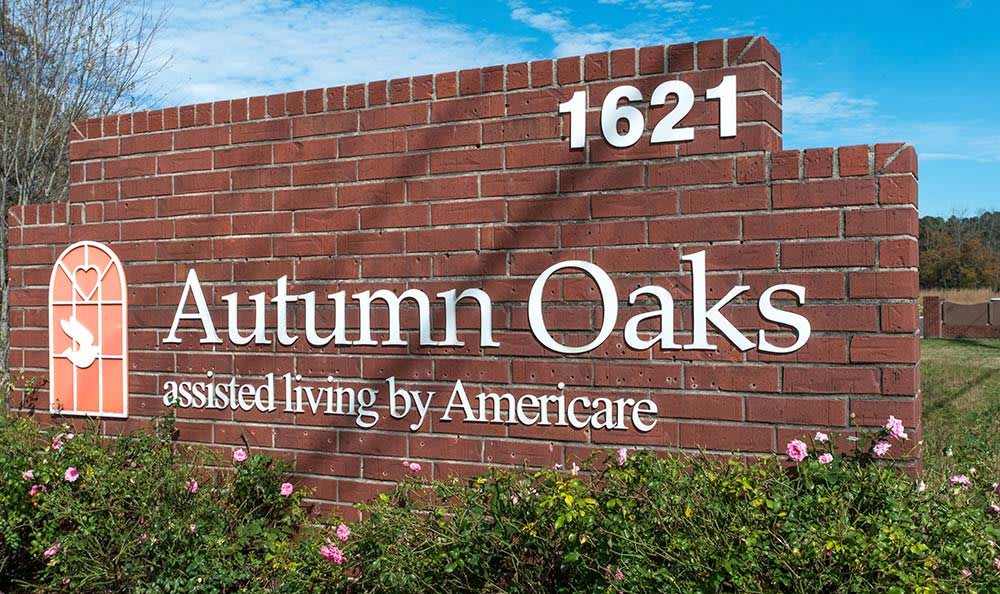

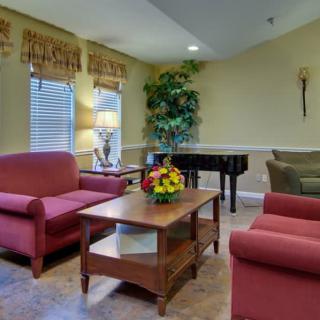
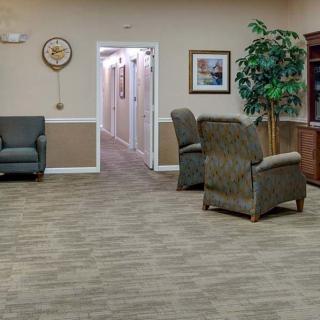
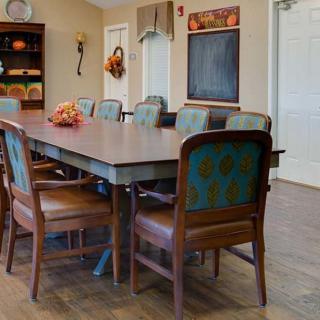
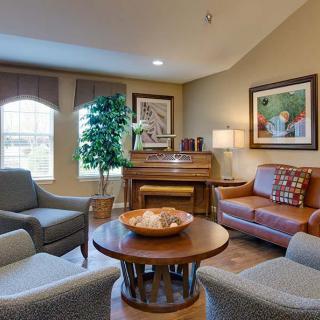

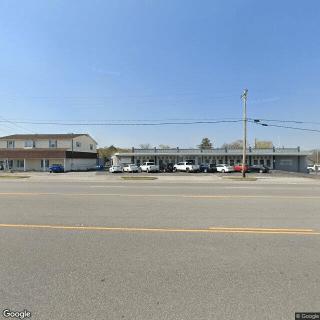
1621 McMinnville Highway, Manchester, TN 37355
For more information about senior living options: (866) 208-4318
Autumn Oaks Costs & Pricing
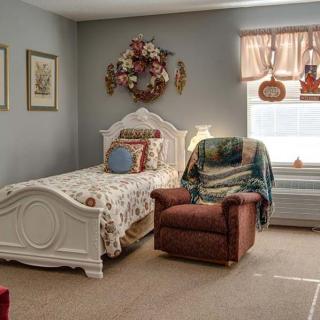
At Autumn Oaks, the costs for accommodations reflect a commitment to providing quality care and comfort in a serene environment. For a semi-private room, residents can expect to pay $3,200 per month, which is notably higher than the county average of $2,383 but remains competitive compared to the state rate of $3,162. Similarly, for those seeking a studio apartment, the monthly fee stands at $4,300. This price is slightly above the county's average of $4,200 and significantly exceeds Tennessee's state average of $3,485. These figures suggest that while Autumn Oaks may be positioned at a premium within its local market, this pricing could correlate with enhanced amenities and services tailored to meet the diverse needs of its residents.
| Floor plans | Autumn Oaks | Coffee County | Tennessee |
|---|---|---|---|
| Semi-Private | $3,200 | $2,383 | $3,162 |
| Studio | $4,300 | $4,200 | $3,485 |
Assisted Living communities with a similar price nearby
-
from +$190 / mo
Riverview Terrace
$3,390 to $4,500 / month20.5 miles away -
from -$350 / mo
Morning Pointe Of Tullahoma
$2,850 to $3,600 / month11.8 miles away -
from +$338 / mo
Celebration Way
$3,538 to $4,727 / month22.9 miles away -
from -$400 / mo

Franklin Manor
$2,800 to $3,000 / month22.9 miles away
Overall Review of Autumn Oaks
Pros
 Autumn Oaks is a small facility with warm and attentive care providers and residents who care about one another.
- Staff members interact with residents multiple times a day and can quickly recognize when additional assistance is needed.
- The home-cooked meals are balanced and plentiful, and there are various activities for residents to join.
- The care team is warm and welcoming to residents' family members as they are to the residents themselves.
- Autumn Oaks is a blessing to families, with residents thriving and enjoying the company of others and staff.
- The staff are genuinely loving and caring, treating residents like family.
- The staff at Autumn Oaks are kind, attentive, and truly feel like family.
Cons
 They were extremely disappointed by the care, with medications not administered correctly, leading to dementia-related behavior and hospitalization after a fall.
- They were met with indifference when raising concerns, receiving discharge papers instead of action.
- They cannot recommend Autumn Oaks for compassionate and competent care, suspecting profit motive over residents’ well-being.
- Money went missing from patient funds and a family heirloom ring was replaced with a fake spider ring, with no staff able to explain or assist.
- Communication between staff and family regarding well-being was deficient.
- Frequent staff turnover caused inconsistencies in administering daily medications, with pills often found on the floor.
- The sister was hospitalized twice for severe dehydration within five weeks, accompanied by unusual behavior problems.
- An immediate discharge notice was sent without family consultation and described in an insensitive manner.
Review
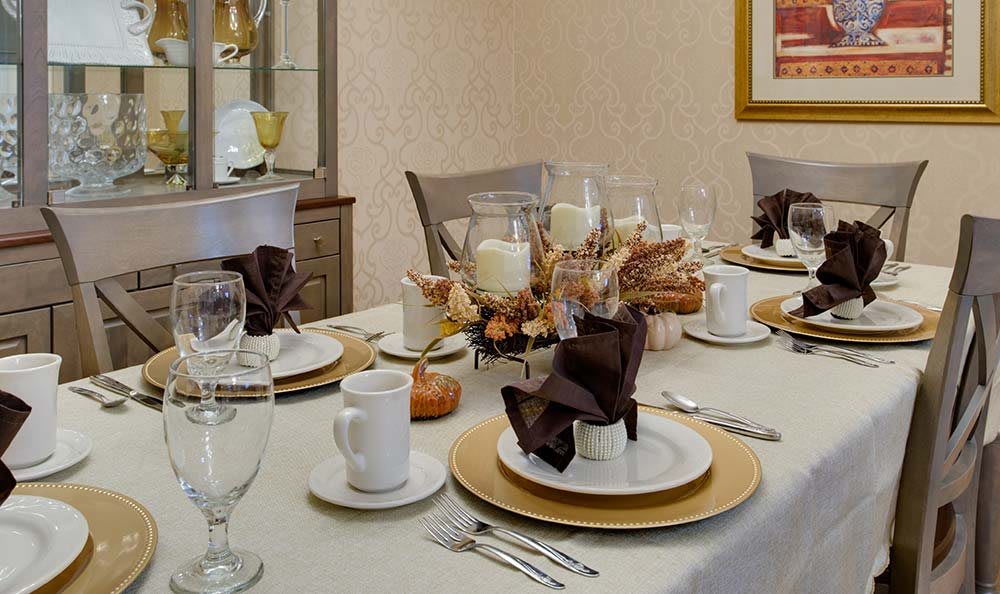
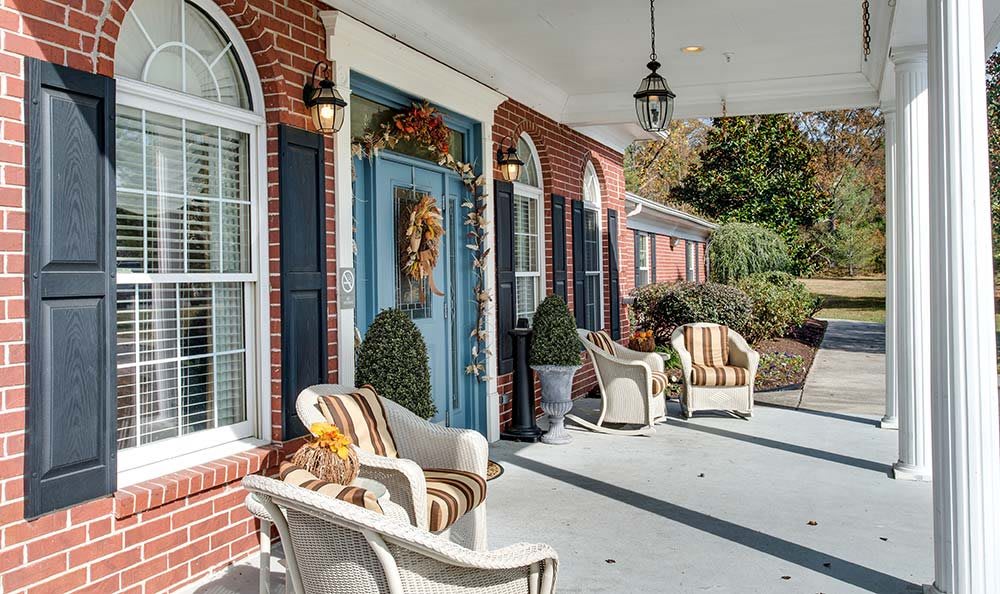
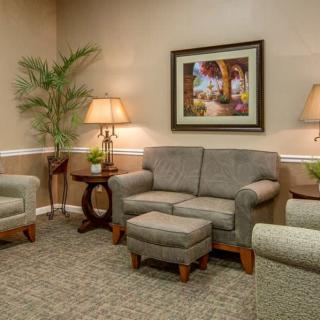
Autumn Oaks in Manchester, TN is best suited for families seeking a small, intimate assisted living environment where caregivers know residents well and the culture centers on care-as-family. The community excels when seniors value daily warmth, personal attention, and a home-like rhythm, where staff interact with residents frequently, notice subtle changes, and create a social, engaged atmosphere. It is especially appealing to families who want to age in place with a tight-knit, neighborly feel, where meals are homemade, activities are offered regularly, and the staff treats visiting family with the same regard given to residents. This setting works best for those who can prioritize regular, ongoing communication with a smaller team and who appreciate a facility that feels more like an extended family than a large, impersonal campus.
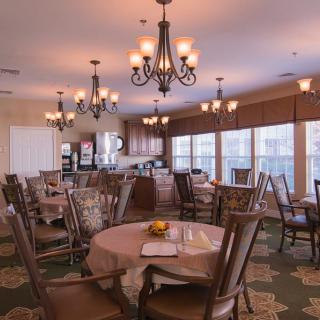
On the upside, the pros are meaningful and tangible. The small size translates into a quick, responsive care dynamic: staff members check in often, recognize when assistance is needed, and coordinate care with an eye on the resident’s comfort and mood. The dining experience is a strength, with home-cooked, balanced meals that residents seem to enjoy, and administrators who accommodate dietary requests and visiting hours. The atmosphere is consistently described as welcoming and respectful, with families noting that residents look out for one another and form genuine bonds. The administration and caregivers are frequently praised for their warmth, accessibility, and willingness to tailor activities and routines to individual interests, which yields real social and emotional benefits for aging-in-place residents.
The culture of caregiving at Autumn Oaks also deserves emphasis. Reviews repeatedly highlight a family-like environment where residents are seen as people first, not numbers, and where administrators actively participate in planning and problem-solving. The facility earns trust from families by creating opportunities for social interaction, family-inclusive events, and staff who prioritize empathy and patient dignity. The continuity of relationships with compassionate nurses and directors is cited as a stabilizing factor, contributing to a sense of security for residents and reassurance for relatives. When the tone is right, the small community becomes a powerful antidote to loneliness, with staff who know each resident’s preferences and routines.
Yet significant concerns surface in the negative experiences, and they cannot be ignored. A subset of families report serious lapses in care, including incorrect medication administration and resulting health setbacks, followed by a perception of indifference from leadership and abrupt discharge communications. Other critiques point to high staff turnover, which can create gaps in medication management and reduced consistency in daily care. Financial trust is questioned in some accounts, with allegations of missing funds and even lost personal items, and one account describes a confrontational, unsympathetic discharge note. Taken together, these stories paint a cautionary picture: when systems strain or fail to communicate, residents’ safety and well-being can be compromised, and the overall experience shifts from warm to worrisome.
These pros and cons create a clear demarcation for families weighing options. The strengths of Autumn Oaks, its intimate size, attentive staff, strong interpersonal bonds, and emphasis on home-like routines, offset many families’ desire for consistent, personalized attention. However, the most serious risks tied to medication accuracy, turnover, and financial/administrative transparency cannot be dismissed, especially for residents with fragile health, complex medication regimens, or dementia-related needs where reliable oversight is non-negotiable. For families with the bandwidth to engage actively, frequent visits, ongoing dialogue with a dedicated care lead, and a vigilant eye on medication protocols, the positives can dominate the experience. For others, particularly those prioritizing ironclad medication safety, predictable staffing, and impeccable governance, alternatives with deeper memory-care specialization or more formal oversight may be appropriate.
In the end, Autumn Oaks offers a compelling option for seniors who value a small-house, family-centric environment where compassion is visible every day. It stands out when it comes to warmth, social connectedness, and resident-centered living. But potential residents should enter with a plan: verify current medication management practices, request a stable care coordinator, review recent state survey results, and insist on transparent financial controls and regular, documented family communications. If these safeguards feel attainable and the residence still aligns with the resident’s preferences for social engagement and homelike comfort, Autumn Oaks can be a strong, cherished home. If not, consider alternatives with stronger clinical oversight, steadier staffing, and more stringent governance to satisfy safety and accountability expectations.
 49 resident community capacity
 1-bedroom apartments
 Assisted Living
 Cats allowed
 Dogs allowed
 Activities off-site
 Air-conditioning
 Bath tubs
 Beautician on-site
 Cable or satellite TV
 Computer center
 Devotional services off-site
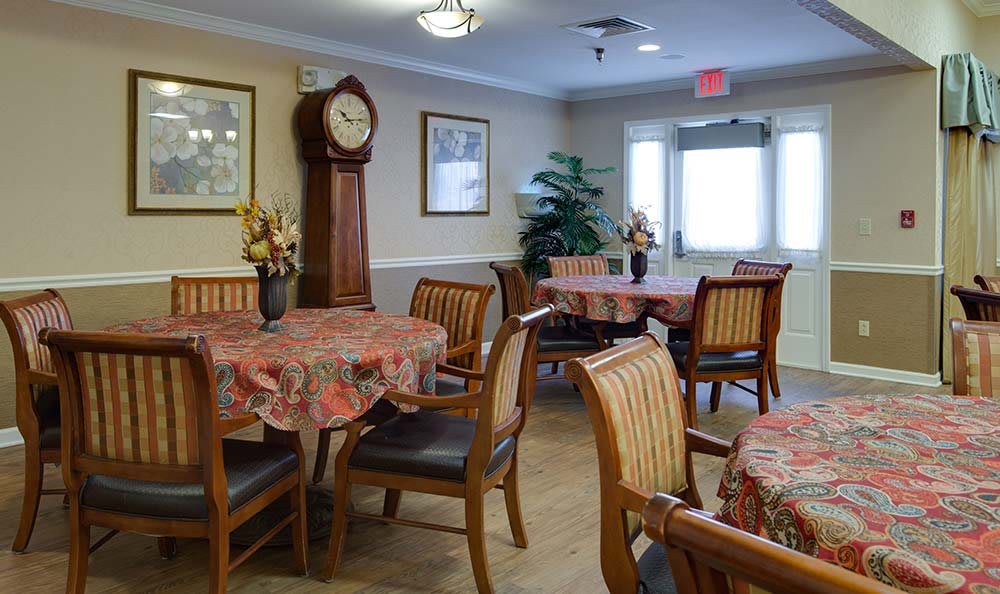
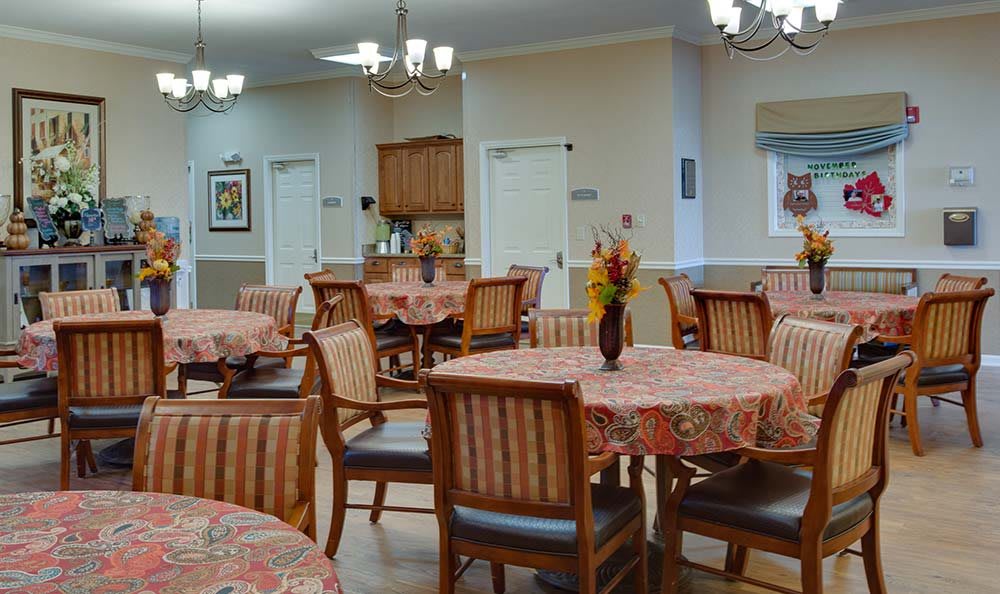
 Dining room
 Financing advice
 Fully furnished
 Garden
 Ground floor units
 Guest parking
 Handicap accessible
 Housekeeping services
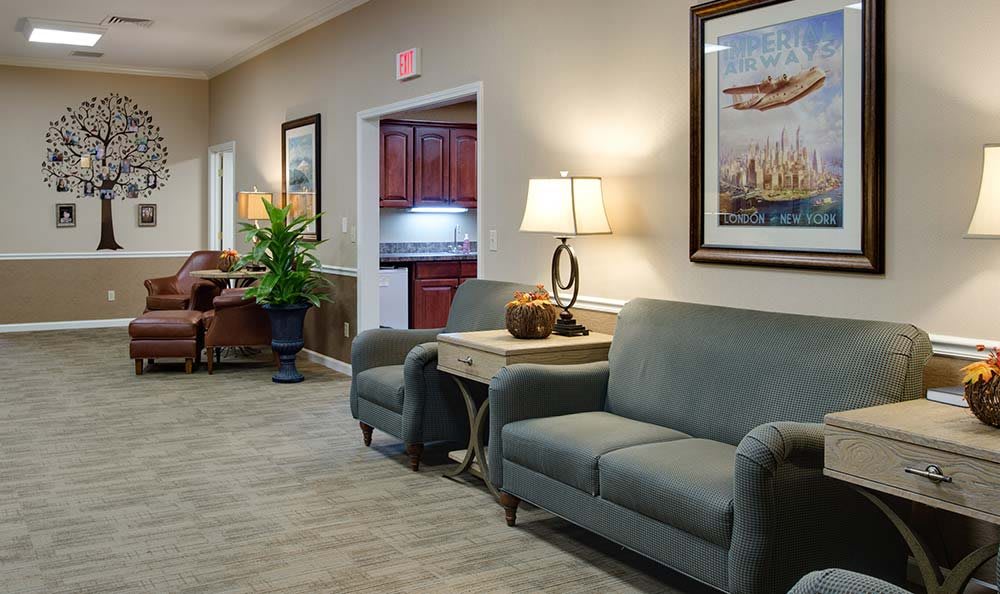
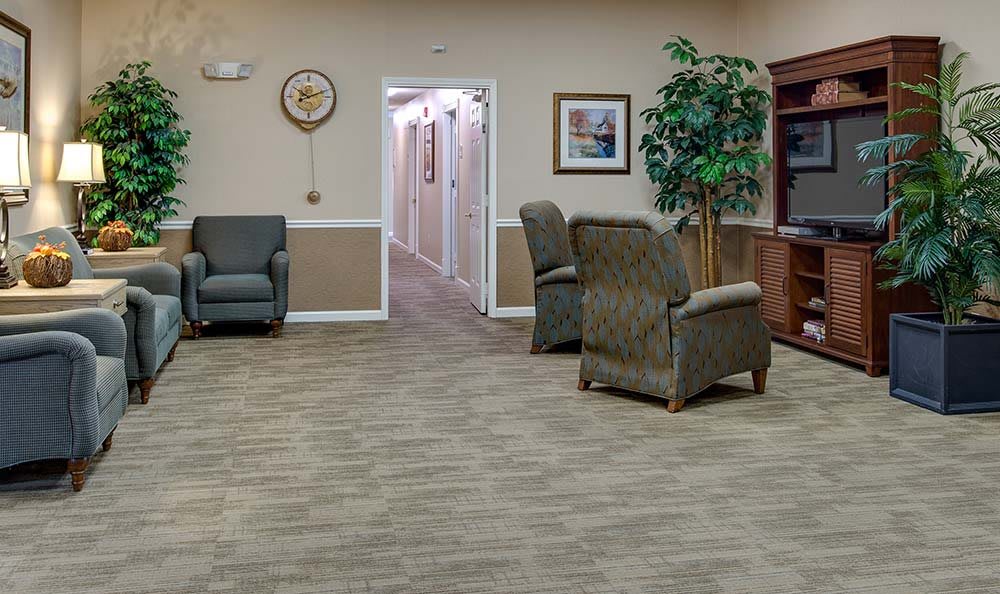
 Indoor common areas
 Kitchenette
 Laundry
 Move-in coordination
 Outdoor common areas
 Party space
 Respite or short term stays offered
 Spa
Spa Telephone
 Wheelchair accessible showers
 Wi-Fi/high-speed internet available
 24-hour call system
 Ambulatory care
 Assistance with bathing
 Assistance with dressing
 Assistance with transfers
 Diabetes diet
 Diabetic care
 Incontinence care
 Meal preparation and service
 Medication management
 Mental wellness program
 Special dietary restrictions
 Transportation arrangement (medical)
 Transportation to doctors appointments
 Arts and crafts
 BBQs or picnics
 Book club
 Day trips and outings
 Educational speakers / life long learning
 Fitness programs
 Games
Games Happy hour
 Live musical performances


 Is Assisted Living Deductible on Your Taxes? Understanding the Complexities of Assisted Living Expenses and Deductions
 Assisted Living Support for Veterans: A Complete and Detailed Overview
 Exploring the Contrasts Between Assisted Living and Skilled Nursing