For more information about senior living options: (866) 208-4318
4.3 from 106 reviews
5 stars
77
4 stars
12
3 stars
4
2 stars
2
1 stars
11
Overall Review of Quality Center For Rehabilitation And Healing
caveat9 reviews mention this
Care issues come up sharply
Some residents describe neglect and staffing problems that affected basic needs.
Several reviews describe missed care, including residents left unattended for long periods and problems getting help when needed. A few residents also mention concerns about cleanliness and hygiene during those same care breakdowns, along with difficulties reaching staff or administration. Other reviews contrast this by praising individual nurses and techs for gentleness and responsiveness, but the negative reports make it clear that experiences are not consistent for everyone. Residents and families considering care may want to confirm staffing and follow-up plans for day-to-day needs.
common11 reviews mention this
Cleanliness and odors vary
Residents and visitors frequently comment on how clean the facility feels.
Many reviews praise the building as clean, bright, and free of lingering nursing-home odors. Some also point to specific areas—like rooms and hallways—being well kept. However, a smaller set of reviews report the opposite, describing unpleasant odors and rooms they considered unclean or rundown. Taken together, cleanliness is a recurring talking point, but reader experiences appear mixed.
common24 reviews mention this
Staff kindness and help are common
Residents describe staff who are often friendly, helpful, and easy to approach.
Across many reviews, families say the front desk, nurses, and aides are kind, polite, and responsive to questions or concerns. Multiple reviews highlight frequent check-ins, help with practical needs, and staff who take time to explain care. A few reviews include the opposite—complaints about difficulty getting answers on the phone, or staff not being attentive when called—so responsiveness is another area where experiences differ. Still, positive staff interactions are one of the most consistently mentioned strengths.
caveat4 reviews mention this
Meals and timing get mixed feedback
Residents mention meal timing and variety concerns alongside praise for food.
Some families report meals coming late or being served in a way they did not consider a proper meal, including bringing food in themselves. Other reviews say meals were satisfactory or even enjoyable, and one review praises warm, updated communication around medical needs tied to nutrition. There are also comments about needing more variety beyond repeated menu items. Overall, dining quality and meal logistics come up more than once, with mixed results.
How we summarize
Counts show how many written reviews mention each theme; a review can touch several themes, and only frequently mentioned themes are displayed.
Features
Housing
280 resident community capacity
Types of Care
Skilled Nursing Facility
Amenities
Air-conditioning
Beauty salon
Cable or satellite TV
Computer center
Dining room
Fitness room
Fully furnished
Gaming room
Garden
Housekeeping services
Kitchenette
Move-in coordination
Outdoor space
Private bathrooms
Restaurant-style dining
Small library
Telephone
Wellness center
Wi-Fi/high-speed internet available
Transportation
Nashville International (23 miles away)
Community operated transportation
Transportation arrangement
Transportation arrangement (non-medical)
Transportation to doctors appointments
Care Services
12-16 hour nursing
24-hour call system
24-hour supervision
Activities of daily living assistance
Assistance with bathing
Assistance with dressing
Assistance with transfers
Diabetes diet
Meal preparation and service
Medication management
Mental wellness program
Special dietary restrictions
Dining
Diabetes diet
Special dietary restrictions
Activities
Community-sponsored activities
Concierge services
Fitness programs
Planned day trips
Resident-run activities
Scheduled daily activities
Nearby Places of Interest
Physicians
Smile Solutions of Lebanon (0.1 miles)
Kenneth W. Anderson, MD (0.4 miles)
Total Family Physicians Center (1.2 miles)
Neurology Clinic & Associates (1.3 miles)
Lebanon Pain Management Clinic (1.3 miles)
Oleksandr Osipchuk (1.8 miles)
Troy Long, DDS General & Aesthetic Dentistry (1.9 miles)
Hospitals
Rehab Center At Mcfarland Hosp (0.4 miles)
University Medical Center (0.5 miles)
University Medical Center (3.2 miles)
Places of Worship
Lebanon Church of God (0.5 miles)
Heaven's View Baptist Church (0.8 miles)
Southern Baptist Convention (1.1 miles)
First Assembly of God (1.5 miles)
St Frances Cabrini Catholic Church (1.5 miles)
Crossroads Kids (2.1 miles)
Dickerson Chapel Baptist (7.2 miles)
Restaurants
Smack Middle Eastern Restaurant (0.7 miles)
Town Square Social (1 miles)
Gondola Restaurant (1.2 miles)
Cracker Barrel (1.2 miles)
Demos' Restaurant (1.2 miles)
Belle's Little Country Kitchen (1.3 miles)
Cook Out (1.3 miles)
Pharmacies
Fred's Pharmacy (0.7 miles)
Buckeye Drugs (1.1 miles)
Walgreens (1.1 miles)
CVS Pharmacy (2.7 miles)
Walgreens (2.7 miles)
Vanderbilt Health Clinic at Walgreens Lebanon (2.7 miles)
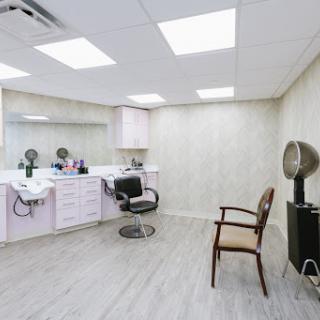
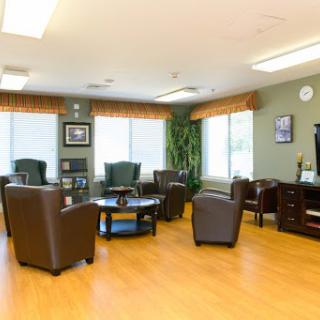
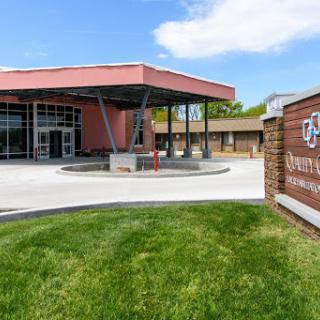
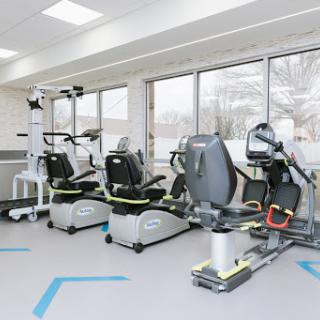
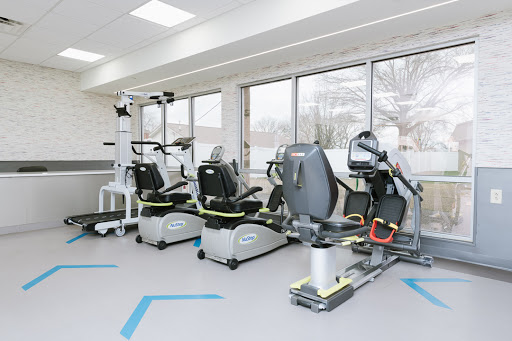
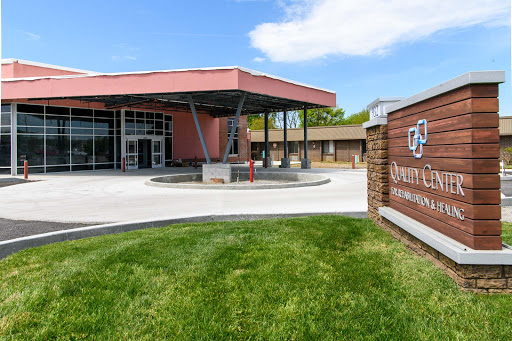
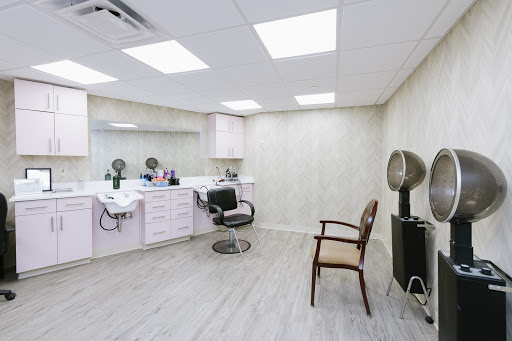
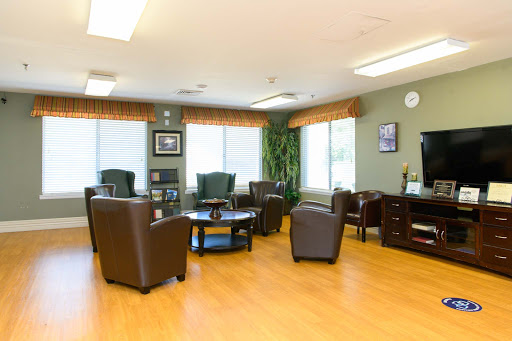
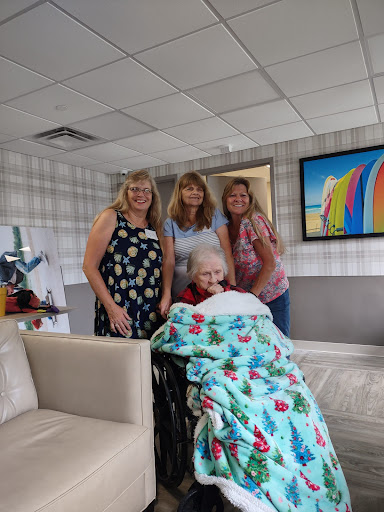
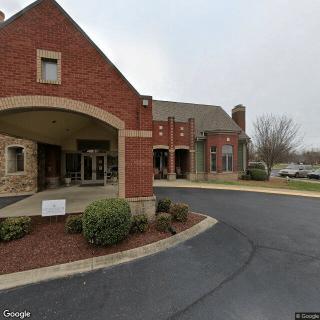
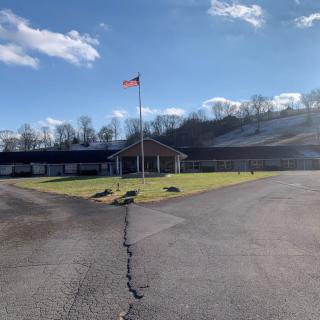
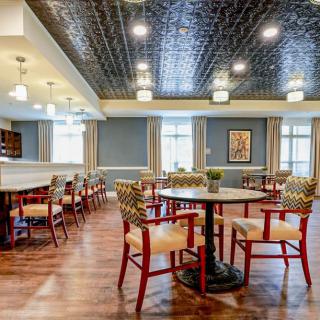
Quality Center For Rehabilitation And Healing on seniors.fyi includes 5 photos including images showing interior, salon, living room, waiting area, windows, nursing home, gym, exercise equipment, and more.
Nearby Communities
Quality Center for Rehab and Healing
Lebanon, TN
4.2 from 114 reviews
Comprehensive care (memory care + skilled nursing) with on-site amenities (beautician, activities) and supportive staff.
Home Instead - Lebanon, TN
Lebanon, TN
4.7 from 116 reviews
Friendly, punctual caregivers with good communication and flexible scheduling.
Lebanon Square
Lebanon, TN
3 from 4 reviews
Excellent access to nearby amenities and healthcare (pharmacies, doctors, hospitals, dining, transit).
Hearthside At Castle Heights
Lebanon, TN
4.2 from 5 reviews
Fully furnished assisted living with comprehensive care, engaging activities, and care coordination.
Hearthside Senior Living of Lebanon
Lebanon, TN
4.3 from 13 reviews
$2,600 to $3,100 / month
Caring staff in a clean, inviting setting with good meals and engaging activities.
Wilson Manor
Lebanon, TN
4.3 from 33 reviews
$3,080 to $3,300 / month
Engaging on-site activities and accessible amenities (gaming room, fitness room, library) with 24-hour supervision and specialized care, plus competitive pricing.
Saddlebrook Senior Apartments
Lebanon, TN
4.2 from 23 reviews
$577 to $4,700 / month
Well-maintained, home-like atmosphere with engaging activities and daytime staff.
Bellwood Assisted Living
Lebanon, TN
4.1 from 21 reviews
$2,600 to $3,000 / month
Caring staff in a clean, affordable, intimate setting with engaging activities.
Harmony At Mt. Juliet
Mt. Juliet, TN
4.1 from 48 reviews
Brand-new, hotel-like facility with attentive staff, quality dining, and ample on-site amenities.
Geriatric care managers create personalized care plans for older adults, addressing their medical, social, financial, and psychological needs while coordinating services and advocating for their well-being. They help families navigate caregiving challenges but may be hindered by high costs and a shortage of qualified professionals.
The article highlights the importance of empathy and open communication when comforting someone who is grieving, noting that grief is unique to each individual and emphasizing the need for sincere expressions of condolence, active listening, and ongoing support. It also addresses cultural differences in mourning practices and encourages tailored approaches to provide effective comfort.
Home health care aides provide vital medical and non-medical support to individuals at home, assisting with daily living activities and promoting emotional well-being, while the demand for these services increases due to an aging population. Families benefit from in-home care's flexibility and cost-effectiveness but face challenges like scheduling consistency and caregiver turnover.
Quality Center For Rehabilitation And Healing photos
×
Interior
Living Room
Building
Exercise Equipment
Nursing Home
Interior
Living Room, Windows, and Waiting Area
Building, Architecture, Outdoor, and Exterior
Exercise Equipment, Gym, Rehabilitation, and Fitness Center
Salon
Nursing Home
Get PricingAsk A QuestionSchedule A TourContact Senior Advisor
By clicking submit, you agree to our Partner's Terms of Use. You
also consent to receive calls and texts, which may be autodialed, from our Partner. Your consent is not a condition to
using our Partner's service. Please visit our Partner's Privacy Policy for information about their privacy practices.

 280 resident community capacity
 Skilled Nursing Facility
 Air-conditioning
 Beauty salon
 Cable or satellite TV
 Computer center
 Dining room
 Fitness room
 Fully furnished
 Gaming room
 Garden
 Housekeeping services
 Kitchenette
 Move-in coordination
 Outdoor space
 Private bathrooms
 Restaurant-style dining
 Small library
 Telephone
 Wellness center
 Wi-Fi/high-speed internet available
 Nashville International (23 miles away)
 Community operated transportation
 12-16 hour nursing
 24-hour call system
 Activities of daily living assistance
 Assistance with bathing
 Assistance with dressing
 Assistance with transfers
 Diabetes diet
 Medication management
 Mental wellness program
 Special dietary restrictions
 Concierge services
 Planned day trips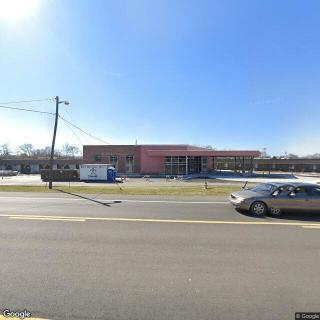
 Comprehensive care (memory care + skilled nursing) with on-site amenities (beautician, activities) and supportive staff.


 Is a Geriatric Care Manager the Right Choice for Your Family?
 Compassionate Conversations: How to Comfort Someone Who Is Grieving
 Home Health Care Aides: Understanding Their Role and Supporting Your Family