Quality Center for Rehab and Healing in Lebanon, TN
Save
Information last verified:
932 E Baddour Pkwy, Lebanon, TN 37087
For more information about senior living options: (844) 490-3973
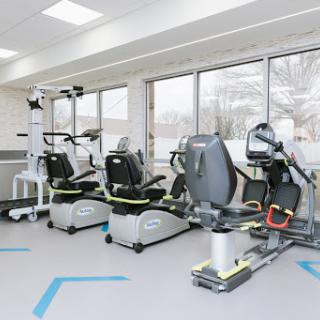
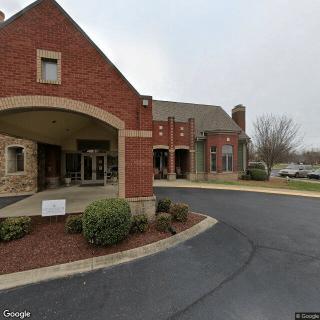
Quality Center for Rehab and Healing in Lebanon, Tennessee is best suited for families seeking a facility with a strong rehabilitation emphasis, where a resident can progress through dedicated physical therapy and respiratory therapy with confident, capable therapists. It works well for a loved one who responds to a structured, therapy‑driven plan and who benefits from an inviting lobby and generally clean, well‑managed public areas. The setting favors short‑term post‑acute support, hip or leg fracture recoveries, surgery rebounds, or other rehab milestones, where family oversight can help maintain focus on ongoing progress and safety. In short, this is a compelling choice for rehab‑focused stays, provided expectations around daily caregiving and consistency are tempered by the realities of staffing and operations.
Those who may want to consider alternatives are families prioritizing consistently consistent bedside care, around‑the‑clock staffing reliability, and uniformly high attention to every resident’s basic needs. Multiple accounts point to variability in nurse and aide responsiveness, with some shifts delivering prompt help and others lagging or appearing distracted. If a family cannot comfortably monitor care, or if a resident requires steady, intrusive oversight to prevent neglect or overlooked needs, a different community with demonstrably steadier staffing and stricter clinical oversight may be a wiser fit. For residents who require long‑term, 24/7 supervision or specialized memory care support, other nearby options could deliver more predictable daily routines and accountability.
The strongest positives at Quality Center tread around rehabilitation outcomes and the people who deliver them. The therapy team consistently earns praise for effectiveness, with physical therapy described as a standout feature that often drives meaningful recovery. The respiratory therapist and other therapy staff are repeatedly cited as sources of warmth and encouragement, contributing to a hopeful, goal‑oriented environment. Cleanliness and a welcoming atmosphere on many tours contribute to a sense of safety and comfort for visitors and residents. When caregivers and administrative staff align on communication with families, those visits feel manageable and reassuring. In these contexts, the facility’s advantages, expert rehab, approachable therapists, and a pleasant welcome, can offset some day‑to‑day friction.
However, the facility cannot ignore the darker pattern of concerns that surface in a substantial portion of reviews. Understaffing, inconsistent call light response, and lapses in basic resident care recur in a way that can undermine confidence, particularly for families managing a loved one with mobility limitations or high fall risk. Several accounts recount neglectful episodes, delays in attending to basic needs, and even allegations of unsafe practices. Food quality is another frequently cited drawback, with recurring complaints about meal variety, temperature, and nutrition alignment, which matters to recovery and overall well‑being. Administrative friction, lost packages, billing inconsistencies, and difficulty reaching oversight, further complicates the experience and can erode trust. Taken together, these cons significantly temper the otherwise positive therapy‑driven narrative.
Despite the serious cautions, the visitors who report positive personal experiences tend to emphasize specific strengths that can meaningfully influence outcomes. When front‑line staff are attentive, organized, and friendly, residents feel seen and respected; when therapists coordinate closely with families, rehab plans become easier to follow and adjust. Positive tours often highlight well‑maintained facilities, clear safety signage, and organized check‑in processes that create a sense of security for new families. The contrast between highly engaged individuals, therapists, concierge staff, and some nurses, and colleagues who appear overextended or inattentive is striking, and it is essential for families to observe and probe this dynamic during a visit.
For decision‑makers, a disciplined, pointed due diligence approach is warranted. Seek to confirm staffing ratios across shifts and request specifics on nurse call response times, especially after evenings and weekends. Demand to see recent state or licensing inspections and any corrective action plans, then tour multiple units to assess consistency in cleanliness, odor, and resident care. Ask to meet the therapy team and to observe a rehab session; verify that therapy goals align with discharge plans and home support. Inquire about menu quality, meal temperatures, and dietary flexibility, plus the availability of on‑demand items. Finally, insist on speaking with administrators or a trusted concierge, elements several families have praised for bridging gaps between care teams and loved ones.
The bottom line is clear: Quality Center for Rehab and Healing offers a compelling rehabilitative engine, with therapists who frequently drive meaningful progress and a facility that presents as inviting and well‑kept. Yet the reliability of daily care remains a live concern for some residents, and the most serious criticisms center on staffing consistency, responsiveness, and care oversight. This community is a strong choice for families who can closely monitor a loved one’s rehab trajectory, engage actively with the care team, and be prepared to intervene if day‑to‑day needs falter. For those who require unwavering, uniform daily care or long‑term, memory‑focused supervision, exploring alternatives with proven, steadier staffing patterns will likely yield greater peace of mind. In the end, the facility serves best as a rehab‑centric option with vigilant family involvement, rather than a guaranteed, fail‑safe long‑term home.
Quality Center for Rehab and Healing in Lebanon, TN is an assisted living community that provides top-quality care in a warm and inviting atmosphere. Our dedicated staff is committed to meeting the unique needs of each resident, ensuring they receive the highest level of care and attention.
At Quality Center, we offer specialized memory care for residents with Alzheimer's or dementia, providing a secure and supportive environment that promotes independence and dignity. Our highly-trained caregivers are experienced in managing the challenges associated with memory loss, offering personalized care plans tailored to each individual's needs.
In addition to memory care, we also provide skilled nursing facility services for those who require more intensive medical care. Our team of skilled nurses and therapists work closely with residents to develop comprehensive treatment plans aimed at optimizing health and well-being.
To enhance our residents' quality of life, we offer a range of amenities designed to promote comfort and enjoyment. Our on-site beautician ensures that all residents can enjoy professional salon services at their convenience. For spiritual enrichment, devotional services are offered off-site, giving residents the opportunity to practice their faith in a supportive community.
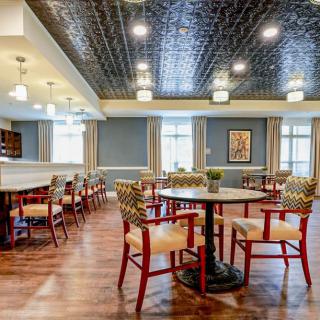
Our indoor common areas provide comfortable spaces for socializing with fellow residents or engaging in group activities. We understand that sometimes respite or short-term stays may be necessary, so we offer these options to accommodate various situations.
Care services at Quality Center include high acuity care for those with complex medical conditions requiring close monitoring. Incontinence care is also available to ensure comfort and dignity for all residents.
Engaging activities play an important role in our community as well. Devotional activities held off-site allow residents to connect spiritually while enjoying outings within the local area.
One of the many advantages of our location is the proximity to several amenities within Lebanon, TN. There are two cafes nearby where residents can enjoy a meal or meet friends for coffee. Six pharmacies are easily accessible, ensuring medication management is convenient. With 28 physicians nearby, healthcare needs are well-covered and easily addressed. Residents can also choose from 24 restaurants for dining out or enjoy the ease of nearby transportation options. For those seeking spiritual fulfillment, there are six places of worship in close proximity. In case of emergencies, three hospitals are conveniently located near our community.
At Quality Center for Rehab and Healing, we strive to provide a comfortable and supportive environment where residents can thrive. Our dedicated staff, comprehensive care services, engaging activities, and convenient location make us an ideal choice for those seeking quality assisted living in Lebanon, TN.
This area of Lebanon, Tennessee offers a variety of healthcare options with physicians specializing in various fields, as well as nearby hospitals for any emergency medical needs. There are several places of worship within a short distance, providing opportunities for spiritual fulfillment. A selection of restaurants and cafes cater to different tastes, while pharmacies ensure easy access to medications. For leisure activities, there are parks nearby where seniors can enjoy nature and outdoor activities. Transportation services are available for convenient travel, and overall, the area presents a balanced combination of amenities that would be beneficial for senior living.
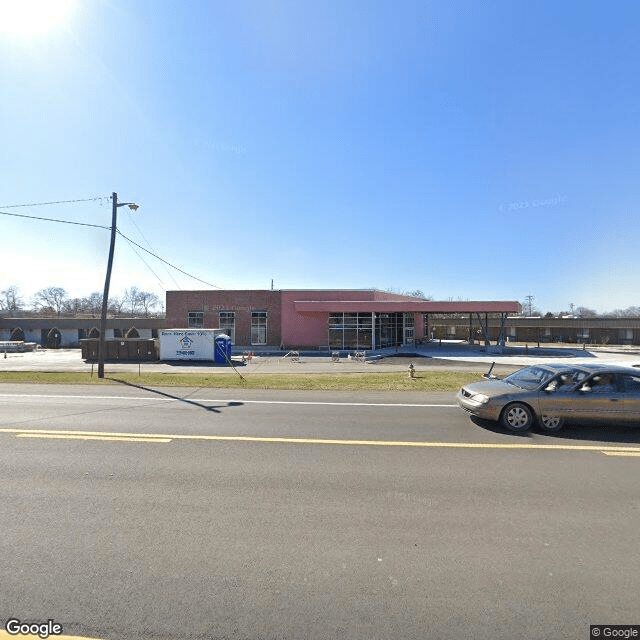
Quality Center for Rehab and Healing is located at 932 E Baddour Pkwy, Lebanon, TN 37087 in Wilson County, Tennessee
Incontinence care is a critical feature of memory care services as it addresses one of the most challenging aspects of dementia and Alzheimer's disease for residents and their families. By providing specialized support for individuals experiencing incontinence, caregivers can ensure that residents maintain their dignity and comfort throughout their daily routines. This tailored assistance promotes hygiene and helps to prevent skin irritations or infections, which are common concerns in individuals with cognitive impairments. Furthermore, consistent incontinence care allows residents to feel more secure and less anxious, ultimately fostering a more positive environment conducive to overall well-being. Such comprehensive support contributes significantly to enhancing the quality of life for those living with memory-related conditions.
Dementia-Related Hallucinations: Causes, Experiences, and Practical Approaches

Dementia, particularly Lewy body dementia, often involves hallucinations that can significantly distress both patients and caregivers due to disruptions in sensory processing and neurotransmitter imbalances. Effective management includes compassionate communication, environmental adjustments, and a multidisciplinary approach to care while addressing the emotional needs of caregivers.
Illuminating Insights About Alzheimer's Disease: Ten Crucial Realities
Alzheimer’s disease is a progressive neurological disorder that significantly impacts memory and cognitive functions, accounting for 60-80% of dementia cases, with early diagnosis being crucial yet challenging. It involves brain changes like beta-amyloid plaques and tau tangles, influenced by genetic and lifestyle factors, and while there is no cure, symptom management and support for caregivers are essential.
A Thorough Discussion of Medications Potentially Linked to Dementia Risk
Dementia, influenced by aging and certain medications, may be exacerbated by drug classes such as anticholinergics, benzodiazepines, and antipsychotics, which are associated with cognitive impairment. Regular medication reviews by healthcare professionals are crucial for older adults to manage risks and optimize cognitive health.