
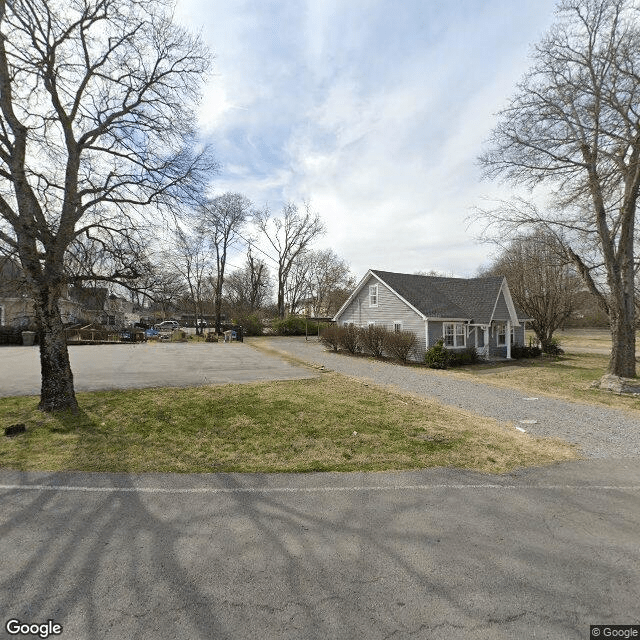
310 Hill St, Lebanon, TN 37087
To contact a resident: (615) 443-4405
For more information about senior living options: (866) 208-4318
Overall Review of Lebanon Square
Pros
 The complex is a good place to live.
- It provides good security.
- The senior housing offers low rent.
- Rent is based on income.
Cons
 They say the staff never answers the phone or returns calls after a message.
- They claim there is far more housing for seniors than for families, with insufficient options for families.
- They note that even the family housing unit is mostly seniors living in it.
- They report that they and their children are homeless and receive no assistance.
Review
Lebanon Square is best suited for low-income seniors who want secure, predictable housing without the pressure of steep rents. The community’s selling points are financial accessibility and a sense of safety that comes from a secured environment. It appeals to residents who are comfortable with a more modest amenity set and who place a premium on predictable monthly costs over a broad menu of services. Families with grown children or multi-generational needs should recognize that this is primarily a senior-focused setting, not a place designed to accommodate households with dependents or active family housing alongside elder neighbors.
The strongest, tangible positives are clear: solid security and affordability. Residents can expect a lower rent relative to market-rate senior housing, with a rent structure based on income that reduces financial stress for fixed-income residents. In practical terms, this means fewer surprises at the end of the month and a housing option that tends to stay affordable even as other expenses fluctuate. For seniors prioritizing budget control and a stable living situation, these are meaningful advantages that can smooth retirement planning.
However, the facility’s downsides are meaningful and non-negotiable for certain households. A recurring concern is poor telephone responsiveness, staff or management can be hard to reach, and messages often go unanswered. That reality translates into real friction for move-in processes, maintenance requests, and routine communications, eroding the sense of dependable service that should accompany an affordable option. On top of that, the community skews toward seniors, and there is a pronounced lack of housing options for families. Prospective buyers should understand that this is not a place designed to accommodate multi-generational households or to provide family-oriented housing.
Those pros and cons interact in a way that ultimately defines who should pursue Lebanon Square. The affordability and security narrow the field to seniors who want independence with predictable costs and a modest but trustworthy environment. Yet the reliability gap in communication can magnify other weaknesses, particularly for individuals who rely on responsive management for maintenance, lease questions, or access to information. For families or households that require on-site units or visible family housing support, the absence of options beyond senior-specific occupancy makes alternatives a necessity to consider.
In practical terms, families evaluating Lebanon Square should walk through a targeted checklist during a visit. Ask how security is implemented day-to-day, what on-site staffing exists, and how emergencies are handled. Probe the rent calculation method, what exactly is included in the monthly obligation, and whether there are subsidies or waiting lists that could affect timing. Clarify communication expectations: acceptable channels, typical response times, and who handles urgent versus routine concerns. Inquire about available services, social programming, and any partnerships with outside agencies for seniors who need more assistance than independent living provides.
In the end, Lebanon Square offers a compelling option for budget-conscious seniors who prize safety and predictable housing costs. It is less suitable for families or households needing on-site family housing or rapid, reliable communication from management. For those reasons, alternatives should be explored for anyone whose priorities include robust family accommodations, strong responsive services, or a broader service mix. A candid visit paired with precise questions will reveal whether this community aligns with one’s financial realities and care expectations, or if a different path, one with stronger family support or more proactive management, is the wiser choice.
 Active Adult Communities (55+)
 Nashville International (22 miles away)





 Powerful Realities of Elder Abuse and the Most Effective Ways to Report It
 Ten Vital Duties of a Senior Caregiver: A Comprehensive Guide
 9 Stimulating Memory Activities for Seniors: Puzzles, Cards, and Much More