
5121 Greer Road, Goodlettsville, TN 37072
For more information about senior living options: (866) 208-4318
Overall Review of Stoneridge Health Care
Pros
 The facility is very clean and well kept, with no unpleasant odors.
- It is a small facility that allows staff to take care of patients effectively.
- It is close to home for Greenbrier residents.
- It has a full-time wound care nurse dedicated to wound care, helping patients recover well.
- The staff demonstrated honesty and promptness in handling wound care supplies.
- It is a wonderful building with great staff.
- The staff are compassionate and go above and beyond to meet residents' needs.
- StoneRidge is a wonderful, intimate setting where residents don't feel lost or overlooked.
- New administration and staff are caring and effective, bringing rapid improvements.
- StoneRidge has been a blessing for families.
Cons
 This place needs to be shut down.
- It is described as the worst nursing home and should be closed.
- The staff are awful, rude, and hang up on callers.
- The facility has been fined four times for fire hazards and safety deficiencies.
- The ADON is described as a terrible leader, and the place is nasty.
- The building is old, with narrow hallways and cramped rooms that have two beds.
Review
Stoneridge Health Care in Goodlettsville, TN is best suited for families that want a small, intimate setting where staff can know residents personally and respond quickly to day-to-day needs. The facility’s compact footprint means less anonymity for residents and more hands-on attention from caregivers, an arrangement that works well for short-term rehab and respite stays, as well as for seniors who benefit from steady nursing oversight and a dedicated wound-care presence. The proximity to Greenbrier is a practical plus for families who want frequent in-person visits without long drives, and multiple reviews highlight a homey, small-town feel with approachable staff who are easy to reach.
That said, several reviewers urge caution and strongly encourage looking at alternatives depending on priorities. The most serious red flags center on staffing stability and leadership quality, with accounts of management turnover and concerns about how safety and daily operations are overseen. A subset of responses portrays a facility that has faced repeated safety-related criticisms, and others point to communication gaps or slow responses in urgent situations. While some patrons describe marked improvement after administrative changes, the breadth of opinions makes it clear that not every resident will experience consistent, predictable performance. For families evaluating options, these cautions imply a need for thorough due diligence and a readiness to press for concrete assurances.
The strongest positives tie directly to the small-scale, hands-on care model. The staff-to-resident ratio in a small setting appears to translate into more individualized attention, with reviewers noting accessible nursing leadership and a culture of collaboration among techs, RNs, and the nursing director. The standout feature is the wound-care program, run by a full-time nurse dedicated to wound management while not cross-covering other duties. In several cases, this specialized focus contributed to tangible improvements in a resident’s condition, reinforcing the sense that Stoneridge can deliver a level of clinical care that feels close to home. The combination of a clean environment, friendly local staff, and a reassuring sense of accountability from managers further supports families seeking a softer landing during rehab or respite stays.
Costs and coverage are another practical dimension that can tilt decisions. Medicare often governs short-term stays, but Medicaid coverage is not universal at Stoneridge, so insurance verification is essential before assuming benefits. For private pay, families report a steep daily rate when insurance does not cover the stay, which means the decision must be grounded in realistic budget planning and a clear sense of the value received for that investment. The pricing reality is not purely punitive, though: several testimonials emphasize the quality of care and the peace of mind that accompanies a dedicated staff and a well-run, albeit modest, facility. Prospective residents must compare the apparent personal-touch advantages with the financial trade-offs and the likelihood of ongoing coverage.
On balance, Stoneridge is a solid fit for families prioritizing personalized attention, early-access wound care, and a home-like environment over modern amenities or expansive activity programs. The biggest offset to the drawbacks is the immediacy of care: a smaller population reduces the sense of being just another chart, and staff responsiveness tends to be higher than in larger centers. The administration’s willingness to address concerns and make targeted improvements is also a meaningful offset, particularly for families who value visible leadership engagement and a local, community-oriented vibe. However, if safety oversight, a robust activity calendar, or a brand-new facility footprint are non-negotiables, alternative options deserve serious consideration.
In the end, the decision hinges on priorities. For families needing a compassionate, tightly coordinated setting with strong wound-care capabilities and a ready-made support network among staff, Stoneridge offers meaningful, credible value. For those who cannot tolerate pronounced variations in safety practices, who require a more expansive campus with richer programming, or who must rely on Medicaid in a predictable way, it would be prudent to explore other communities that deliver higher-stability metrics and a more consistent safety record. The next steps are practical: tour the facility with a list of questions about staffing levels at peak times, the specific scope of the wound-care program, and the plan for ongoing leadership oversight; verify current insurance coverage and out-of-pocket costs; request recent state survey results and any corrective-action plans; and, if possible, speak with both family representatives and former staff about what a typical day looks like under current management. This approach will reveal how the positives align with the realities of daily operations, ensuring a well-informed, outcomes-focused choice.
 38 resident community capacity
 Skilled Nursing Facility
 Beauty salon
 Cable or satellite TV
 Dining room
 Fully furnished
 Garden
 Housekeeping services
 Kitchenette
 Move-in coordination
 Outdoor space
 Restaurant-style dining
 Small library
 Telephone
 Wi-Fi/high-speed internet available
 Nashville International (20 miles away)
 24-hour call system
 Activities of daily living assistance
 Assistance with bathing
 Assistance with dressing
 Assistance with transfers
 Diabetes diet
 Medication management
 Mental wellness program
 Special dietary restrictions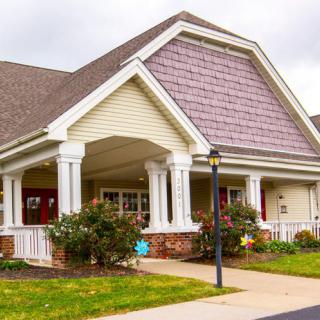




 Navigating the Tax Landscape of Caregiving: Credits, Deductions, and Beyond
 Highly Beneficial Low-Impact Exercises for Senior Living Residents
 Is In-Home Healthcare Tax Deductible? Your Comprehensive Guide