

1340 North Grundy Quarles Highway P O Box 7, Gainesboro, TN 38562
For more information about senior living options: (866) 208-4318
Overall Review of Mabry Health Care
Pros
 The owner Diana is a great person and really cares about the residents and staff.
- Mabry Health Care is great; the owners and staff really care about the residents and give the best care.
- Mabry Health Care is an amazing facility; the owners and the staff truly care about the residents and provide the utmost care.
- The facility provides great resident care.
Cons
 One of Mabry Health Care's drivers flipped off the reviewer, cursed at them, and even tried to hit their car while EMS needed to respond.
- The reviewer said the company was not professional, noting the logo on the side of the car as a bad impression.
- An aide allegedly pulled the mother's wrist with such force that it fractured her wrist, resulting in a cast from the wrist to the elbow.
- The reviewer claimed the mother's wrist turned black and swollen and required ER/hospital care after the incident.
- The rehab facility was described as disgusting, with the mom in a small room shared with other patients, smelling of urine and waste, and in disrepair.
- An aide allegedly pulled the mom's wrist on day four, and the reviewer pulled her out and warned others not to go there.
- The reviewer warned “see you in court,” indicating potential legal action.
Review
Mabry Health Care in Gainesboro, TN is best suited for families that prize a small, hands-on, owner-led atmosphere where caregivers are personally invested in residents’ well-being and daily comfort. The core appeal lies in relationships: owners and staff who are described as caring and attentive, with residents receiving what many would call genuine, individualized care. For families seeking a place where leadership is accessible and resident needs are tended to with visible dedication, Mabry offers that moral backing and personal touch.
Those considering Mabry should explicitly weigh alternatives if safety, facility conditions, and consistent professional standards are paramount. Several reviews raise serious red flags: allegations of unsafe conduct by staff and contractors, including an incident where a driver behaved aggressively toward an ambulance response; a resident suffering a fractured wrist after reportedly being mishandled by a aide; and repeated claims of an environment that is unclean or cramped. These concerns point to potential risks in day-to-day operations, especially for residents requiring reliable rehab access or those sensitive to odors, room size, and overall hygiene. Families with heightened vigilance over incident reporting and a preference for highly regulated environments may want to explore other options in or beyond Gainesboro.
On the upside, the strongest, most consistent praise centers on the human element. The owners and staff are repeatedly described as caring, and the care delivered in everyday resident interactions is depicted as strong. In settings like rehab or long-term support, that level of personal attention can translate into better mood, cooperation with therapists, and a sense of security for residents who value consistent contact with caregivers who know their histories. When care quality is measured by daily attentiveness and a willingness to respond to needs, Mabry’s leadership and hands-on approach can be meaningful and reassuring for families that place a premium on relational care.
Yet the concerns do not disappear simply because staff show kindness. The most troubling reports focus on safety and environment: a perception of physical harm during assistance, questions about how injuries were managed, and perceptions of neglect or rough handling. Add to that descriptions of rooms that feel insufficiently clean or cramped and a facility that some would describe as outdated, and the risk calculus shifts. For families, these are not minor annoyances but potential quality-of-life and safety issues that require serious scrutiny before committing to care plans, especially for residents with mobility challenges or higher needs for rehab and wound care, where consistent monitoring matters.
The pros and cons do not neatly balance themselves; the care-culture strength can be compelling but does not fully offset the concrete concerns about safety, cleanliness, and environmental conditions. In practical terms, Mabry may deliver moments of exemplary, compassionate care that families will cherish, but the reported incidents and facility drawbacks introduce meaningful uncertainty. For some, the emotional and relational benefits will justify the potential risk. For others, particularly those hoping for a consistently pristine environment with flawless safety records, alternatives will likely feel like a more prudent match.
Final guidance emphasizes specific due diligence rather than broad enthusiasm. Prospective families should schedule a transparent, multi-faceted visit focused on safety culture, staff training, and incident response practices. Ask direct questions about how injuries are documented and investigated, how staffing levels are managed, and the steps taken to ensure safety during transfer and rehab sessions. Inspect rooms for cleanliness and space, evaluate noise and odor factors, and talk with current residents and families about their daily experiences. If choosing Mabry, set clear expectations and request regular, reliable reporting on any safety or cleanliness concerns. If these standards cannot be met to the family’s confidence, pursuing alternatives that prioritize consistent safety protocols and pristine environmental conditions is the prudent, experienced choice.
 83 resident community capacity
 Skilled Nursing Facility
 Air-conditioning
 Beauty salon
 Cable or satellite TV
 Computer center
 Dining room
 Fitness room
 Fully furnished
 Gaming room
 Garden
 Housekeeping services
 Kitchenette
 Move-in coordination
 Outdoor space
 Private bathrooms
 Restaurant-style dining
 Small library
 Telephone
 Wellness center
 Wi-Fi/high-speed internet available
 Community operated transportation
 12-16 hour nursing
 24-hour call system
 Activities of daily living assistance
 Assistance with bathing
 Assistance with dressing
 Assistance with transfers
 Diabetes diet
 Medication management
 Mental wellness program
 Special dietary restrictions
 Concierge services
 Planned day trips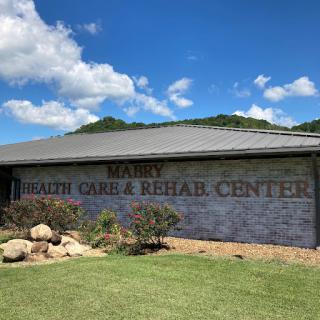






 Fecal Incontinence in Older Adults: A Comprehensive Guide
 Recognizing the Journey: Understanding and Navigating Anticipatory Grief
 Encouraging Participation in Adult Day Care: A Guide to Supporting a Hesitant Parent