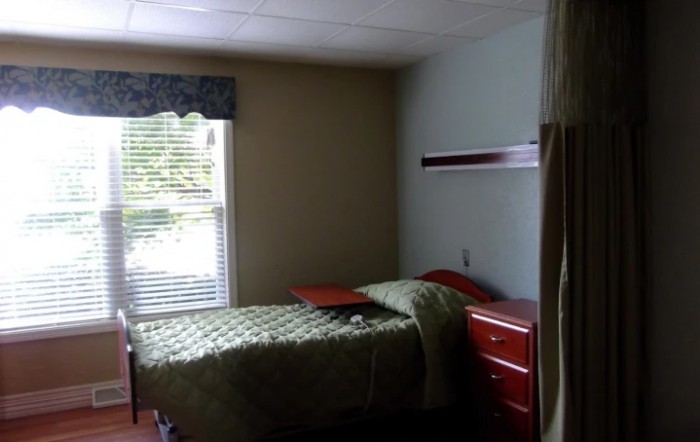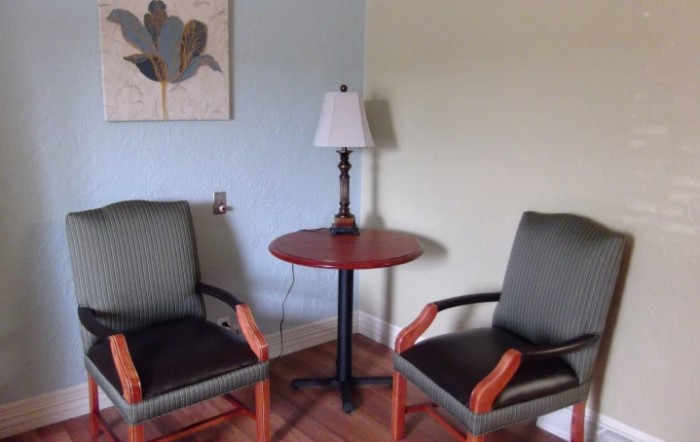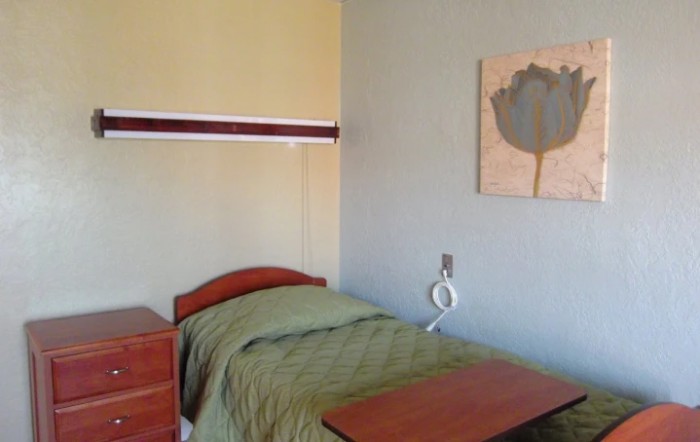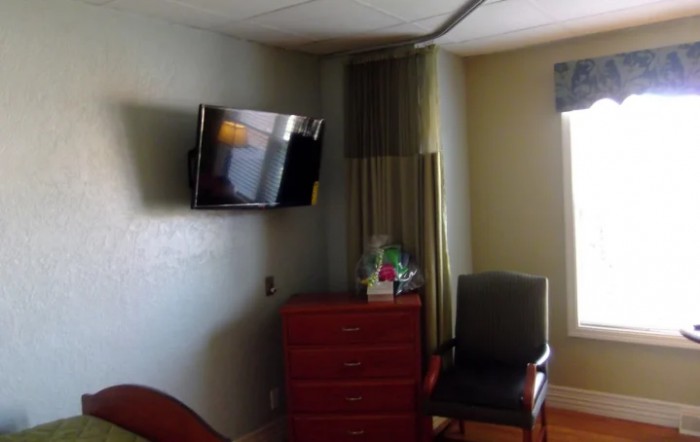







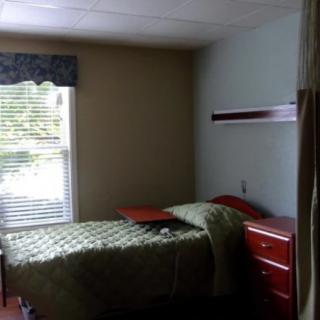


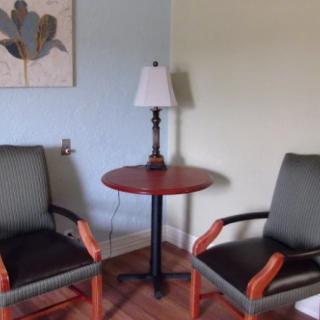

700 Weakley County Nursing Home Road, Dresden, TN 38225
For more information about senior living options: (866) 208-4318
Overall Review of Weakley County Nursing Home
Pros
 Lisa Reyes notes that everyone has been nice and sweet, and she feels welcome.
 - Weakley Rehabilitation & Nursing Center is described as a blessing to the community, with caring staff, a clean facility, and great food.
- The staff are amazing and the facility is welcoming, with therapists who are patient and understanding.
- The care and compassion shown to residents are deeply appreciated, and the center is highly recommended to families.
- The facility is very welcoming, with a kind staff and a clean, caring environment.
- The Weakley Rehab team is caring and helpful with residents, and many would recommend Weakley to others.
Cons
 One reviewer advised to find another nursing home.
- The staff is amazing, just not enough help.
- The food is horrible.
- The new owner raised the prices and the residents don't get anything in return.
- One reviewer advised to take care of loved ones as long as possible and look for a better home.
- The person answering the phone did not know basic knowledge of being a receptionist.
- They did not know who was living there.
- The reviewer waited 11 minutes and 30 seconds for someone to answer the phone.
- No one answered as time ran out while waiting.
- The place stank from urine and the reviewer almost threw up.
- This place needs new management.
Review
Weakley Rehabilitation & Nursing Center in Dresden, TN is best suited for families seeking a genuinely caring, rehab-focused environment where residents can build back function with patient, attentive staff. The dominant narrative from multiple reviewers centers on warmth, compassion, and real connections: caregivers who listen, therapists who are patient and effective, and a welcoming atmosphere that helps residents feel at home. For a resident recovering from a hospital stay or navigating long-term care with a focus on rehabilitation, this community offers a credible path to progress, reinforced by staff who regularly praise the residents’ efforts and celebrate small victories. The balance of kindness and structured therapy creates a dependable anchor for those who value emotional support as part of recovery, especially when social anxiety or adjustment into a new routine is a critical consideration.
That said, this community is not the right fit for every family. Alternatives should be considered by those who place a premium on consistently high dining quality, absolute cleanliness without occasional lapses, or a fully predictable staffing landscape at all hours. Several reviews flag sharp caveats: meals described as poor by some, odor and cleanliness concerns in others, and a recurring theme of insufficient staffing to meet all resident needs. The friction points extend to administrative touchpoints as well, long holds on the phone and perceived shifts in management focus after ownership changes, creating a sense of uncertainty about consistency and navigation for newcomers and their families. For families prioritizing pristine daily living conditions, transparent pricing, and a uniformly strong administrative presence, other options may deliver more predictability.
The strongest positives, compassionate care, real warmth from staff, and meaningful rehabilitation progress, do not vanish under scrutiny; they, in fact, substantially offset several of the most consequential downsides when a resident’s goals align with rehab and social support. Reviewers repeatedly describe staff as kind, patient, and genuinely engaged with residents, while therapy teams are praised for patience, teaching at a pace that fits each person, and helping residents regain independence. When these qualities converge with a welcoming environment, they create a compelling counterweight to occasional meal dissatisfaction or staffing gaps. In practice, that means families can feel confident that their loved one is not just supervised but mentored toward tangible, personal improvement, which matters greatly for those transitioning back into home life or living more independently than before.
Yet the downsides cannot be dismissed, particularly for families seeking a uniformly smooth daily experience. The most persistent concerns revolve around staffing levels, an undersupply that can leave residents needing more timely assistance than desired. Food quality is not universally praised, with at least one strong negative verdict that contrasts with other positive notes about meals; this inconsistency adds a layer of risk for residents with specific dietary needs or strong preferences. Management and ownership shifts loom in the background for some families, with anecdotes about price increases and questions about what is gained in return. On top of that, reports of odor issues and occasional on-site cleanliness questions point to moments when the environment does not fully meet every family’s comfort standard. Taken together, these factors shape a clear risk profile: emotional warmth and rehab momentum exist, but reliability across operations can be uneven.
For families evaluating whether to move forward, the practical path is straightforward. Schedule an on-site tour and demand candid answers about staffing ratios, especially during peak hours and night shifts; ask how therapists are assigned, what a typical patient’s weekly therapy schedule looks like, and how progress is tracked. Probe the menu details, flexibility for special diets, and the facility’s approach to meals if a loved one has strong preferences or nutrition requirements. Request a transparent run-down of current charges, what is included in the base rate, and how price changes are communicated and justified. Speak with current residents and family members about day-to-day routines, housekeeping sensitivity, and ease of contacting staff when urgent needs arise. Finally, review the most recent state inspections and any corrective actions, framing expectations against the care narrative already observed.
In the end, Weakley Rehabilitation & Nursing Center stands out for families who prize empathetic care and rehab-focused progress over a flawless day-to-day ambience. For those whose priorities tilt toward consistently high-quality dining, spotless daily living conditions, and a uniformly predictable operational pace, alternatives should be actively explored. The facility’s strengths can deliver real, measurable benefits for residents who lean into therapy and the staff’s compassionate support, but the drawbacks, understaffing pressures, mixed dining experiences, and questions about consistency and pricing, mean a sober, diligent evaluation is essential. A well-informed decision will hinge on aligning the resident’s recovery goals with the facility’s ability to provide reliable staffing, transparent costs, and a maintained, odor-free living environment.
 136 resident community capacity
 Skilled Nursing Facility
 Air-conditioning
 Beauty salon
 Cable or satellite TV
 Computer center
 Dining room
 Fitness room
 Fully furnished
 Gaming room
 Garden
 Housekeeping services
 Kitchenette
 Move-in coordination
 Outdoor space
 Private bathrooms
 Restaurant-style dining
 Small library
 Telephone
 Wellness center
 Wi-Fi/high-speed internet available
 Community operated transportation
 12-16 hour nursing
 24-hour call system
 Activities of daily living assistance
 Assistance with bathing
 Assistance with dressing
 Assistance with transfers
 Diabetes diet
 Medication management
 Mental wellness program
 Special dietary restrictions
 Concierge services
 Planned day trips






 Essential Knowledge on Pneumonia in Older Adults
 Exploring Palliative Care in the Home: A Comprehensive Overview
 Comprehensive Insights into Palliative Home Care: What It Is and What to Expect