
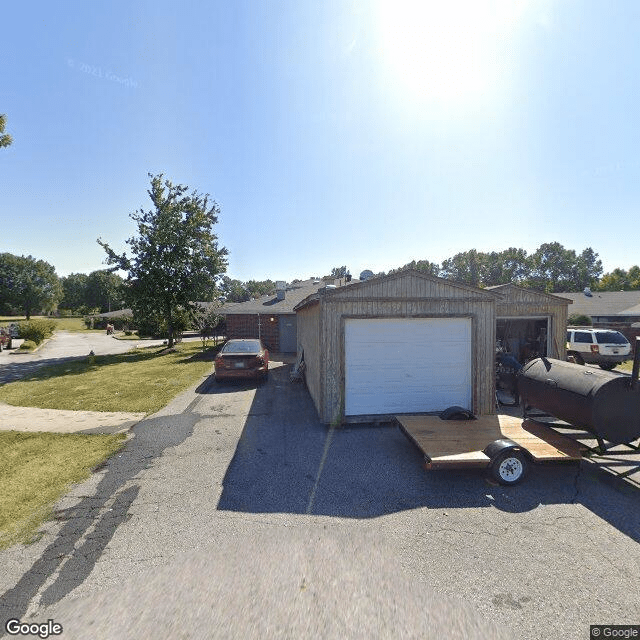
158 Mount Pelia Rd, Martin, TN 38237
To contact a resident: (731) 587-0503
For more information about senior living options: (866) 208-4318
Overall Review of Martin Health Care Ctr
Pros
 They have wonderful caring staff that always puts patients first.
- The therapy staff did a great job getting her up and moving.
- They are always so helpful and usually close by.
- Wound care was excellent, provided by Jay Wainscott; he was amazing and caring.
- The staff and facility were hands down the best care imaginable; they were attentive and provided a high standard of care.
- My grandmother had great therapists and attentive nurses, and she was well taken care of.
- The environment felt like a home away from home.
- They got him back on his feet and back home.
Cons
 They call it the worst place ever and wouldn’t send their dead dog there.
- They claim needed medications were not given and that staff signed they were given.
- They say a call light went unanswered for over an hour.
- They allege residents on a special diet were given foods they should not have.
- They accuse staff of rushing a resident and pushing them into a van with no shoes, not allowing proper dressing time.
- They feel communication was lacking and that patients didn’t matter.
- They note Admin, the DON, and the charge nurse were never responsive to left messages.
Review
Martin Health Care Center in Martin, TN is best suited for families pursuing short-term skilled rehab with an emphasis on active therapy and a home-like, attentive care environment. The reviews consistently point to strong therapy progress and staff dedication, making it a compelling option for recovering from surgery or illness with the goal of returning home. Families willing to trade some administrative hiccups for proven rehabilitation momentum will find real value here. Those whose priority is rock-solid, always-on attention to every medication, constant call-light response, and flawless daily operations may want to consider other communities.
The strongest positives center on the caregiving heart of the operation. Residents benefit from caring, hands-on staff who often seem genuinely invested in progress. Therapy teams are repeatedly praised for their effectiveness in getting patients up and moving, which translates into tangible mobility gains and a quicker, safer path back home. Wound care, when delivered by skilled clinicians, receives specific commendation, underscoring a capability to handle complex needs with competence. Family members repeatedly highlight how the facility feels approachable and personable, an environment that can make a difficult transition more tolerable and even uplifting. For many families, those factors alone justify a stay, especially when a rehabilitative outcome is paramount.
On the other hand, the negatives are not minor and deserve serious consideration. Medication administration and medication-signing practices are a recurring red flag, with multiple accounts of pills not given as prescribed and documentation that does not align with what residents actually receive. Call lights and timely assistance are another sore point for some families, with reports of long waits that stretch beyond an hour. Diet missteps and hydration gaps show up in several accounts, including concerns about special diets and inconsistent feeding during long rehab days. Environmental irritants, ants in the facility, and some hygiene-related limitations, such as limited shower availability, are also cited. These issues are not isolated anecdotes; they echo across multiple families and paint a pattern of gaps in day-to-day reliability that can undermine trust and safety in sensitive moments.
The best way to weigh pros against cons is to recognize how they impact real-world outcomes. When rehab progress and compassionate daily care are the primary objective, the positive attributes, effective therapy, attentive nurses and aides, and a care atmosphere that feels welcoming, often counterbalance operational flaws. For a resident whose recovery plan hinges on consistent therapy sessions and frequent, reassuring staff contact, these strengths can deliver meaningful gains and peace of mind for families during a stressful transition. However, the reliability gaps, especially around medications, call-light responsiveness, and dietary management, erode confidence in the facility’s ability to manage long or complex needs without constant scrutiny from family members or external advocates. In short, strong rehab outcomes can coexist with fragile day-to-day execution, which is a critical dynamic for decision-makers to consider.
For families evaluating options, a clear decision framework helps avert misplaced expectations. Before choosing Martin Health Care Center, verify current staffing stability and governance: ask for typical nurse-to-patient ratios during peak hours, and request examples of how medication reconciliation is handled and audited. Schedule facetime with the therapy team to assess its approach, cadence, and observable outcomes for patients with conditions similar to the intended resident. Request a transparent tour that probes cleanliness, pest control, and the practicality of daily routines, showers, meals, and topical care included. Probe the mechanism for addressing concerns when they arise: how quickly is an issue escalated, who is responsible for follow-through, and what is the documented process for reporting, acknowledging, and correcting mistakes. If door security and access are a concern, specifically ask about door locks and safety protocols, and whether any recent changes have been made to improve reliability.
Ultimately, Martin Health Care Center offers a pragmatic blend of rehab capability and a comforting, home-like setting that can be a strong match for short-term or respite needs. The facility excels where therapy-driven recovery and sustained personal attention are the decisive criteria, and where families can tolerate some variability in administrative processes. It is not the best pick for those who require impeccably reliable daily operations, flawless medication management, or airtight call-light responsiveness at all times. In that context, alternatives with more rigid staffing grids, stricter compliance culture, and demonstrably consistent daily workflows may be preferable. A well-informed visit, direct conversations with the leadership team, and a candid review of recent patient experiences will reveal whether this community aligns with the specific priorities and risk tolerance of each family.
 Assisted Living
 Activities on-site
 Devotional services off-site
 Indoor common areas
 Ambulatory care
 Diabetic care
 Meals provided



 Social Security Benefits and Assisted Living: Navigating Options Across the U.S.
 An Extensive Exploration of the VA Aid and Attendance Benefit
 Senior Transition Services: Understanding Their Role, Cost, and Importance