
25385 Main Street, Ardmore, TN 38449
For more information about senior living options: (866) 208-4318
Overall Review of Elk River Health & Rehabilitation Of Ardmore
Pros
 The facility is clean and nice, with caring staff, and residents are well taken care of.
- The father was very happy with the care he received and would use the facility again.
- It is an awesome place to take loved ones.
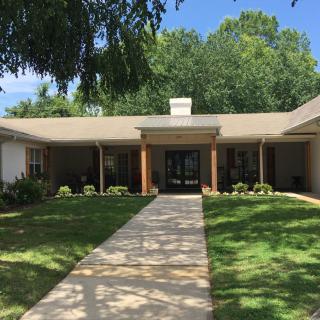
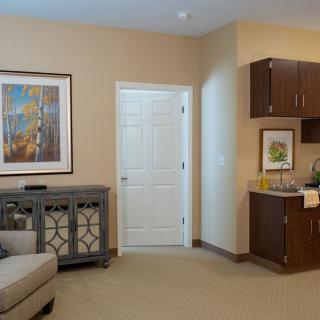
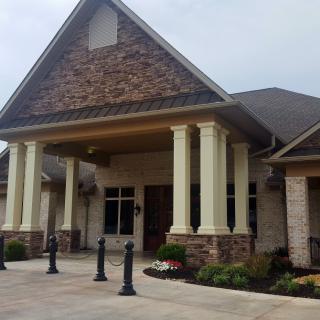
- The new building is absolutely beautiful, with new administration and staff working to improve care for residents and their families.
- It is a great long-term facility.
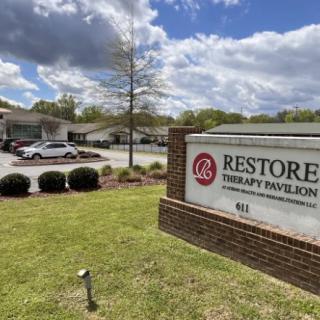
- They have an awesome therapy program.
Cons
 They label the facility as horrible and advise others not to go there.
- They say it is not a place for any human being to be, citing live wires in the laundry room that allegedly caused a death.
- They accuse the staff of being uncaring and unprofessional for not informing the deceased's only child about the death, calling it unforgivable.
- They report a coronavirus outbreak with all patients testing positive and several deaths.
- They express concern about understaffing, suggesting the nurse staff may be slightly understaffed.
- They argue that building beauty cannot compensate for a lack of quality care and caution against placing a loved one there.
Review
Elk River Health & Rehabilitation of Ardmore is best suited for families seeking a post-acute rehab pathway that can lead to long-term care in a refreshed, visually appealing setting. The community appears to work best for seniors who prioritize a modern building, an active therapy program, and an administration willing to engage families in planning and tours. When a resident’s goal is to regain function and transition smoothly into a long-term arrangement, the new facility, improved leadership, and therapy emphasis can be compelling signs of a positive trajectory.
Those who should consider alternatives are families who cannot tolerate inconsistencies in care or lapses in communication. The reviews reveal significant tensions around the quality of daily care, with some families reporting unprofessional behavior, delayed or strained family contact, and troubling safety concerns. If a family needs a consistently high level of proactive, transparent communication and a flawless safety record, it may be prudent to explore other options. Understaffing fears and incidents cited by multiple reviewers further tilt the balance toward caution for those prioritizing predictable, easily auditable care.
On the upside, the combination of a newly rebuilt building and the infusion of new administration creates a tangible lift. The property is repeatedly described as beautiful and well maintained, and the leadership changes are presented as a deliberate effort to improve resident experiences. Families consistently note a strong therapy program and a therapy director who demonstrates care for residents. In short, for rehab-focused residents, the environment and the proactive therapy team can drive meaningful gains and offer a hopeful path toward longer stays if needed.
Nevertheless, the cons are real and should be weighed with care. Several reviewers depict care as uneven, with references to staff kindness tempered by concerns about staffing levels and responsiveness. There are pointed allegations of unprofessional conduct toward families, poor communication surrounding a loved one’s decline or passing, and a hazardous-sounding environment described by at least one heartbreaking anecdote. The tension between a beautiful building and inconsistent day-to-day care can leave families torn and seeking decisive reassurance before committing long-term.
The pros, modern facility, refreshed leadership, and a capable therapy program, do strike a meaningful balance against the drawbacks for many families, but only if there is rigorous, upfront diligence. Prospective residents should leverage tours to meet the new DON and therapy leadership, interrogate staffing ratios, and insist on clear, proactive family communication plans. If the care team demonstrates reliable responsiveness, a clear plan for daily care, and demonstrated commitment to resident safety, Elk River can deliver strong outcomes, particularly for rehab-to-long-term pathways where the environment and therapy resources support recovery and ongoing function.
In the end, Elk River is a practical choice for families who can tolerate and actively monitor occasional care gaps while banking on a strong rehab program and a revitalized facility. It suits those who value a modern, comfortable setting and are prepared to engage with leadership to ensure consistent, transparent care. For families that demand flawless daily care, immediate and unwavering family communication, and an unambiguous safety culture, alternatives may be a better fit. The recommended next steps are clear: tour the new facility, meet the therapy director and the DON, discuss specific care plans, and verify staffing realities before making a final commitment.
 79 resident community capacity
 Skilled Nursing Facility
 Air-conditioning
 Beauty salon
 Cable or satellite TV
 Computer center
 Dining room
 Fitness room
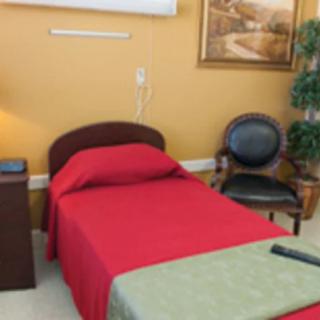
 Fully furnished
 Gaming room
 Garden
 Housekeeping services
 Kitchenette
 Move-in coordination
 Outdoor space
 Private bathrooms
 Restaurant-style dining
 Small library
 Telephone
 Wellness center
 Wi-Fi/high-speed internet available
 Community operated transportation
 12-16 hour nursing
 24-hour call system
 Activities of daily living assistance
 Assistance with bathing
 Assistance with dressing
 Assistance with transfers
 Diabetes diet
 Medication management
 Mental wellness program
 Special dietary restrictions
 Concierge services
 Planned day trips


 Skilled Nursing Facilities vs. Nursing Homes: Making Sense of the Differences
 A Detailed Examination of Nursing Home Costs Across the U.S.
 Exploring Nonmedical Home Care: Understanding Services, Costs, and Financial Approaches