
600 Us 31, Athens, AL 35613
For more information about senior living options: (866) 208-4318
Overall Review of Limestone Manor
Pros
 The two staff members Niah and Faith are absolutely amazing and very helpful.
- Limestone Manor has been very good for residents and their families, with many residents becoming more active and engaged.
- The staff at Limestone Manor are awesome to work with and provide excellent care.
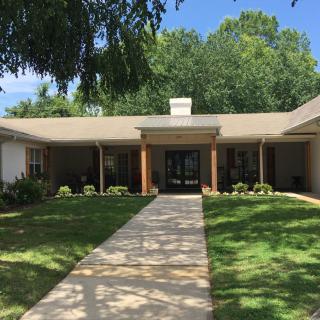
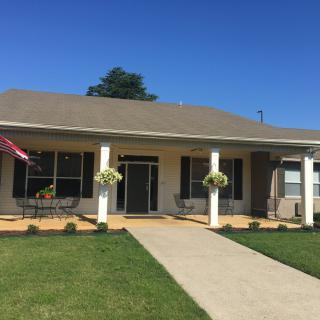
- The facility is very comfortable and does not feel like a large, commercial place.
- Athens Manor provides protective, attentive care from its team, including Holly.
- The caregivers are humble, selfless, knowledgeable, and respectful.
- Limestone Manor goes above and beyond, with staff who truly care and show abundant kindness.
- The staff are compassionate, amazing, and foster a family-like environment.
Review
Limestone Manor in Athens, AL is best suited for families seeking a warm, intimate assisted-living environment where everyday care is delivered with personal attention and a clearly caring culture. This community shines for seniors who value real relationships with staff and neighbors, a home-like atmosphere, and meaningful daily activities that foster independence and social connection. It is especially well-matched for parents who want to stay active, engaging with friends, and feeling genuinely safeguarded by a consistent team rather than a impersonal, corporate setting. The savings of a smaller campus, no “big facility” feel, translate into a comforting sense of belonging that many families prize when transitioning a loved one from home.
Those considering alternatives are wise to note that Limestone Manor may not be the right fit for every situation. If a resident’s needs skew toward high medical acuity, complex skilled-nursing care, or a dedicated memory-care unit, larger campuses with more on-site clinicians and specialized programs may be a better fit. Families prioritizing ultra-modern, resort-like amenities or vast arrays of on-demand services might also prefer a different setting. In short, this is not a facility designed to compete with the most expansive campuses; it excels precisely because its strength is intimate, hands-on care and a cohesive caregiving team.
The principal strengths, staff who watch over residents with genuine devotion, and a culture that feels like a family outside of the family, are what make Limestone Manor distinctive. Reviews highlight spontaneous acts of kindness, thoughtful communication, and staff members who can be named and expected to deliver consistent, respectful care. The environment is described as comfortable and non‑corporate, a factor that translates into calmer mornings for residents and far greater reassurance for families. When caregivers greet loved ones by name, explain routines clearly, and create a sense of safety, the day-to-day experience becomes less about treatment and more about quality of life.
That supportive staff culture directly offsets the lack of large-scale amenities. The same people who attend to meals, activities, and mobility also form the safety net that many families fear of losing in bigger settings. The testimonials emphasize not only competency but humility, selflessness, and teamwork, qualities that produce reliable coverage, quick response times, and a sense that no one is just another resident. When the caregiving team feels like an extended family, residents become more engaged, participate in more activities, and show measurable improvements in mood and activity levels, which in turn reduces family worry.
Outcomes observed in the community point to meaningful improvements in daily living rather than abstract satisfaction. A resident reported becoming significantly more active and socially connected, with participation in a robust slate of activities and friendships forming quickly. Families repeatedly cite the emotional impact of honest, compassionate care, caregivers who “have done more than expected” and who inspire trust that loved ones are well looked after. The emphasis on a safe, watchful environment, without the clinical coldness that can accompany some facilities, creates a durable sense of peace for relatives who are always asking, “Is mom safe, is she happy, is she engaged?”
Prospective residents and families should plan a visit with specific goals in mind. Observe the cadence of daily life: how staff interact with residents, the tone of group activities, and the degree of independence preserved for each person. Ask to meet key caregivers, hear firsthand about their approaches to routine care, and request a sense of how emergencies are managed on a typical shift. If memory care, high-level medical oversight, or rapid access to on-site therapies are non-negotiable, verify those offerings up front. For those who prize an authentic, compassionate culture and a homey, supportive daily life, Limestone Manor represents a compelling choice that delivers on its promises with a warm, dependable stride.
 24 resident community capacity
 Assisted Living
 Beauty salon
 Cable or satellite TV
 Dining room
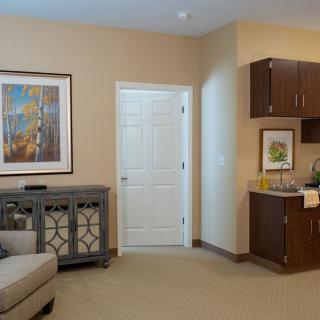
 Fully furnished
 Garden
 Housekeeping services
 Kitchenette
 Move-in coordination
 Outdoor space
 Restaurant-style dining
 Small library
 Telephone
 Wi-Fi/high-speed internet available
 Huntsville International (15 miles away)
 24-hour call system
 Activities of daily living assistance
 Assistance with bathing
 Assistance with dressing
 Assistance with transfers
 Diabetes diet
 Medication management
 Mental wellness program
 Special dietary restrictions

 Comprehensive Insights into Activities of Daily Living (ADLs) and Their Assessment
 Medicare Coverage for Assisted Living: An In-Depth Exploration
 Choosing the Right Senior Care: A Detailed Exploration of Assisted Living and Nursing Homes