


1600 West Hobbs Street, Athens, AL 35611
For more information about senior living options: (866) 208-4318
Overall Review of Senior Rehab & Recovery At Limestone Health Facility
Pros
 The reviewer was pleased with her mother's respite care.
- Her mother's room was adequate.
- The patient had knee replacement and did awesome.
- They could not have asked for better care.
- The staff were awesome.
- The PT was second to none.
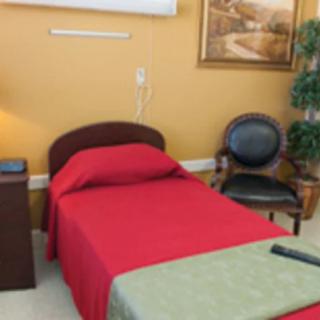
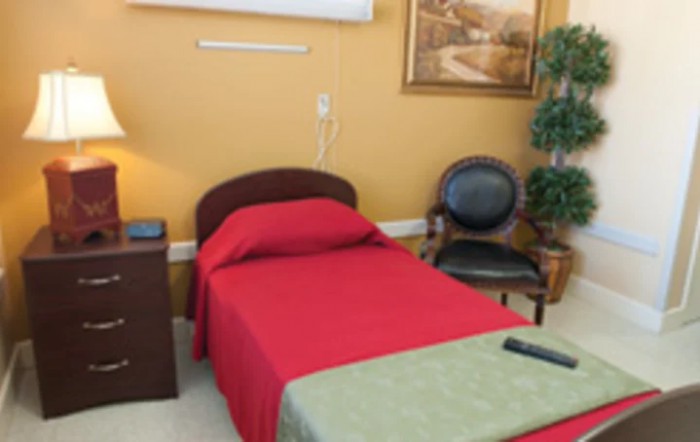
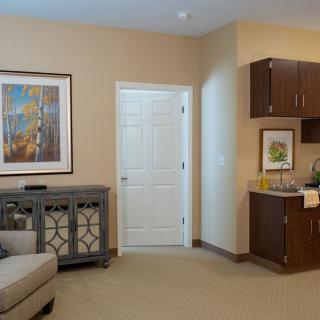
- The rooms were very spacious.
- The staff were very friendly.
- The facility was very clean.
- The therapists were great and treated the family like their own.
- The therapy staff were truly dedicated to helping residents achieve their goals and get home as quickly as possible.
- The grandmother's stay at Limestone was good; the staff were nice; the food was excellent; they were well staffed and very clean.
Cons
 The staff have no idea what they are doing.
- They allowed a diabetic resident to have sugar, which is inappropriate.
- They tried to get the son to sign a DNR against his wishes.
- A family member had to speak up to prevent the DNR from being enforced.
- The resident is never moved.
- They haven’t changed the bandages on his foot.
- He will not eat the food.
- It feels like a prison, not a place for residents.
- There are bugs and a strong odor of urine; residents are poorly cared for.
- Residents go hours or days without their clothes or diapers being changed.
- The rooms have trash, urine, and other filth on the floors.
- The facility is severely understaffed and most aides don’t do their jobs.
Review
This community is best suited for families pursuing short-term rehabilitation with a strong emphasis on physical therapy, and for residents who can tolerate a wide swing in daily caregiving as long as the rehab team remains engaged. When staffing aligns, the therapy staff can drive real progress, rooms are spacious, and the environment can feel clean and orderly. That combination makes Limestone a practical option for a ramp-up or return-to-home plan, with families receiving proactive updates about notable changes in a loved one’s condition. The caveat is that the advantages hinge on consistent staffing and attentive care; without those elements, the positives quickly erode.
Alternatives should be considered by families who cannot accept frequent lapses in daily care. Several reviews outline a pattern of under-staffing, slow responses, and troubling hygiene issues that undermine safety and dignity. For residents who require reliable, around-the-clock supervision, or for those with complex medical needs, facilities with stronger nurse-to-resident ratios and tighter quality controls are likely to deliver more predictable outcomes. If patient comfort, consistent hygiene, and respectful treatment are non-negotiable, exploring other options is prudent. In short, the facility can work, but only with careful vetting and realistic expectations about staffing and daily care.
The strongest positives, robust physical therapy, relatively spacious rooms, and a generally clean-feeling environment on favorable days, do not fully offset the most consequential concerns. When therapy teams are fully staffed and engaged, meaningful gains are possible and families report favorable impressions of treatment and progress. However, those gains can be crushed by periods of understaffing, delayed assistance, and reports of poor cleanliness, strong odors, and neglectful habits. Medical missteps and hard-to-explain gaps in routine care appear in multiple narratives, complicating long-term confidence. The pro-therapy upside is real, but it is consistently tempered by the risk of harm or inadequate daily care.
Practical evaluation cues should anchor the decision. Prospective families should request current staffing ratios by shift, ask for recent incident or grievance logs, and observe a meal and hygiene routine at different times of day. A tour should include a close look at patient rooms, restrooms, and common areas for cleanliness and odors, plus a conversation with both therapy and nursing leaders about care planning and escalation procedures. Ask how they handle high-need cases (diabetes management, wound care, hydration) and whether family updates are automatic or contingent on a visit. Scrutinize the rehab space to ensure it can accommodate the resident’s specific therapy needs and safety precautions.
If choosing Limestone, adopt a hands-on, evidence-based approach: secure a trial period or respite stay to gauge consistency, insist on a detailed, written care plan with measurable goals, and demand a clear path for urgent issues, including direct contact with nursing leadership. Confirm that meal plans and hydration support meet medical and sensory preferences, since food experience and timely assistance markedly affect appetite and recovery. Set expectations for activity schedules, social engagement, and safety measures, and clinch a commitment to notify family promptly about clinically significant changes. These moves help counterbalance the facility’s variability and protect the loved one’s wellbeing during the transition.
The bottom-line judgment is pragmatic: Limestone Health Facility presents a high-variance option. For families where excellent rehabilitation potential and a tidy, communicating environment can be secured through diligent oversight, it may serve as a workable choice. For most others, especially those who cannot tolerate inconsistent care, frequent odor and cleanliness concerns, or slow responses, the risk outweighs the potential upside. Strong consideration should be given to facilities with more consistently documented staffing, clearer daily care standards, and safer, more predictable end-of-life and medical support. In the current landscape, careful, repeat visits and hard metrics are essential before committing, and alternatives deserve serious comparison.
 170 resident community capacity
 Skilled Nursing Facility
 Air-conditioning
 Beauty salon
 Cable or satellite TV
 Computer center
 Dining room
 Fitness room
 Fully furnished
 Gaming room
 Garden
 Housekeeping services
 Kitchenette
 Move-in coordination
 Outdoor space
 Private bathrooms
 Restaurant-style dining
 Small library
 Telephone
 Wellness center
 Wi-Fi/high-speed internet available
 Huntsville International (17 miles away)
 Community operated transportation
 12-16 hour nursing
 24-hour call system
 Activities of daily living assistance
 Assistance with bathing
 Assistance with dressing
 Assistance with transfers
 Diabetes diet
 Medication management
 Mental wellness program
 Special dietary restrictions
 Concierge services
 Planned day trips





 Is a Geriatric Care Manager the Right Choice for Your Family?
 Compassionate Conversations: How to Comfort Someone Who Is Grieving
 Home Health Care Aides: Understanding Their Role and Supporting Your Family