
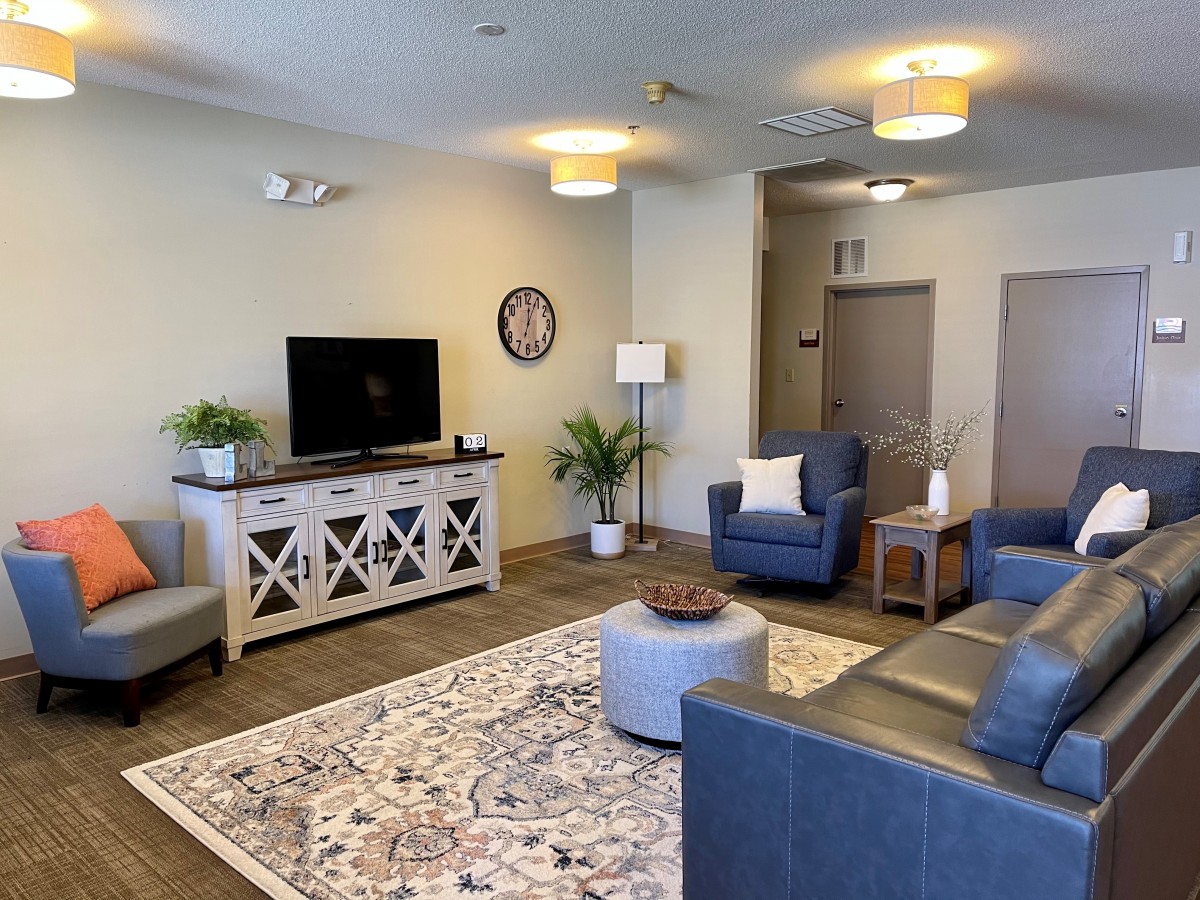
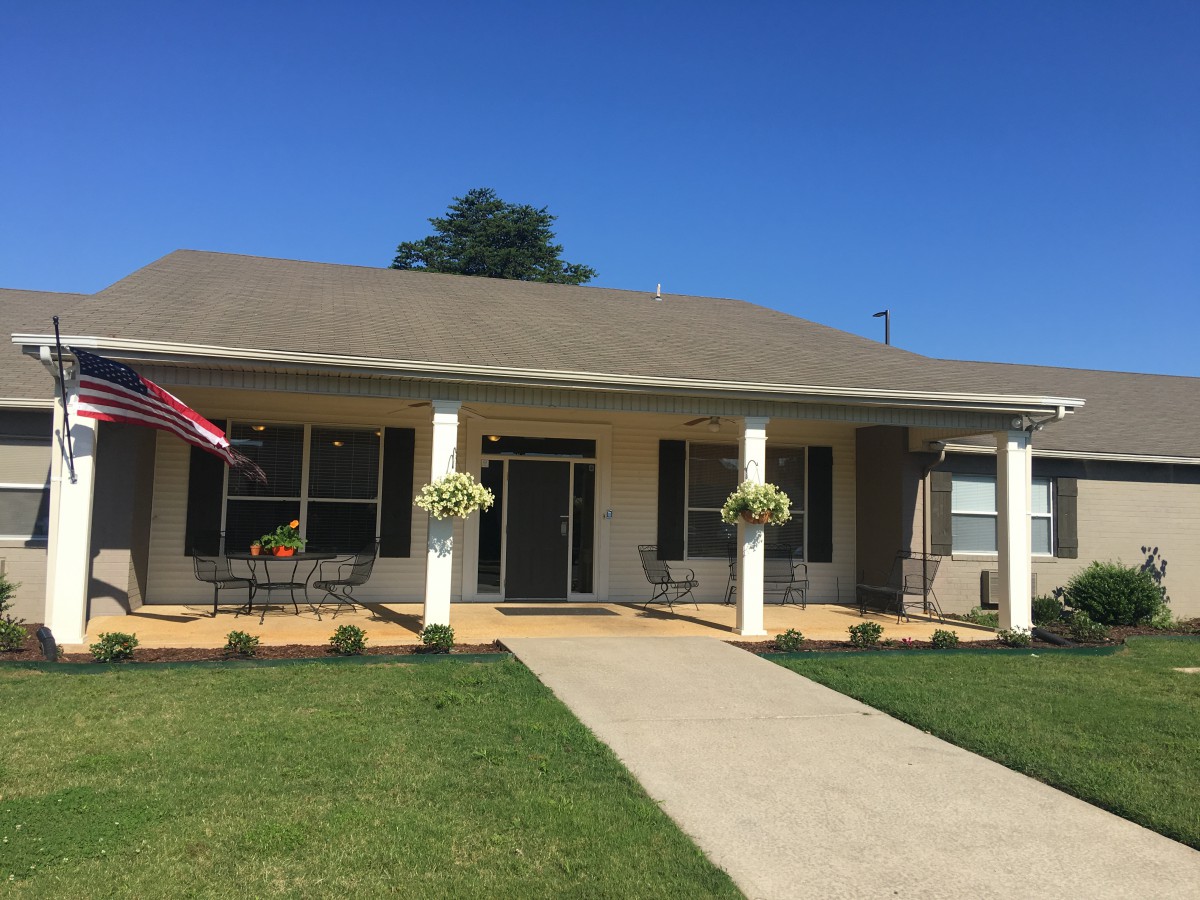
1532 West Hobbs Street, Athens, AL 35611
For more information about senior living options: (866) 208-4318
Overall Review of Limestone Lodge West
Pros
 The staff at Limestone Lodge are caring and responsive.
- Residents participate in activities and help with meals, staying engaged.
- The move-in process is accommodating, with rooms set up for new residents.
- The rooms are clean, neat, and feel like a home.
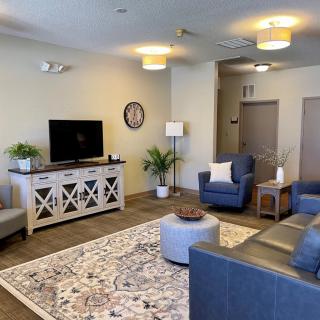
- The facility is homey and offers ample space.
- The staff are sweet, personable, and not pushy.
- They provide transportation and a variety of activities to keep residents busy.
- Families feel grateful for the care and community.
Cons
 The resident rooms are very small and gloomy; the building is older and not pretty.
- The management is awful and the entire facility has bugs.
- They abuse the residents—verbally and physically—and the administrator covers it up.
- The place is filthy with spiders; residents are often covered in urine; the food is worse than prison food.
- A resident died due to the careless behavior of a resident’s assistant, and CPR was not administered promptly and there was a cover-up.
- RA’s take pictures and videos of residents and share them on social media, and that safety issue is covered up.
- The air doesn’t work and the environment feels unsafe; families suffer daily, and some say the staff are liars.
- Due to COVID restrictions, families are not allowed to visit Limestone Lodge, making it hard to assess the care.
Review
Limestone Lodge West in Athens, AL is best suited for seniors who want a small, homey atmosphere with hands-on staff attention and a steady calendar of activities, even if the building itself feels aged. The two-building setup, assisted living in one and memory care in the other, gives families a sense of progression if care needs escalate, and several residents thrive when they are active, social, and connected to caregivers who know their routines. This is not a glossy, modern campus; it is a practical choice for households prioritizing personal warmth, consistent daily rhythms, and a community feel over bright lobbies and cutting-edge amenities.
Those who may want to consider alternatives are those who prioritize pristine, contemporary aesthetics, or who require a higher, consistently demonstrated standard of safety and infection control. The price point is notable in the county, and that premium should be justified by steady, transparent quality of care. For families with serious concerns about management responsiveness, or for anyone who cannot tolerate reports of neglect, alleged abuse, and unsanitary conditions, it is prudent to compare other options where oversight and incident reporting are more visible and where facility culture emphasizes rigorous resident protection.
On the plus side, several reviewers praise Limestone Lodge West for a personable staff that feels like family, a recognizable routine, and opportunities for residents to participate in meals, tidying up common spaces, and other activities. Move-in experiences and virtual tours have been described as thorough, and the facility’s capacity to provide housekeeping, laundry, and medication oversight helps families feel that essential daily needs are under supervision. The memory care option is noted as a separate footprint, which can be an important consideration for families seeking a smoother transition if dementia care becomes necessary. For some residents, the environment has felt clean and manageable, and the staff’s everyday kindness and engagement translate into a sense of belonging.
Yet the most troubling messages concern management quality and resident safety. One set of reviews alleges abusive treatment, aggressive neglect, and a culture that deflects responsibility, including claims of dirty conditions, pests, and residents being left unattended or improperly cared for. The most extreme accounts describe a resident death with alleged delays in emergency response and cover-ups, along with concerns about staff conduct and privacy violations. Multiple witnesses claim concerns about the air quality and overall facility cleanliness, and at least one review cites ongoing fears about how issues are escalated or resolved by administrators. These points cannot be dismissed; they demand careful scrutiny and fact-checking through independent records and direct conversations with state inspectors and current families.
In weighing pros against cons, the overall picture comes down to risk tolerance and the specific needs of the potential resident. The strengths, a supportive, active staff, a homey feel, practical daily services, and a structured social life, are meaningful if a resident thrives on routine and interpersonal connection and if the care plan can be kept consistently aligned with expectations. However, the significant safety and cleanliness concerns raised by several families tend to eclipse those advantages for anyone who places high value on transparent accountability and a consistently safe environment. The variability in experiences also suggests leadership and culture matter greatly here; when administrators are responsive, positive outcomes are possible, but when concerns gain momentum, they can undermine overall confidence.
Practical next steps for families considering Limestone Lodge West are concrete and non-negotiable. Schedule multiple visits with direct conversations with the administrator and the care director; request daily and weekly care logs, workflows, and incident reports; review the most recent state inspection findings and any corrective action plans; speak with several current residents and their families to gauge consistency of care, safety, and communication. Verify room dimensions, storage options, and what a typical dementia or memory-care plan looks like in practice. If the aim is a facility with greater demonstrable safety and modern standards, compare Limestone Lodge West against other local options with stronger reputations for vigilance and staffing stability, even if that means compromising on the intimacy and pace of life found here. The decision should rest on whether the appeal of a close-knit, engaged community can survive the weight of serious safety and cleanliness concerns, and on whether the facility can deliver proven, transparent care that aligns with an elder’s long-term well-being.
 16 resident community capacity
 Assisted Living
 Board and Care Home
 Memory Care
 Cable or satellite TV
 Dining room
 Fully furnished
 Garden
 Housekeeping services
 Move-in coordination
 Outdoor space
 Respite or short term stays offered
 Telephone
 Wi-Fi/high-speed internet available
 Huntsville International (17 miles away)
 24-hour supervision
 Activities of daily living assistance
 Assistance with bathing
 Assistance with dressing
 Assistance with transfers
 Diabetes diet
 Hospice waiver
 Meal preparation and service
 Medication management
 Mental wellness program
 Special dietary restrictions
 Transportation arrangement (medical)
 Transportation to doctors appointments





 Nourishing the Mind: Essential Dietary Approaches for Dementia
 Understanding Dementia Behaviors: Practical Insights and Strategies for Caregivers
 When Dementia Sparks Anger and Aggression: Understanding the Connection and Ways to Cope