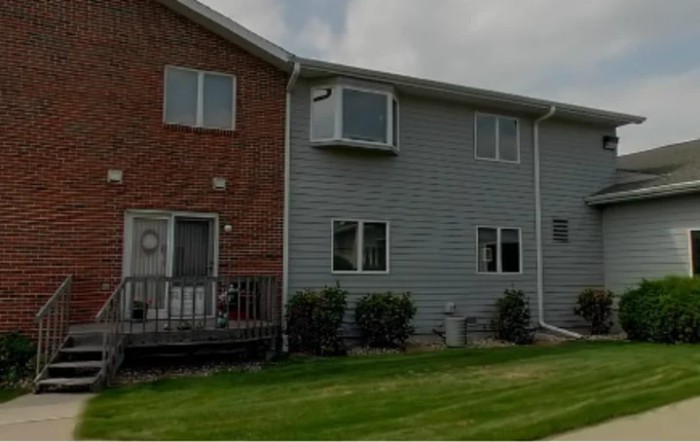
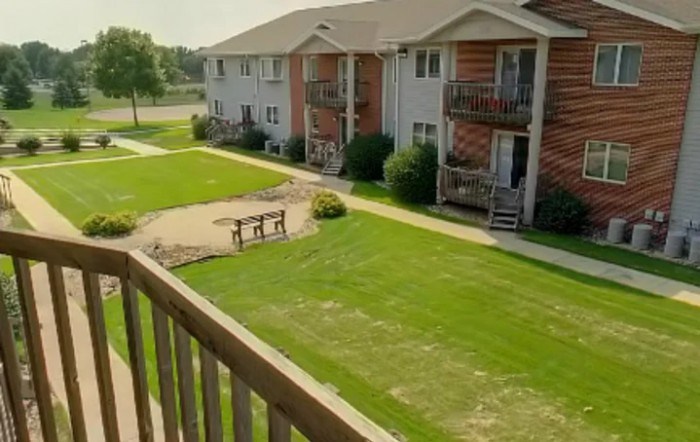
Avera Prince Of Peace

Save

Avera Prince Of Peace

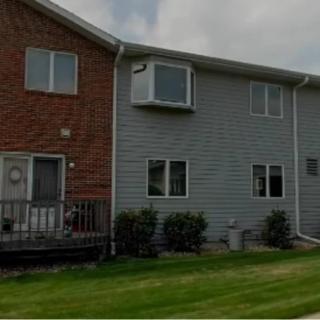
4513 South Prince Of Peace Place, Sioux Falls, SD 57103

For more information about senior living options: (844) 490-3973

2.4 from 18 reviews
5 stars
5
4 stars
2
3 stars
0
2 stars
0
1 stars
11

Skilled Nursing Facility

Overall Review of Avera Prince Of Peace

Pros

  • pro Avera POP is described as the best caregiver in the area.
  • pro The PT staff is engaged in recovery and makes efforts to provide residents with interaction.
  • pro The facility is described as high quality.
  • pro Any staff neglect is described as minimal.
  • pro The administrator and director of nursing are described as nice and dedicated to improving the facility.
  • pro Sanford hospice is described as providing immediate pain relief and loving care.

Cons

  • pro The staff are described as rude and lazy, and they gossip about residents so everyone can hear.
  • pro The social worker is significantly below expectations in setting up a forward care plan and options.
  • pro Call buttons are reported as unresponsive, with residents waiting lengthy times for help.
  • pro Residents are sometimes found unattended, such as being asleep on the toilet.
  • pro Prescriptions like compression socks are not consistently provided when medically indicated.
  • pro Night shift staff are portrayed as cruel and mean, with the coordinator described as vicious and protective of staff.
  • pro Admissions staff (Kim) allegedly never returns calls after multiple attempts.
  • pro Long-term residents are ignored or left waiting for hours; light bells go unanswered due to supposed understaffing.
  • pro There are claims of staff having alcohol on shift and smelling of vodka, with at least one employee stumbling in the parking lot.
  • pro A patient fell and did not receive prompt response; a nurse berated the patient in front of family, and continued care was denied after discussion with administration.
  • pro There are concerns that some patients died or worsened due to perceived substandard care and delays, including pain, neglect, and lack of timely monitoring.
  • pro Night staff are described as rude on the phone, giving a poor first impression.

Review

The collection of reviews about the rehab facility affiliated with Avera POP and Prince of Peace reads like a tapestry of conflicting experiences, but the threads of concern are strikingly consistent. Several families describe a pattern of undercommunication, responsiveness issues, and safety worries that overshadow the moments of competent care. While some reviewers acknowledge genuine effort from certain staff, especially in the rehabilitation and activity-oriented aspects, the overall impression across multiple accounts is one of frustration and alarm about how residents are treated, especially during recovery from surgery or in long-term care.

A number of entries complain explicitly about the nurses and frontline staff being unhelpful or dismissive. In one particularly troubling case, a father recovering from knee replacement was observed to have waited about 25 minutes after pressing his call button before anyone responded, leaving him needing to use the restroom. The family later tested the button and found it worked, which only deepens concerns that patients' calls for help may not be treated with urgency. Other accounts describe residents being left unattended, including moments when a patient was found asleep on the toilet, raising questions about how such situations are monitored and why no one checked on him promptly. The impression conveyed is that even when help is requested, it does not arrive in a timely fashion, sometimes with consequences for dignity and safety.

Careful attention to medical orders and comfort routines also surfaces as a chronic issue. Several reviewers recount experiences with compression socks being mismatched with medical orders or simply not provided, despite explicit directions from physicians. The frustration is amplified by repeated reminders from family members who had to advocate daily for something as straightforward as the right kind of compression socks to manage swelling and reduce the risk of clots. In another thread of concern, a family member notes that a patient with a severe blood clot risk could be compromised by delays in basic care, underscoring fears about medical oversight in the rehab setting.

Beyond individual episodes, there is a broader sense of mixed quality that leaves families divided on whether the facility is suitable for rehab. On the one hand, some reviews praise the PT staff for being engaged and focused on recovery, and they credit the facility with offering meaningful opportunities for interaction and rehabilitation. On the other hand, critics point to a social worker who did not meet expectations in creating forward plans, arranging facilities, or presenting viable options for continuing care after discharge. The result is a contradictory ecosystem where progress in physical therapy exists alongside concerns about planning and post-acute care.

Admissions and initial communications also come in for criticism. Several reviewers report that admissions staff, notably a person named Kim, failed to return calls despite multiple follow-ups, which creates a frustrating barrier for families trying to coordinate care and understand options. The tone in answering phones is described as unwelcoming by some, contributing to a negative first impression that can color the entire experience of a loved one's stay. When families are trying to navigate a difficult period, such frictions in communication can feel especially jarring and isolating.

From the long-term care perspective, the reviews describe a troubling pattern of neglect and perceived neglect, including reports of lost clothing and mementos, delays in addressing visitors' requests, and a claim that lights or access to a patient's room were not consistently attended to during certain evening hours due to understaffing. One family member recounts waiting more than two hours for a nurse to respond to a visit request and notes that their parent, who had vision impairment, was not properly assisted with medications. Several accounts describe a near-constant refrain of being short-staffed, with added anecdotes of pain and distress as a patient nears the end of life and feels unseen or inadequately supported as care needs shift.

Safety concerns extend into observations about the facility's night-shift environment. A recurring theme is the perception that the night staff can be rough or inattentive in their duties, with some accounts alleging crude or dismissive behavior toward residents and even one charge about a staff member smelling of vodka on multiple occasions. The implication is that not only are routine needs at risk during the night, but that there could be broader concerns about staff fitness for duty in such vulnerable moments. These stories culminate in alarming scenes of falls or near-falls, with reports of residents not receiving timely alerts or assistance after a fall, which then provoke broader questions about the safety culture on the units.

Yet, amid the turmoil, some reviewers do acknowledge positive elements and personal interactions that provide a counterbalance to the negatives. A few accounts speak highly of administrator and director of nursing engagement and a shared commitment to improving the facility. They describe staff who are courteous, professional, and dedicated to patient welfare, and they commend the rehabilitation and recovery-focused aspects of care where they observed real effort and progress. Even where concerns exist, these hopeful notes remind readers that there are individuals who genuinely strive to do better and to care for residents with compassion.

In sum, the narrative surrounding this rehab facility is a blend of commendable clinical effort and troubling systemic gaps. Positive remarks about physical therapy engagement and overall facility quality sit alongside loud alarms about responsiveness, safety, and consistent care, especially for residents requiring monitoring, timely assistance, and sensitive end-of-life or long-term care considerations. Families report a spectrum of experiences - from appreciative and hopeful interactions with some staff to distressing episodes involving unaddressed needs, miscommunications, and alleged negligence. Anyone considering this facility would do well to weigh these accounts carefully, visit in person, and ask pointed questions about staffing levels, response times, and the processes in place to protect patient safety and dignity at all times.

Features

Housing

  • 114 resident community capacity 114 resident community capacity

Types of Care

  • Skilled Nursing Facility Skilled Nursing FacilitySkilled Nursing Facilities are crucial for seniors as they provide round-the-clock medical care, rehabilitation services, and assistance with daily activities. These facilities ensure that seniors receive the specialized care they need to maintain their health and well-being as they age.

Amenities

  • Air-conditioning Air-conditioningAir conditioning is important for seniors as they are more vulnerable to heat-related illnesses and may have underlying health conditions that make it difficult for them to regulate their body temperature. It helps to keep them comfortable, safe, and healthy in hot weather.
  • Beauty salon Beauty salonBeauty salons are important for seniors because they provide a space for them to feel pampered, socialize, and maintain their personal grooming and hygiene. Regular visits to a beauty salon can help boost seniors' self-esteem and overall well-being.
  • Cable or satellite TV Cable or satellite TVCable or satellite TV is important for seniors because it provides entertainment, news, and companionship, helping to combat loneliness and boredom. It also offers a wide range of programming options tailored to different interests and preferences.
  • Computer center Computer centerA computer center is essential for seniors as it provides access to technology, communication tools, and resources that can enhance their daily lives. It allows them to stay connected with loved ones, engage in online activities, and learn new skills, ultimately promoting socialization and mental stimulation.
  • Dining room Dining roomDining rooms are important for seniors as they provide a space for socialization, connection, and nutritious meals. They offer opportunities for residents to bond over shared meals, foster a sense of community, and promote healthy eating habits. Dining rooms also ensure that seniors have access to well-balanced meals tailored to their dietary needs and preferences.
  • Fitness room Fitness roomHaving a fitness room in a senior living community is essential for seniors to stay active, maintain their physical health, and improve their overall well-being. Regular exercise can help prevent falls, reduce the risk of chronic diseases, and promote mental sharpness. It also provides social opportunities for residents to connect with others and enjoy a sense of community.
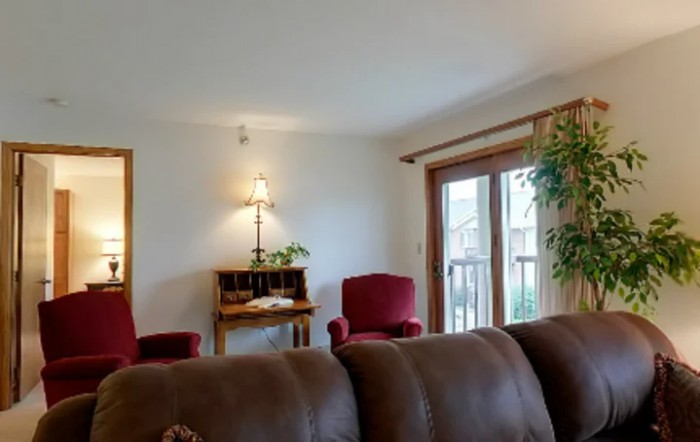
  • Fully furnished Fully furnishedFully furnished senior living communities are important for seniors because they provide convenience, comfort, and a hassle-free moving experience. Seniors can easily settle into their new living space without the stress of having to buy and move furniture. This allows them to focus on enjoying their new home and community.
  • Gaming room Gaming roomGaming rooms are important for seniors as they provide a fun and engaging environment for socializing, cognitive stimulation, and physical activity. Games can improve memory, problem-solving skills, and overall mental well-being while fostering friendships and reducing feelings of isolation.
  • Garden GardenGardens are important for seniors as they provide a peaceful and therapeutic environment for relaxation, physical activity, and socialization. Being in nature has been shown to reduce stress, improve mood, and promote overall well-being. Gardens also offer opportunities for seniors to engage in gardening activities, which can improve mobility, flexibility, and cognitive function. Additionally, gardens create a sense of community and connection with others who share a passion for plants and outdoor spaces.
  • Housekeeping services Housekeeping servicesHousekeeping services are important for seniors because they help maintain a clean and safe living environment, promote independence, and reduce the risk of accidents or illnesses. Additionally, having assistance with household chores can alleviate physical strain and allow seniors to focus on other aspects of their well-being.
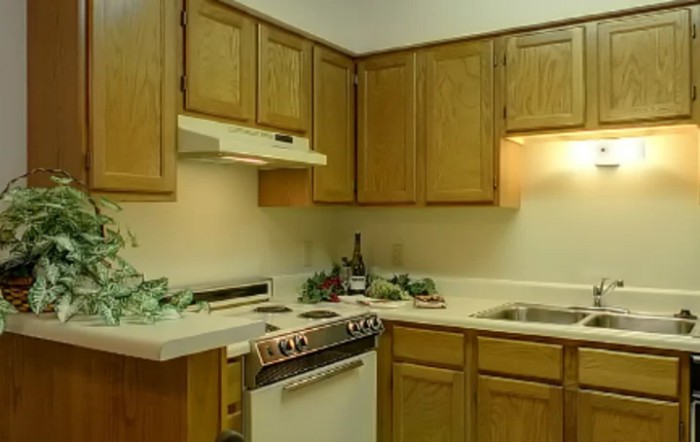
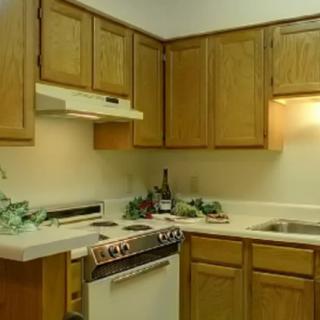
  • Kitchenette KitchenetteKitchenettes are important for seniors living in senior living communities because they provide the convenience and independence of being able to prepare simple meals and snacks in the comfort of their own living space. This can help promote a sense of autonomy and well-being for seniors, allowing them to maintain some level of control over their dietary choices and daily routines.
  • Move-in coordination Move-in coordinationMove-in coordination is important for seniors because it helps ease the transition into their new living environment. It ensures that all logistics, such as packing, organizing movers, and setting up utilities are taken care of, allowing seniors to focus on settling in and adjusting to their new home. Having a smooth move-in process can alleviate stress and anxiety, making the transition smoother and more enjoyable for seniors.
  • Outdoor space Outdoor spaceOutdoor spaces are important for seniors as they provide opportunities for physical activity, social interaction, exposure to natural light and fresh air, and a sense of connection to nature. Having access to outdoor spaces can improve overall well-being and quality of life for older adults living in senior communities.
  • Private bathrooms Private bathroomsPrivate bathrooms are important for seniors in senior living communities because they provide independence, dignity, and comfort. Having a private bathroom allows seniors to maintain their personal hygiene routines without the need for assistance, promoting a sense of autonomy and privacy. Additionally, private bathrooms help prevent the spread of infections and provide a safe and clean environment for seniors to navigate safely.
  • Restaurant-style dining Restaurant-style diningRestaurant-style dining is important for seniors because it allows them to enjoy delicious, nutritious meals in a social and upscale setting. This enhances their dining experience, promotes healthy eating habits, and fosters socialization with fellow residents, ultimately contributing to their overall well-being and quality of life.
  • Small library Small librarySmall libraries are important for seniors as they provide access to a variety of reading materials, including books, newspapers, and magazines. This can help stimulate their minds, keep them engaged, and provide a sense of community through book clubs and other social activities. Additionally, reading has been shown to improve cognitive function and overall mental well-being in older adults.
  • Telephone TelephoneTelephones are important for seniors as they provide a lifeline for communication with loved ones, emergency services, and healthcare providers. They offer a sense of security and independence, enabling seniors to stay connected and access assistance when needed.
  • Wellness center Wellness centerWellness centers are important for seniors because they offer a variety of programs and services that promote physical, mental, and emotional well-being. These centers provide opportunities for exercise, socialization, education, and relaxation, helping seniors maintain their overall health and quality of life.
  • Wi-Fi/high-speed internet available Wi-Fi/high-speed internet availableWi-Fi/high-speed internet is important for seniors to stay connected with loved ones, access online resources, and participate in virtual activities to combat feelings of loneliness and isolation. It also allows them to easily manage healthcare needs, access entertainment, and engage in lifelong learning opportunities.

Transportation

  • Joe Foss (6 miles away) Joe Foss (6 miles away)
  • Community operated transportation Community operated transportationCommunity operated transportation is crucial for seniors as it provides them with the means to access essential services, social activities, and medical appointments. It allows seniors to maintain their independence and quality of life by ensuring they can participate in activities outside of their homes. Additionally, community-operated transportation services offer a safe and reliable way for seniors to travel without having to rely on family or friends for assistance.
  • Transportation arrangement Transportation arrangementTransportation arrangements are crucial for seniors as they may face challenges with driving, mobility, or access to public transportation. Having reliable transportation services ensures that seniors can easily attend appointments, social activities, and maintain their independence and quality of life.
  • Transportation arrangement (non-medical) Transportation arrangement (non-medical)Transportation arrangements are essential for seniors as they provide access to essential services, activities, and social interactions outside the home. This service helps maintain independence, mobility, and overall well-being for seniors who may have limited transportation options.
  • Transportation to doctors appointments Transportation to doctors appointmentsTransportation to doctors appointments is crucial for seniors as it ensures they have access to necessary medical care and support, promoting their health and well-being. It allows them to receive timely treatment, monitor existing conditions, and address any new health concerns efficiently. Additionally, transportation services can help seniors maintain their independence and quality of life by enabling them to stay connected with their healthcare providers.

Care Services

  • 12-16 hour nursing 12-16 hour nursing12-16 hour nursing care is crucial for seniors in order to ensure around-the-clock monitoring, timely medication administration, and prompt response to any health concerns or emergencies. This level of care helps to promote the overall well-being and safety of seniors living in senior living communities.
  • 24-hour call system 24-hour call system24-hour call systems are important for seniors because they provide peace of mind and immediate assistance in case of emergencies. This technology ensures that help is always available, promoting safety and security for elderly individuals living alone or in assisted living facilities.
  • 24-hour supervision 24-hour supervision24-hour supervision is important for seniors to ensure their safety, well-being, and access to immediate assistance in case of emergencies or health issues. This constant support provides peace of mind for both seniors and their loved ones, allowing them to age in place with dignity and security.
  • Activities of daily living assistance Activities of daily living assistanceActivities of daily living assistance are important for seniors because they provide essential support with tasks such as eating, bathing, dressing, and mobility. This assistance helps seniors maintain their independence, dignity, and overall quality of life as they age.
  • Assistance with bathing Assistance with bathingAssistance with bathing is crucial for seniors as it helps maintain personal hygiene, prevents infections, and ensures their overall well-being and comfort. It also provides a sense of dignity and independence for seniors who may struggle with this task on their own.
  • Assistance with dressing Assistance with dressingAssistance with dressing is important for seniors because it helps maintain their independence, promotes personal hygiene, prevents accidents and injuries, and improves overall quality of life. This service ensures that seniors can continue to dress comfortably and confidently, despite any physical limitations they may have.
  • Assistance with transfers Assistance with transfersAssistance with transfers is crucial for seniors as it helps prevent falls and injuries, maintains their independence, and ensures they can safely navigate their living environment. It also provides peace of mind for both seniors and their loved ones.
  • Diabetes diet Diabetes dietA diabetes diet is crucial for seniors as it helps manage blood sugar levels, reduce risks of complications, and improve overall health and well-being. By following a balanced and nutritious diet tailored to their specific needs, seniors can better control their diabetes and enhance their quality of life.
  • Meal preparation and service Meal preparation and serviceMeal preparation and service are crucial for seniors as they may have limited mobility or energy to cook nutritious meals. Having access to healthy and convenient food options can ensure they are getting the proper nutrition needed to maintain their overall health and well-being.
  • Medication management Medication managementMedication management is crucial for seniors to ensure they are taking the right medications at the correct dosages and times. This helps prevent adverse drug interactions, reduces the risk of medication errors, and promotes overall health and well-being. Proactive management also allows for adjustments as needed based on changing health conditions or new prescriptions.
  • Mental wellness program Mental wellness programMental wellness programs are essential for seniors as they promote cognitive stimulation, emotional support, and social engagement. These programs help prevent isolation, depression, and cognitive decline, ultimately enhancing the overall quality of life for older adults.
  • Special dietary restrictions Special dietary restrictionsSpecial dietary restrictions are important for seniors because age-related changes in metabolism and health conditions can make it difficult for their bodies to process certain foods. By following a diet tailored to their specific needs, seniors can maintain their overall health and well-being, manage chronic conditions, and reduce the risk of complications such as malnutrition or food interactions with medications.

Dining

  • Diabetes diet Diabetes dietA diabetes diet is crucial for seniors as it helps manage blood sugar levels, reduce risks of complications, and improve overall health and well-being. By following a balanced and nutritious diet tailored to their specific needs, seniors can better control their diabetes and enhance their quality of life.
  • Special dietary restrictions Special dietary restrictionsSpecial dietary restrictions are important for seniors because age-related changes in metabolism and health conditions can make it difficult for their bodies to process certain foods. By following a diet tailored to their specific needs, seniors can maintain their overall health and well-being, manage chronic conditions, and reduce the risk of complications such as malnutrition or food interactions with medications.

Activities

  • Community-sponsored activities Community-sponsored activitiesCommunity-sponsored activities are important for seniors as they provide opportunities for social interaction, mental stimulation, and physical activity. These activities can help improve overall well-being, combat loneliness and isolation, and promote a sense of belonging and purpose among older adults.
  • Concierge services Concierge servicesConcierge services are essential for seniors as they provide assistance with daily tasks and errands, enhance their quality of life by offering convenience and personalized care, and promote a sense of safety and security.
  • Fitness programs Fitness programsFitness programs are crucial for seniors as they help improve strength, flexibility, balance, and overall well-being. Staying active can reduce the risk of chronic diseases, improve mental health, and enhance quality of life in older adults.
  • Planned day trips Planned day tripsPlanned day trips are important for seniors because they offer opportunities for socialization, mental stimulation, and physical activity. They provide a change of scenery and help seniors stay engaged and connected to their community, promoting overall well-being and quality of life.
  • Resident-run activities Resident-run activitiesResident-run activities are important for seniors as they encourage social interaction, creativity, and a sense of autonomy. These activities empower seniors to stay engaged and active in their community while fostering meaningful connections with their peers.
  • Scheduled daily activities Scheduled daily activitiesScheduled daily activities are important for seniors because they provide structure, socialization, mental stimulation, and physical activity. Engaging in regular activities can improve overall well-being and quality of life for seniors living in a community setting.

Description

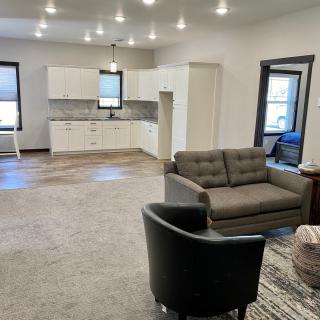
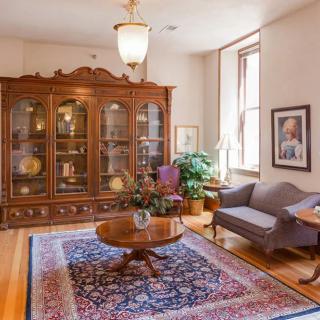
Avera Prince Of Peace in Sioux Falls, SD is a premier assisted living community that offers a wide range of amenities and care services to ensure the comfort and well-being of its residents. The community features a beauty salon where residents can indulge in various hair and beauty treatments. Each resident suite is equipped with cable or satellite TV for their entertainment.

For convenient transportation, Avera Prince Of Peace offers community-operated transportation as well as assistance with arranging non-medical transportation to doctors' appointments. Residents also have access to a computer center with Wi-Fi/high-speed internet, allowing them to stay connected with loved ones or pursue personal interests online.

The community boasts a spacious dining room where restaurant-style meals are served, accommodating special dietary restrictions. There is also a kitchenette available for residents who prefer to prepare their own meals. Housekeeping services ensure that the living spaces are tidy and well-maintained.

Avera Prince Of Peace prides itself on providing opportunities for social engagement and physical fitness. Residents can enjoy the fully furnished gaming room or participate in scheduled daily activities organized by the staff. For those looking to keep fit, there is a fitness room and wellness center available.

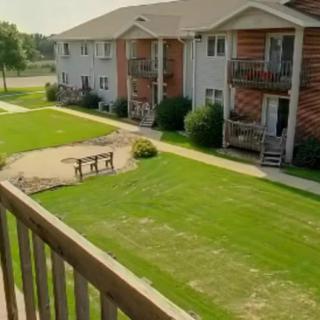
The community also offers amenities that promote relaxation and tranquility. Residents can spend time in the beautifully landscaped garden or unwind with a book in the small library. Outdoor spaces provide opportunities for fresh air and outdoor activities.

In terms of care services, Avera Prince Of Peace provides 24-hour call system and supervision for the safety of its residents. Trained staff members are available to assist with activities of daily living such as bathing, dressing, and transfers. Medication management ensures that residents receive the correct medications at the right times.

Additionally, there is a mental wellness program in place to support residents' emotional well-being. Special dietary restrictions can be accommodated, ensuring that each resident's nutritional needs are met.

Avera Prince Of Peace is conveniently located near various amenities and services. Nearby cafes, parks, pharmacies, physicians, restaurants, places of worship, theaters, and hospitals provide easy access to additional resources and activities.

Overall, Avera Prince Of Peace offers a comfortable and caring environment for seniors seeking assisted living services in Sioux Falls. With its range of amenities and care services, residents can enjoy a fulfilling and enriching lifestyle while receiving the assistance they need.

Nearby Places of Interest

This part of Sioux Falls, South Dakota, offers a diverse range of amenities and services that cater to the needs of older adults looking for senior living options. With multiple places of worship nearby, seniors can easily maintain their spiritual practices. There are also several cafes and restaurants in the area for social gatherings or enjoying a meal out. The numerous parks provide opportunities for outdoor recreation and relaxation. Access to pharmacies and healthcare facilities, including hospitals and physicians' offices, ensures convenient medical care when needed. Additionally, the proximity to a theater offers entertainment options for leisurely activities. Overall, this neighborhood provides a well-rounded environment for seniors seeking a vibrant community with various resources at their disposal.

Places of Worship

  • Holy Spirit Church (0.1 miles)
  • First Reformed Church (1.6 miles)
  • Westminster Presbyterian Church (1.7 miles)
  • Hillcrest Baptist Church (1.8 miles)

Cafes

  • Scotters Coffee (0.9 miles)
  • Panera Bread (2.9 miles)
  • Coffea Roasterie (3 miles)
  • Daily Clean Food and Drink (3.4 miles)
  • All Day Cafe (3.5 miles)

Parks

  • Lewis Park (0.9 miles)
  • Harmodon Park (1.5 miles)
  • Prairie Trail Park (1.6 miles)
  • McKennan Park (2.7 miles)
  • Yankton Trails Park (2.8 miles)
  • Lyon Park (3.3 miles)

Restaurants

  • Attic Bar & Grill (1 miles)
  • Stubbies Bar & Grill (1.2 miles)
  • Burger King (1.2 miles)
  • McDonald's (1.7 miles)
  • Tinner's Bar & Grill (2.5 miles)
  • Wendy's (2.9 miles)
  • Hibachi Grill & Supreme Buffet (2.9 miles)

Pharmacies

  • Walgreens (1.2 miles)
  • Lewis Drugs Southeast (1.8 miles)
  • Walgreens (1.9 miles)
  • Avera McKennan Campus Pharmacy (2.6 miles)
  • Avera Pharmacy - Sioux Falls - Cliff Avenue (2.6 miles)
  • Lewis Drug Stores (2.6 miles)
  • Caretrends Pharmacy (2.6 miles)

Physicians

  • Boote, Rochelle, Joy, MD (1.7 miles)
  • CORE Orthopedics & Sports Medicine of South Dakota (1.8 miles)
  • Dakota Dermatology (2.3 miles)
  • Avera Medical Group Mcgreevy (2.3 miles)
  • Sanford Clinic Family Medicine (2.4 miles)
  • Plastic Surgery Associates Of South Dakota (2.4 miles)
  • Avera Hematology & Transplant (2.4 miles)

Hospitals

  • Prairie States Surgical Center (1.8 miles)
  • Boehm Shereck, Lori (2.9 miles)
  • The Body Mind Bridge (3.6 miles)

Theaters

  • Century East at Dawley Farm (2.7 miles)

Frequently Asked Questions

Where is Avera Prince Of Peace?
What photos are available for Avera Prince Of Peace in Sioux Falls, South Dakota?

Nearby Communities

Skilled Nursing Facility in Nearby Cities

Related Resources

  • memory games for seniors9 Stimulating Memory Activities for Seniors: Puzzles, Cards, and Much More

    The article highlights nine memory-boosting activities for seniors that enhance cognitive health and social interaction, including puzzles, trivia quizzes, and storytelling, while emphasizing the importance of adapting these activities to individual preferences to maximize enjoyment and engagement. Consistent mental engagement is linked to improved cognitive function and emotional well-being in older adults.

  • what happens when medicare stops paying for nursing home careManaging Nursing Home Expenses After Medicare Coverage Ends

    Medicare provides limited coverage for skilled nursing home care, covering full benefits for the first 20 days and partial benefits up to 100 days under certain conditions, after which families must explore alternative funding options like Medicaid or long-term care insurance to manage potentially high costs. Proactive planning is essential to navigate the complexities of financing ongoing care once Medicare coverage ends.

  • geriatric care managerIs a Geriatric Care Manager the Right Choice for Your Family?
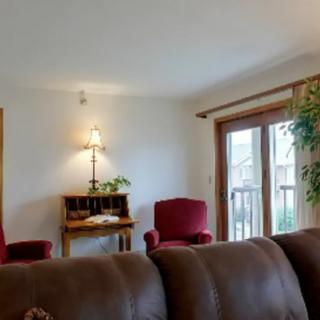
    Geriatric care managers create personalized care plans for older adults, addressing their medical, social, financial, and psychological needs while coordinating services and advocating for their well-being. They help families navigate caregiving challenges but may be hindered by high costs and a shortage of qualified professionals.