Golden LivingCenter - Meadowbrook presents a pricing structure for its services that significantly exceeds both local and state averages. For a semi-private room, the monthly cost is set at $5,165, which notably surpasses the average costs in Pennington County ($3,205) and South Dakota as a whole ($3,243). Similarly, residents opting for a private room incur a fee of $5,400, again higher than the county's average of $3,917 and the state average of $4,193. This pricing may reflect the center's commitment to quality care and amenities, yet potential residents should consider these figures in comparison to more affordable options within the region.
Floor plans
Golden LivingCenter - Meadowbrook
Pennington County
South Dakota
Semi-Private
$5,165
$3,205
$3,243
Private
$5,400
$3,917
$4,193
Skilled Nursing Facilities with a similar price nearby
Overall Review of Golden LivingCenter - Meadowbrook
caveat3 reviews mention this
Care lapses raise safety concerns
Some residents’ families report serious issues with supervision and basic care processes.
A few reviews describe problems such as inadequate supervision and multiple falls, along with concerns about toileting standards, missing or mishandled belongings, and medication issues. Others report bed sores that did not improve and instances where residents felt undignified. In a separate review, a family ties a poor outcome to how infections were handled at the facility.
common17 reviews mention this
Staff are described as caring
Residents and families commonly describe staff as kind, attentive, and responsive to needs.
Across many reviews, families say the staff communicated well and treated residents with respect. Several mention quick help, encouragement during rehab, and staff members who went out of their way to support care planning. Even in positive accounts, reviewers emphasize professionalism and attentiveness from nurses, therapy staff, and team members involved in daily coordination.
common5 reviews mention this
Rehabilitation care gets praise
Rehabilitation and therapy support is repeatedly described as a strength.
Reviewers mention strong therapy involvement, including a well-equipped therapy area and a therapy team that helped with physical recovery. Families also describe rehabilitation experiences as organized and supportive, with encouragement that boosted morale. One review also highlights treatment care needs being addressed promptly, including wound and medication-related management.
common2 reviews mention this
Meals are a frequent highlight
Meals and dining experience are specifically called out as positive.
Residents and families describe the meals as well-presented and flavorful, with good appetite and positive food feedback. One review also frames the dining room as a central gathering place with choices available during the day.
common3 reviews mention this
Activities help residents stay engaged
Activities are mentioned as part of daily life at the facility.
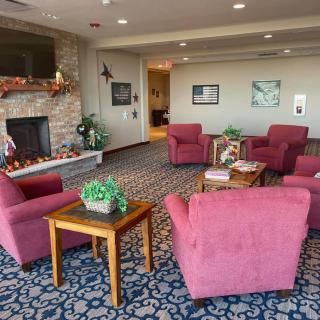
Several reviews describe residents staying active through scheduled options and self-directed pursuits such as crafts, card games, and movies. The activity approach is also tied to socializing in shared spaces. One review specifically mentions an activities setup that helps residents connect with others staying there.
How we summarize
Counts show how many written reviews mention each theme; a review can touch several themes, and only frequently mentioned themes are displayed.
Features
Types of Care
Skilled Nursing Facility
Amenities
Private
Transportation
Rapid City Regional (11 miles away)
Nearby Places of Interest
This area of Rapid City, South Dakota offers a convenient and diverse array of amenities for seniors considering living in the area. With multiple physicians and hospitals located within a short distance, residents can easily access medical care when needed. Additionally, there are several parks nearby, providing opportunities for outdoor recreation and relaxation. Pharmacies are also readily available for prescription needs. Places of worship offer spiritual fulfillment, while a variety of restaurants cater to different culinary preferences. Transportation options like U-Haul Moving & Storage provide convenience for any moving or storage needs. Overall, this neighborhood provides a well-rounded community with essential services and activities to support a comfortable senior lifestyle.
Physicians
Creekside Family Practice (0.7 miles)
Rapid City Medical Center (0.7 miles)
Rushmore Ob-Gyn PC (0.9 miles)
RCMH Rapid City Mental Health (0.9 miles)
Emergiclinic (1 miles)
Rapid City Medical Center (1 miles)
Native Womens Health Care (1.1 miles)
Parks
Storybook Island (0.9 miles)
Canyon Lake Park (1 miles)
Sioux Park (1.2 miles)
Hall Park (1.3 miles)
Dinosaur Park (1.7 miles)
Wilson Park (1.8 miles)
The Greenway x Capital Street (2.4 miles)
Hospitals
Rapid City Indian Hospital , Pharmacy Refills (1 miles)
Rapid City Indian Hospital Sioux San (1 miles)
Rushmore Ambulatory Surgery Center (1.4 miles)
Rapid City Regional Hospital (2 miles)
Labor and Delivery (2.1 miles)
Rapid City Regional Hospital (2.1 miles)
Black Hills Surgical Hospital (2.4 miles)
Pharmacies
Medicap Pharmacy (1 miles)
Boyds Drug Mart (1.6 miles)
Safeway Pharmacy (1.6 miles)
Walgreens (1.7 miles)
Monument Health Home+ Specialty Pharmacy (1.8 miles)
Golden LivingCenter - Meadowbrook presents a pricing structure for its services that significantly exceeds both local and state averages. For a semi-private room, the monthly cost is set at $5,165, which notably surpasses the average costs in Pennington County ($3,205) and South Dakota as a whole ($3,243). Similarly, residents opting for a private room incur a fee of $5,400, again higher than the county's average of $3,917 and the state average of $4,193. This pricing may reflect the center's commitment to quality care and amenities, yet potential residents should consider these figures in comparison to more affordable options within the region.
Palliative home care focuses on improving the quality of life for individuals with serious illnesses by providing comfort, symptom management, and emotional support in their own homes. This approach includes personalized care plans, regular assessments, and resources for family caregivers, all while prioritizing person-centered treatment that aligns with patients' goals.
Skilled nursing facilities (SNFs) provide high-level medical care and rehabilitation for short-term recovery, typically covered by Medicare after hospitalization, while nursing homes focus on ongoing custodial care for chronic conditions, mainly funded by Medicaid or private payments. The staffing and regulatory structures differ significantly between the two, necessitating clarity for families in choosing appropriate long-term care options.
Nursing home care costs in the U.S. vary significantly based on location, level of care, and amenities, with private room prices ranging from approximately $6,700 to over $30,000 monthly. Families need to explore various payment options and conduct thorough research to manage these expenses effectively.
Get PricingAsk A QuestionSchedule A TourContact Senior Advisor
By clicking submit, you agree to our Partner's Terms of Use. You
also consent to receive calls and texts, which may be autodialed, from our Partner. Your consent is not a condition to
using our Partner's service. Please visit our Partner's Privacy Policy for information about their privacy practices.

 Skilled Nursing Facility
 Private
 Rapid City Regional (11 miles away)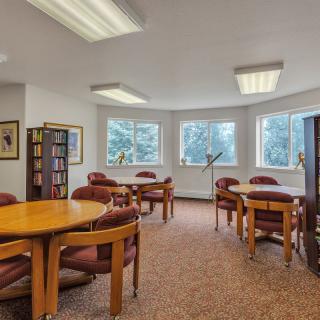
 Friendly, caring staff with an active social scene and good dining.
 Comprehensive Insights into Palliative Home Care: What It Is and What to Expect
 Skilled Nursing Facilities vs. Nursing Homes: Making Sense of the Differences
 A Detailed Examination of Nursing Home Costs Across the U.S.