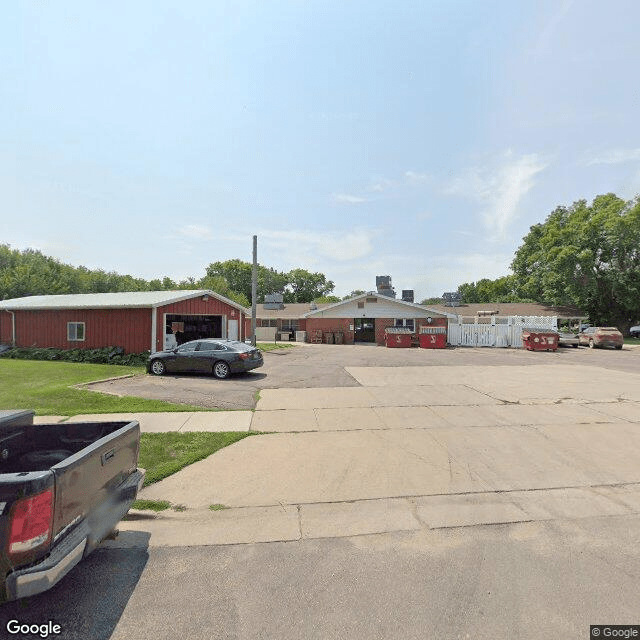
Good Samaritan Society Canton

Save
Good Samaritan Society Canton Good Samaritan Society Canton

Good Samaritan Society Canton

1022 North Dakota Avenue, Canton, SD 57013

For more information about senior living options: (844) 490-3973

2.1 from 7 reviews
5 stars
2
4 stars
0
3 stars
0
2 stars
0
1 stars
5

Assisted Living Skilled Nursing Facility

What level of care are you interested in?

Assisted Living

Memory Care

Independent Living

Skilled Nursing Facility

Continuing Care Retirement Community (CCRC)CCRC

Other


Request a tour at Good Samaritan Society Canton

    Overall Review of Good Samaritan Society Canton

    Pros

    • pro The mother enjoyed the PT, and valued the staff, residents, and food offered to her.
    • pro The family was grateful for the wonderful experience she had.
    • pro Housekeepers deserve much better praise.

    Cons

    • pro The reviewer would give zero stars to the facility.
    • pro The staff were described as pathetic and disgusting.
    • pro Management was criticized for being poor and for outsourcing local, hardworking staff.
    • pro The facility was accused of timing state inspections to hide ongoing problems.
    • pro There was no wound care or dental hygiene assistance provided.
    • pro Staff refused to give a patient a straw, leading to dehydration.
    • pro Diet restrictions were imposed without consulting the patient's doctor.
    • pro A grandmother was placed in a back room to die alone and died shortly after, alleged to be due to neglect.

    Review

    The narratives surrounding this facility reveal a striking and troubling range of experiences, with some residents and families reporting genuine moments of care and kindness, while others describe startling lapses in basic standards that left them distressed, angry, and searching for answers. The accounts together form a picture of inconsistent care, where what one person praises as a positive environment can be sharply undercut by another family's terrifying and painful experiences. In one voice, a mother who received physical therapy and enjoyed the people and the routine there is described as thriving in a setting that seemed to offer warmth, good meals, and a sense of community. Yet in another voice, a granddaughter and a family member recount a series of alarming failures that culminated in tragedy, painting a far more troubling portrait of the same place.

    Among the most pointed condemnations is a blunt and furious verdict about the staff: "Pathetic and disgusting staff." The reviewer blasts the personnel as a whole, expressing that the treatment of nurses and other workers was so deplorable that it warrants a stark condemnation. This same account also acknowledges the visible effort of certain roles - housekeepers - arguing they "deserve much better praise," which underscores the complexity of the facility's morale: while some workers may be appreciated by some residents' families, others feel the core team is failing in crucial ways. It's a portrait of division within the ranks, leaving families unsure which experience their loved ones will receive on any given day.

    In a different thread of experience, a family member recalls a very different kindness: their mother "did PT there and truly enjoyed the staff, residents, food and everything they offered her." This positive note highlights that the facility can deliver moments of meaningful care and engagement, where physical therapy and social interaction contribute to a sense of well-being. The reviewer notes that their relative is now home and that they remain grateful for the "wonderful experience she had." The sentiment is not that care is uniformly disastrous, but that it can be, depending on whom you encounter and what day you're there - an important distinction that complicates any simple judgment about the place.

    However, the more devastating and graphic allegations come from another family, who describe a grandmother's rapid and degrading decline within the same system. According to their account, the facility failed to provide essential care in several critical areas: "no wound care, no dental hygiene assistance," and a distressing claim that staff refused to provide a straw, leading to severe dehydration. They also assert that the staff "restricted her diet without consulting her doctor," a practice that raises serious questions about clinical governance and patient autonomy. The family's decision to pull her out of the facility coincided with that same night's death, which they say came after a period of suffering, and they place blame at the doorstep of the Good Sam facility. The language used is painful and urgent: they describe the patient being placed in "a back room to die alone," a detail that intensifies the fear and anger of those who read it and who worry about how vulnerable people are treated in end-of-life moments.

    The criticisms extend beyond patient care to questions of leadership and policy at the facility. The reviewer who targets management accuses them of "more than poor" leadership, arguing that the facility relies on external staffing companies to replace local, long-time caregivers who are described as genuinely caring for residents. The charge is that a run-down, inconsistent quality of care is masked by the hiring of temporary or external help only when audits are imminent: "they know when state will be in so they can clean up all the problems that linger through the facility between state inspections." That language suggests a pattern where superficial compliance can eclipse sustained, day-to-day quality, leaving families wary about the true standards of care when inspectors are not present.

    The tone of critique crescendos into a stark, uncompromising conclusion about trust and the overall value of the facility. One strong statement asserts, "Wouldn't trust this place to take care of my dog while I'm on vacation let alone put a loved one in their ?care'." The hyperbolic comparison to pet care underscores the depth of the reviewer's disillusionment: if basic animal care is regarded as more reliable than human elder care, a facility's core mission is called into question. Taken with the other accounts, this line reflects a fear that the most vulnerable residents are not guaranteed the essential protections, respect, or dignified treatment they deserve.

    Together, the mixed experiences - some instances of warmth, engagement, and appreciation for dedicated staff, alongside deeply troubling reports of neglect, dehydration, restricted diets, and emotionally devastating end-of-life handling - paint a complex and emotionally charged picture. Families who have witnessed the positive moments speak to the possibility that good care can happen within these walls, even as others argue that systemic issues, management decisions, and inconsistent staffing undermine the safety and dignity of residents. The tension between these narratives invites a careful, independent examination of the facility's practices, culture, and accountability mechanisms.

    For families considering care for a loved one, these reviews emphasize the need for diligence, questions, and a tangible plan for oversight. They suggest looking beyond surface impressions and last-visit interactions to probe wound care protocols, dental hygiene support, hydration strategies, dietary decisions, and the transparency of decision-making when procedures or restrictions are put in place. They also highlight the importance of understanding staffing stability, the use of external agencies, and how the facility communicates during and between state inspections. In the end, the stories are a reminder that care homes can offer genuine compassion and skilled attention, but they can also falter in ways that profoundly affect trust, safety, and the patient's dignity.

    Features

    Housing

    • 56 resident community capacity 56 resident community capacity

    Types of Care

    • Assisted Living Assisted LivingAssisted living facilities provide crucial support and care for seniors who may need help with daily tasks such as medication management, bathing, and meal preparation. These communities offer a safe and comfortable environment where seniors can maintain their independence while receiving the assistance they need to thrive in their golden years.
    • Skilled Nursing Facility Skilled Nursing FacilitySkilled Nursing Facilities are crucial for seniors as they provide round-the-clock medical care, rehabilitation services, and assistance with daily activities. These facilities ensure that seniors receive the specialized care they need to maintain their health and well-being as they age.

    Amenities

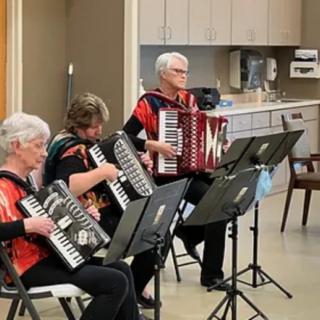
    • Activities on-site Activities on-siteActivities on-site are important for seniors because they provide opportunities for socialization, mental stimulation, physical activity, and overall well-being. Engaging in activities can help seniors stay active, maintain their independence, and improve their quality of life.
    • Air-conditioning Air-conditioningAir conditioning is important for seniors as they are more vulnerable to heat-related illnesses and may have underlying health conditions that make it difficult for them to regulate their body temperature. It helps to keep them comfortable, safe, and healthy in hot weather.
    • Beauty salon Beauty salonBeauty salons are important for seniors because they provide a space for them to feel pampered, socialize, and maintain their personal grooming and hygiene. Regular visits to a beauty salon can help boost seniors' self-esteem and overall well-being.
    • Cable or satellite TV Cable or satellite TVCable or satellite TV is important for seniors because it provides entertainment, news, and companionship, helping to combat loneliness and boredom. It also offers a wide range of programming options tailored to different interests and preferences.
    • Computer center Computer centerA computer center is essential for seniors as it provides access to technology, communication tools, and resources that can enhance their daily lives. It allows them to stay connected with loved ones, engage in online activities, and learn new skills, ultimately promoting socialization and mental stimulation.
    • Devotional services off-site Devotional services off-siteDevotional services off-site are important for seniors as they provide spiritual nourishment, social engagement, and a sense of community outside of the senior living facility. This can enhance overall well-being and help combat feelings of isolation and loneliness often experienced by older adults.
    • Dining room Dining roomDining rooms are important for seniors as they provide a space for socialization, connection, and nutritious meals. They offer opportunities for residents to bond over shared meals, foster a sense of community, and promote healthy eating habits. Dining rooms also ensure that seniors have access to well-balanced meals tailored to their dietary needs and preferences.
    • Fitness room Fitness roomHaving a fitness room in a senior living community is essential for seniors to stay active, maintain their physical health, and improve their overall well-being. Regular exercise can help prevent falls, reduce the risk of chronic diseases, and promote mental sharpness. It also provides social opportunities for residents to connect with others and enjoy a sense of community.
    • Fully furnished Fully furnishedFully furnished senior living communities are important for seniors because they provide convenience, comfort, and a hassle-free moving experience. Seniors can easily settle into their new living space without the stress of having to buy and move furniture. This allows them to focus on enjoying their new home and community.
    • Gaming room Gaming roomGaming rooms are important for seniors as they provide a fun and engaging environment for socializing, cognitive stimulation, and physical activity. Games can improve memory, problem-solving skills, and overall mental well-being while fostering friendships and reducing feelings of isolation.
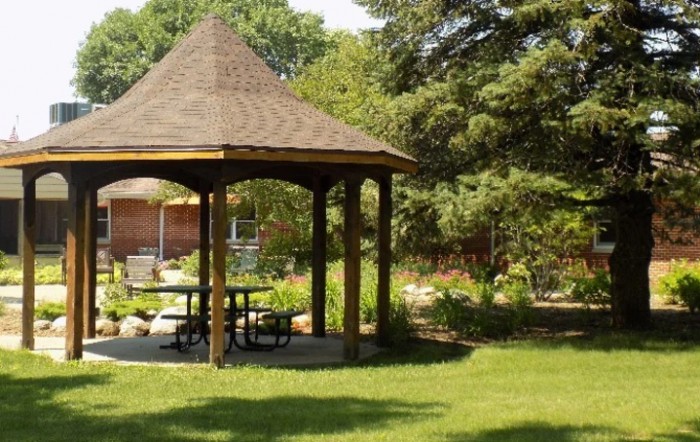
    • Garden GardenGardens are important for seniors as they provide a peaceful and therapeutic environment for relaxation, physical activity, and socialization. Being in nature has been shown to reduce stress, improve mood, and promote overall well-being. Gardens also offer opportunities for seniors to engage in gardening activities, which can improve mobility, flexibility, and cognitive function. Additionally, gardens create a sense of community and connection with others who share a passion for plants and outdoor spaces.
    • Housekeeping services Housekeeping servicesHousekeeping services are important for seniors because they help maintain a clean and safe living environment, promote independence, and reduce the risk of accidents or illnesses. Additionally, having assistance with household chores can alleviate physical strain and allow seniors to focus on other aspects of their well-being.
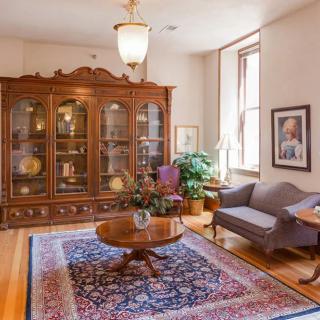
    • Indoor common areas Indoor common areasIndoor common areas are crucial for seniors as they provide a space for socialization, recreation, and community engagement, promoting overall well-being and reducing feelings of isolation and loneliness.
    • Kitchenette KitchenetteKitchenettes are important for seniors living in senior living communities because they provide the convenience and independence of being able to prepare simple meals and snacks in the comfort of their own living space. This can help promote a sense of autonomy and well-being for seniors, allowing them to maintain some level of control over their dietary choices and daily routines.
    • Move-in coordination Move-in coordinationMove-in coordination is important for seniors because it helps ease the transition into their new living environment. It ensures that all logistics, such as packing, organizing movers, and setting up utilities are taken care of, allowing seniors to focus on settling in and adjusting to their new home. Having a smooth move-in process can alleviate stress and anxiety, making the transition smoother and more enjoyable for seniors.
    • Outdoor space Outdoor spaceOutdoor spaces are important for seniors as they provide opportunities for physical activity, social interaction, exposure to natural light and fresh air, and a sense of connection to nature. Having access to outdoor spaces can improve overall well-being and quality of life for older adults living in senior communities.
    • Private bathrooms Private bathroomsPrivate bathrooms are important for seniors in senior living communities because they provide independence, dignity, and comfort. Having a private bathroom allows seniors to maintain their personal hygiene routines without the need for assistance, promoting a sense of autonomy and privacy. Additionally, private bathrooms help prevent the spread of infections and provide a safe and clean environment for seniors to navigate safely.
    • Restaurant-style dining Restaurant-style diningRestaurant-style dining is important for seniors because it allows them to enjoy delicious, nutritious meals in a social and upscale setting. This enhances their dining experience, promotes healthy eating habits, and fosters socialization with fellow residents, ultimately contributing to their overall well-being and quality of life.
    • Small library Small librarySmall libraries are important for seniors as they provide access to a variety of reading materials, including books, newspapers, and magazines. This can help stimulate their minds, keep them engaged, and provide a sense of community through book clubs and other social activities. Additionally, reading has been shown to improve cognitive function and overall mental well-being in older adults.
    • Telephone TelephoneTelephones are important for seniors as they provide a lifeline for communication with loved ones, emergency services, and healthcare providers. They offer a sense of security and independence, enabling seniors to stay connected and access assistance when needed.
    • Wellness center Wellness centerWellness centers are important for seniors because they offer a variety of programs and services that promote physical, mental, and emotional well-being. These centers provide opportunities for exercise, socialization, education, and relaxation, helping seniors maintain their overall health and quality of life.
    • Wi-Fi/high-speed internet available Wi-Fi/high-speed internet availableWi-Fi/high-speed internet is important for seniors to stay connected with loved ones, access online resources, and participate in virtual activities to combat feelings of loneliness and isolation. It also allows them to easily manage healthcare needs, access entertainment, and engage in lifelong learning opportunities.

    Transportation

    • Joe Foss (20 miles away) Joe Foss (20 miles away)
    • Community operated transportation Community operated transportationCommunity operated transportation is crucial for seniors as it provides them with the means to access essential services, social activities, and medical appointments. It allows seniors to maintain their independence and quality of life by ensuring they can participate in activities outside of their homes. Additionally, community-operated transportation services offer a safe and reliable way for seniors to travel without having to rely on family or friends for assistance.
    • Transportation arrangement Transportation arrangementTransportation arrangements are crucial for seniors as they may face challenges with driving, mobility, or access to public transportation. Having reliable transportation services ensures that seniors can easily attend appointments, social activities, and maintain their independence and quality of life.
    • Transportation arrangement (non-medical) Transportation arrangement (non-medical)Transportation arrangements are essential for seniors as they provide access to essential services, activities, and social interactions outside the home. This service helps maintain independence, mobility, and overall well-being for seniors who may have limited transportation options.
    • Transportation to doctors appointments Transportation to doctors appointmentsTransportation to doctors appointments is crucial for seniors as it ensures they have access to necessary medical care and support, promoting their health and well-being. It allows them to receive timely treatment, monitor existing conditions, and address any new health concerns efficiently. Additionally, transportation services can help seniors maintain their independence and quality of life by enabling them to stay connected with their healthcare providers.

    Care Services

    • 12-16 hour nursing 12-16 hour nursing12-16 hour nursing care is crucial for seniors in order to ensure around-the-clock monitoring, timely medication administration, and prompt response to any health concerns or emergencies. This level of care helps to promote the overall well-being and safety of seniors living in senior living communities.
    • 24-hour call system 24-hour call system24-hour call systems are important for seniors because they provide peace of mind and immediate assistance in case of emergencies. This technology ensures that help is always available, promoting safety and security for elderly individuals living alone or in assisted living facilities.
    • 24-hour supervision 24-hour supervision24-hour supervision is important for seniors to ensure their safety, well-being, and access to immediate assistance in case of emergencies or health issues. This constant support provides peace of mind for both seniors and their loved ones, allowing them to age in place with dignity and security.
    • Activities of daily living assistance Activities of daily living assistanceActivities of daily living assistance are important for seniors because they provide essential support with tasks such as eating, bathing, dressing, and mobility. This assistance helps seniors maintain their independence, dignity, and overall quality of life as they age.
    • Ambulatory care Ambulatory care"Ambulatory care services provide essential medical support and treatment to seniors without requiring hospitalization, allowing them to maintain their independence and quality of life while managing chronic conditions or receiving routine medical care."
    • Assistance with bathing Assistance with bathingAssistance with bathing is crucial for seniors as it helps maintain personal hygiene, prevents infections, and ensures their overall well-being and comfort. It also provides a sense of dignity and independence for seniors who may struggle with this task on their own.
    • Assistance with dressing Assistance with dressingAssistance with dressing is important for seniors because it helps maintain their independence, promotes personal hygiene, prevents accidents and injuries, and improves overall quality of life. This service ensures that seniors can continue to dress comfortably and confidently, despite any physical limitations they may have.
    • Assistance with transfers Assistance with transfersAssistance with transfers is crucial for seniors as it helps prevent falls and injuries, maintains their independence, and ensures they can safely navigate their living environment. It also provides peace of mind for both seniors and their loved ones.
    • Diabetes diet Diabetes dietA diabetes diet is crucial for seniors as it helps manage blood sugar levels, reduce risks of complications, and improve overall health and well-being. By following a balanced and nutritious diet tailored to their specific needs, seniors can better control their diabetes and enhance their quality of life.
    • Diabetic care Diabetic careDiabetic care is crucial for seniors as they are more susceptible to developing diabetes due to aging and other health conditions. Proper management of diabetes can help prevent complications such as heart disease, vision loss, and nerve damage, improving the overall quality of life for seniors in senior living communities.
    • Meal preparation and service Meal preparation and serviceMeal preparation and service are crucial for seniors as they may have limited mobility or energy to cook nutritious meals. Having access to healthy and convenient food options can ensure they are getting the proper nutrition needed to maintain their overall health and well-being.
    • Medication management Medication managementMedication management is crucial for seniors to ensure they are taking the right medications at the correct dosages and times. This helps prevent adverse drug interactions, reduces the risk of medication errors, and promotes overall health and well-being. Proactive management also allows for adjustments as needed based on changing health conditions or new prescriptions.
    • Mental wellness program Mental wellness programMental wellness programs are essential for seniors as they promote cognitive stimulation, emotional support, and social engagement. These programs help prevent isolation, depression, and cognitive decline, ultimately enhancing the overall quality of life for older adults.
    • Special dietary restrictions Special dietary restrictionsSpecial dietary restrictions are important for seniors because age-related changes in metabolism and health conditions can make it difficult for their bodies to process certain foods. By following a diet tailored to their specific needs, seniors can maintain their overall health and well-being, manage chronic conditions, and reduce the risk of complications such as malnutrition or food interactions with medications.

    Dining

    • Diabetes diet Diabetes dietA diabetes diet is crucial for seniors as it helps manage blood sugar levels, reduce risks of complications, and improve overall health and well-being. By following a balanced and nutritious diet tailored to their specific needs, seniors can better control their diabetes and enhance their quality of life.
    • Meals provided Meals provided"Meals provided" are crucial for seniors in assisted living communities as it ensures they have access to nutritious, balanced meals without the stress of meal planning and preparation. This can help promote overall health and well-being for seniors who may have limited mobility or cognitive abilities.
    • Special dietary restrictions Special dietary restrictionsSpecial dietary restrictions are important for seniors because age-related changes in metabolism and health conditions can make it difficult for their bodies to process certain foods. By following a diet tailored to their specific needs, seniors can maintain their overall health and well-being, manage chronic conditions, and reduce the risk of complications such as malnutrition or food interactions with medications.

    Activities

    • Activities on-site Activities on-siteActivities on-site are important for seniors because they provide opportunities for socialization, mental stimulation, physical activity, and overall well-being. Engaging in activities can help seniors stay active, maintain their independence, and improve their quality of life.
    • Community-sponsored activities Community-sponsored activitiesCommunity-sponsored activities are important for seniors as they provide opportunities for social interaction, mental stimulation, and physical activity. These activities can help improve overall well-being, combat loneliness and isolation, and promote a sense of belonging and purpose among older adults.
    • Concierge services Concierge servicesConcierge services are essential for seniors as they provide assistance with daily tasks and errands, enhance their quality of life by offering convenience and personalized care, and promote a sense of safety and security.
    • Devotional activities offsite Devotional activities offsiteDevotional activities offsite are important for seniors because they provide social engagement, spiritual growth, and a sense of community outside of their living environment. This can improve overall well-being, mental health, and combat feelings of isolation or loneliness.
    • Fitness programs Fitness programsFitness programs are crucial for seniors as they help improve strength, flexibility, balance, and overall well-being. Staying active can reduce the risk of chronic diseases, improve mental health, and enhance quality of life in older adults.
    • Planned day trips Planned day tripsPlanned day trips are important for seniors because they offer opportunities for socialization, mental stimulation, and physical activity. They provide a change of scenery and help seniors stay engaged and connected to their community, promoting overall well-being and quality of life.
    • Resident-run activities Resident-run activitiesResident-run activities are important for seniors as they encourage social interaction, creativity, and a sense of autonomy. These activities empower seniors to stay engaged and active in their community while fostering meaningful connections with their peers.
    • Scheduled daily activities Scheduled daily activitiesScheduled daily activities are important for seniors because they provide structure, socialization, mental stimulation, and physical activity. Engaging in regular activities can improve overall well-being and quality of life for seniors living in a community setting.

    Description

    Good Samaritan Society Canton is an assisted living community located in Canton, SD. This well-appointed community offers a range of amenities to ensure the comfort and well-being of its residents.

    Residents can enjoy visits to the on-site beauty salon or relax in their fully furnished private rooms, equipped with cable or satellite TV. The community also offers community-operated transportation for convenience and ease of travel.

    For those looking to stay connected, there is a computer center with Wi-Fi/high-speed internet access available. Meals are provided in a restaurant-style dining room, offering a variety of options to accommodate special dietary restrictions.

    There are also several recreational spaces available for use, including a fitness room, gaming room, small library, and outdoor garden area. Planned daily activities and resident-run activities ensure that there is always something engaging and enjoyable happening within the community.

    The care services at Good Samaritan Society Canton are designed to provide assistance with activities of daily living as needed. This includes assistance with bathing, dressing, transfers, and medication management. The 24-hour call system and supervision provide peace of mind for residents and their families.

    There are also transportation arrangements available for non-medical purposes as well as transportation to doctors' appointments. The wellness center offers programs focused on mental wellness, while the staff ensures that all meals adhere to diabetes diets and special dietary restrictions.

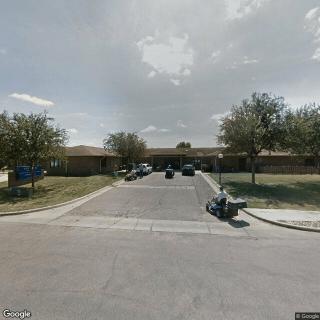
    Good Samaritan Society Canton is conveniently located near cafes, pharmacies, restaurants, places of worship, and hospitals for easy access to additional amenities and services in the surrounding area.

    Overall, this assisted living community provides a comfortable and welcoming environment where residents can receive personalized care while enjoying a range of amenities and activities designed to enhance their quality of life.

    Nearby Places of Interest

    This part of Canton, South Dakota offers a peaceful and welcoming community with various amenities suitable for senior living. The proximity to several places of worship such as Canton Lutheran Church and Trinity Lutheran Church provides opportunities for spiritual fulfillment. Access to pharmacies like Lewis Family Drug and healthcare facilities such as Canton Inwood Memorial Hospital ensures easy access to medical services. Nearby parks like Newton Hills State Park and Good Earth State Park at Blood Run offer scenic spots for outdoor activities and relaxation. Additionally, cafes like Laura's Lattes and restaurants such as Subway cater to dining needs. Overall, this area provides a comfortable and convenient environment for seniors looking to settle in a close-knit community.

    Places of Worship

    • Canton Lutheran Church (0.4 miles)
    • Trinity Lutheran Church (0.5 miles)
    • Evangelical Lutheran Good Samari (0.7 miles)
    • Love In The Name Of Christ of Greater Canton (0.7 miles)
    • Bethany Reformed Church (1 miles)
    • Inspiration Hills (4.8 miles)
    • Our Saviors Church (5.9 miles)

    Pharmacies

    • Lewis Family Drug Canton (0.6 miles)
    • M.H. Eby (10.2 miles)
    • Walmart Pharmacy (13.4 miles)
    • Caretrends Pharmacy (14 miles)
    • Walgreens (14.4 miles)
    • Lewis Family Drug (15.3 miles)
    • Lewis Drug (15.4 miles)

    Cafes

    • Laura's Lattes (1 miles)
    • Daily Clean Food and Drink (14.7 miles)
    • Scotters Coffee (14.8 miles)
    • Panera Bread (16 miles)

    Restaurants

    • Subway (1 miles)
    • Green Acres Drive Inn Rv (10.6 miles)
    • Sports'Center Larchwood (12.6 miles)
    • Sports Center (12.6 miles)
    • Ruthies Bar (12.6 miles)
    • Burger King (13.4 miles)
    • Robert's Buffet (13.7 miles)

    Hospitals

    • Canton Inwood Memorial Hospital (1.6 miles)
    • Prairie States Surgical Center (16.1 miles)

    Parks

    • Newton Hills State Park (6.3 miles)
    • Hidden Bridge Wildlife Area (6.8 miles)
    • Foote Park (7.7 miles)
    • Good Earth State Park at Blood Run (11.6 miles)
    • Splash Park (12.5 miles)
    • Prairie Trail Park (14.3 miles)
    • Harmodon Park (14.3 miles)

    Physicians

    • Larchwood Emergency Medical (12.6 miles)
    • Boote, Rochelle, Joy, MD (13.7 miles)
    • The Dakota Clinic ENT & Sinus (14 miles)
    • Johnson, Jana MD - Avera Dermatology & Laser Center (14 miles)
    • Ophthalmology (14.1 miles)
    • Sanford Clinic Family Medicine (14.2 miles)
    • Avera Medical Group Mcgreevy (14.2 miles)

    Transportation

    • Marv Skie-Lincoln County Airport (Y14) (14.7 miles)
    • Burlington Northern Santa Fe Railway (15.5 miles)

    Frequently Asked Questions

    Where is Good Samaritan Society Canton?

    Nearby Communities

    Skilled Nursing Facility in Nearby Cities

    Related Resources

    • assisted living vs memory careAssisted Living and Memory Care: Understanding Their Core Differences

      Assisted living provides moderate support for seniors seeking independence, while memory care offers specialized support for individuals with dementia or cognitive impairments through structured routines and trained staff. Key differences include care approaches, environment security measures, staff training levels, activity types, and cost considerations.

    • assisted living activitiesBeyond the Bingo Hall: 50+ Enriching Activities for Seniors in Assisted Living

      Assisted living communities offer diverse activities beyond traditional games to enhance seniors' physical health, cognitive well-being, emotional enrichment, and social connections, including fitness classes, creative expression, and intergenerational interactions. These enriching programs foster community bonds and support residents' independence and happiness.

    • assisted living vs memory careUnderstanding the Distinctions: Assisted Living and Memory Care Explained
      The article differentiates between assisted living and memory care, explaining that assisted living supports seniors with daily activities while promoting independence, whereas memory care provides specialized services for individuals with dementia, focusing on secure environments and cognitive support. It also addresses staff training, safety considerations, costs, family involvement, and transition strategies for families navigating these care options.


    Get Pricing Ask A Question Schedule A Tour Contact Senior Advisor