300 East Jefferson, Inwood, IA 51240
For more information about senior living options: (866) 208-4318
Overall Review of Fellowship Village
Pros
 The staff are kind, patient, attentive, and informative.
- The staff take wonderful care of residents and their families.
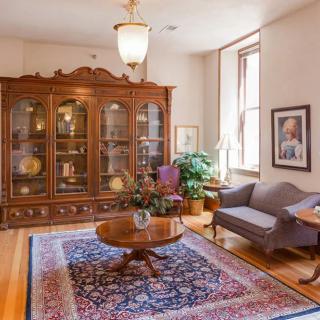
- The facility smells clean and has an open atmosphere.
Cons
 There are no negative statements in the provided reviews.
Review
Fellowship Village in Inwood, IA is best suited for seniors and their families who prize warmth, personal attention, and a plainly reassuring living environment. The community shows up as a place where staff are consistently kind, patient, and focused on clear, informative communication. It reads as a small-town operation with a big emphasis on human connection: residents are treated with courtesy, families are kept in the loop, and the atmosphere feels welcoming rather than clinical. This is the kind of setting where the day-to-day rhythm is built around predictable routines, gentle supervision, and a sense that caregivers know who their residents are beyond a chart number. For families seeking a home-like vibe with dependable, approachable staff, Fellowship Village checks the box in a compelling, practical way.
There are clear lines to consider alternatives, particularly for families whose priorities extend beyond companionship and everyday assistance. If a senior requires robust on-site medical coordination, access to specialized memory care programs, or a more comprehensive slate of rehab therapies, other communities may deliver those capabilities more consistently. Larger campuses with broader medical partnerships or facilities that showcase a wider range of structured activities could be worth evaluating. For households weighing cost against intensity of care, or those wanting more expansive amenities and programming, it makes sense to compare several options to ensure the chosen setting aligns with long-term care needs as they evolve.
The strongest pros at Fellowship Village revolve around the caregiving team itself. The reviews highlight staff who are kind, patient, attentive, and informative, with a demeanor that reassures families about ongoing care. That combination, empathy paired with practical, transparent communication, often translates into smoother care transitions, clearer updates on daily routines, and less anxiety around decision-making. The clean smell and open atmosphere reinforce a sense of hygiene, order, and sociable space where residents can mingle and participate in daily life without feeling boxed in. When staff can articulate care plans and respond to questions without friction, families loosen the grip of worry and can trust that loved ones are being observed with steady vigilance.
These advantages offset any potential downsides by weaving a consistency of experience into the resident’s daily life. The warm, attentive staff reduces the emotional burden on families who must navigate care decisions, while the open atmosphere supports social engagement and participation in shared activities. Cleanliness, perceived through odor and ambiance, adds a practical layer of comfort that matters for ongoing well-being. In a setting where consistent, respectful interactions matter as much as clinical outcomes, these strengths deliver tangible dividends: more predictable days, fewer misunderstandings about routines, and a sense that residents are valued as people, not merely as residents. Even in the absence of explicit high-end amenities, the everyday dignity and reliability become the core currency.
Nevertheless, the narrow lens of three positive reviews invites a cautious, planful approach. The limited volume means experiences may not capture every possible scenario, from acute medical needs to sudden changes in cognitive status or rehab requirements. Families should enter with eyes open to the possibility that some days might demand more rapid escalation of care than the posted narratives imply. This is not a critique of quality so much as a reminder to verify specific capabilities: what medical partnerships exist, how off-site services are coordinated, and whether the activity calendar can scale to a resident who wants more structured programming or enrichment. Prospective visitors should also probe how communications are handled during weekends or holidays when staff patterns shift.
In practical terms, the decision to choose Fellowship Village should hinge on the priority placed on staff warmth and transparent communication within a clean, welcoming milieu. For families who value the quiet confidence that comes from interacting with caregivers who remember personal histories and care preferences, this community presents a compelling match. The better-fit candidate will be someone who wants a homey atmosphere with dependable daily care and who is comfortable supplementing with external services if a resident’s needs evolve beyond what a smaller operation standardly delivers. If the goal is to maximize emotional reassurance and social connectedness in a modestly scaled environment, Fellowship Village stands out as a prudent, well-considered choice.
Ultimately, the recommendation is to pursue Fellowship Village as a leading option for those prioritizing human-centered care in a simple, open setting. It earns credibility through its evident commitment to kind, attentive service and to maintaining an environment where families feel informed and residents feel respected. The call for action is practical: arrange a visit, observe direct interactions between staff and residents, and request a tour of care planning conversations to see how updates are shared and how residents’ preferences are honored over time. Ask for experiences with transitions, daily schedules, and how the community handles changes in health status. When the fit aligns with a preference for warmth, transparency, and a clean, welcoming living space, Fellowship Village becomes a strong, defensible recommendation for appropriate seniors and their families in the Inwood region.
 40 resident community capacity
 Skilled Nursing Facility
 Beauty salon
 Cable or satellite TV
 Dining room
 Fully furnished
 Garden
 Housekeeping services
 Kitchenette
 Move-in coordination
 Outdoor space
 Restaurant-style dining
 Small library
 Telephone
 Wi-Fi/high-speed internet available
 Joe Foss (25 miles away)
 24-hour call system
 Activities of daily living assistance
 Assistance with bathing
 Assistance with dressing
 Assistance with transfers
 Diabetes diet
 Medication management
 Mental wellness program
 Special dietary restrictions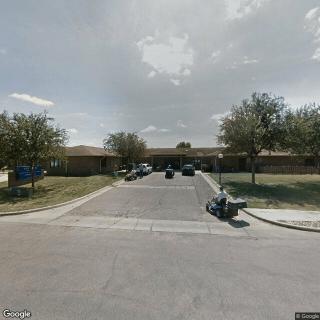




 Urinary Tract Infections in Older Adults: Comprehensive Insights on Symptoms, Treatment, and Prevention
 California's Form 602A: An In-Depth Examination of Senior Care Assessment
 Comprehensive Look at Senior Blood Pressure Charts: Normal and Elevated Levels by Age