For more information about senior living options: (866) 208-4318
3.9 from 120 reviews
5 stars
81
4 stars
3
3 stars
5
2 stars
2
1 stars
29
Overall Review of Greenville Post Acute
common24 reviews mention this
Staff compassion is a mixed story
Residents and families describe both compassionate help and periods when they felt neglected or treated poorly.
Many reviews say the staff was kind, patient, and responsive, with frequent mentions of being greeted well and treated with respect. Several others report serious breakdowns in day-to-day care, including allegations of neglect, rudeness, and not responding to call bells or needs. A smaller set also emphasizes that good caregivers and therapies can make the rehab experience better even when other aspects disappoint.
caveat16 reviews mention this
Cleanliness and odors divide reviews
Cleanliness concerns, including bad odors, show up repeatedly alongside a number of cleaner-leaning impressions.
Some reviewers describe the facility as consistently clean, immaculate, and well-kept, including comments about rooms and the overall building smell. Other reviews sharply contradict that, citing urine or feces odors, dirty floors and bathrooms, and reports of poor housekeeping. A few reviews also mention dated interiors or refurbishment work, which may help explain why cleanliness impressions are inconsistent from person to person.
caveat6 reviews mention this
Facility feels dated to some
Multiple reviews note the building looks older or needs refreshing work.
Several reviews call the building dated or in need of updating, with comments about interior and exterior appearance. At the same time, some residents and visitors still describe the environment as clean and cared for, even if the facility looks worn. There are also mentions of refurbishment/remodeling efforts, suggesting changes are in progress but not uniformly perceived.
caveat10 reviews mention this
Communication is praised or frustrating
Reviews frequently focus on how hard it can be to reach staff and how much updates matter.
Some families say they were kept informed, including updates about medications and changes in condition, and they describe staff as supportive and communicative. Other reviews describe difficulty getting updates, unanswered phones, delays in assistance, and long waits for follow-up. A recurring theme is that families want more reliable contact and timely responses, especially outside normal hours.
common9 reviews mention this
Rehab therapy receives the most help
Physical and speech therapy are mentioned often, with many reviewers saying the rehab team helped.
A number of reviews highlight therapy teams—especially physical therapy—and describe sessions as strong or helpful for recovery. Some visitors also call out specific therapy staff as attentive. There are also a few negative experiences tied to rehab outcomes and discharge timing, so the therapy praise is not universal.
How we summarize
Counts show how many written reviews mention each theme; a review can touch several themes, and only frequently mentioned themes are displayed.
Features
Housing
132 resident community capacity
Types of Care
Skilled Nursing Facility
Amenities
Air-conditioning
Beauty salon
Cable or satellite TV
Computer center
Dining room
Fitness room
Fully furnished
Gaming room
Garden
Housekeeping services
Kitchenette
Move-in coordination
Outdoor space
Private bathrooms
Restaurant-style dining
Small library
Telephone
Wellness center
Wi-Fi/high-speed internet available
Transportation
Greenville-Spartanburg (10 miles away)
Community operated transportation
Transportation arrangement
Transportation arrangement (non-medical)
Transportation to doctors appointments
Care Services
12-16 hour nursing
24-hour call system
24-hour supervision
Activities of daily living assistance
Assistance with bathing
Assistance with dressing
Assistance with transfers
Diabetes diet
Meal preparation and service
Medication management
Mental wellness program
Special dietary restrictions
Dining
Diabetes diet
Special dietary restrictions
Activities
Community-sponsored activities
Concierge services
Fitness programs
Planned day trips
Resident-run activities
Scheduled daily activities
Nearby Places of Interest
Parks
North Main Rotary Park (0.8 miles)
Cleveland Park (2.3 miles)
Paris Mountain State Park (3.7 miles)
Theaters
Regal Cherrydale (0.8 miles)
Restaurants
Jack In The Box (0.9 miles)
Joy of Tokyo (0.9 miles)
Golden Corral (1 miles)
Cook Out (1 miles)
Burger King (1 miles)
Chick-Fil-A (1 miles)
Five Guys Burgers & Fries (1 miles)
Pharmacies
Ingles Market (0.9 miles)
Walgreens (1.2 miles)
CVS Pharmacy (1.9 miles)
Parker Road Drug Store (2 miles)
Epic Pharmacies (2 miles)
Walgreens (2.1 miles)
CVS Pharmacy (2.2 miles)
Physicians
Superior Healthcare Physical Medicine (0.9 miles)
Greenville Free Medical Clinic (1.9 miles)
New Horizon Family Health Services (2.7 miles)
Professional Healthcare Services (2.7 miles)
Greenville Free Medical Clinic (2.8 miles)
New Horizon Family Health Services: Administrative Services Office (2.9 miles)
Greenville Dermatology (3 miles)
Cafes
Starbucks (0.9 miles)
Swamp Rabbit Cafe & Grocery (1.6 miles)
Green Fetish (2 miles)
Grateful Brew (3.6 miles)
Places of Worship
Earle Street Baptist Church (1.1 miles)
The Church at Cherrydale (1.2 miles)
Unitarian Universalist Fellowship (1.9 miles)
Hospitals
St Francis Health System, Rehab Services (3 miles)
Greenville Hospital System Peds Obesity (3.9 miles)
Prisma Health Marshall I. Pickens Hospital (4.1 miles)
Prisma Health Roger C. Peace Rehabilitation Hospital (4.2 miles)
Greenville Memorial Hospital (4.2 miles)
Greenville Memorial Hospital Labor and Delivery (4.2 miles)
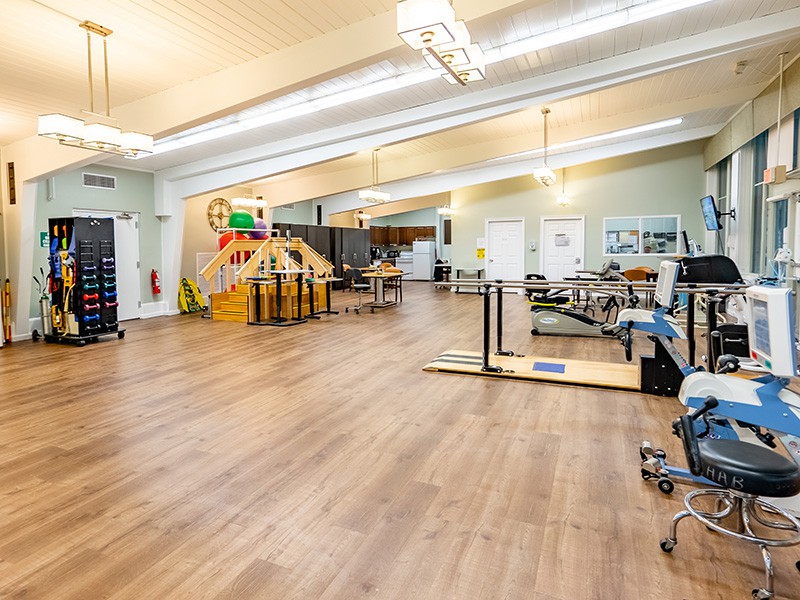
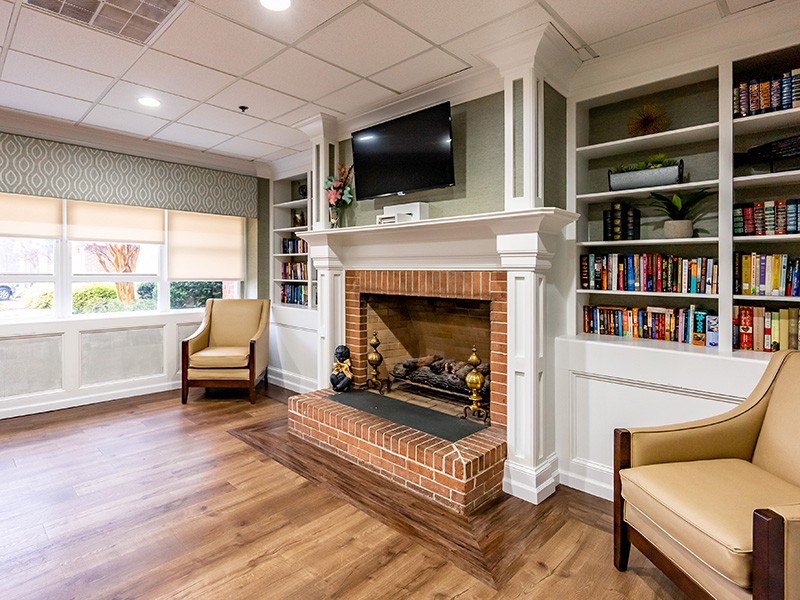
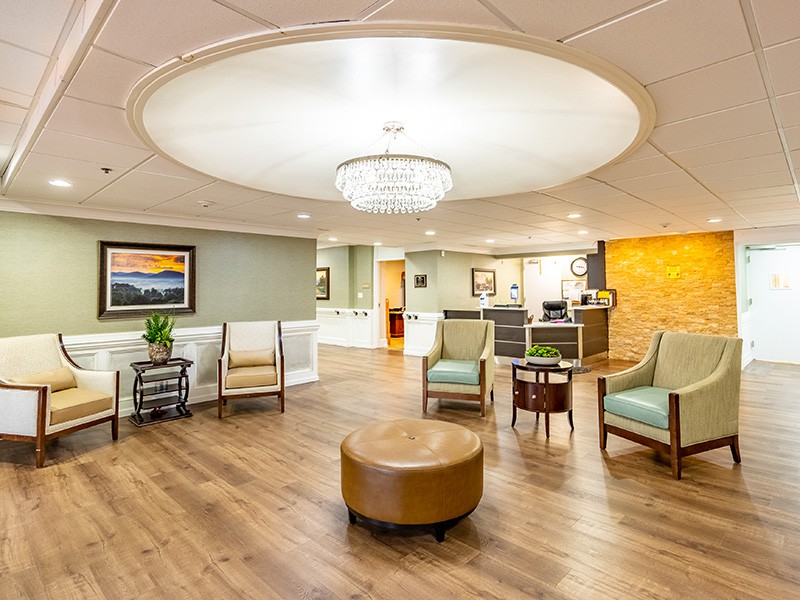
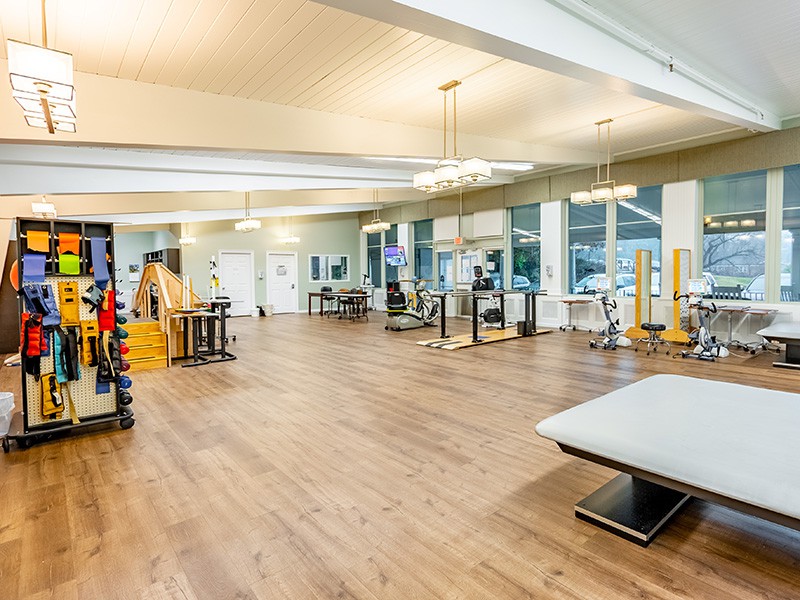
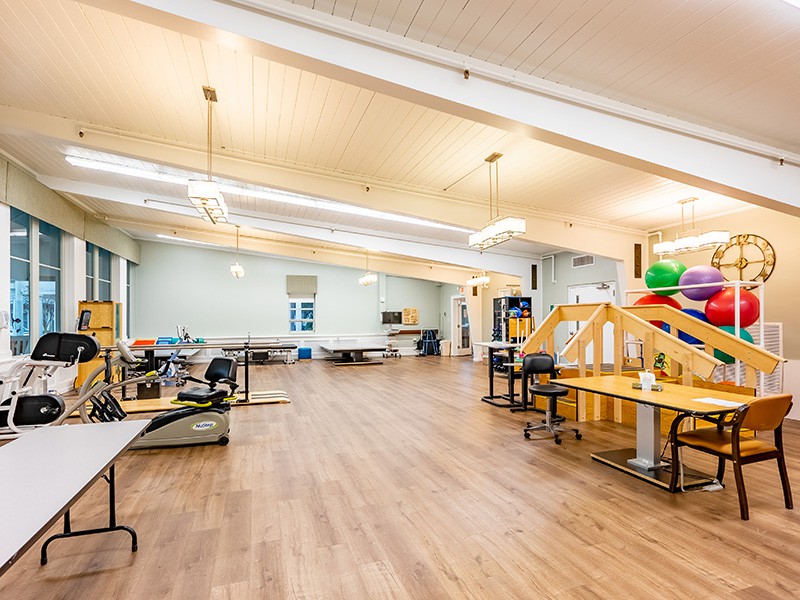
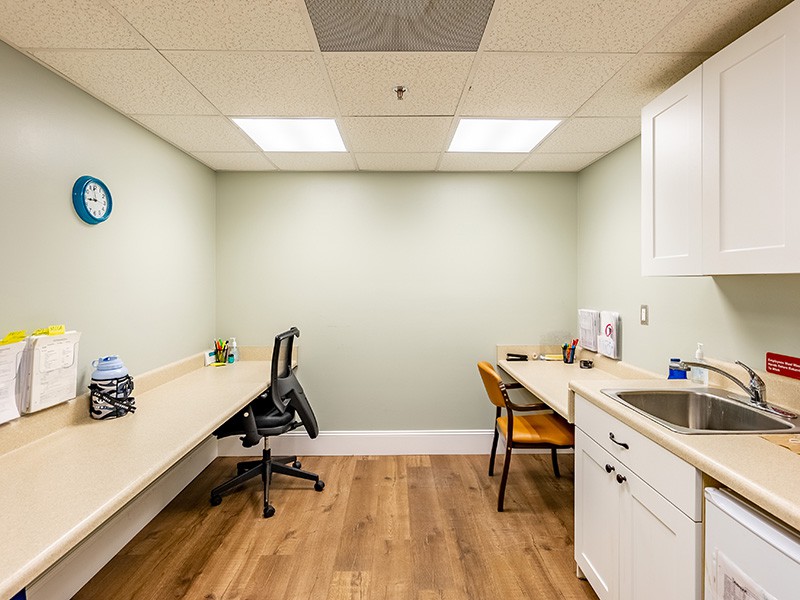
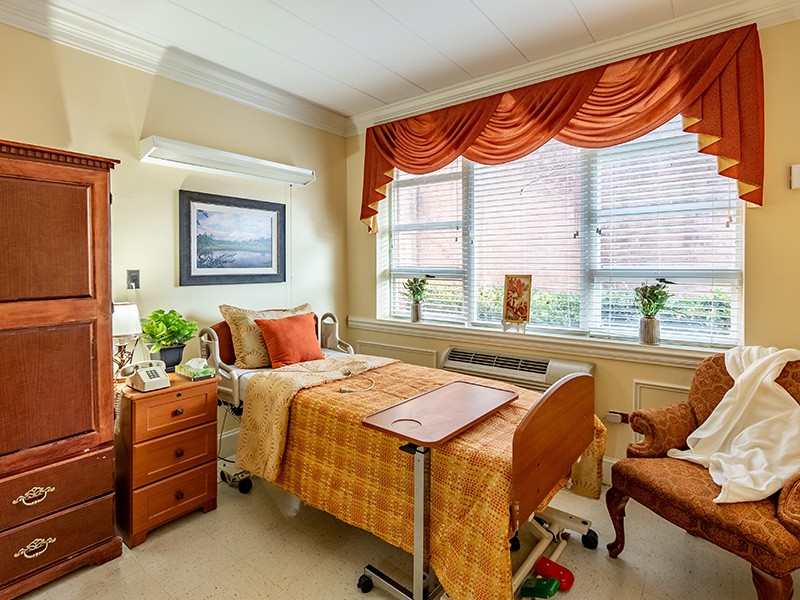
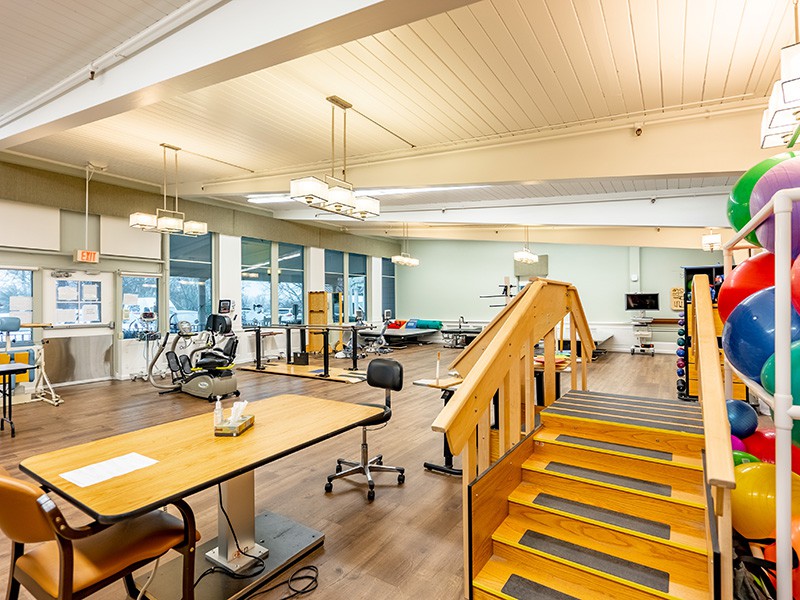
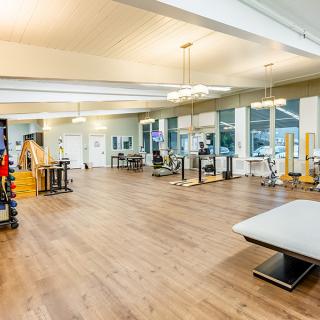
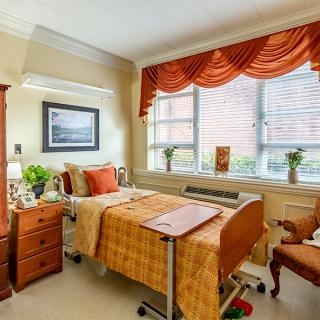
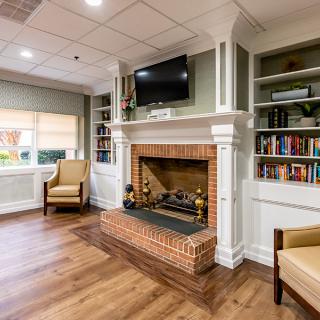
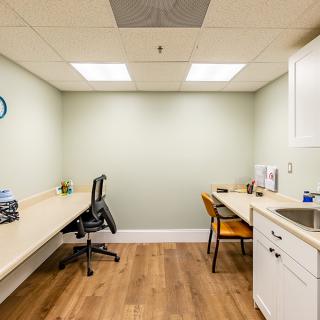
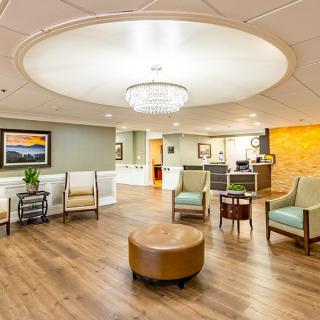
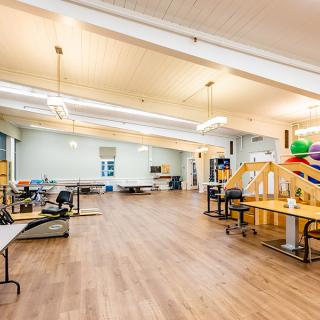
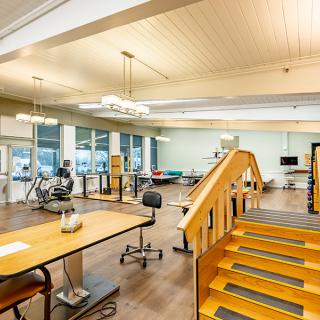
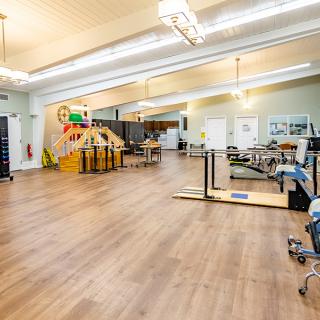
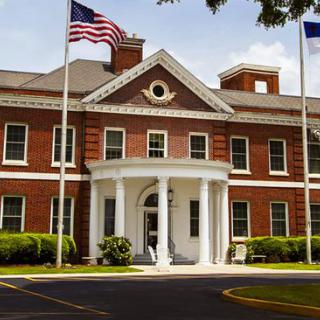
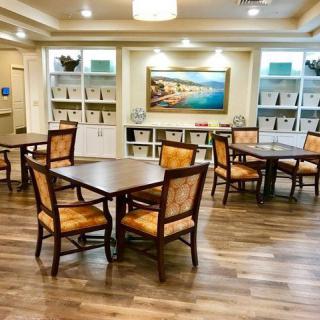
Greenville Post Acute on seniors.fyi includes 8 photos including images showing interior, gym, exercise equipment, rehabilitation, fitness, therapy room, bedroom, windows, and more.
Nearby Communities
Azalea Place Apartments
Greenville, SC
4.4 from 7 reviews
$3,420 to $4,350 / month
Excellent access to a wide range of nearby amenities including cafes, parks, pharmacies, physicians, restaurants, places of worship, theater, and hospitals.
Weight training is vital for seniors to maintain muscle mass, bone density, and overall health, combating age-related declines through customized resistance exercises that enhance balance and well-being. Safe routines should start with realistic goals and proper form, while emphasizing gradual progress and consultations with healthcare providers to ensure safety and effectiveness.
The Sandwich Generation comprises adults managing the dual responsibilities of caring for aging parents and raising children, leading to significant emotional, logistical, and financial challenges. This situation is exacerbated by longer life expectancies and cultural expectations, necessitating effective coping strategies and support resources to alleviate caregiver stress and burnout.
The article highlights eight essential assistive devices that improve the independence and safety of older adults, addressing issues related to mobility, balance, vision, hearing, and dexterity. It emphasizes the importance of proper selection guided by healthcare professionals to enhance seniors' quality of life while allowing them to age in place.
Living Room, Television, Fireplace, and Bookshelves
Lighting, Office, Minimalist, Computers, and Workspace
Chandelier, Seating Area, Lobby, and Reception
Exercise Equipment and Gym
Rehabilitation and Therapy Room
Physical Therapy, Stairs, and Facility
Fitness
Spacious and Fitness Center
Workout Space and Studio
Get PricingAsk A QuestionSchedule A TourContact Senior Advisor
By clicking submit, you agree to our Partner's Terms of Use. You
also consent to receive calls and texts, which may be autodialed, from our Partner. Your consent is not a condition to
using our Partner's service. Please visit our Partner's Privacy Policy for information about their privacy practices.

 132 resident community capacity
 Skilled Nursing Facility
 Air-conditioning
 Beauty salon
 Cable or satellite TV
 Computer center
 Dining room
 Fitness room
 Fully furnished
 Gaming room
 Garden
 Housekeeping services
 Kitchenette
 Move-in coordination
 Outdoor space
 Private bathrooms
 Restaurant-style dining
 Small library
 Telephone
 Wellness center
 Wi-Fi/high-speed internet available
 Greenville-Spartanburg (10 miles away)
 Community operated transportation
 12-16 hour nursing
 24-hour call system
 Activities of daily living assistance
 Assistance with bathing
 Assistance with dressing
 Assistance with transfers
 Diabetes diet
 Medication management
 Mental wellness program
 Special dietary restrictions
 Concierge services
 Planned day trips
 Excellent access to a wide range of nearby amenities including cafes, parks, pharmacies, physicians, restaurants, places of worship, theater, and hospitals.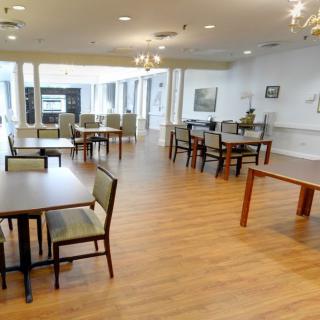

 Weight Training for Seniors: Building Strength and Vitality
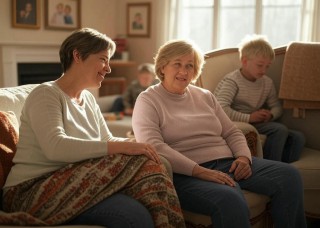 Understanding the Sandwich Generation: Stress and Responsibilities for Multigenerational Caregivers
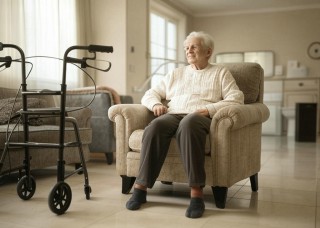 8 Essential Assistive Devices for Older Adults