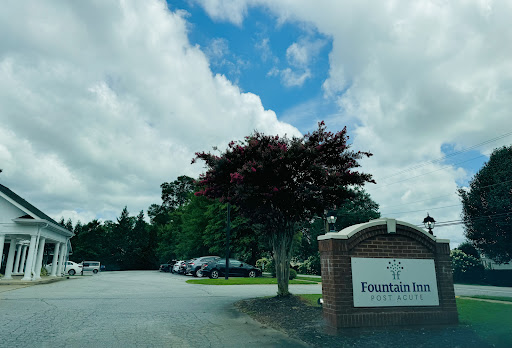
Overall Review of Carlyle Senior Care Of Fountain Inn
caveat2 reviews mention this
Wound care and medication errors
Some residents’ families describe medication and wound-care lapses.
A reviewer said staff claimed to provide daily wound-care bandage changes, but the dressing changes were not consistently done unless they pushed for it. Another reviewer described medication not being given on schedule and reported an incident involving refusal of anxiety medication.
caveat2 reviews mention this
Hard to reach staff by phone
Some families report long waits or missed calls for assistance.
One reviewer described being ignored when calling for assistance on later shifts and also raised concerns about medication delivery and an emergency call not being answered in time. Another reviewer said they called repeatedly in one day, but no one picked up the phone or returned voicemail.
common2 reviews mention this
Rehab therapy support stands out
Residents and families often highlight rehab therapy support.
One reviewer said the care team showed they truly cared after a transfer, and described the facility as having great amenities and activities. Another reviewer said their mother received physical and occupational therapy work during a stay and left able to walk.
How we summarize
Counts show how many written reviews mention each theme; a review can touch several themes, and only frequently mentioned themes are displayed.
Features
Housing
60 resident community capacity
Types of Care
Skilled Nursing Facility
Amenities
Air-conditioning
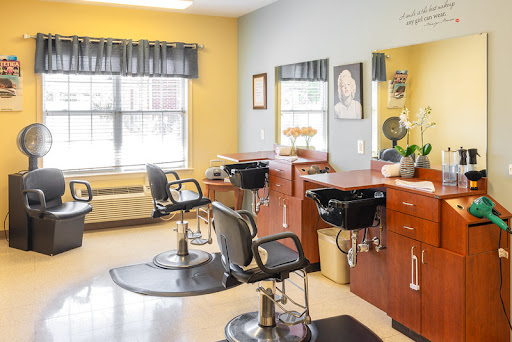
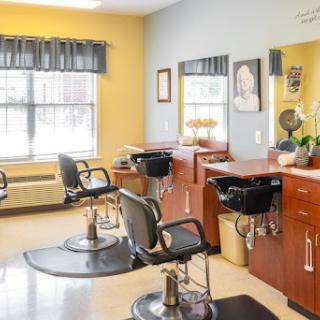
Beauty salon
Cable or satellite TV
Computer center
Dining room
Fitness room
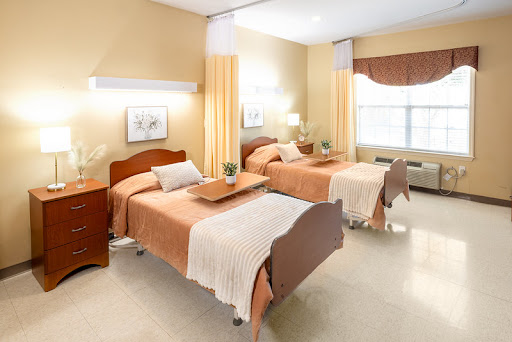
Fully furnished
Gaming room
Garden
Housekeeping services
Kitchenette
Move-in coordination
Outdoor space
Private bathrooms
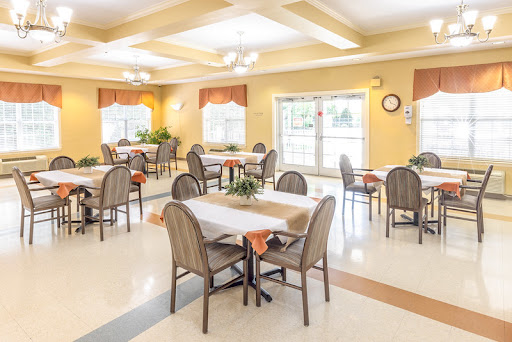
Restaurant-style dining
Small library
Telephone
Wellness center
Wi-Fi/high-speed internet available
Transportation
Greenville-Spartanburg (14 miles away)
Community operated transportation
Transportation arrangement
Transportation arrangement (non-medical)
Transportation to doctors appointments
Care Services
12-16 hour nursing
24-hour call system
24-hour supervision
Activities of daily living assistance
Assistance with bathing
Assistance with dressing
Assistance with transfers
Diabetes diet
Meal preparation and service
Medication management
Mental wellness program
Special dietary restrictions
Dining
Diabetes diet
Special dietary restrictions
Activities
Community-sponsored activities
Concierge services
Fitness programs
Planned day trips
Resident-run activities
Scheduled daily activities
Nearby Places of Interest
Restaurants
Zaxby's (1 miles)
Cracker Barrel (3.4 miles)
El Tejano Mexican Restaurant (3.8 miles)
Sonic Drive-In (3.8 miles)
Arby's (3.9 miles)
McDonald's (3.9 miles)
Tipsy Taco (3.9 miles)
Pharmacies
Best Rx Pharmacy (1.5 miles)
CVS Pharmacy (3.9 miles)
Walgreens (4 miles)
CVS Pharmacy (4.3 miles)
CVS Pharmacy (5.8 miles)
Walmart Pharmacy (6.1 miles)
Walgreens (7.9 miles)
Parks
Heritage Park (2.9 miles)
Gary L. Pittman Memorial Park (12.2 miles)
Places of Worship
Pleasant Grove Baptist Church (3 miles)
Gray Court Church of God (7.3 miles)
Woodruff Road Presbyterian Church (8.3 miles)
Center Rabun Baptist Church (8.6 miles)
Green Pond Baptist Church (10.2 miles)
Warrior Creek Baptist Church (11 miles)
New Hope Baptist Church (11.5 miles)
Hospitals
Hillcrest Memorial Hospital (3.7 miles)
Prisma Health Hillcrest Hospital (3.7 miles)
St Francis Hospital (3.9 miles)
Medical Group of the Carolinas - Family Medicine - Five Forks (7.9 miles)
Village Hospital (11.6 miles)
Spartanburg Regional (11.6 miles)
Surgery Center At Pelham (11.6 miles)
Physicians
Parkside Pediatrics - Harrison Bridge Location (3.7 miles)
Women's Healthcare (3.7 miles)
Bay Laurel Center For Psychiatry Simpsonville (6.2 miles)
Cypress Internal Medicine Simpsonville (6.2 miles)
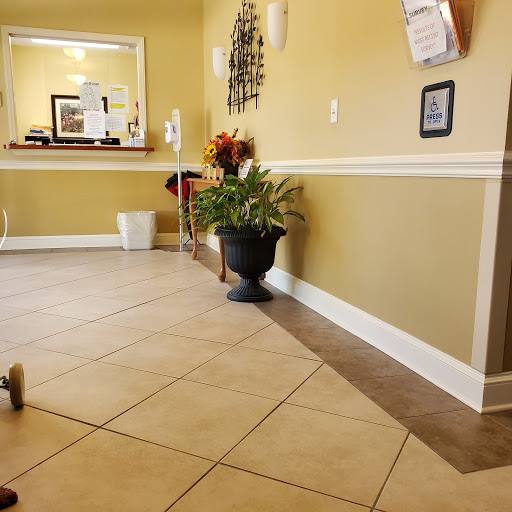
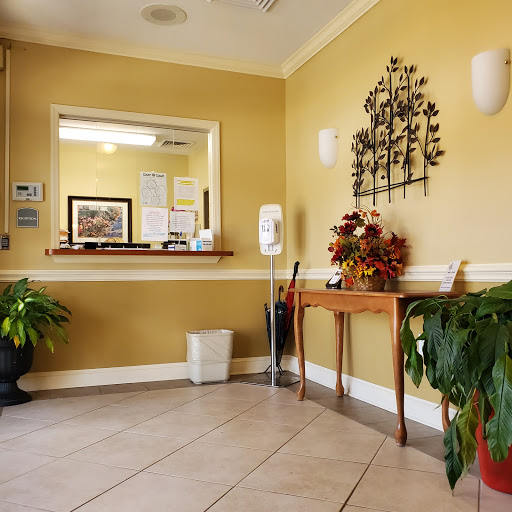
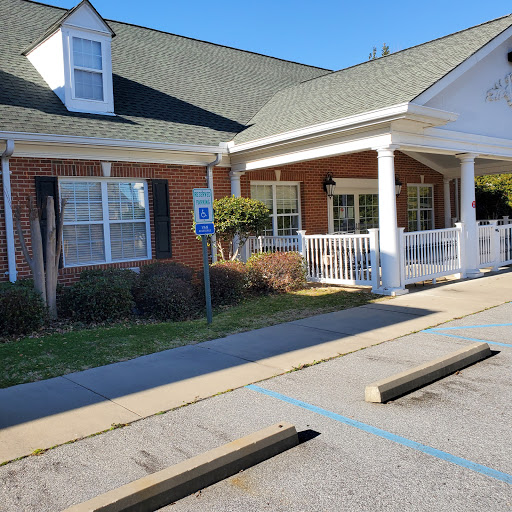
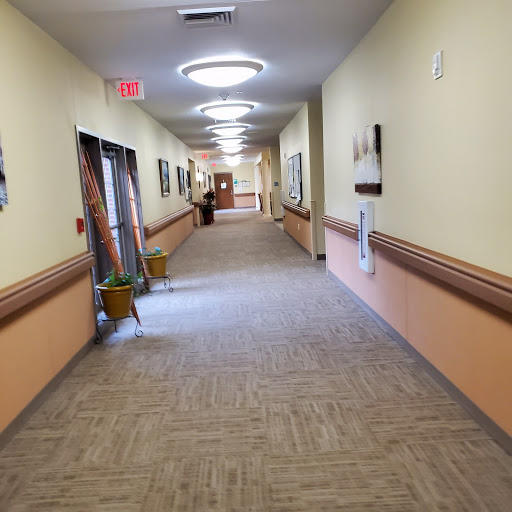
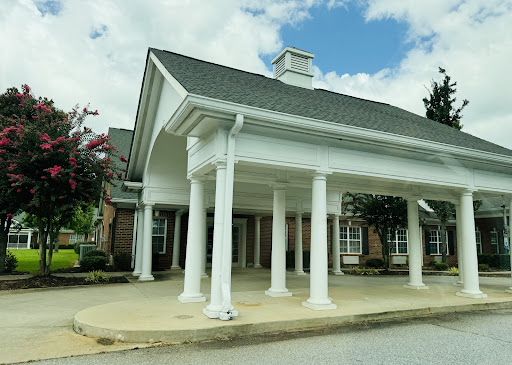
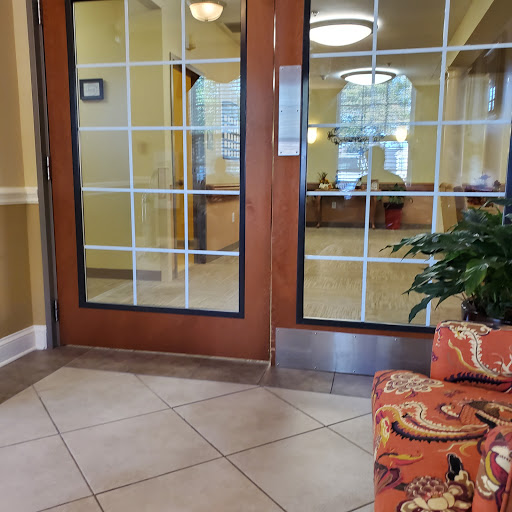
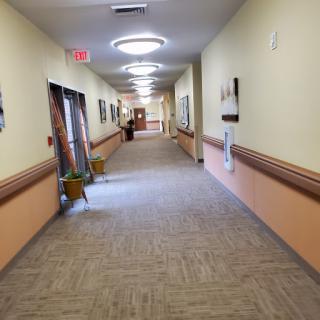
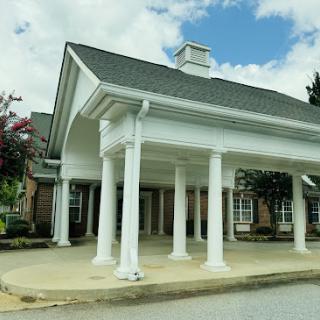
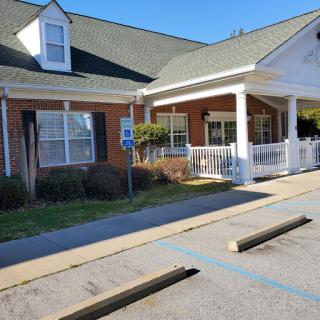
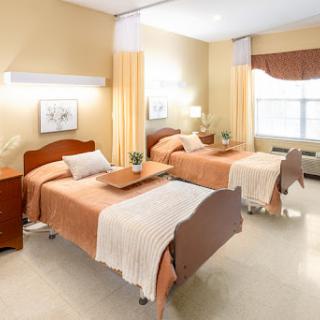
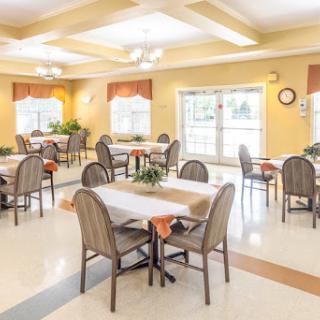
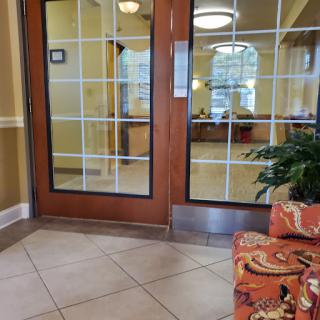
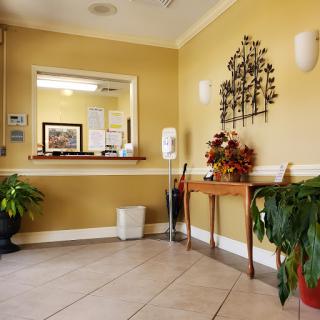
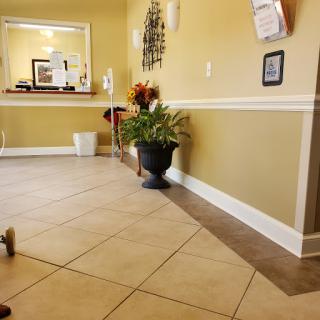
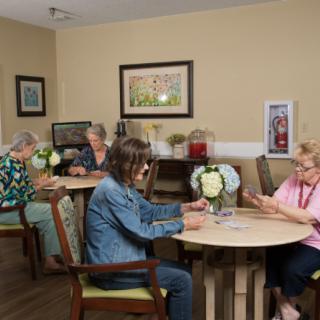
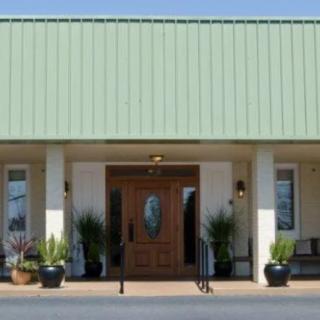
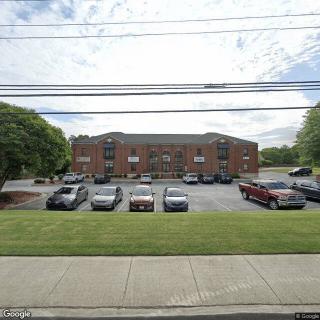
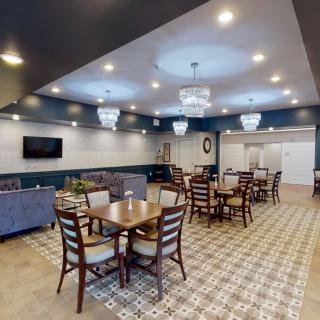
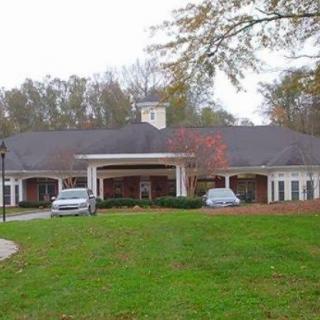
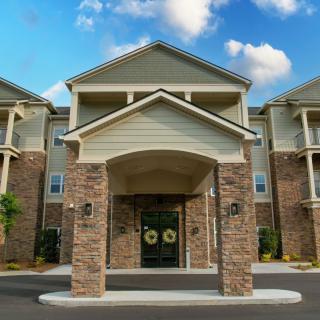
Carlyle Senior Care Of Fountain Inn on seniors.fyi includes 10 photos including images showing interior, salon, entrance, decor, reception, parking, bedroom, dining, and more.
Nearby Communities
Fountain Inn Nursing Home
Fountain Inn, SC
4.3 from 78 reviews
Quality care with nutritionist-guided meals and engaging activities.
Quillen Manor Assisted Living and Villas
Fountain Inn, SC
4.5 from 111 reviews
$1,895 to $3,400 / month
Compassionate staff with a warm, engaged community and strong family communication.
Quillen Manor
Fountain Inn, SC
4.3 from 55 reviews
Clean, welcoming environment with friendly staff and extensive on-site amenities.
The article explores the complexities of using Social Security to finance long-term nursing home care in the U.S., detailing eligibility requirements and misconceptions, while emphasizing that these benefits often do not cover full costs and highlighting the need for strategic financial planning and professional guidance.
Pneumonia significantly affects older adults due to weakened immune systems and atypical symptoms that complicate diagnosis, necessitating early detection and tailored treatment. Risk factors include chronic diseases and cognitive impairments, with preventive measures like vaccinations and healthy lifestyles being crucial for reducing risk.
Palliative care enhances the quality of life for seriously ill patients by providing comprehensive support at home through a multidisciplinary team, addressing various needs and prioritizing comfort over curative treatments. While it offers personalized care and involves family in decision-making, challenges like caregiver stress and logistical issues persist, with growing demand prompting advancements in technology and healthcare policies to improve access.
Get PricingAsk A QuestionSchedule A TourContact Senior Advisor
By clicking submit, you agree to our Partner's Terms of Use. You
also consent to receive calls and texts, which may be autodialed, from our Partner. Your consent is not a condition to
using our Partner's service. Please visit our Partner's Privacy Policy for information about their privacy practices.


 60 resident community capacity
 Skilled Nursing Facility
 Air-conditioning
 Beauty salon
 Cable or satellite TV
 Computer center
 Dining room
 Fitness room
 Fully furnished
 Gaming room
 Garden
 Housekeeping services
 Kitchenette
 Move-in coordination
 Outdoor space
 Private bathrooms
 Restaurant-style dining
 Small library
 Telephone
 Wellness center
 Wi-Fi/high-speed internet available
 Greenville-Spartanburg (14 miles away)
 Community operated transportation
 12-16 hour nursing
 24-hour call system
 Activities of daily living assistance
 Assistance with bathing
 Assistance with dressing
 Assistance with transfers
 Diabetes diet
 Medication management
 Mental wellness program
 Special dietary restrictions
 Concierge services
 Planned day trips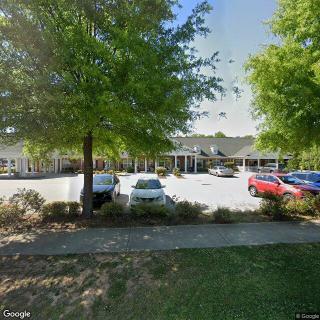
 Quality care with nutritionist-guided meals and engaging activities.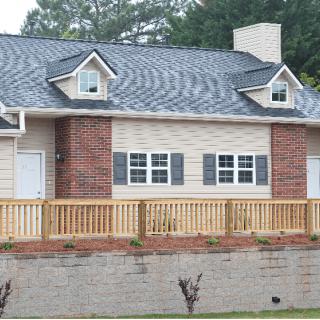

 Financing Long-Term Nursing Home Care Through Social Security: A Thorough Exploration
 Essential Knowledge on Pneumonia in Older Adults
 Exploring Palliative Care in the Home: A Comprehensive Overview