At Life Care Center of Columbia, the monthly cost for a private room is $2,700, which presents a compelling value when compared to average costs in Richland County and across South Carolina. In Richland County, the average expense for a similar private room is significantly higher at $4,978, while the state-wide average stands at $4,246. This notable difference indicates that Life Care Center of Columbia offers an economical option for individuals seeking quality care without compromising on their financial well-being. Overall, this facility not only provides essential services but does so at a price point that is both competitive and accessible within the local context.
Floor plans
Life Care Ctr of Columbia
Richland County
South Carolina
Private
$2,700
$4,978
$4,246
Skilled Nursing Facilities with a similar price nearby
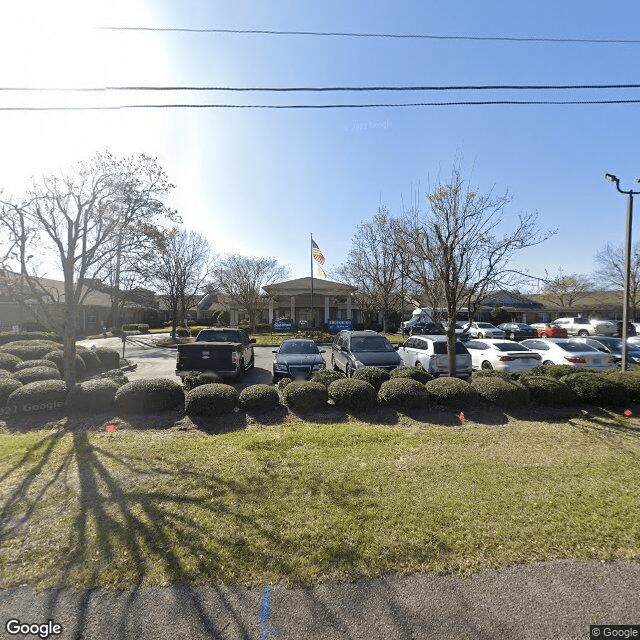
Residents and visitors repeatedly describe the community as clean and well kept.
Many reviews say the facility is clean, including rooms and common areas, with comments about cleanliness and rooms that look cared for. Some reviewers also describe cleanliness alongside other positives like a bright or comfortable feel. A smaller number of reviews express opposite concerns, including complaints about unclean bathrooms, odors, and dirty floors.
common36 reviews mention this
Caring, helpful staff stands out
Staff members are frequently described as kind, respectful, and attentive to needs.
Across many reviews, residents and families describe staff as friendly, caring, and responsive, including staff greeting visitors warmly and taking time to help. Several comments point to staff communicating with families and addressing concerns, and others highlight specific caregivers for professionalism and compassion. There are also a few sharp negative reviews that criticize staffing behavior and responsiveness, including delays with call buttons and turning or feeding support.
common10 reviews mention this
Therapy support helps recovery
Rehabilitation and therapy experiences are a frequent bright spot in reviews.
Many reviews mention physical therapy or rehab as a key part of the stay, with comments about working with patients and encouraging independence. Some residents describe therapists teaching step-by-step help, adjusting exercises, and supporting mobility progress. A few reviews are negative about overall care outcomes, but therapy-specific praise appears repeatedly in the positive accounts.
common7 reviews mention this
Activities keep residents engaged
Residents and families mention activities that keep people involved.
Several reviews describe a variety of activities, including creative or fun programs and regular engagement opportunities. A number of families also mention specific moments like themed events or opportunities for residents to participate, including activities staff supporting residents and volunteers. The negative reviews do not focus on activities as much as on day-to-day care issues, so this theme is mainly positive.
caveat7 reviews mention this
Concerns about care follow-through
A subset of reviews describes breakdowns in hands-on care and communication.
While many reviews praise responsiveness, a smaller group reports problems such as inadequate follow-through, concerns about turning and cleaning, and being slow to respond to requests. Some reviews also describe dissatisfaction with how information was shared with families during medical events or day-to-day care. These accounts conflict with the overall positive tone in other reviews, but they recur enough to be a clear caveat.
How we summarize
Counts show how many written reviews mention each theme; a review can touch several themes, and only frequently mentioned themes are displayed.
Features
Types of Care
Skilled Nursing Facility
Transportation
Columbia Metropolitan (15 miles away)
Nearby Places of Interest
This part of Columbia, South Carolina offers a convenient and well-equipped community for seniors. With various healthcare facilities such as Carolina Retina Center, Columbia Spine And Joint, and Cardiovascular Care Group in close proximity, residents have easy access to quality medical care. Additionally, there are several pharmacies nearby including Walgreens and CVS Pharmacy, ensuring that medication needs are easily met. For leisure activities, there are cafes like Starbucks and restaurants like Korea Garden Restaurant and Nick's Gyros & Subs within a short distance. Places of worship such as Spring Valley Baptist Church and Tree of Life Congregation provide spiritual support, while theaters like Spotlight Cinemas Capital 8 offer entertainment options. The presence of Moncrief Army Hospital ensures that emergency medical services are readily available in the area. Overall, this neighborhood in Columbia offers a well-rounded living environment for seniors.
Physicians
Carolina Retina Center PA (1.7 miles)
Columbia Spine And Joint (2 miles)
Cardiovascular Care Group (2.1 miles)
First Care (2.1 miles)
North Lake Family Medical Practice (2.1 miles)
Prisma Health Northeast Diagnostic Imaging (2.1 miles)
At Life Care Center of Columbia, the monthly cost for a private room is $2,700, which presents a compelling value when compared to average costs in Richland County and across South Carolina. In Richland County, the average expense for a similar private room is significantly higher at $4,978, while the state-wide average stands at $4,246. This notable difference indicates that Life Care Center of Columbia offers an economical option for individuals seeking quality care without compromising on their financial well-being. Overall, this facility not only provides essential services but does so at a price point that is both competitive and accessible within the local context.
Home health care has become essential for supporting independence among the aging population, offering diverse services such as skilled nursing and rehabilitation in familiar environments, while also incorporating technology for personalized care. Despite its benefits, including improved recovery rates and emotional well-being, challenges like safety, staff availability, and insurance navigation must be managed for effective implementation.
Home health care offers a range of clinical services provided in a patient's home, including nursing and therapy, tailored to individual needs, particularly for aging seniors with chronic conditions. This approach enhances patient independence, promotes better disease management, and utilizes technology for real-time monitoring while fostering collaboration among healthcare providers and family members.
Seniors benefit from ride-hailing services like Uber and Lyft, which provide convenient and accessible transportation options that promote independence and social engagement, while addressing mobility challenges. These platforms have adapted to meet senior needs with user-friendly features and safety measures, although costs can be a concern; community programs may help subsidize rides for older adults.
Get PricingAsk A QuestionSchedule A TourContact Senior Advisor
By clicking submit, you agree to our Partner's Terms of Use. You
also consent to receive calls and texts, which may be autodialed, from our Partner. Your consent is not a condition to
using our Partner's service. Please visit our Partner's Privacy Policy for information about their privacy practices.


 Skilled Nursing Facility
 Columbia Metropolitan (15 miles away)
 Clean, well-maintained facility with strong therapy services and engaging activities.



 Understanding Home Health Care: A Comprehensive Guide
 Home Health Care Demystified: A Comprehensive Guide for Families and Caregivers
 Seniors and Modern Transportation: Exploring Uber, Lyft, and Other Ride-Hailing Options