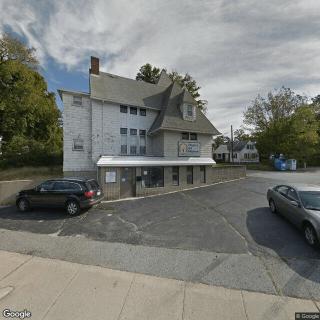
1811 Broad Street, Cranston, RI 02905
For more information about senior living options: (866) 208-4318
Overall Review of Scandinavian Home
Pros
 The facility is described as very friendly.
 - The staff are fantastic.
- The level of care and cleanliness far surpasses other rehabs.
- The staff feel like an extended family while maintaining professionalism.
- She feels like a queen because her every need is taken care of.
- They hold beautiful celebrations for residents and their families.
- The staff are attentive and caring and promptly inform families of any issues.
- They go the extra mile for residents and their families.
Cons
 The downsizing is described as an indicator that the facility cannot fulfill its duties.
 - A resident was hospitalized for dehydration, a preventable outcome under the facility’s care.
- A fall incident was initially reported one way and later contradicted, suggesting deception and neglect.
- The communication is described as blatantly dishonest and inconsistent, pointing to neglectful practices.
- The overall pattern is deemed unacceptable, prompting others to reconsider entrusting loved ones there.
- The assisted living facility is said to have experienced staff turnover, a decline in activities and level of care, and an exodus of residents, leaving the place looking tired.
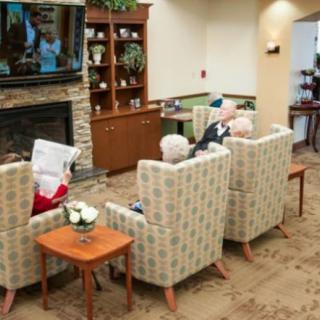
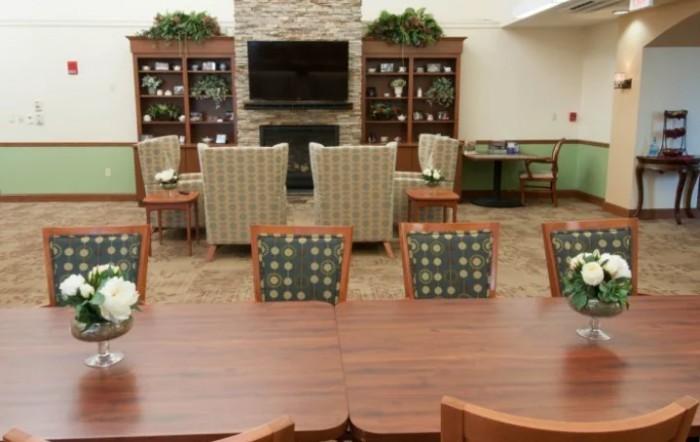
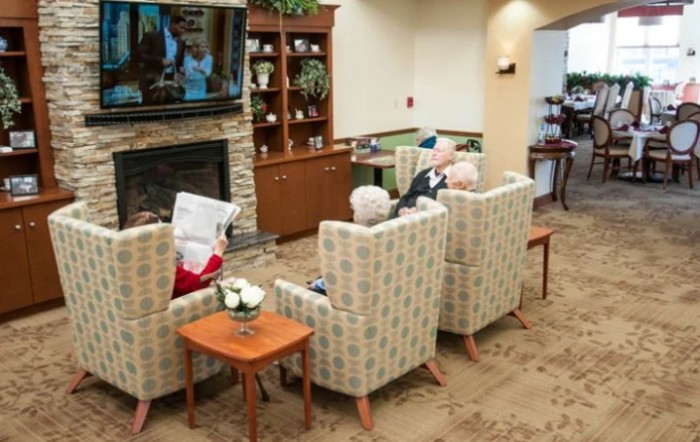
- There are occasional seating shortages, temperature/draft issues, and the environment can be loud.
Review
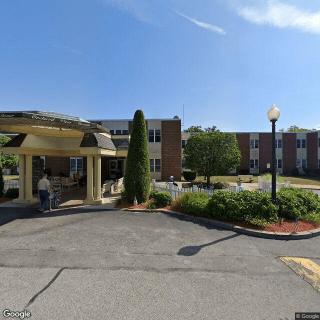
Scandinavian Home in Cranston is best suited for seniors who want a home‑like, intimate setting where staff engagement feels personal and residents can form meaningful social connections. It works well for families that prize a warm, family‑style atmosphere, direct and timely communication, and a robust calendar of activities and outings. The facility earns praise from residents’ relatives who describe it as welcoming, clean, and supportive, with caregivers who are attentive and genuinely involved in daily life. For someone who wants a smaller footprint where staff can know residents by name and respond quickly to day‑to‑day needs, this community can feel like a reassuring, almost familial option.
However, there are clear caveats that families should weigh against the positives. Those who require steady, high‑level medical oversight, rigorous safety records, or a consistently predictable staffing pattern may want to explore alternatives. If concerns about safety, transparency, and sustained quality of care are paramount, look for environments with proven, durable systems for incident reporting, caregiver continuity, and proactive safety monitoring. Larger operators with long‑standing reputations for oversight and standardized protocols may present a more reassuring package for such needs.
The strongest positives hinge on people and programming. The staff’s approachable, friendly demeanor and the sense of “extended family” permeate daily life, helping residents feel valued and cared for. The food is frequently described as good to excellent, prepared with fresh ingredients, and mealtime experiences are enhanced by attentive service. The activity lineup is vibrant, featuring social gatherings, exercise and puzzles, music sessions, and varied outings that keep residents engaged and connected to the community. For many families, these social and culinary strengths translate into visible quality of life improvements that are hard to quantify but hard to beat in a smaller, intimate setting.
Conversely, several recurring concerns temper the appeal. Reports of downsizing and related operational strain suggest underlying challenges in sustaining consistent care and resources. Alarming anecdotes about falls and hospitalization point to potential safety vulnerabilities, and accusations of inconsistent communication and shifting narratives around incidents raise trust issues. Staff turnover appears to influence the continuity and quality of care, with families noting fewer experienced hands and a drift in routine, particularly in activities and individualized attention. The building itself is described as aging, with issues like drafts, occasional seating shortages, noise, and a general sense that the environment looks worn in places, all of which can detract from a sense of safety and comfort.
These pros and cons interact in a way that will determine fit. For a family prioritizing emotional warmth, personal attention, and robust social life, the advantages can meaningfully offset some infrastructure and occasional care gaps. The intimate setting, coupled with proactive staff engagement and a strong activity program, can support meaningful daily living and a reassuring sense of community. Yet for those whose decision hinges on unimpeachable safety, consistent communication, and long‑term care stability, the negatives, especially safety concerns and reports of inconsistent information, tale a cautionary note that cannot be fully dismissed by charm and programming alone.
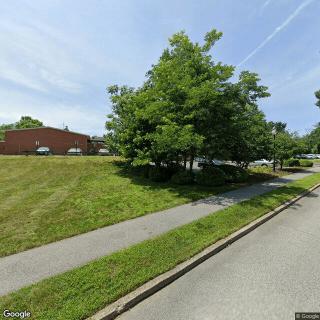
In making a decision, concrete steps are essential. Prospective families should schedule multiple visits at different times to observe interactions, review incident logs and staffing patterns, and speak directly with current residents and their families about their day‑to‑day experiences. Request detailed care plans, understand the exact services included in pricing, and verify what supports are available for emergencies or medical needs. Inspect the physical environment with a critical eye for safety, seating availability, noise levels, and climate control. If these elements align with expectations and the care framework feels reliable, Scandinavian Home can be a compelling choice; if not, the search should extend to alternatives that offer steadier oversight, more transparent communication, and proven continuity of care.
 74 resident community capacity
 Skilled Nursing Facility
 Air-conditioning
 Beauty salon
 Cable or satellite TV
 Computer center
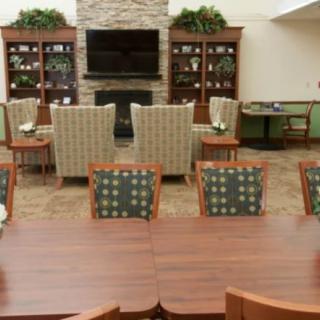
 Dining room
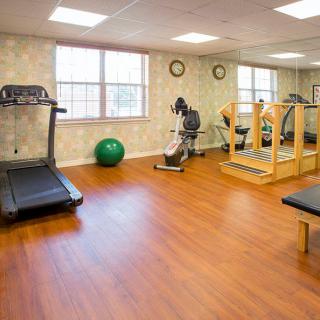
 Fitness room
 Fully furnished
 Gaming room
 Garden
 Housekeeping services
 Kitchenette
 Move-in coordination
 Outdoor space
 Private bathrooms
 Restaurant-style dining
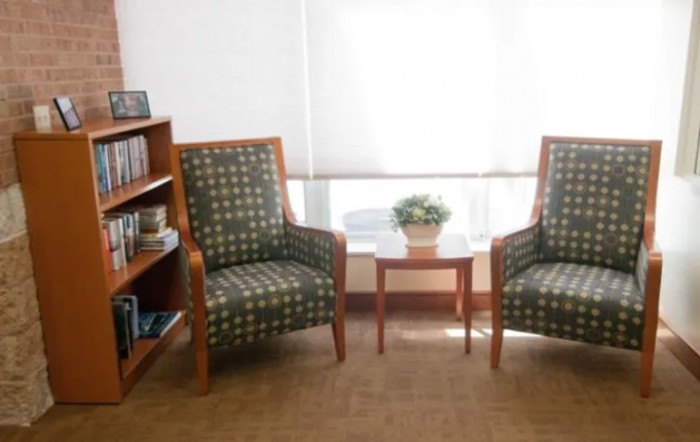
 Small library
 Telephone
 Wellness center
 Wi-Fi/high-speed internet available
 Theodore F Green State (4 miles away)
 Community operated transportation
 12-16 hour nursing
 24-hour call system
 Activities of daily living assistance
 Assistance with bathing
 Assistance with dressing
 Assistance with transfers
 Diabetes diet
 Medication management
 Mental wellness program
 Special dietary restrictions
 Concierge services
 Planned day trips



 Comprehensive Insights into Palliative Home Care: What It Is and What to Expect
 Skilled Nursing Facilities vs. Nursing Homes: Making Sense of the Differences
 A Detailed Examination of Nursing Home Costs Across the U.S.