United Methodist Elder Care

Save

United Methodist Elder Care

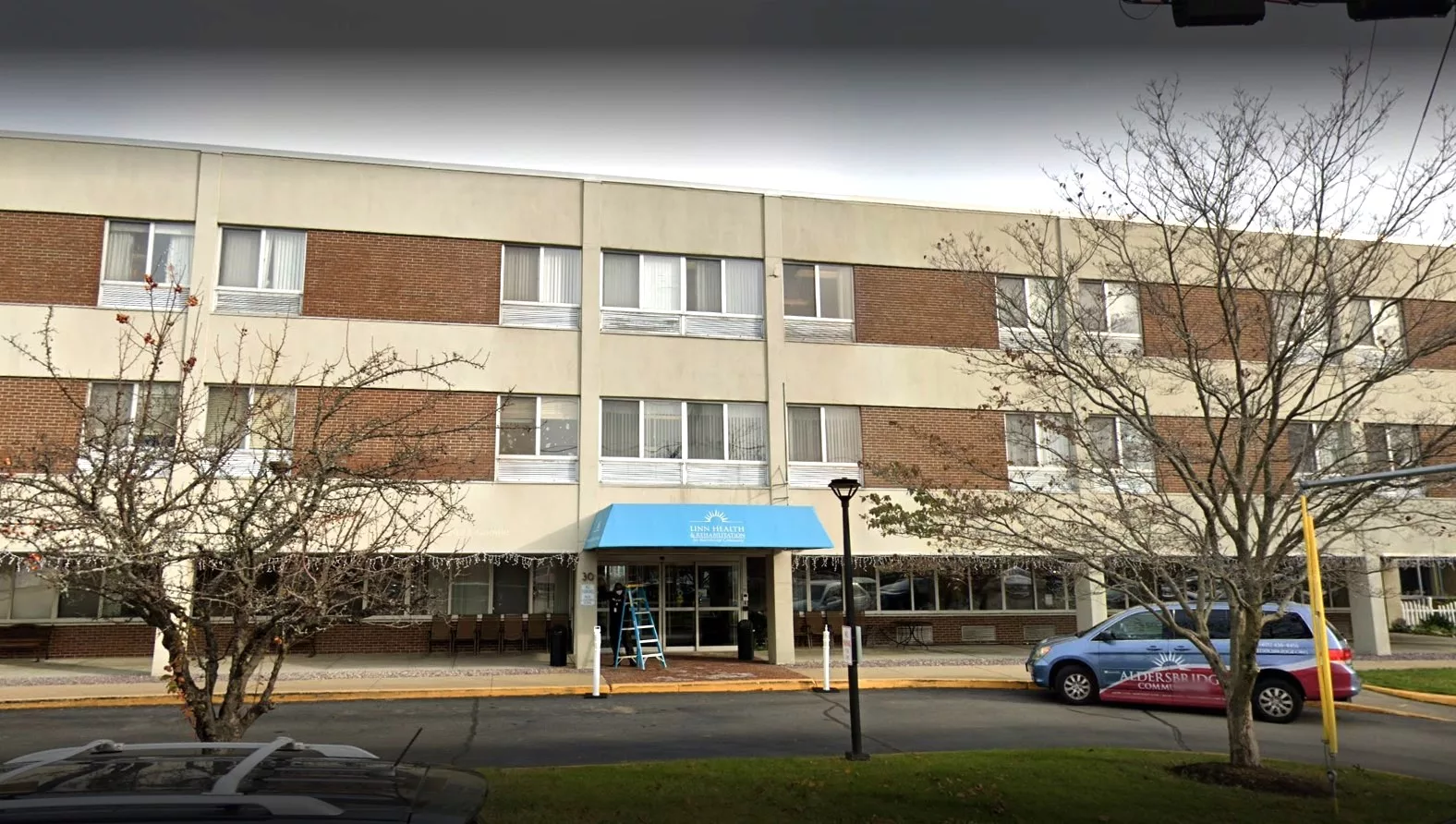
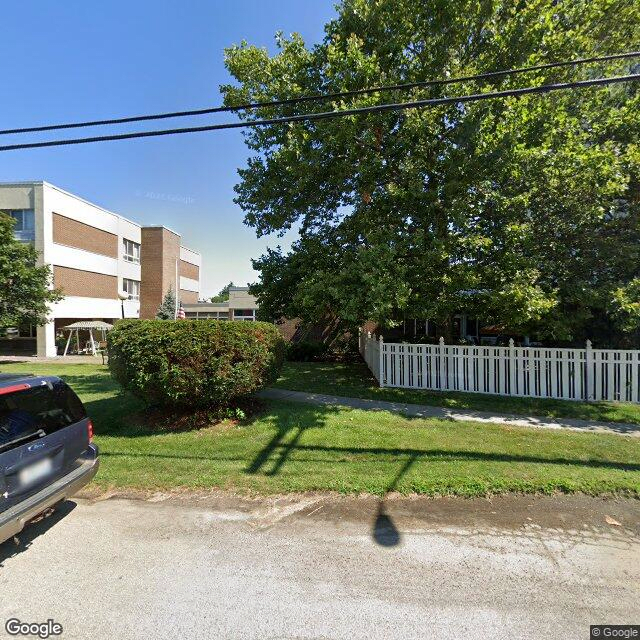
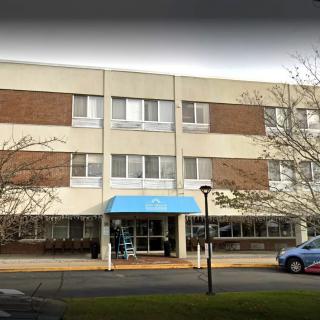
30 Alexander Ave, East Providence, RI 02914

For more information about senior living options: (844) 490-3973

3.5 from 24 reviews
5 stars
14
4 stars
1
3 stars
0
2 stars
0
1 stars
9

Skilled Nursing Facility

What level of care are you interested in?

Assisted Living

Memory Care

Independent Living

Skilled Nursing Facility

Continuing Care Retirement Community (CCRC)CCRC

Other


Request a tour at United Methodist Elder Care

    Overall Review of United Methodist Elder Care

    Pros

    • pro The food is very good.
    • pro The staff are wonderful and treat residents as family.
    • pro Linn Nursing and Rehab is an amazing place.
    • pro In-house providers, PT/OT/Speech/Food and Nutrition, and Social Work are outstanding.
    • pro Office staff are kind and helpful.
    • pro Administration truly cares about residents and their families.
    • pro The facility is immaculate and the rooms are spacious and beautiful.
    • pro The PT/rehab team truly treats residents like family.
    • pro The CNAs provide compassionate, attentive care.
    • pro The nurses are attentive and respond quickly with compassion.
    • pro The therapists are sensational.
    • pro The activities department helps residents stay connected with families during restrictions and knows residents well.

    Cons

    • pro The nursing staff top to bottom are incompetent and do not value the life of the elderly.
    • pro The care received by the mother was inadequate and contributed to her death.
    • pro The patient developed bedsores and severe dehydration, leading to hospitalization, sepsis, and kidney failure after a short stay.
    • pro A Rhode Island hospital reportedly documented severe elderly neglect by Linn.
    • pro The grandfather was evicted from Linn without warning or family involvement, forcing the search for a new facility.
    • pro There was a lack of communication between staff and families and disregard for patients.
    • pro Staff allegedly lied about contacting the doctor and failed to administer the correct medication.

    Review

    What emerges from these reflections is a facility that many families hold in high regard for most of the time, while a smaller subset of experiences raise serious alarms about care, safety, and communication. Across numerous entries, Linn Nursing and Rehab and Linn Health Care Center are described as places where warmth, attentiveness, and professional dedication are the rule rather than the exception. Families repeatedly highlight the compassionate demeanor of the staff, the sense that residents are treated like family, and the existence of a robust team that includes nurses, CNAs, in-house providers, therapists, social workers, and administration working in concert to support both patients and their loved ones.

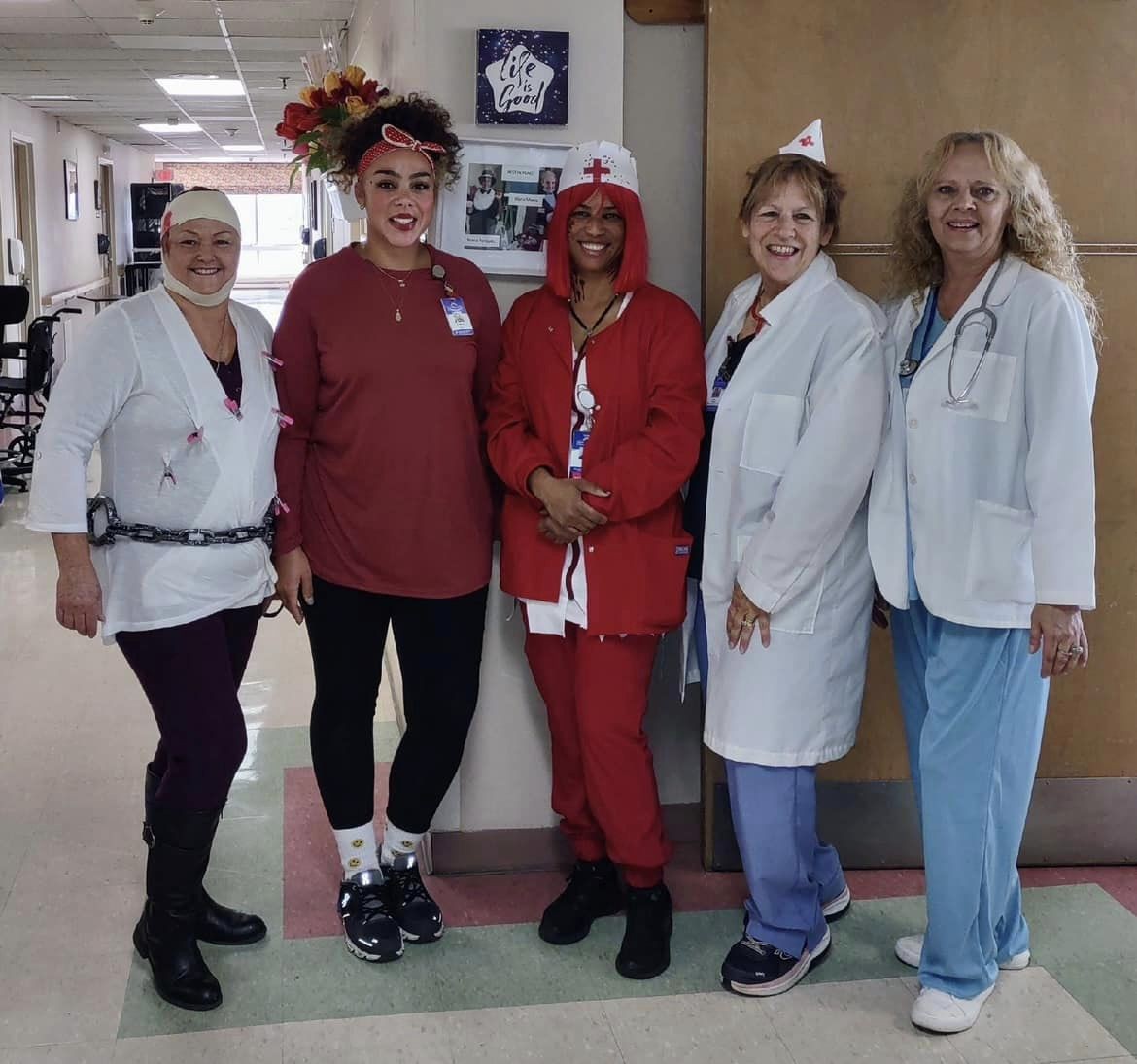
    A strong throughline in the positive testimonials is the people who make up the daily life at the facility. The staff - nurses, certified nursing assistants, and other caregivers - are repeatedly acknowledged by name or described in broad strokes as "amazing," "wonderful," and "caring." Families note that CNAs, in particular, often form lasting bonds with residents, offering patience, affection, and attentiveness that go beyond routine tasks. The nursing teams are praised for quick responses to concerns and for providing care that many feel respects the dignity and humanity of elders. The in-house professionals - physical therapy, occupational therapy, speech therapy, and nutrition - are also singled out, with many reviewers crediting them for measurable improvements, especially in short-term rehab scenarios. The social workers and office staff are described as helpful and approachable, with a sense that administration genuinely cares about residents and their families.

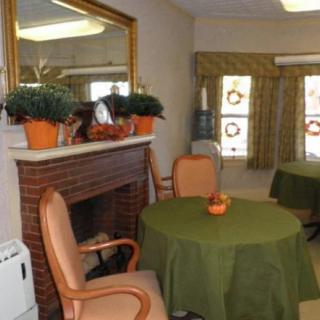
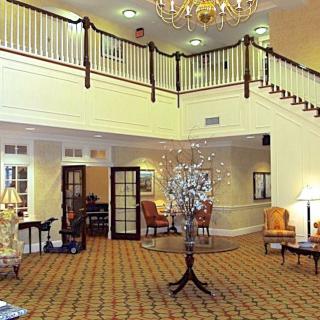
    The care environment itself is frequently described as clean, orderly, and comforting. Reviewers mention the facility as immaculate, with spacious and nicely kept rooms, and they emphasize the atmosphere of a smaller, more personable home rather than a large institution. The combination of a homey setting, ready access to therapy, and a visible commitment from staff helps explain why several families feel confident about transitions back home after rehab stays. Several stories highlight the value of a well-coordinated care plan, with explicit references to following a documented path that includes physical, occupational, and speech therapy, alongside nutrition and social work support. For many, this integrated approach translates into real progress for loved ones who are navigating recovery, mobility, or the challenges of aging.

    The COVID era introduced its own unique dynamics, and several reviews show how Linn leaned into technology and creative engagement to keep families connected. For residents with limited or no visitation, the activities department and care teams worked to maintain relationships through Zoom and FaceTime, often coordinating sessions that helped families stay involved in care decisions and daily life. When restrictions loosened, some families describe a sense of relief and appreciation that the staff continued to go the extra mile to foster communication and enable meaningful interactions. In a few cases, reviewers highlight specific staff members - such as activities directors - who helped cultivate holiday moments or personalized experiences that left a lasting impression on both residents and families.

    Yet, alongside the laudatory stories, there are starkly critical accounts that demand serious attention. One reviewer characterizes Linn as "the worst nursing home," alleging pervasive incompetence at every level of nursing staff, with claims that elderly lives were jeopardized by neglect. The account describes a dramatic decline in a mother with advanced dementia after a two-week respite stay, including severe weight loss, bedsores, dehydration, and sepsis, followed by a hospitalization that the family says connected Linn to severe neglect. The narrative asserts the hospital later attributed the facility to the neglect and alleges that staff failed to provide basic care, with disturbing observations of water being out of reach, staff absorbed with their phones, and a sense that residents who could not advocate for themselves were left to suffer. This perspective frames the experience as systemic failure in compassionate care, calling any further engagement with the facility into question.

    Several other reviews echo concerns about communication and coordination, particularly during transitions or when problems arise. Some reviewers describe a lack of timely communication between families and staff, with complaints about not receiving updates from nurses or providers or about not receiving correct medications or discharge paperwork in a timely fashion. In one account, a patient alleges that a nurse's actions led to a hospitalization and that the facility did not allow the family back in afterward. Another speaks to a grandfather who was a long-time resident and who was abruptly told he could not return, leaving the family to scramble for alternatives while feeling that the facility did not adequately prepare or support them during that change. These experiences emphasize the critical importance of clear channels of communication, transparent decision-making, and proactive family engagement in maintaining trust.

    Within the mixed landscape, some reviews touch on the difficult realities of long-term care during pandemics and beyond. Several accounts acknowledge the emotional toll of isolation for loved ones and the challenge of balancing safety with connection. They describe staff who worked against the odds to maintain relationships, often going the extra mile to ensure that those who could not be at the bedside still felt seen and supported. Others point to particular staff members who stood out for their empathy, responsiveness, or advocacy on behalf of residents and families, reinforcing the sense that the best care comes from teams that listen, adapt, and communicate openly.

    Taken together, the narratives present a facility that is a true mix of strengths and vulnerabilities. The positive reviews paint a picture of a place where dedicated professionals collaborate across disciplines to deliver comprehensive, person-centered care. They highlight the value of a smaller, home-like environment, the importance of consistent therapeutic programming, and the power of attentive families and staff who treat residents with dignity and respect. The negative reviews, by contrast, serve as a potent reminder that even well-intentioned care can fall short in critical moments, particularly around safety, hydration, wound care, and timely communication. They underscore the need for ongoing vigilance, transparent reporting, and continuous quality improvement to ensure all residents receive the level of care they deserve.

    For families considering Linn, the message is nuanced but clear: there is substantial evidence of compassionate, capable care in many cases, especially regarding daily interactions with staff, the quality of therapy services, and the supportive role of social work and administration. At the same time, prospective residents and their loved ones should approach with due diligence - ask detailed questions about care plans, safety protocols, and accountability; request documentation of care transitions and incident reporting; and seek recent, facility-wide information on staffing levels, training, and patient outcomes. In environments where communication and timely responses are prioritized, the experiences described by many families suggest Linn can be a place where residents feel seen, cared for, and supported by a team that treats them like family. In other reports, families voice urgent concerns that demand attention and reform to prevent harm and ensure fundamental aspects of care - hydration, nutrition, mobility, and dignity - are consistently upheld.

    Features

    Types of Care

    • Skilled Nursing Facility Skilled Nursing FacilitySkilled Nursing Facilities are crucial for seniors as they provide round-the-clock medical care, rehabilitation services, and assistance with daily activities. These facilities ensure that seniors receive the specialized care they need to maintain their health and well-being as they age.

    Transportation

    • Theodore F Green State (8 miles away) Theodore F Green State (8 miles away)

    Description

    The United Methodist Elder Care in East Providence, RI is a vibrant and convenient assisted living community offering a wide range of amenities and services to enhance the quality of life for its residents. Situated in a bustling neighborhood, this community provides easy access to various essential facilities.

    With 14 cafes nearby, residents can indulge in their favorite beverages and snacks while enjoying the company of friends or savoring some peaceful moments alone. Nature enthusiasts will appreciate the proximity to 9 parks, where they can take leisurely strolls, engage in outdoor activities, or simply bask in the beauty of nature.

    Ensuring easy access to medications and health services, there are 19 pharmacies and 11 physicians located nearby. This allows residents to conveniently fill prescriptions or schedule appointments without any hassle. Additionally, the presence of 5 hospitals ensures that medical assistance is readily available whenever needed.

    For those who enjoy culinary delights and dining out, this community boasts an impressive array of options with 40 restaurants nearby. Whether craving international cuisine or local favorites, residents can explore various flavors and have memorable dining experiences with family and friends.

    Transportation needs are also catered for with a nearby transportation option available. This ensures that residents can easily travel around the area for shopping trips, outings, or appointments without having to worry about driving or finding parking spaces.

    For entertainment and cultural experiences, there is a theater close by where residents can enjoy movies, live performances, or other engaging events. This provides opportunities for socialization and enrichment within the community.

    Overall, United Methodist Elder Care in East Providence offers an enriching and vibrant lifestyle for seniors by providing convenient access to cafes, parks, pharmacies, physicians, restaurants, transportation options,, theaters,and hospitals. Residents can enjoy a balanced mix of independence and support while being part of a welcoming community that prioritizes their well-being and convenience.

    Nearby Places of Interest

    This part of East Providence, Rhode Island, offers a convenient location with various amenities nearby. There are several pharmacies within a short distance for easy access to medications and healthcare needs. Additionally, there is a variety of restaurants and cafes for dining options and socializing. For medical care, there are reputable physician offices and hospitals in the vicinity. The area also features beautiful parks for leisurely walks and outdoor activities. Transportation options are available with proximity to the Providence Station for easy travel. Overall, this neighborhood provides a balanced mix of services and recreational opportunities suitable for seniors looking for a comfortable and accessible living environment in East Providence.

    Pharmacies

    • CVS Pharmacy (0.4 miles)
    • CVS Pharmacy (0.8 miles)
    • Walgreens (0.9 miles)
    • Walgreens (1.2 miles)
    • CVS Pharmacy (1.4 miles)
    • Stop & Shop Pharmacy (2 miles)
    • East Side Wine and Spirits (2.3 miles)

    Restaurants

    • Davenport's Restaurant (0.4 miles)
    • Pasta Beach (1.3 miles)
    • PVDonuts (1.4 miles)
    • Tallulah's Taqueria (1.4 miles)
    • Like No Udder (1.5 miles)
    • Knead Doughnuts (1.6 miles)
    • Wendy's (1.8 miles)

    Physicians

    • University Orthopedics (0.6 miles)
    • Coastal Medical - Waterman Pediatrics (1.3 miles)
    • Coastal Medical Sleep Disorder (1.4 miles)
    • University Orthopedics (2 miles)
    • University Of Medicine Riverside (2.1 miles)
    • University Surgical Associates - Roth, Leslie A, MD (2.3 miles)
    • University Foot Care (2.6 miles)

    Parks

    • Waterman St Dog Park (1 miles)
    • Blackstone Park (1.1 miles)
    • Bold Point Park (1.2 miles)
    • Gano Park (1.3 miles)
    • Blackstone Boulevard (1.5 miles)
    • Roger Williams National Monument (2.5 miles)
    • India Point Park (2.5 miles)

    Cafes

    • Starbucks (1.4 miles)
    • Seven Stars Bakery (1.4 miles)
    • Daves Coffee (2.1 miles)
    • Bolt Coffee (2.2 miles)
    • Seven Stars Bakery (2.3 miles)
    • Panera Bread (2.3 miles)
    • Starbucks (2.5 miles)

    Hospitals

    • Bradley Hospital (2.1 miles)
    • Hasbro Children's Hospital (2.4 miles)
    • Women and Infants Laboratory (2.6 miles)
    • Miriam Hospital - Infection, Disease, & Immunology Center (2.8 miles)
    • Providence VA Medical Center (3.6 miles)

    Transportation

    • Providence Station - MBTA & Amtrak (PVD) (2.6 miles)

    Theaters

    • Providence Place Showcase IMAX Theaters (2.7 miles)

    Frequently Asked Questions

    Where is United Methodist Elder Care?
    What photos are available for United Methodist Elder Care in East Providence, Rhode Island?

    Nearby Communities

    Related Resources

    • low impact exercises for seniorsHighly Beneficial Low-Impact Exercises for Senior Living Residents

      Low-impact exercises are vital for seniors as they promote health, independence, and social interaction while reducing joint strain. These adaptable activities, guided by healthcare professionals, enhance strength, flexibility, and emotional well-being.

    • is home health care tax deductibleIs In-Home Healthcare Tax Deductible? Your Comprehensive Guide
      The guide details the tax deductibility of in-home healthcare expenses according to IRS guidelines, differentiating between medically necessary services and non-medical assistance, while emphasizing the need for proper documentation and itemization requirements. It also highlights state-level variations, the importance of record-keeping, and encourages seeking professional tax help to understand evolving regulations.

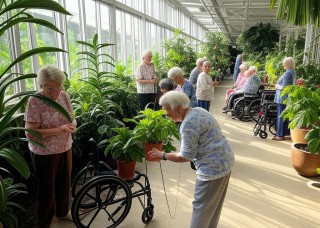
    • gardening for seniorsNurturing Well-Being Through Gardening: A Detailed Guide for Senior Enthusiasts
      Gardening provides seniors with physical exercise, mental and emotional support, and social interaction opportunities, while accommodating their needs through raised beds and ergonomic tools. It promotes health benefits like improved dexterity and cardiovascular health, encourages sustainable practices, and allows for manageable upkeep with low-maintenance plants.


    Get Pricing Ask A Question Schedule A Tour Contact Senior Advisor