
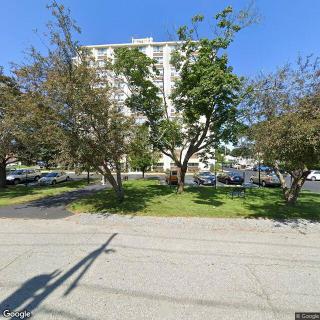
30 Alexander Avenue, East Providence, RI 02914
For more information about senior living options: (866) 208-4318
Overall Review of Linn Health And Rehabilitation
Pros
 The staff at Linn Health Care Center are amazing and treat residents as their own family.
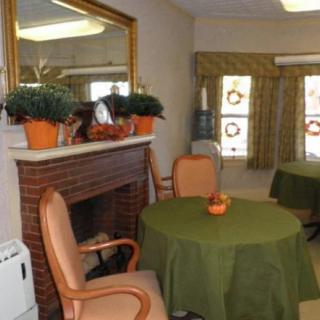
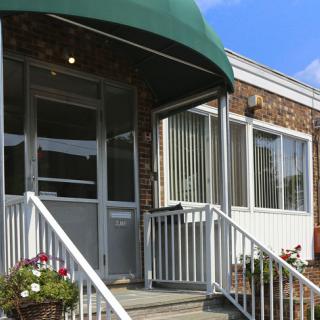
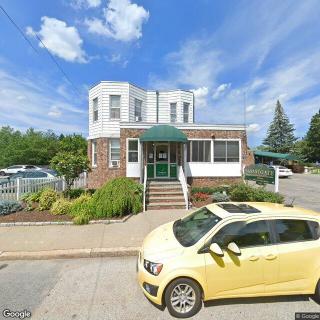
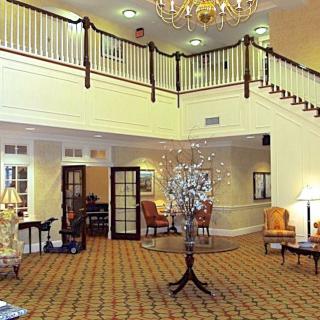
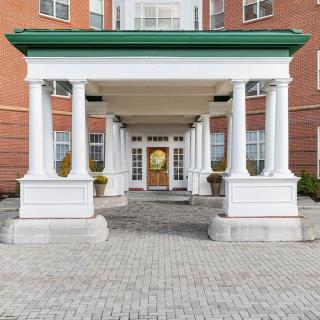
 - The facility is immaculate with spacious, beautiful rooms.
- In-house providers and the PT/OT/Speech and Nutrition teams are outstanding.
- The food is delicious and well-prepared.
- The nurses and CNAs are attentive, caring, and quick to respond to concerns.
- The administration genuinely cares about residents and their families.
- The activities department keeps residents connected with loved ones through Zoom/FaceTime during restrictions.
- The overall care is exceptional and often described as going above and beyond.
Cons
 The reviewers describe Linn as the worst nursing home, with incompetent staff who do not value the lives of the elderly and provide care that was inadequate and contributed to a death.
- A two-week respite stay allegedly left an 89-year-old with bedsores, severe dehydration, sepsis, and kidney failure, resulting in ICU care and near death, with the hospital citing severe elder neglect by Linn.
- They warn others to stay far away, claiming residents with dementia are not cared for properly.
- It is alleged that residents were left in chairs without access to water or adequate meals, leading to dehydration and potentially fatal infections.
- There is a pattern of poor communication with families, including lying about contacting doctors, incorrect medications, and release papers not being prepared in time.
- A long-time resident was evicted without family input or assistance during the transition to another facility.
Review
Best suited for families prioritizing strong rehab outcomes in a smaller, personable setting, Linn Health and Rehabilitation is a practical fit for residents who respond well to highly engaged therapy teams (PT/OT/Speech) and to staff who know them by name. The community shines when recovery targets are clear and the care plan is tightly coordinated by in-house providers, social work, and administration that visibly cares about residents and their families. It is especially well-suited for short-term rehabilitation that aims to restore mobility and independence, with a caretaking tone that feels intimate rather than institutional. Those who require very high-acuity medical monitoring or extensive dementia-specific programming should consider alternatives, as several reviews flag serious concerns that could escalate without vigilant oversight.
On the plus side, food quality and staffing emerge as consistent strengths. Reviewers repeatedly praise meals as tasty and satisfying, and the caregiving team, nurses, CNAs, and therapy staff, receives broad commendation for attentiveness, compassion, and practical support. The in-house rehab suite is highlighted as a standout, with therapists who treat residents like family and push meaningful progress. Administration is described as genuinely values-indicated, accessible, and oriented toward families’ needs. The facility’s smaller, home-like environment also helps staff establish relationships, which translates into more personalized care plans and smoother coordination of services when discharge planning or home care options are involved.
Yet the strong consensus is tempered by serious, recurring cautions. A notable subset of reviews portrays Linn as underperforming in core nursing responsibilities, with allegations of neglect, dehydration, bedsores, and slow or inconsistent responses to concerns. Some families recount abrupt or insufficient communication, including arrests of medical issues or medication missteps, and even eviction of long-term residents in certain scenarios. These concerns are not isolated anecdotes; they appear across several accounts, creating a real sense of risk for residents who rely on steady, vigilant care. The contrast between the overwhelmingly positive therapy and dining experiences and the troubling nursing and communication criticisms makes the facility a place of potential contrasts: excellent rehab and daily life support on one hand, and fragile medical oversight on the other.
Given the weight of the pros against the cons, Linn can offset many of its drawbacks, but only under the right conditions. When a resident’s care needs are primarily restorative and the family or a trusted advocate maintains active involvement, checking in frequently, reviewing care plans, and ensuring timely follow-through on physician orders, the positives tend to predominate: robust rehabilitation gains, good nutrition, and a staff that feels personally invested in each resident’s well-being. However, for residents with complex medical needs, high risk for complications, or dementia requiring very careful, consistent supervision, the risk of suboptimal nursing care and communication gaps becomes harder to absorb. In such cases, the decision hinges on the ability to secure reliable oversight, clear escalation paths, and ongoing, transparent updates from the facility.
Practical steps can help families decide confidently. Prior to admission, request a full tour with multiple shifts on site to gauge consistency in care; ask for direct contact with the head of nursing and the therapy team to understand how care plans are implemented daily. Inquire about staff-to-resident ratios, turnover, and the process for promptly addressing family concerns, including how discharge planning is coordinated with external providers. Seek current care plans that specify PT/OT/Speech schedules, nutrition oversight, and social work involvement, and verify how weight, hydration, and wound care are monitored. If choosing Linn, establish a proactive communication routine: designate primary points of contact, set expectations for daily updates, and insist on a documented escalation protocol for any medical or safety issue.
The bottom-line judgment is practical and pointed. Linn Health and Rehabilitation is a strong choice for families seeking an active rehabilitation environment in a smaller community where therapy, meals, and day-to-day attentiveness shine. It becomes a compelling option when family oversight is feasible and care plans are meticulously managed, with clear channels to address any concerns. However, for loved ones whose safety hinges on consistently flawless nursing care, or for residents with advanced dementia demanding rigorous, round-the-clock monitoring, alternatives may be more prudent unless rigorous safeguards and a transparent, responsive administration are firmly in place. The right decision hinges on balancing rehab momentum and social warmth against the real risk signals reported by some families.
 84 resident community capacity
 Skilled Nursing Facility
 Air-conditioning
 Beauty salon
 Cable or satellite TV
 Computer center
 Dining room
 Fitness room
 Fully furnished
 Gaming room
 Garden
 Housekeeping services
 Kitchenette
 Move-in coordination
 Outdoor space
 Private bathrooms
 Restaurant-style dining
 Small library
 Telephone
 Wellness center
 Wi-Fi/high-speed internet available
 Theodore F Green State (8 miles away)
 Community operated transportation
 12-16 hour nursing
 24-hour call system
 Activities of daily living assistance
 Assistance with bathing
 Assistance with dressing
 Assistance with transfers
 Diabetes diet
 Medication management
 Mental wellness program
 Special dietary restrictions
 Concierge services
 Planned day trips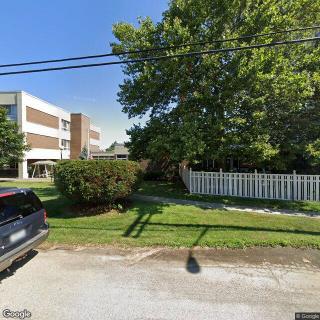


 Skilled Nursing Facilities vs. Nursing Homes: Making Sense of the Differences
 A Detailed Examination of Nursing Home Costs Across the U.S.
 Exploring Nonmedical Home Care: Understanding Services, Costs, and Financial Approaches