
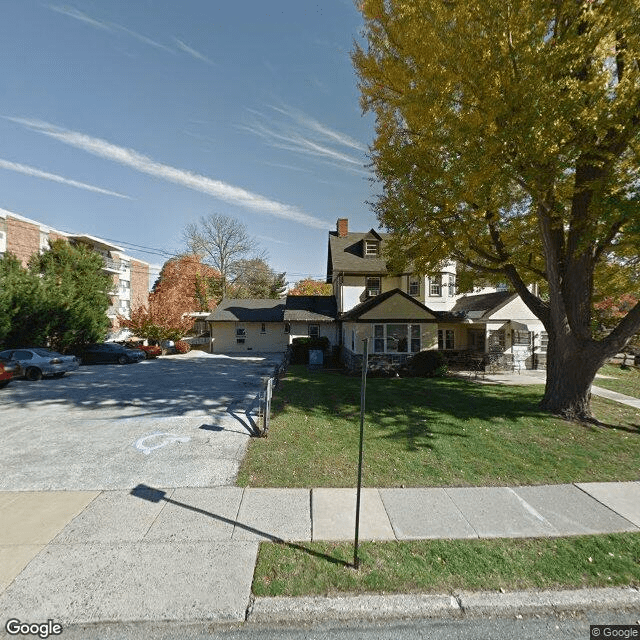
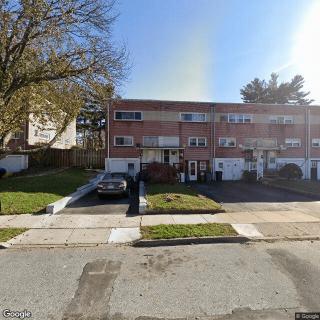
105 Morton Ave, Ridley Park, PA 19078
To contact a resident: (610) 521-1331
For more information about senior living options: (866) 208-4318
Overall Review of Conner-Williams Nursing Home
Pros
 The staff is awesome.
- The staff is very friendly and always helpful, and residents receive excellent care.
- The facility is small but has a homelike atmosphere, and the resident is very happy and well cared for.
- The staff is very attentive and takes good care of residents.
- The facility is one of the best in the area, with wonderful care and strong recommendations from families.
Cons
 The facility was dirty and in need of updates.
- The floors were so dirty that feet stuck to them.
- It used to be a great place, but not anymore.
- The facility did not seem suitable for a family member.
- The general atmosphere is creepy.
- The facility is very small.
- The rooms were shabby, with residents left in them and no aides or nurses in sight.
- The facility is a total disgrace.
Review
Conner-Williams Nursing Home in Ridley Park, PA is best suited for families seeking an intimate, staff-driven environment where personalized attention and a homelike atmosphere outweigh the appeal of modern, hospital-like amenities. This community tends to appeal to those who value a small-scale setting in which caregivers can know residents well and provide steady, familiar interaction. It is not the right choice for families prioritizing pristine interiors, expansive common areas, or a glossy, new-build feel. With reviews spanning praise for attentive care to sharp concerns about cleanliness and ambiance, the decision should rest on what the resident prioritizes in daily life and safety.
The strongest and most consistent positives revolve around the caregiving team. Multiple families point to staff as a core strength: they are described as attentive, friendly, and knowledgeable, with caregivers who actually perform their duties and look after residents’ needs. In at least one long-term placement, relatives credit the staff with delivering excellent care over years, underscoring reliability and continuity. The facility’s smaller footprint is repeatedly framed as a benefit, fostering closer staff-resident relationships and a “home-like” feel that many families associate with peace of mind. Activities such as in-house movies and informal gatherings reinforce a sense of community that some families value highly.
Another clear pro is the facility’s small size and the resulting homelike atmosphere. For residents who thrive on familiarity and lower-stress surroundings, Conner-Williams can feel more individualized than larger campuses. Families describe a setting where staff are accessible and residents can be seen as people, not numbers. The contrast with larger, more institutional facilities is meaningful for those who want less of a clinical cadence and more opportunities for personal interaction. In this light, the small-lounge, gathering-area vibe can support social connection and a sense of belonging, which often translates into perceived quality of daily life for loved ones.
Yet the positives collide with notable drawbacks that cannot be ignored. Cleanliness and upkeep emerge as recurring concerns. One visitor found the floors dirty to the point of sticking to feet, signaling a foundational issue with housekeeping or maintenance. Other reviews describe rooms and spaces that feel shabby or outdated, suggesting that updates and modernization have not kept pace with expectations for comfort and dignity. A handful of accounts characterize the overall atmosphere as stale or even unnerving, with comments about cramped spaces and a lobby-like impression that can feel impersonal in a way that unsettles families visiting loved ones, particularly those dealing with memory care needs. Such perceptions are not trivial; they color judgments about safety, pride of place, and the staff’s ability to keep environments clean and dignified.
The mixed-to-negative feedback creates a clear decision fork: the pros offset the cons for a subset of residents, those who place priority on dedicated caregivers, a tight-knit, home-like environment, and the interpersonal continuity that comes with a smaller facility. For others, especially families who insist on immaculate spaces, well-lit common areas, robust clinical visibility, and a vibe that feels more contemporary or uplifting, the cons may outweigh the benefits. Prospective families should actively verify current conditions: how consistently rooms are cleaned, whether maintenance is promptly addressed, and what staffing ratios look like across shifts. A direct conversation with the administrator about housekeeping schedules, staff availability, and the steps taken to refresh common areas can clarify whether the current environment aligns with expectations.
In the end, the decision hinges on resident needs and family expectations. Conner-Williams/Nursing Home is a practical fit for residents who flourish in a small, familiar, caregiver-centered environment and who can tolerate a facility that feels aged and modestly maintained relative to newer campuses. It is less advisable for those who equate quality with pristine interiors, abundant public spaces, and a consistently modern appearance, or for families who require unwavering evidence of abundance of staff and visible supervision at all times. For families leaning toward Conner-Williams, a candid, in-depth tour focused on cleanliness, maintenance responsiveness, and day-to-day staffing rhythms will prove essential; for others, exploring alternative options with demonstrated modern standards and brighter atmospherics may yield greater confidence in daily life and safety.
 Skilled Nursing Facility
 Philadelphia International (4 miles away)





 Caring for Those Who Care: Recognizing, Understanding, and Overcoming Caregiver Burnout
 Caregiver Exhaustion: Recognizing the Signs and Restoring Your Well-Being
 Understanding Hospice Care at Home: Comprehensive Services, Key Benefits, and Eligibility