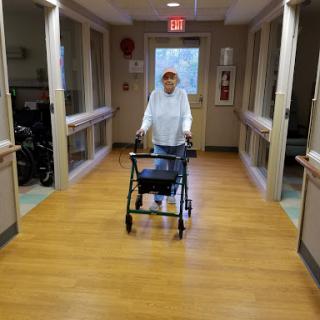
Lifequest Nursing Center in Quakertown, PA

Save

Lifequest Nursing Center in Quakertown, PA

2450 John Fries Highway, Quakertown, PA 18951

For more information about senior living options: (844) 490-3973

3.7 from 89 reviews
5 stars
42
4 stars
14
3 stars
11
2 stars
4
1 stars
18

Skilled Nursing Facility

Overall Review of Lifequest Nursing Center

Pros

  • pro The staff are kind, considerate, compassionate, and professional.
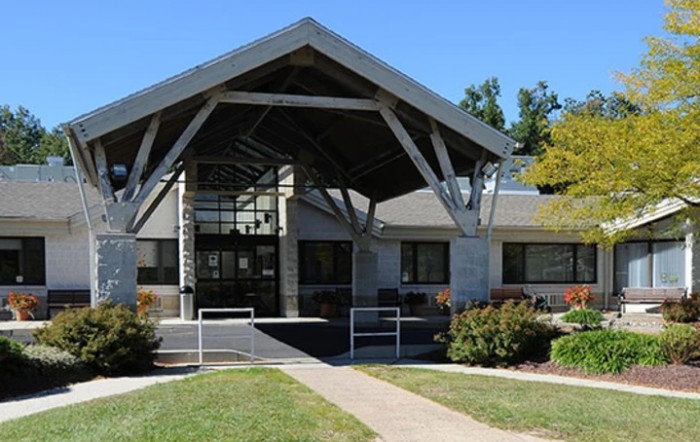
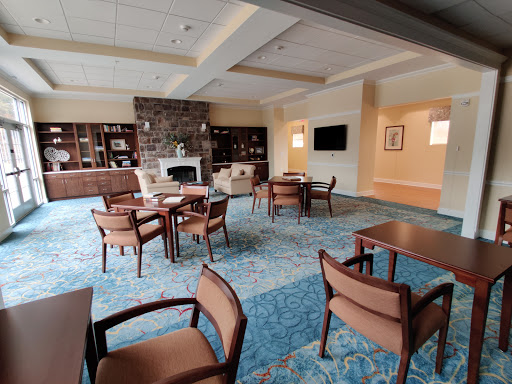
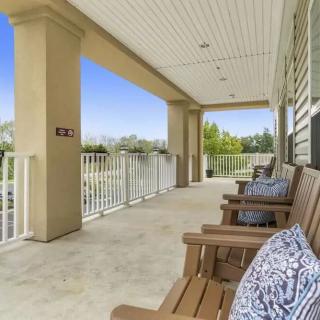
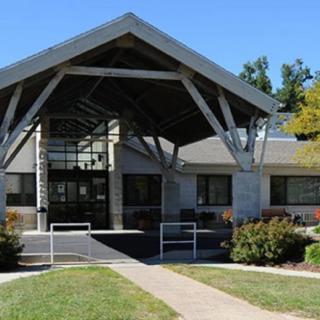
  • pro The facility is beautiful, clean, and well maintained.
  • pro The nursing staff are professional and attentive to residents' needs.
  • pro The facility offers lots of activities, including bingo and singalong, to keep residents engaged.
  • pro The nurse director is awesome and the team is supportive and responsive to families.
  • pro Families feel safe, respected, and cared for by the staff.

Cons

  • pro The staff are miserable, uncaring, and show no empathy or patience.
  • pro They do not follow through with required care and never answer call bells, ignoring urgent updates.
  • pro They ignore requests and are rude at all times, failing to inform families during emergencies.
  • pro The rooms are old and in disrepair, the common areas are cold, and the website photos misrepresent the facility.
  • pro There are unprofessional practices, including HIPAA violations and staff who yell at or mock residents.
  • pro Family communication is severely lacking and residents often do not receive timely therapy or proper nutrition.
  • pro Personal belongings go missing and there are reports of alleged nurse misconduct, with administration dismissive of concerns.
  • pro Care is dangerous and neglectful, leading to infections like UTIs and MRSA, dehydration, falls, and even death.

Review

LifeQuest Nursing Center in Quakertown is best suited for families seeking a rehab-forward transition into long-term care within a clean, well-kept setting, where structured daily activities and attentive moments from staff can bolster recovery and ongoing comfort. This community tends to work well for residents who value a visible, stable facility environment, opportunities for broad programming, and a front-line staff that, in many shifts, can deliver genuine warmth and practical support when needs are moderate rather than high-acuity. For families with clear expectations that care will be consistently proactive, LifeQuest can feel like a solid, balanced choice.

Those who should consider alternatives are families facing high demands for constant, non-stop responsiveness, flawless safety, and complete privacy. If a loved one requires intensive supervision, rapid call-bell responses, meticulous adherence to medical orders, or a consistently respectful and HIPAA-compliant culture, this community may fall short in some shifts or units. Residents with significant behavioral, medical, or nutritional challenges, or those who have experienced prior neglect or communication gaps, may want to explore other options where staffing and oversight are more uniformly tight.

The strongest positives here are a clean, appealing physical plant, accessible common spaces, and a track record of meaningful activity offerings in certain cases. Several families praise the facility's upkeep, the availability of programs (bingo, sing-alongs, bus outings), and staff members who demonstrate competence and kindness, particularly in rehab settings or among long-tenured aides. These attributes create a foundation where rehabilitation and daily social engagement can flourish, and where a resident can feel present and cared for on good days. When these factors align with a resident's needs, LifeQuest can deliver genuine value.

Yet the most serious drawbacks appear in the areas of care execution and daily responsiveness. Across reviews, persistent complaints include call bells that go unanswered, inconsistent communication with families, and reports of rude or disengaged behavior from some staff members. There are troubling accounts of missed or mismanaged medical orders, safety lapses, and episodes that left families doubting whether a resident's dignity and health were consistently protected. Personal belongings going missing, disputes over meals, and allegations of inappropriate conduct add to a perception that accountability and calm, respectful care are not guaranteed every day. These gaps do not merely irritate families; they can alter health trajectories and trust.

Care quality at LifeQuest seems notably divided by unit and by shift. The rehab experience itself is described by some as attentive and effective, with patients moving through therapy and feeling reassured by staff who "step up," while other families recount nights of confusion during transitions, dehydration, or medical oversights after discharge from rehab. The contrast suggests that the environment can be workable and even excellent for certain residents, but the risk of inconsistent care remains nontrivial. In practical terms, a prospective resident should expect variability and plan to be present and vocal as a caregiver advocate, especially during evenings and weekends when staffing can shift.

From a decision-making perspective, the prudent path is to visit with a targeted checklist and demand transparency. Prospective families should inquire about exact nurse-to-resident ratios by shift, typical call-bell response times, and the process for updating families after medical events. Ask to meet the rehabilitation team and to review a recent care plan and incident log. Observe mealtime service, ask about menu accommodations, and verify how personal belongings are tracked and safeguarded. Request references from current residents or family members who share similarities in care needs, and press for details on any recent corrective actions or staff training that address past concerns.

If choosing LifeQuest, approach the placement with a proactive partnership: designate a family liaison who can monitor daily care, establish agreed-upon communication cadences, and insist on timely follow-through on doctor's orders. Be prepared to reassess quickly if call-bell responsiveness or safety concerns reemerge, and have a backup plan for alternative facilities should needs intensify. For families prioritizing a high-quality rehab pathway within a clean, pleasant environment and who can tolerate occasional service gaps with an eye toward improvement, LifeQuest offers tangible strengths. For others, especially those who cannot compromise on consistent, compassionate care and unambiguous safety, exploring other options is the wiser course.

Features

Housing

  • 140 resident community capacity 140 resident community capacity

Types of Care

  • Skilled Nursing Facility Skilled Nursing FacilitySkilled Nursing Facilities are crucial for seniors as they provide round-the-clock medical care, rehabilitation services, and assistance with daily activities. These facilities ensure that seniors receive the specialized care they need to maintain their health and well-being as they age.

Amenities

  • Air-conditioning Air-conditioningAir conditioning is important for seniors as they are more vulnerable to heat-related illnesses and may have underlying health conditions that make it difficult for them to regulate their body temperature. It helps to keep them comfortable, safe, and healthy in hot weather.
  • Beauty salon Beauty salonBeauty salons are important for seniors because they provide a space for them to feel pampered, socialize, and maintain their personal grooming and hygiene. Regular visits to a beauty salon can help boost seniors' self-esteem and overall well-being.
  • Cable or satellite TV Cable or satellite TVCable or satellite TV is important for seniors because it provides entertainment, news, and companionship, helping to combat loneliness and boredom. It also offers a wide range of programming options tailored to different interests and preferences.
  • Computer center Computer centerA computer center is essential for seniors as it provides access to technology, communication tools, and resources that can enhance their daily lives. It allows them to stay connected with loved ones, engage in online activities, and learn new skills, ultimately promoting socialization and mental stimulation.
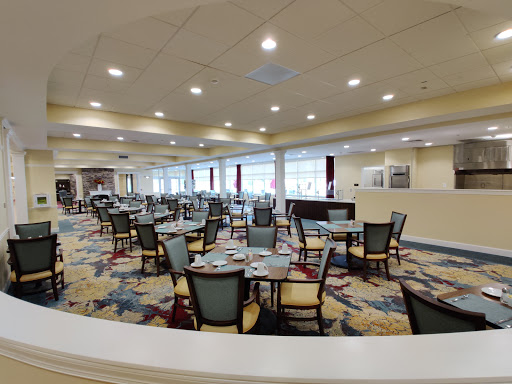
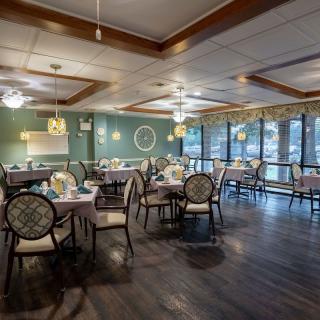
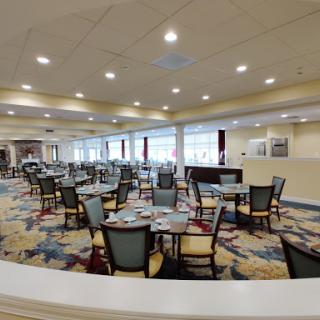
  • Dining room Dining roomDining rooms are important for seniors as they provide a space for socialization, connection, and nutritious meals. They offer opportunities for residents to bond over shared meals, foster a sense of community, and promote healthy eating habits. Dining rooms also ensure that seniors have access to well-balanced meals tailored to their dietary needs and preferences.
  • Fitness room Fitness roomHaving a fitness room in a senior living community is essential for seniors to stay active, maintain their physical health, and improve their overall well-being. Regular exercise can help prevent falls, reduce the risk of chronic diseases, and promote mental sharpness. It also provides social opportunities for residents to connect with others and enjoy a sense of community.
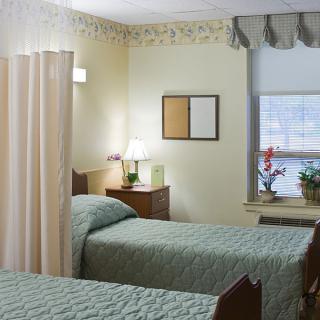
  • Fully furnished Fully furnishedFully furnished senior living communities are important for seniors because they provide convenience, comfort, and a hassle-free moving experience. Seniors can easily settle into their new living space without the stress of having to buy and move furniture. This allows them to focus on enjoying their new home and community.
  • Gaming room Gaming roomGaming rooms are important for seniors as they provide a fun and engaging environment for socializing, cognitive stimulation, and physical activity. Games can improve memory, problem-solving skills, and overall mental well-being while fostering friendships and reducing feelings of isolation.
  • Garden GardenGardens are important for seniors as they provide a peaceful and therapeutic environment for relaxation, physical activity, and socialization. Being in nature has been shown to reduce stress, improve mood, and promote overall well-being. Gardens also offer opportunities for seniors to engage in gardening activities, which can improve mobility, flexibility, and cognitive function. Additionally, gardens create a sense of community and connection with others who share a passion for plants and outdoor spaces.
  • Guasts at mealtime Guasts at mealtime"Guests at mealtime" offer seniors the opportunity for social interaction, companionship, and a sense of community during meals, which can help combat feelings of loneliness and isolation commonly experienced in senior living environments. It can also enhance their overall dining experience and improve their mental and emotional well-being.
  • Housekeeping services Housekeeping servicesHousekeeping services are important for seniors because they help maintain a clean and safe living environment, promote independence, and reduce the risk of accidents or illnesses. Additionally, having assistance with household chores can alleviate physical strain and allow seniors to focus on other aspects of their well-being.
  • Kitchenette KitchenetteKitchenettes are important for seniors living in senior living communities because they provide the convenience and independence of being able to prepare simple meals and snacks in the comfort of their own living space. This can help promote a sense of autonomy and well-being for seniors, allowing them to maintain some level of control over their dietary choices and daily routines.
  • Move-in coordination Move-in coordinationMove-in coordination is important for seniors because it helps ease the transition into their new living environment. It ensures that all logistics, such as packing, organizing movers, and setting up utilities are taken care of, allowing seniors to focus on settling in and adjusting to their new home. Having a smooth move-in process can alleviate stress and anxiety, making the transition smoother and more enjoyable for seniors.
  • Outdoor space Outdoor spaceOutdoor spaces are important for seniors as they provide opportunities for physical activity, social interaction, exposure to natural light and fresh air, and a sense of connection to nature. Having access to outdoor spaces can improve overall well-being and quality of life for older adults living in senior communities.
  • Private bathrooms Private bathroomsPrivate bathrooms are important for seniors in senior living communities because they provide independence, dignity, and comfort. Having a private bathroom allows seniors to maintain their personal hygiene routines without the need for assistance, promoting a sense of autonomy and privacy. Additionally, private bathrooms help prevent the spread of infections and provide a safe and clean environment for seniors to navigate safely.
  • Resident parking Resident parkingResident parking is crucial for seniors in a senior living community as it provides convenience, accessibility, and safety for residents who may have limited mobility or rely on personal vehicles for transportation. Having designated parking spaces ensures that seniors can easily access their homes without having to walk long distances or navigate crowded parking lots, ultimately enhancing their overall quality of life and sense of independence.
  • Restaurant-style dining Restaurant-style diningRestaurant-style dining is important for seniors because it allows them to enjoy delicious, nutritious meals in a social and upscale setting. This enhances their dining experience, promotes healthy eating habits, and fosters socialization with fellow residents, ultimately contributing to their overall well-being and quality of life.
  • Security gate Security gateSecurity gates provide an added layer of protection and peace of mind for seniors living in a community. They help prevent unauthorized entry, deter potential intruders, and create a sense of security for residents. This extra security measure can make seniors feel safe and secure in their living environment.
  • Small library Small librarySmall libraries are important for seniors as they provide access to a variety of reading materials, including books, newspapers, and magazines. This can help stimulate their minds, keep them engaged, and provide a sense of community through book clubs and other social activities. Additionally, reading has been shown to improve cognitive function and overall mental well-being in older adults.
  • Spa SpaSpas are important for seniors because they provide relaxation, stress relief, and therapeutic benefits which can improve their overall well-being and quality of life. Additionally, spa treatments such as massages, hydrotherapy, and aromatherapy can help alleviate common age-related ailments such as arthritis, joint pain, and circulation issues. Seniors deserve to enjoy a pampering experience that promotes physical and emotional wellness.
  • Telephone TelephoneTelephones are important for seniors as they provide a lifeline for communication with loved ones, emergency services, and healthcare providers. They offer a sense of security and independence, enabling seniors to stay connected and access assistance when needed.
  • Wellness center Wellness centerWellness centers are important for seniors because they offer a variety of programs and services that promote physical, mental, and emotional well-being. These centers provide opportunities for exercise, socialization, education, and relaxation, helping seniors maintain their overall health and quality of life.
  • Wi-Fi/high-speed internet available Wi-Fi/high-speed internet availableWi-Fi/high-speed internet is important for seniors to stay connected with loved ones, access online resources, and participate in virtual activities to combat feelings of loneliness and isolation. It also allows them to easily manage healthcare needs, access entertainment, and engage in lifelong learning opportunities.

Transportation

  • Lehigh Valley International (15 miles away) Lehigh Valley International (15 miles away)
  • Community operated transportation Community operated transportationCommunity operated transportation is crucial for seniors as it provides them with the means to access essential services, social activities, and medical appointments. It allows seniors to maintain their independence and quality of life by ensuring they can participate in activities outside of their homes. Additionally, community-operated transportation services offer a safe and reliable way for seniors to travel without having to rely on family or friends for assistance.
  • Transportation arrangement Transportation arrangementTransportation arrangements are crucial for seniors as they may face challenges with driving, mobility, or access to public transportation. Having reliable transportation services ensures that seniors can easily attend appointments, social activities, and maintain their independence and quality of life.
  • Transportation arrangement (non-medical) Transportation arrangement (non-medical)Transportation arrangements are essential for seniors as they provide access to essential services, activities, and social interactions outside the home. This service helps maintain independence, mobility, and overall well-being for seniors who may have limited transportation options.
  • Transportation to doctors appointments Transportation to doctors appointmentsTransportation to doctors appointments is crucial for seniors as it ensures they have access to necessary medical care and support, promoting their health and well-being. It allows them to receive timely treatment, monitor existing conditions, and address any new health concerns efficiently. Additionally, transportation services can help seniors maintain their independence and quality of life by enabling them to stay connected with their healthcare providers.

Care Services

  • 12-16 hour nursing 12-16 hour nursing12-16 hour nursing care is crucial for seniors in order to ensure around-the-clock monitoring, timely medication administration, and prompt response to any health concerns or emergencies. This level of care helps to promote the overall well-being and safety of seniors living in senior living communities.
  • 24-hour call system 24-hour call system24-hour call systems are important for seniors because they provide peace of mind and immediate assistance in case of emergencies. This technology ensures that help is always available, promoting safety and security for elderly individuals living alone or in assisted living facilities.
  • 24-hour supervision 24-hour supervision24-hour supervision is important for seniors to ensure their safety, well-being, and access to immediate assistance in case of emergencies or health issues. This constant support provides peace of mind for both seniors and their loved ones, allowing them to age in place with dignity and security.
  • Activities of daily living assistance Activities of daily living assistanceActivities of daily living assistance are important for seniors because they provide essential support with tasks such as eating, bathing, dressing, and mobility. This assistance helps seniors maintain their independence, dignity, and overall quality of life as they age.
  • Assistance with bathing Assistance with bathingAssistance with bathing is crucial for seniors as it helps maintain personal hygiene, prevents infections, and ensures their overall well-being and comfort. It also provides a sense of dignity and independence for seniors who may struggle with this task on their own.
  • Assistance with dressing Assistance with dressingAssistance with dressing is important for seniors because it helps maintain their independence, promotes personal hygiene, prevents accidents and injuries, and improves overall quality of life. This service ensures that seniors can continue to dress comfortably and confidently, despite any physical limitations they may have.
  • Assistance with transfers Assistance with transfersAssistance with transfers is crucial for seniors as it helps prevent falls and injuries, maintains their independence, and ensures they can safely navigate their living environment. It also provides peace of mind for both seniors and their loved ones.
  • Diabetes diet Diabetes dietA diabetes diet is crucial for seniors as it helps manage blood sugar levels, reduce risks of complications, and improve overall health and well-being. By following a balanced and nutritious diet tailored to their specific needs, seniors can better control their diabetes and enhance their quality of life.
  • Meal preparation and service Meal preparation and serviceMeal preparation and service are crucial for seniors as they may have limited mobility or energy to cook nutritious meals. Having access to healthy and convenient food options can ensure they are getting the proper nutrition needed to maintain their overall health and well-being.
  • Medication management Medication managementMedication management is crucial for seniors to ensure they are taking the right medications at the correct dosages and times. This helps prevent adverse drug interactions, reduces the risk of medication errors, and promotes overall health and well-being. Proactive management also allows for adjustments as needed based on changing health conditions or new prescriptions.
  • Mental wellness program Mental wellness programMental wellness programs are essential for seniors as they promote cognitive stimulation, emotional support, and social engagement. These programs help prevent isolation, depression, and cognitive decline, ultimately enhancing the overall quality of life for older adults.
  • Special dietary restrictions Special dietary restrictionsSpecial dietary restrictions are important for seniors because age-related changes in metabolism and health conditions can make it difficult for their bodies to process certain foods. By following a diet tailored to their specific needs, seniors can maintain their overall health and well-being, manage chronic conditions, and reduce the risk of complications such as malnutrition or food interactions with medications.

Dining

  • Diabetes diet Diabetes dietA diabetes diet is crucial for seniors as it helps manage blood sugar levels, reduce risks of complications, and improve overall health and well-being. By following a balanced and nutritious diet tailored to their specific needs, seniors can better control their diabetes and enhance their quality of life.
  • Special dietary restrictions Special dietary restrictionsSpecial dietary restrictions are important for seniors because age-related changes in metabolism and health conditions can make it difficult for their bodies to process certain foods. By following a diet tailored to their specific needs, seniors can maintain their overall health and well-being, manage chronic conditions, and reduce the risk of complications such as malnutrition or food interactions with medications.

Activities

  • Community-sponsored activities Community-sponsored activitiesCommunity-sponsored activities are important for seniors as they provide opportunities for social interaction, mental stimulation, and physical activity. These activities can help improve overall well-being, combat loneliness and isolation, and promote a sense of belonging and purpose among older adults.
  • Concierge services Concierge servicesConcierge services are essential for seniors as they provide assistance with daily tasks and errands, enhance their quality of life by offering convenience and personalized care, and promote a sense of safety and security.
  • Fitness programs Fitness programsFitness programs are crucial for seniors as they help improve strength, flexibility, balance, and overall well-being. Staying active can reduce the risk of chronic diseases, improve mental health, and enhance quality of life in older adults.
  • Planned day trips Planned day tripsPlanned day trips are important for seniors because they offer opportunities for socialization, mental stimulation, and physical activity. They provide a change of scenery and help seniors stay engaged and connected to their community, promoting overall well-being and quality of life.
  • Resident-run activities Resident-run activitiesResident-run activities are important for seniors as they encourage social interaction, creativity, and a sense of autonomy. These activities empower seniors to stay engaged and active in their community while fostering meaningful connections with their peers.
  • Scheduled daily activities Scheduled daily activitiesScheduled daily activities are important for seniors because they provide structure, socialization, mental stimulation, and physical activity. Engaging in regular activities can improve overall well-being and quality of life for seniors living in a community setting.

Languages Spoken

  • English EnglishEnglish is important for seniors as it allows them to communicate effectively with healthcare providers, understand important information related to their health and medications, stay connected with loved ones, and engage in social activities within their communities. It also opens up opportunities for lifelong learning and intellectual stimulation.

Description

Lifequest Nursing Center in Quakertown, PA is an exceptional assisted living community that offers a wide range of amenities and care services to ensure the comfort and well-being of its residents. With a focus on providing a vibrant and enriching lifestyle, residents will find everything they need to live life to the fullest.

The community boasts an array of amenities designed to cater to both relaxation and recreation. Residents can indulge in beauty treatments at the onsite salon or enjoy their favorite shows with cable or satellite TV in their fully furnished apartments. The computer center allows residents to stay connected with loved ones, while the gaming room provides entertainment and socialization opportunities. Outdoor enthusiasts can take advantage of the beautiful garden and outdoor space for fresh air and relaxation. The spa offers a chance for pampering and rejuvenation, while the wellness center ensures that residents can maintain an active and healthy lifestyle. Wi-Fi/high-speed internet is available throughout the community for convenience.

Care services at Lifequest Nursing Center are comprehensive and personalized to meet each resident's unique needs. With 24-hour call systems and supervision, residents can have peace of mind knowing that assistance is always readily available. Trained staff provide assistance with activities of daily living such as bathing, dressing, and transfers, ensuring that residents are safe and comfortable at all times. Medication management is provided to ensure proper administration, while a mental wellness program promotes emotional well-being.

Dining at Lifequest Nursing Center is a delightful experience with restaurant-style dining where each meal is thoughtfully prepared by professional chefs. Special dietary restrictions are accommodated to ensure that every resident's nutritional needs are met.

Engaging in meaningful activities is encouraged at Lifequest Nursing Center through concierge services that provide personalized assistance with planning day trips or accessing local amenities. Fitness programs cater to physical well-being, while scheduled daily activities offer opportunities for socialization and personal growth. Resident-run activities empower individuals to lead fulfilling lives within the community.

Located in Quakertown, PA, Lifequest Nursing Center enjoys close proximity to various amenities and services. Cafes, pharmacies, physicians, restaurants, and hospitals are conveniently located nearby for residents' convenience.

Lifequest Nursing Center is a warm and welcoming assisted living community that provides exceptional care and a vibrant lifestyle for its residents. With a multitude of amenities, personalized care services, and a variety of engaging activities, this community ensures that each resident can enjoy the best possible quality of life.

Nearby Places of Interest

Hospitals

  • St Luke's Upper Bucks Campus (0.5 miles)
  • Life Care Holdings (10.3 miles)
  • Lehigh Valley Hospital - Mother/Baby Unit (11.1 miles)
  • Singh Sandeep MD - Good Shepherd Rehab Hospital (11.1 miles)
  • LVH Pediatric Unit (11.1 miles)
  • Open Heart Unit (11.1 miles)
  • Lehigh Valley Hospital (11.1 miles)

Restaurants

  • Chick-Fil-A (1.4 miles)
  • McDonald's (1.8 miles)
  • Copperhead Grille (6.4 miles)
  • The Perk (7.7 miles)
  • Torre Restaurant (8 miles)
  • Kome Fine Japanese Cuisine (8.1 miles)
  • McDonald's (8.8 miles)

Physicians

  • Grand View Medical Practices (1.4 miles)
  • St Luke's Heart & Vascular Center (1.6 miles)
  • St Luke's Bone And Joint Center (1.6 miles)
  • Woodlands Healing Research Center (5.7 miles)
  • Bux Mont Gastroenterology (6 miles)
  • Alpha Dermatology (6.6 miles)
  • Stoneridge OBGYN (6.6 miles)

Pharmacies

  • Small Town Pharmacy (1.5 miles)
  • Medicine Shoppe Pharmacy (1.7 miles)
  • Professional Pharmacy of Pennsburg/Red Hill (6.8 miles)
  • CVS Pharmacy (6.9 miles)
  • CVS Pharmacy (7.2 miles)
  • CVS Pharmacy (8.4 miles)
  • Giant Pharmacy (8.5 miles)

Cafes

  • The Inside Scoop (4.8 miles)
  • Starbucks (8.5 miles)
  • Starbucks (9.5 miles)
  • Saxbys Coffee (11.4 miles)

Theaters

  • AMC Center Valley 16 (8.1 miles)

Places of Worship

  • Luthern Home (8.1 miles)
  • St Thomas More Catholic Church (11.3 miles)
  • Christ Lutheran Church (11.8 miles)
  • Bethany United Methodist Church (11.9 miles)

Parks

  • Green Lane Park (8.7 miles)
  • Macungie Memorial Park (10 miles)
  • Upper Salford Park (12 miles)

Frequently Asked Questions

Where is Lifequest Nursing Center?
What photos are available for Lifequest Nursing Center in Quakertown, Pennsylvania?

Nearby Communities

  • Independence Court of Quakertown

    Independence Court of Quakertown

    Quakertown, PA

    4.1 from 64 reviews
    $2,945 to $6,578 / month

    pro Well-maintained, welcoming atmosphere with professional staff and varied activities.

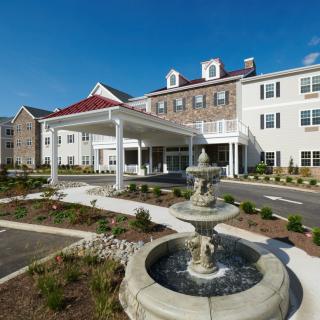
  • Belle Haven Healthcare And Rehabilitation Cen

    Belle Haven Healthcare And Rehabilitation Cen

    Quakertown, PA


    pro Luxurious living with on-site amenities and 24/7 care.

  • The Village at LifeQuest

    The Village at LifeQuest

    Quakertown, PA

    3.4 from 13 reviews
    $4,278 to $6,665 / month

    pro Brand-new facility with modern design, attentive staff, and engaging resident activities.

  • Quakertown Center

    Quakertown Center

    Quakertown, PA

    3.9 from 64 reviews
     

    pro Pleasant, dedicated staff in a renovated, clean facility with open, spacious common areas.

  • Pathways

    Pathways

    Quakertown, PA

    4.8 from 4 reviews
    $3,300 to $4,500 / month

    pro Competitive pricing relative to local county and state averages.

  • Quakertown House

    Quakertown House

    Quakertown, PA

    4.4 from 5 reviews
    $2,500 to $3,200 / month

    pro Competitive pricing with extensive amenities and 24-hour care.

  • Renaissance at Morgan Creek

    Renaissance at Morgan Creek

    Quakertown, PA

    4.6 from 10 reviews
     

    pro Friendly, close-knit community with active clubhouse and well-maintained amenities.

  • Meadow Glen At Phoebe Richland

    Meadow Glen At Phoebe Richland

    Richlandtown, PA

    4.3 from 101 reviews
     

    pro Attentive staff in a clean, welcoming community with engaging activities and dining.

  • Hidden Meadows on the Ridge

    Hidden Meadows on the Ridge

    Sellersville, PA

    4.6 from 134 reviews
    $2,500 to $4,000 / month

    pro Caring, responsive staff; clean facility with engaging activities and affordable pricing.

Related Resources

  • uti in elderlyUrinary Tract Infections in Older Adults: Comprehensive Insights on Symptoms, Treatment, and Prevention

    Older adults with urinary tract infections (UTIs) often present atypical symptoms, complicating diagnosis due to factors like incomplete bladder emptying and chronic health conditions that increase their susceptibility. Effective management involves prompt treatment with antibiotics, hydration, and preventive strategies while minimizing antibiotic resistance and focusing on holistic care approaches.

  • 602 formCalifornia's Form 602A: An In-Depth Examination of Senior Care Assessment

    California's Form 602A is a vital tool for evaluating the health needs of seniors seeking residential care, detailing their medical conditions and daily living requirements to ensure proper service alignment. This standardized form enhances communication among physicians, families, and facilities, serving as a regulatory measure for admissions and ongoing care while adapting to changing healthcare practices.

  • elderly blood pressure chartComprehensive Look at Senior Blood Pressure Charts: Normal and Elevated Levels by Age
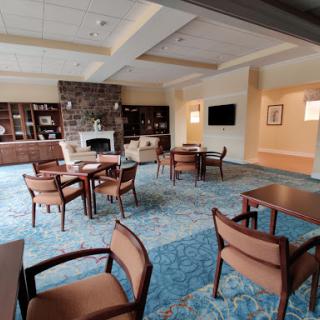
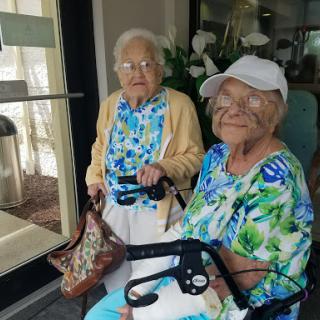
    The overview of blood pressure management for seniors emphasizes the importance of monitoring and interpreting blood pressure readings, noting that normal ranges can vary due to age-related factors and individual health conditions. It highlights tailored guidelines for systolic and diastolic levels, the necessity of early detection and consistent management to prevent serious health complications, and advocates for personalized care strategies that incorporate lifestyle changes and medication adherence.