Quakertown Center

Save

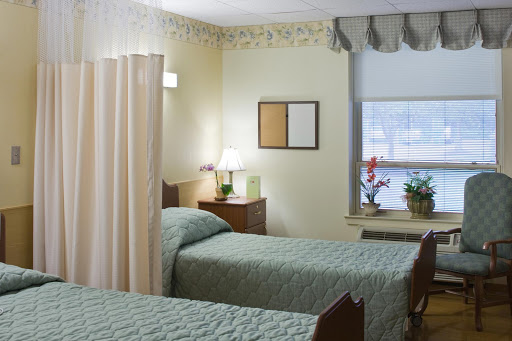
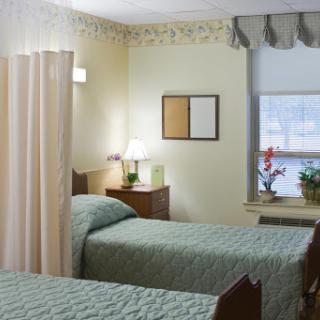
  • Interior

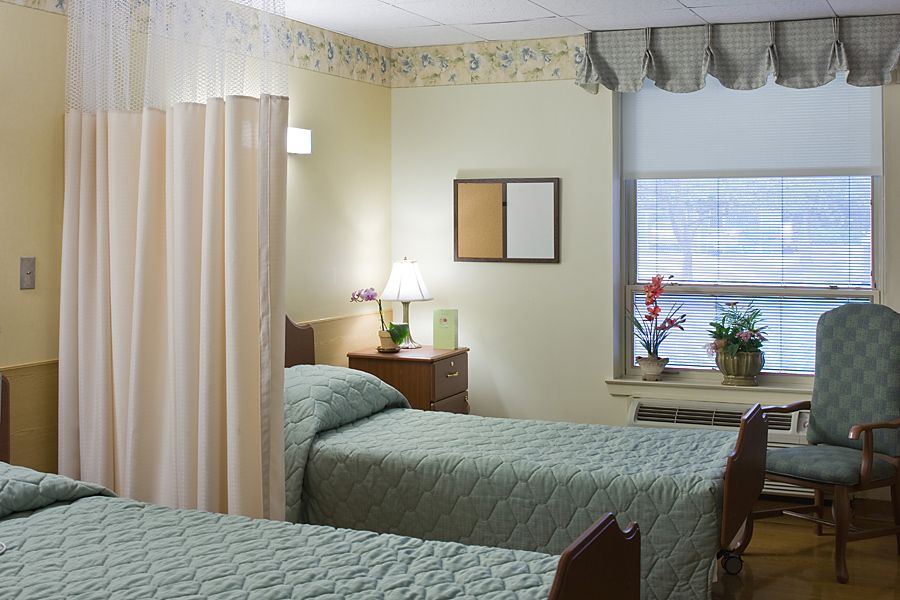
    A hospital room with two beds, a curtain divider, and a window.
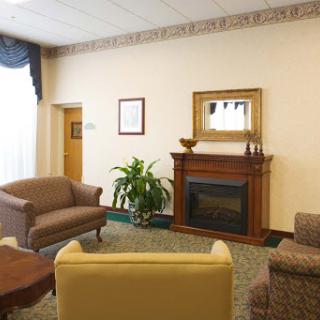
  • Decor

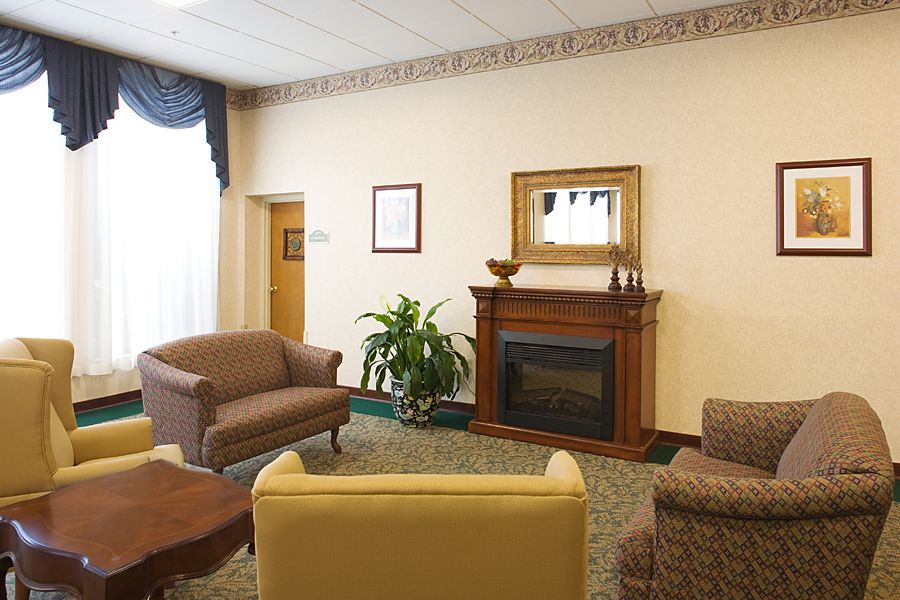
    A cozy living room featuring comfortable seating, a wooden fireplace, and decorative elements.
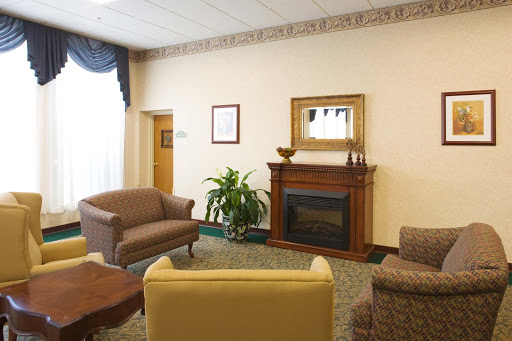
  • Living Room

    A cozy living room with comfortable seating and a classic fireplace.
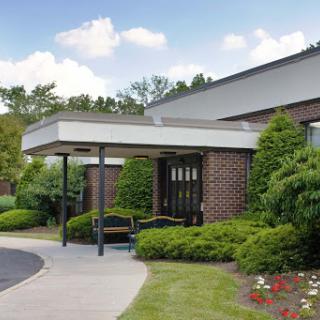
  • Building

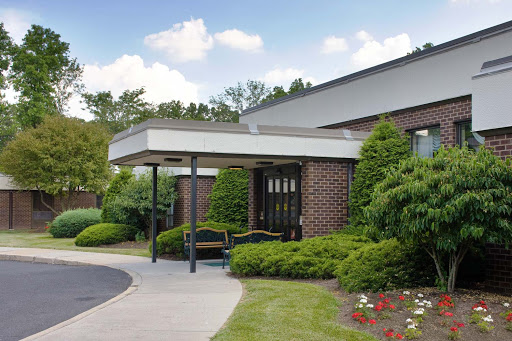
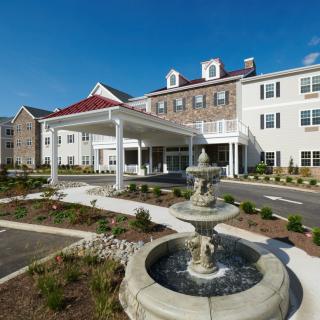
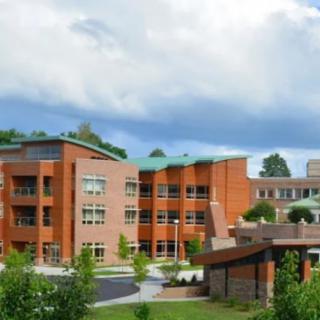
    A welcoming entrance to a modern building surrounded by lush greenery.
  • Bedroom

    A well-lit hospital room with two beds, featuring a cozy atmosphere and decorative elements.
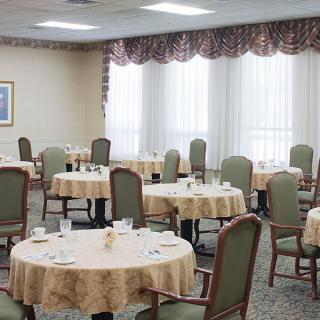
  • Windows

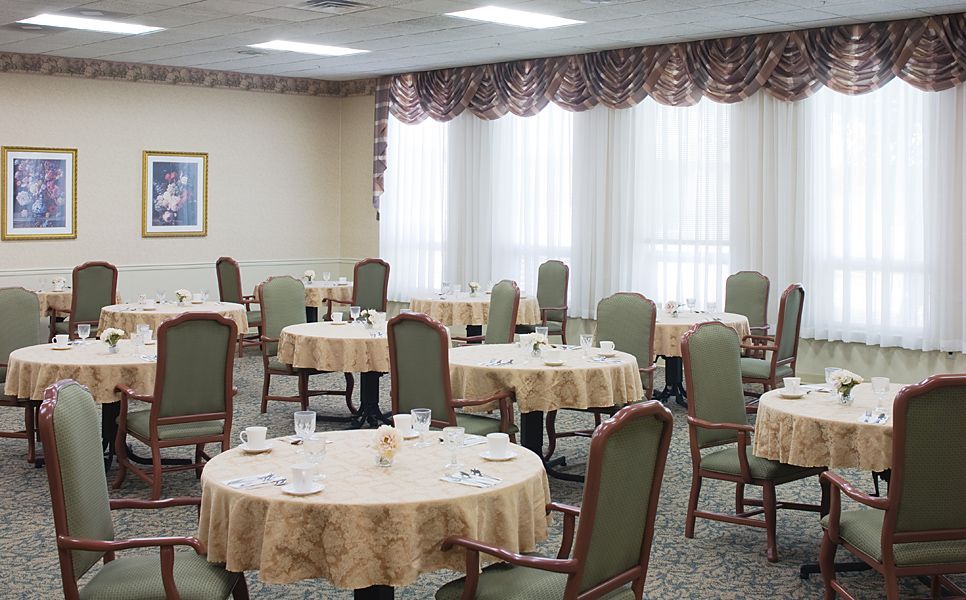
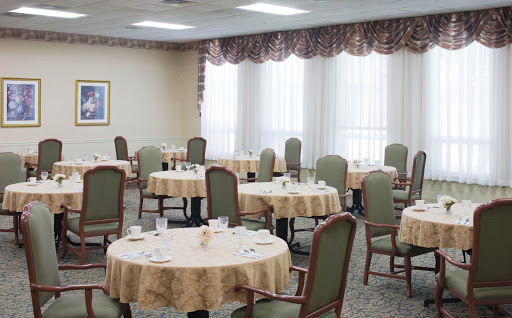
    An empty dining room with round tables and chairs arranged neatly, featuring large windows covered with curtains.
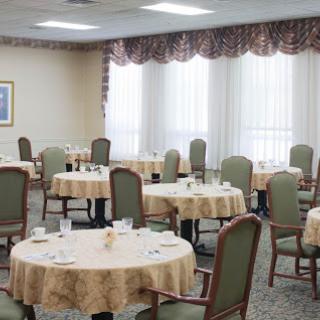
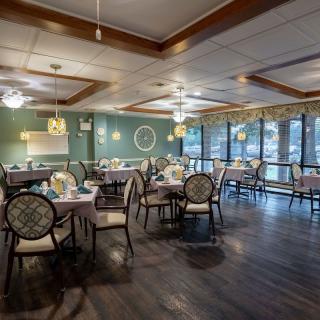
  • Dining

    A spacious dining room set for guests, featuring neatly arranged tables and comfortable chairs.
  • Outdoor

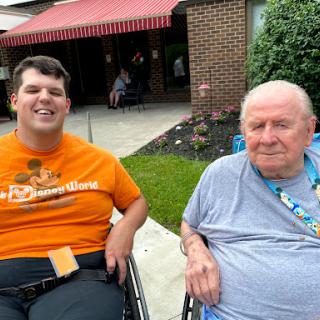
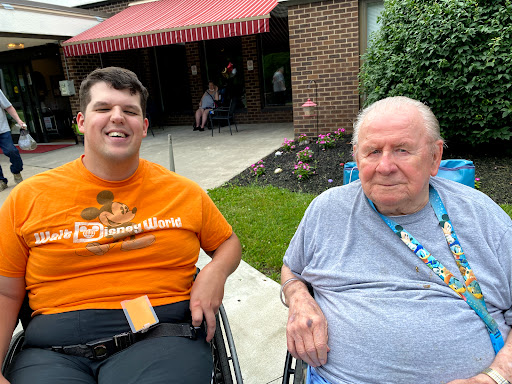
    Two individuals enjoying a sunny day outdoors, both smiling and seated in wheelchairs.
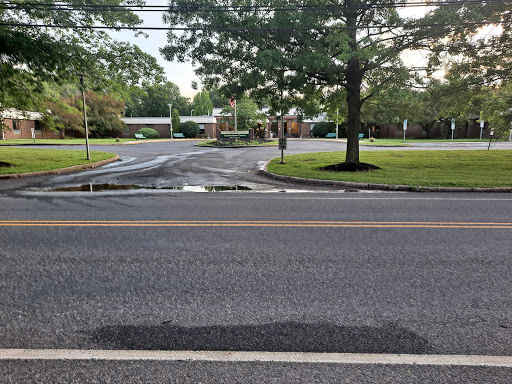
  • Grass

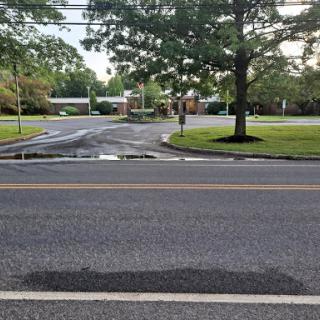
    A quiet road with a puddle and a tree-lined neighborhood in the background.
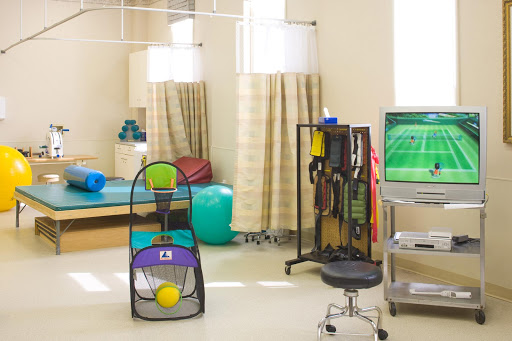
  • Exercise Equipment

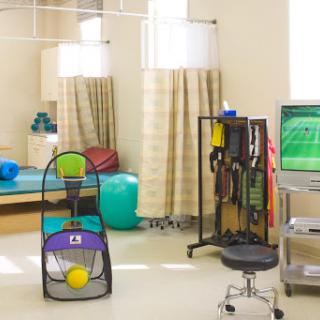
    A therapy room equipped with various exercise and rehabilitation tools, including colorful balls and a monitor for treatment guidance.

Quakertown Center

1020 South Main Street, Quakertown, PA 18951

For more information about senior living options: (844) 490-3973

3.9 from 64 reviews
5 stars
38
4 stars
8
3 stars
3
2 stars
2
1 stars
13

Skilled Nursing Facility

Overall Review of Quakertown Center

Pros

  • pro The caregivers and nurses are very nice and attentive.
  • pro The staff at Quakertown Center are amazing and give their full attention to family and residents.
  • pro The day and night nurses are wonderful, with excellent skill in wound care and teaching self-care.
  • pro The staff are friendly, knowledgeable, caring, and go out of their way to help.
  • pro The facility is consistently clean and the atmosphere is welcoming and warm.
  • pro Residents are treated with dignity and respect by the staff.
  • pro Families feel grateful and reassured that their loved ones are in good hands.
  • pro The therapy team is dedicated and effective, contributing to successful recoveries.
  • pro The activity director and staff ensure residents are included, engaged, and well cared for.
  • pro Administration, reception, and nursing staff are kind, helpful, and communicative.

Cons

  • pro The reviewer describes the facility as a dump.
  • pro The facility smelled like human feces.
  • pro It was poorly maintained and not a pleasant environment.
  • pro It looked like a prison.
  • pro The pricing was insane and the operation appeared greedy.
  • pro Some staff members were rude, lazy, and incompetent.
  • pro There was no fresh water and a urine smell.
  • pro Residents were not given enough water and the rooms were dusty with spider infestations.
  • pro Billing was messed up, including charges after a resident had died.
  • pro Showers were infrequent, leading to bed sores and poor wound care.
  • pro The facility was severely understaffed, especially on late shifts, and could not respond promptly in emergencies.
  • pro There were long delays in pain medication and difficulty locating staff.

Review

Quakertown Center is best suited for families seeking a hands-on, warmly staffed environment where daily care is delivered with empathy and clear family communication. The community excels for residents needing short-term rehab, wound care, or long-term skilled nursing with an emphasis on dignity and personal attention. Families that value readily accessible caregivers, attentive nurses, and a supportive therapy team will find reassurance here. Those who require near-constant, hospital-level cleanliness or who must navigate potentially rising costs with tight budgets may want to consider alternatives. In practical terms, it serves engaged families who want visible staff involvement and a compassionate, person-centered approach.

On the positive side, staff dedication stands out. Reviews repeatedly praise the nurses, aides, social services, and billing personnel for their competence and compassion. Families report that caregivers treat loved ones with dignity, respond quickly to discomfort, and keep residents safe and engaged. The rehab and therapy teams are highlighted as capable partners in recovery, with residents often showing progress under attentive instruction. The building's recent renovations and open, airy layout contribute to a welcoming vibe, and the overall atmosphere - extending from the front desk to activity staff and administrators - supports participation in daily life. Cleanliness and orderly routines are frequently cited as pluses when the care remains steady.

Yet the experience is not uniform. A subset of reviews describes serious lapses: odors that linger, concerns about understaffing on evenings and weekends, and inconsistent responses to urgent needs. Billing errors surface in some accounts, signaling confusion around costs and coverage. Individual stories recount missed showers, delays in pain medication, and, in extreme cases, allegations of neglect or insufficient monitoring for wounds and chronic conditions. Some families feel rooms are cramped, amenities minimal, and the environment could be more thoughtfully invested in. These contrasts matter: they show that reliability can vary by shift and day, not just by department.

Those strengths do not vanish because of the criticisms. The core advantages - genuine staff engagement, ongoing family communication, robust rehabilitation programming, and a generally reassuring community culture - often offset the downsides when present staff are consistent and compassionate. When care teams show up reliably, keep families informed, and treat dementia and end-of-life residents with warmth, families gain confidence that their loved one is well cared for. The facility's openness to visitors, thoughtful layout, and a dedicated activity director can transform a difficult transition into something more manageable, sometimes even uplifting, for residents and relatives alike.

Enter the decision with a plan: request a thorough tour at different times to observe how shifts operate, and ask for a detailed menu that covers dietary restrictions and diabetic needs. Verify staffing levels on weekends and evenings, and meet the therapy team to review a real rehab schedule. Bring questions about billing and POA processes, and insist on clear, proactive communication about any health changes. Speak with current residents and families to gauge consistency of care, and push for a concrete care plan that addresses safety features, room privacy, and daily routines. The more that can be clarified up front, the more accurate the fit will be.

Ultimately, Quakertown Center presents a pragmatic choice for families prioritizing a compassionate staff, an active social atmosphere, and dependable rehab services, with the caveat that vigilance and active engagement are part of the arrangement. It is less ideal for those who demand flawless cleanliness, uninterrupted 24/7 attention, or absolute cost predictability. For families able to stay involved, monitor daily routines, and value a community that emphasizes progress and connection, this center remains a credible option in the Quakertown area - strong where it counts, but not without meaningful caveats to watch.

Features

Housing

  • 21 resident community capacity 21 resident community capacity

Types of Care

  • Skilled Nursing Facility Skilled Nursing FacilitySkilled Nursing Facilities are crucial for seniors as they provide round-the-clock medical care, rehabilitation services, and assistance with daily activities. These facilities ensure that seniors receive the specialized care they need to maintain their health and well-being as they age.

Amenities

  • Beauty salon Beauty salonBeauty salons are important for seniors because they provide a space for them to feel pampered, socialize, and maintain their personal grooming and hygiene. Regular visits to a beauty salon can help boost seniors' self-esteem and overall well-being.
  • Cable or satellite TV Cable or satellite TVCable or satellite TV is important for seniors because it provides entertainment, news, and companionship, helping to combat loneliness and boredom. It also offers a wide range of programming options tailored to different interests and preferences.
  • Dining room Dining roomDining rooms are important for seniors as they provide a space for socialization, connection, and nutritious meals. They offer opportunities for residents to bond over shared meals, foster a sense of community, and promote healthy eating habits. Dining rooms also ensure that seniors have access to well-balanced meals tailored to their dietary needs and preferences.
  • Fully furnished Fully furnishedFully furnished senior living communities are important for seniors because they provide convenience, comfort, and a hassle-free moving experience. Seniors can easily settle into their new living space without the stress of having to buy and move furniture. This allows them to focus on enjoying their new home and community.
  • Garden GardenGardens are important for seniors as they provide a peaceful and therapeutic environment for relaxation, physical activity, and socialization. Being in nature has been shown to reduce stress, improve mood, and promote overall well-being. Gardens also offer opportunities for seniors to engage in gardening activities, which can improve mobility, flexibility, and cognitive function. Additionally, gardens create a sense of community and connection with others who share a passion for plants and outdoor spaces.
  • Housekeeping services Housekeeping servicesHousekeeping services are important for seniors because they help maintain a clean and safe living environment, promote independence, and reduce the risk of accidents or illnesses. Additionally, having assistance with household chores can alleviate physical strain and allow seniors to focus on other aspects of their well-being.
  • Kitchenette KitchenetteKitchenettes are important for seniors living in senior living communities because they provide the convenience and independence of being able to prepare simple meals and snacks in the comfort of their own living space. This can help promote a sense of autonomy and well-being for seniors, allowing them to maintain some level of control over their dietary choices and daily routines.
  • Move-in coordination Move-in coordinationMove-in coordination is important for seniors because it helps ease the transition into their new living environment. It ensures that all logistics, such as packing, organizing movers, and setting up utilities are taken care of, allowing seniors to focus on settling in and adjusting to their new home. Having a smooth move-in process can alleviate stress and anxiety, making the transition smoother and more enjoyable for seniors.
  • Outdoor space Outdoor spaceOutdoor spaces are important for seniors as they provide opportunities for physical activity, social interaction, exposure to natural light and fresh air, and a sense of connection to nature. Having access to outdoor spaces can improve overall well-being and quality of life for older adults living in senior communities.
  • Telephone TelephoneTelephones are important for seniors as they provide a lifeline for communication with loved ones, emergency services, and healthcare providers. They offer a sense of security and independence, enabling seniors to stay connected and access assistance when needed.
  • Wi-Fi/high-speed internet available Wi-Fi/high-speed internet availableWi-Fi/high-speed internet is important for seniors to stay connected with loved ones, access online resources, and participate in virtual activities to combat feelings of loneliness and isolation. It also allows them to easily manage healthcare needs, access entertainment, and engage in lifelong learning opportunities.

Transportation

  • Lehigh Valley International (16 miles away) Lehigh Valley International (16 miles away)

Care Services

  • 24-hour call system 24-hour call system24-hour call systems are important for seniors because they provide peace of mind and immediate assistance in case of emergencies. This technology ensures that help is always available, promoting safety and security for elderly individuals living alone or in assisted living facilities.
  • 24-hour supervision 24-hour supervision24-hour supervision is important for seniors to ensure their safety, well-being, and access to immediate assistance in case of emergencies or health issues. This constant support provides peace of mind for both seniors and their loved ones, allowing them to age in place with dignity and security.
  • Activities of daily living assistance Activities of daily living assistanceActivities of daily living assistance are important for seniors because they provide essential support with tasks such as eating, bathing, dressing, and mobility. This assistance helps seniors maintain their independence, dignity, and overall quality of life as they age.
  • Assistance with bathing Assistance with bathingAssistance with bathing is crucial for seniors as it helps maintain personal hygiene, prevents infections, and ensures their overall well-being and comfort. It also provides a sense of dignity and independence for seniors who may struggle with this task on their own.
  • Assistance with dressing Assistance with dressingAssistance with dressing is important for seniors because it helps maintain their independence, promotes personal hygiene, prevents accidents and injuries, and improves overall quality of life. This service ensures that seniors can continue to dress comfortably and confidently, despite any physical limitations they may have.
  • Assistance with transfers Assistance with transfersAssistance with transfers is crucial for seniors as it helps prevent falls and injuries, maintains their independence, and ensures they can safely navigate their living environment. It also provides peace of mind for both seniors and their loved ones.
  • Coordination with health care providers Coordination with health care providersCoordination with health care providers is crucial for seniors to ensure proper medical care, medication management, and overall well-being. This collaboration helps prevent overlapping treatments, track progress more effectively, and provide comprehensive support tailored to individual needs.
  • Diabetes diet Diabetes dietA diabetes diet is crucial for seniors as it helps manage blood sugar levels, reduce risks of complications, and improve overall health and well-being. By following a balanced and nutritious diet tailored to their specific needs, seniors can better control their diabetes and enhance their quality of life.
  • Meal preparation and service Meal preparation and serviceMeal preparation and service are crucial for seniors as they may have limited mobility or energy to cook nutritious meals. Having access to healthy and convenient food options can ensure they are getting the proper nutrition needed to maintain their overall health and well-being.
  • Medication management Medication managementMedication management is crucial for seniors to ensure they are taking the right medications at the correct dosages and times. This helps prevent adverse drug interactions, reduces the risk of medication errors, and promotes overall health and well-being. Proactive management also allows for adjustments as needed based on changing health conditions or new prescriptions.
  • Mental wellness program Mental wellness programMental wellness programs are essential for seniors as they promote cognitive stimulation, emotional support, and social engagement. These programs help prevent isolation, depression, and cognitive decline, ultimately enhancing the overall quality of life for older adults.
  • Special dietary restrictions Special dietary restrictionsSpecial dietary restrictions are important for seniors because age-related changes in metabolism and health conditions can make it difficult for their bodies to process certain foods. By following a diet tailored to their specific needs, seniors can maintain their overall health and well-being, manage chronic conditions, and reduce the risk of complications such as malnutrition or food interactions with medications.
  • Transportation arrangement (medical) Transportation arrangement (medical)Transportation arrangements for medical purposes are essential for seniors as they may have difficulty driving themselves to appointments or accessing public transportation. Having reliable and safe transportation options ensures that seniors can receive timely medical care and maintain their health and well-being.
  • Transportation to doctors appointments Transportation to doctors appointmentsTransportation to doctors' appointments is crucial for seniors as it ensures they have access to necessary medical care and support for their health needs. Without reliable transportation, seniors may struggle to attend important appointments, leading to potential delays in treatment and health complications. Providing transportation services helps seniors maintain their overall well-being and quality of life.

Dining

  • Diabetes diet Diabetes dietA diabetes diet is crucial for seniors as it helps manage blood sugar levels, reduce risks of complications, and improve overall health and well-being. By following a balanced and nutritious diet tailored to their specific needs, seniors can better control their diabetes and enhance their quality of life.
  • Special dietary restrictions Special dietary restrictionsSpecial dietary restrictions are important for seniors because age-related changes in metabolism and health conditions can make it difficult for their bodies to process certain foods. By following a diet tailored to their specific needs, seniors can maintain their overall health and well-being, manage chronic conditions, and reduce the risk of complications such as malnutrition or food interactions with medications.

Activities

  • Community-sponsored activities Community-sponsored activitiesCommunity-sponsored activities are important for seniors as they provide opportunities for social interaction, mental stimulation, and physical activity. These activities can help improve overall well-being, combat loneliness and isolation, and promote a sense of belonging and purpose among older adults.
  • Scheduled daily activities Scheduled daily activitiesScheduled daily activities are important for seniors because they provide structure, socialization, mental stimulation, and physical activity. Engaging in regular activities can improve overall well-being and quality of life for seniors living in a community setting.

Description

The Quakertown Center in Quakertown, PA is an assisted living community that offers a wide range of amenities and care services to enhance the quality of life for its residents. The apartments are fully furnished and include cable or satellite TV, a dining room, a kitchenette, and Wi-Fi/high-speed internet access. Residents also have access to outdoor space and gardens.

The community provides 24-hour supervision and assistance with activities of daily living such as bathing, dressing, and transfers. The staff also coordinates with health care providers to ensure that residents receive the necessary medical care. Additionally, medication management is available to help residents stay on track with their prescriptions.

The Quakertown Center places a strong emphasis on the overall well-being of its residents. A mental wellness program is offered to support emotional health, while special dietary restrictions are accommodated in the dining options. Meals are prepared and served on-site, ensuring that residents receive nutritious and delicious food.

Transportation arrangements are available for medical appointments and visits to doctors nearby. In terms of proximity to essential services, there are three pharmacies within close distance, seven physicians nearby, two restaurants for dining out options, and one hospital in the vicinity.

To encourage an active lifestyle and social engagement, the community offers scheduled daily activities for residents to participate in. These activities cater to various interests and help foster a sense of community among the residents.

Overall, the Quakertown Center provides a comfortable living environment with comprehensive care services that promote physical well-being, mental wellness, social interaction, and convenient access to essential amenities.

Nearby Places of Interest

Physicians

  • St Luke's Bone And Joint Center (0.8 miles)
  • St Luke's Heart & Vascular Center (0.9 miles)
  • Grand View Medical Practices (1.3 miles)
  • Woodlands Healing Research Center (3.5 miles)
  • Bux Mont Gastroenterology (3.9 miles)
  • Stoneridge OBGYN (4.8 miles)
  • Alpha Dermatology (4.8 miles)

Pharmacies

  • Medicine Shoppe Pharmacy (1.1 miles)
  • Small Town Pharmacy (1.3 miles)
  • CVS Pharmacy (4.8 miles)
  • CVS Pharmacy (7.3 miles)
  • CVS Pharmacy (8 miles)
  • CVS Pharmacy (8.2 miles)
  • Professional Pharmacy of Pennsburg/Red Hill (8.2 miles)

Hospitals

  • St Luke's Upper Bucks Campus (2 miles)
  • St Lukes Hospital Human Resources Department (12.6 miles)
  • Life Care Holdings (12.7 miles)
  • Jefferson Lansdale Hospital (12.9 miles)
  • Singh Sandeep MD - Good Shepherd Rehab Hospital (13 miles)

Restaurants

  • Chick-Fil-A (2.5 miles)
  • McDonald's (3.9 miles)
  • The Perk (5.4 miles)
  • Copperhead Grille (7.9 miles)
  • Springtown Inn (9.4 miles)
  • McDonald's (9.5 miles)
  • Torre Restaurant (9.6 miles)

Cafes

  • The Inside Scoop (6.3 miles)
  • Starbucks (9.2 miles)
  • Starbucks (11.7 miles)
  • Saxbys Coffee (12.6 miles)

Places of Worship

  • Luthern Home (6.5 miles)
  • The National Shrine of Our Lady of Czestochowa (11.6 miles)

Parks

  • Green Lane Park (9.2 miles)
  • School Road Park (10.6 miles)
  • Upper Salford Park (11.7 miles)
  • Macungie Memorial Park (12.4 miles)

Theaters

  • AMC Center Valley 16 (9.7 miles)

Frequently Asked Questions

Where is Quakertown Center?
What photos are available for Quakertown Center in Quakertown, Pennsylvania?

Nearby Communities

  • Renaissance at Morgan Creek

    Renaissance at Morgan Creek

    Quakertown, PA

    4.6 from 10 reviews
     

    pro Friendly, close-knit community with active clubhouse and well-maintained amenities.

  • Belle Haven Healthcare And Rehabilitation Cen

    Belle Haven Healthcare And Rehabilitation Cen

    Quakertown, PA

    5 from 3 reviews
     

    pro Luxurious living with on-site amenities and 24/7 care.

  • Independence Court of Quakertown

    Independence Court of Quakertown

    Quakertown, PA

    4.1 from 64 reviews
    $2,945 to $6,578 / month

    pro Well-maintained, welcoming atmosphere with professional staff and varied activities.

  • The Village at LifeQuest

    The Village at LifeQuest

    Quakertown, PA

    3.4 from 13 reviews
    $4,278 to $6,665 / month

    pro Brand-new facility with modern design, attentive staff, and engaging resident activities.

  • Pathways

    Pathways

    Quakertown, PA

    4.8 from 4 reviews
    $3,300 to $4,500 / month

    pro Competitive pricing relative to local county and state averages.

  • Quakertown House

    Quakertown House

    Quakertown, PA

    4.4 from 5 reviews
    $2,500 to $3,200 / month

    pro Competitive pricing with extensive amenities and 24-hour care.

  • Meadow Glen At Phoebe Richland

    Meadow Glen At Phoebe Richland

    Richlandtown, PA

    4.3 from 101 reviews
     

    pro Attentive staff in a clean, welcoming community with engaging activities and dining.

  • Hidden Meadows on the Ridge

    Hidden Meadows on the Ridge

    Sellersville, PA

    4.6 from 134 reviews
    $2,500 to $4,000 / month

    pro Caring, responsive staff; clean facility with engaging activities and affordable pricing.

  • The Community At Rockhill

    The Community At Rockhill

    Sellersville, PA

    4.3 from 107 reviews
     

    pro Beautiful, well-maintained facilities and grounds with friendly staff and a broad range of amenities and activities.

Related Resources

  • does medicare cover home health careNavigating Medicare Coverage for In-Home Care Services

    Medicare covers in-home health care services, which are medical and provided by licensed professionals under a physician's supervision, whereas non-medical personal assistance is generally not covered unless part of a broader skilled care plan. Eligibility for benefits depends on being homebound and needing intermittent skilled services from a Medicare-certified agency, with specific coverage limitations and additional resources available for navigating options.

  • how much does private home care cost per hourIn-Home Care Costs in 2025: A Detailed State-by-State Exploration

    In-home care is increasingly sought after by older adults for maintaining independence, with average private home care rates in 2025 varying by state and service type, reflecting geographical and local labor market influences. As demand rises, families are considering funding options like Medicaid waivers and long-term care insurance to manage costs effectively while ensuring quality care.

  • what is home health careUnderstanding Home Health Care: A Comprehensive Guide
    Home health care has become essential for supporting independence among the aging population, offering diverse services such as skilled nursing and rehabilitation in familiar environments, while also incorporating technology for personalized care. Despite its benefits, including improved recovery rates and emotional well-being, challenges like safety, staff availability, and insurance navigation must be managed for effective implementation.